
 English
 中文简体
中文简体
Why Viscose Lining Fabric is Preferred for Comfort
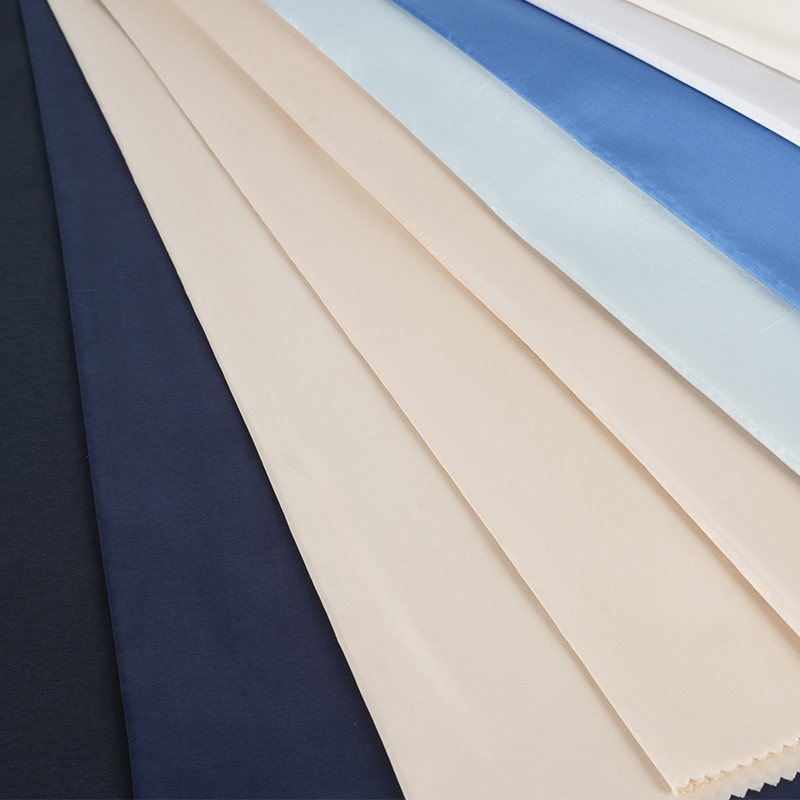
Viscose lining fabric offers superior softness, breathability, and moisture absorption compared to synthetic alternatives. These properties make it ideal for high-end garments, jackets, and coats, where wearer comfort is paramount.
Polyester lining, while durable and cost-effective, is less breathable and can trap heat, making it less suitable for garments worn in warm climates or for prolonged periods.
Durability and Wear Resistance
Viscose Lining Fabric
Viscose is semi-synthetic and can be prone to shrinkage and pilling if not properly treated. However, modern viscose blends include reinforcement fibers that enhance tensile strength and abrasion resistance. Garments lined with reinforced viscose can withstand over 50 wash cycles without significant degradation.
Polyester Lining
Polyester linings are highly durable and resistant to shrinking, stretching, and wrinkling. They maintain shape after repeated washing, making them ideal for budget garments or high-use uniforms. However, they may not provide the same tactile comfort or moisture management as viscose.
Breathability and Moisture Management
Viscose lining fabric absorbs moisture effectively, allowing garments to feel cool and dry. It can absorb up to 12% of its weight in water without feeling damp, reducing discomfort during wear.
Polyester, in contrast, is hydrophobic and can trap sweat and heat. This can lead to discomfort during extended wear, particularly in warm climates or under heavy activity. Specialized moisture-wicking polyester blends can partially mitigate this but add to cost.
Appearance and Hand Feel
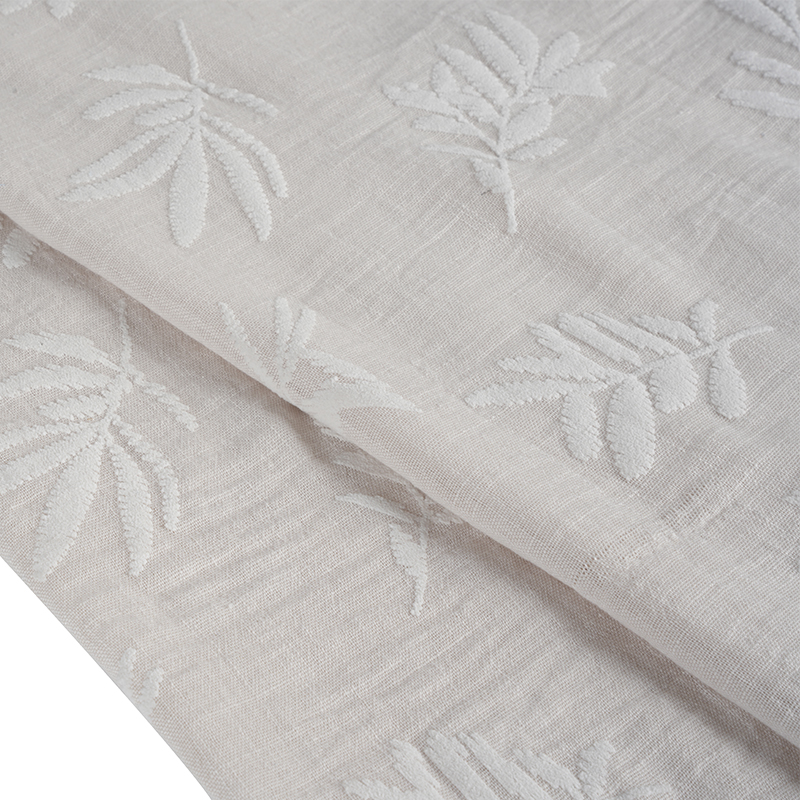
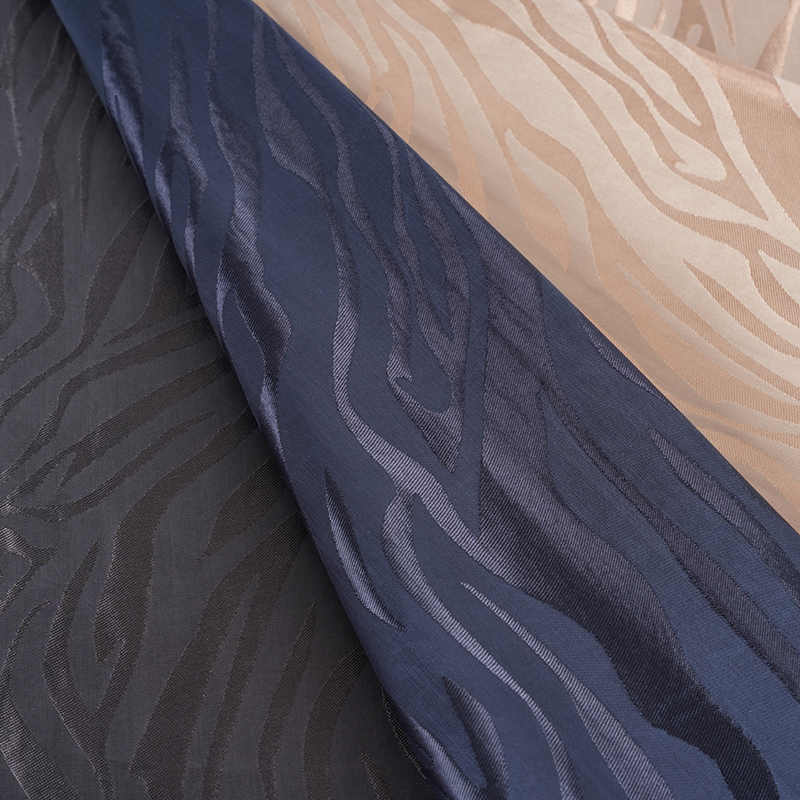
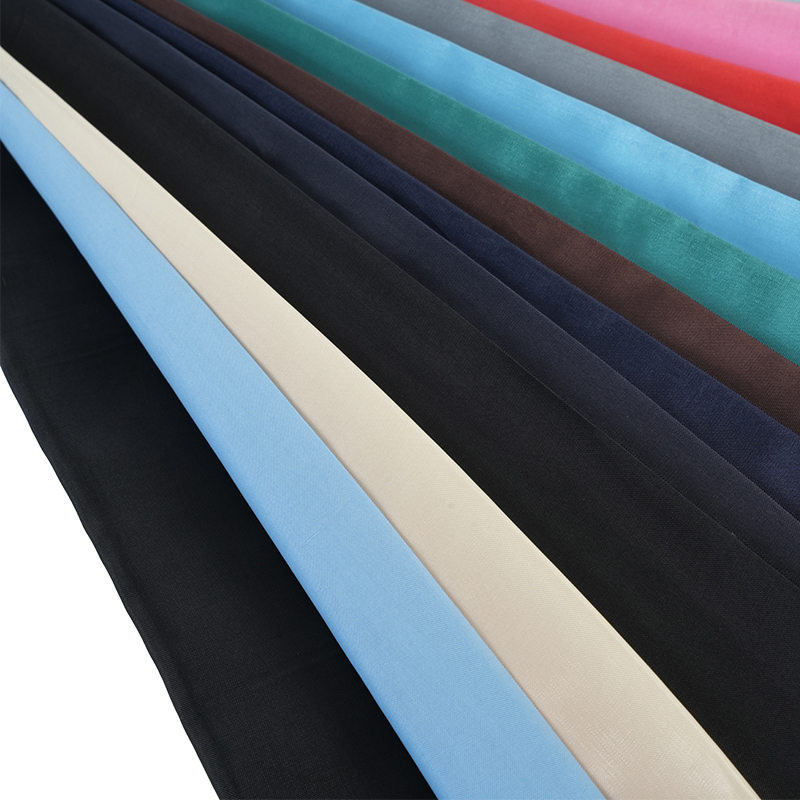
Viscose linings have a natural drape and smooth hand feel, providing a luxurious touch inside garments. They also offer excellent dye absorption, allowing vibrant colors and patterns that retain their appearance over time.
Polyester linings can feel stiffer and less smooth, especially in cheaper grades. While polyester maintains shape and resists wrinkles, it can develop static cling and a glossy sheen that may be undesirable for premium garments.
Cost and Production Considerations
| Factor | Viscose Lining Fabric | Polyester Lining Fabric |
|---|---|---|
| Material Cost | High | Low |
| Ease of Manufacture | Moderate (requires careful handling) | High (easy to sew and process) |
| Maintenance | Requires gentle washing | Machine washable and low care |
| Service Life | 5–10 years with proper care | 8–15 years |
Applications and Garment Suitability
Viscose lining fabric is ideal for:
- High-end jackets and coats where comfort and breathability are essential
- Luxury handbags and accessory linings for a smooth feel
- Garments for warm climates due to moisture absorption and cooling effect
Polyester linings are suited for:
- Budget-conscious garments and mass-produced apparel
- Uniforms and workwear where durability and low maintenance are priorities
- Garments that require wrinkle resistance and easy cleaning
Conclusion and Recommendation
For premium garments where comfort, breathability, and luxurious feel are top priorities, viscose lining fabric is the recommended choice. Its natural drape and moisture absorption enhance wearer experience, making it the preferred option for high-end fashion.
Polyester linings remain practical for cost-sensitive or high-durability applications. The choice between viscose and polyester linings should consider garment purpose, environmental conditions, and long-term maintenance preferences.
 Previous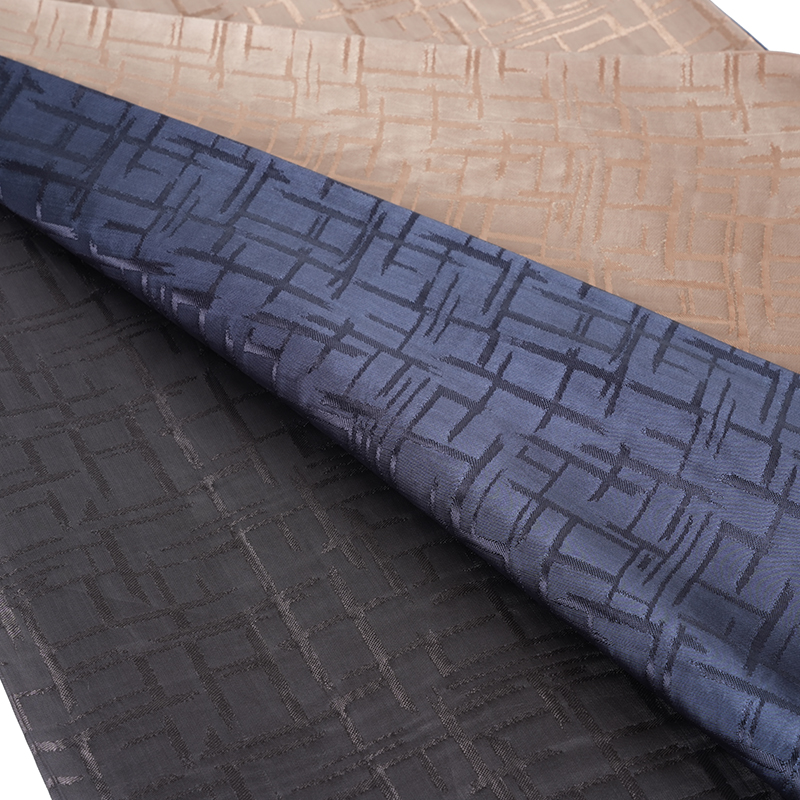

 +86-81163100 / +86-13957571090
 Room B12148, Wanguo Center, No. 1388, Jinkeqiao Avenue, Keqiao, Shaoxing, Zhejiang, China