
 English
 中文简体
中文简体
Polyester Jacquard Lining Is Redefining Modern Garment Interior Design
Polyester jacquard lining has become one of the most practical and visually refined materials used in contemporary apparel manufacturing. From formal suits and winter coats to handbags, luggage, uniforms, and premium fashion accessories, this fabric combines decorative texture with dependable durability. Manufacturers increasingly favor polyester jacquard lining because it balances cost efficiency, wrinkle resistance, dimensional stability, and aesthetic flexibility in a single textile solution.
Compared with plain lining fabrics, jacquard lining introduces woven patterns directly into the textile structure rather than relying solely on surface printing. This weaving technique creates richer visual depth, stronger texture definition, and improved resistance to fading or pattern deterioration over time. Polyester fibers further enhance the fabric by improving tensile strength, moisture resistance, and long-term wear performance.
Modern apparel manufacturers increasingly choose polyester jacquard lining because it can achieve a high-end appearance at a relatively controlled production cost. In many commercial garment categories, polyester jacquard lining now serves as a preferred alternative to more expensive lining materials while still delivering strong visual impact and functional performance.
As fashion brands and textile suppliers continue to focus on durability, efficiency, and material versatility, polyester jacquard lining is expected to remain an important component in both mass-market and premium apparel production.
Jacquard Weaving Technology Creates Distinctive Fabric Depth
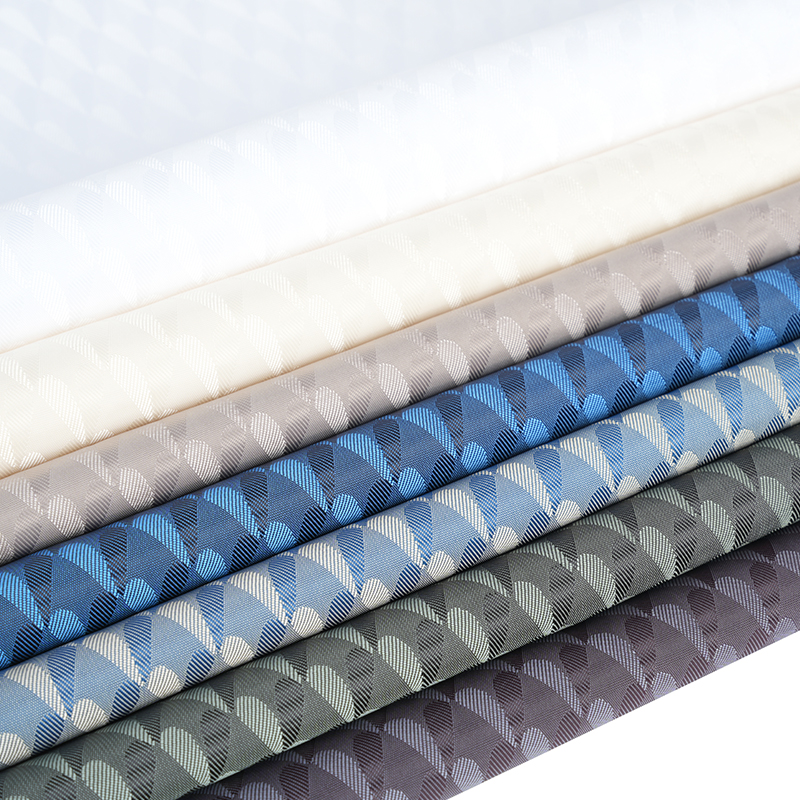
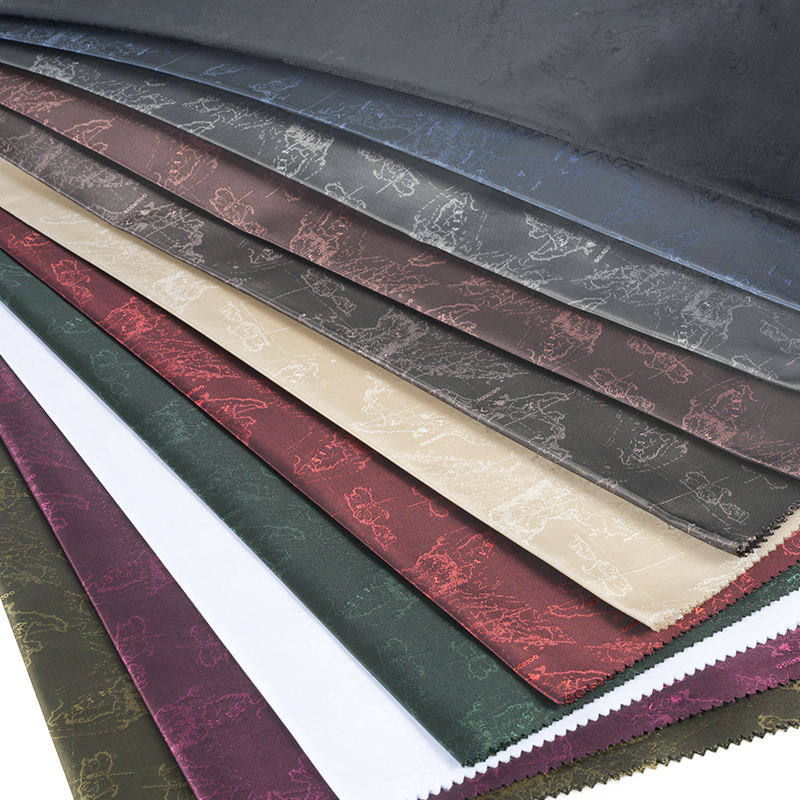
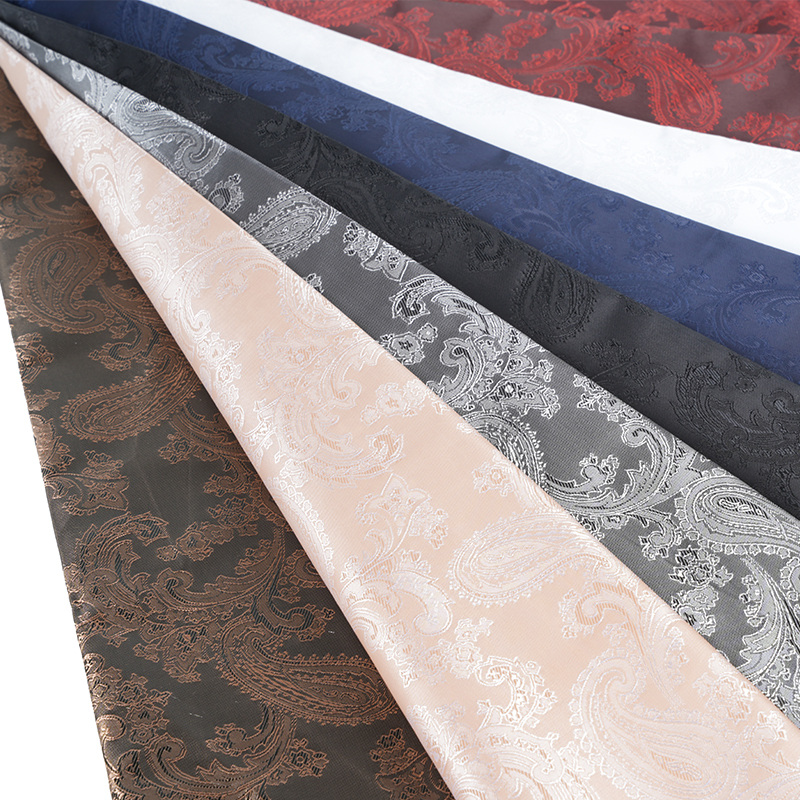
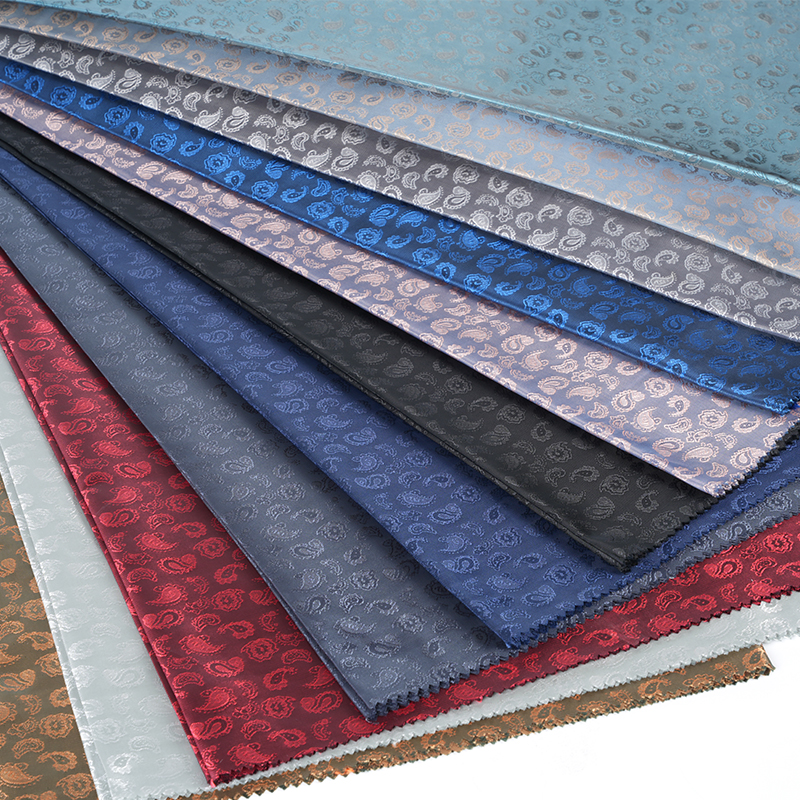
The defining characteristic of polyester jacquard lining is its woven pattern structure. Unlike printed fabrics, jacquard textiles create designs through controlled yarn interlacing during weaving. This process allows highly detailed textures, geometric motifs, floral patterns, and complex decorative effects to become part of the fabric itself.
Patterns Are Woven Into the Fabric Structure
Because the pattern is integrated during weaving, jacquard fabrics maintain their appearance even after repeated use and cleaning cycles. The design does not peel, crack, or fade as easily as printed surfaces.
Textured Surfaces Improve Visual Sophistication
Jacquard weaving creates subtle raised and recessed areas across the textile surface. This texture adds dimensional depth that enhances the interior appearance of garments and accessories.
Complex Designs Support Fashion Differentiation
Manufacturers can produce highly customized designs through jacquard weaving systems, allowing fashion producers to create unique internal garment details that strengthen product identity.
High-Speed Weaving Improves Production Efficiency
Modern computerized jacquard weaving equipment enables large-scale production while maintaining pattern consistency and fabric quality across long manufacturing runs.
| Feature | Functional Benefit | Industry Impact |
|---|---|---|
| Woven Pattern Structure | Long-lasting design | Reduced fading risk |
| Textured Surface | Enhanced appearance | Premium garment effect |
| Polyester Fiber Base | High durability | Long service life |
| Automated Weaving | Production consistency | Scalable manufacturing |
Polyester Fiber Enhances Durability and Practical Performance
Polyester plays a major role in the commercial success of jacquard lining fabrics because it provides several performance advantages over natural-fiber alternatives in many garment applications.
Wrinkle Resistance Supports Daily Use
Polyester jacquard lining maintains a relatively smooth appearance even after long periods of folding, packaging, or transportation. This characteristic is especially important in formalwear and outerwear production.
Moisture Resistance Improves Fabric Stability
Polyester fibers absorb significantly less moisture than many natural fibers, helping the lining retain dimensional stability in humid environments.
High Tensile Strength Extends Garment Lifespan
Repeated friction inside garments can damage low-strength lining fabrics. Polyester jacquard lining resists tearing and seam stress more effectively in demanding usage conditions.
Color Retention Supports Long-Term Appearance
Modern dyeing technology enables polyester jacquard lining to maintain consistent color quality after repeated cleaning and prolonged use.
- Strong resistance to wrinkling
- Improved resistance to moisture absorption
- High durability under repeated friction
- Stable appearance after repeated cleaning
Fashion and Apparel Industries Continue Expanding Usage
Polyester jacquard lining is widely used across multiple fashion categories because it combines functionality with decorative appeal.
Suit Manufacturing Relies on Structured Linings
Formal suits frequently use jacquard lining to create a polished interior appearance while improving garment comfort and structural stability.
In premium suit manufacturing, decorative lining details often influence customer perception of product quality and craftsmanship.
Outerwear Production Benefits from Durability
Coats and jackets experience repeated movement and internal friction during daily wear. Polyester jacquard lining helps maintain structural integrity under continuous use.
Handbags and Luggage Require Strong Internal Fabrics
Bags and luggage interiors require abrasion resistance because stored items frequently create friction against the lining surface.
Uniform Production Prioritizes Cost Efficiency
Large-scale uniform manufacturing often uses polyester jacquard lining because it balances visual quality with economical mass production.
| Application Area | Primary Requirement | Key Advantage |
|---|---|---|
| Formal Suits | Premium appearance | Decorative texture |
| Winter Coats | Durability | Friction resistance |
| Handbags | Interior protection | Tear resistance |
| Uniforms | Cost control | Production efficiency |
Fabric Weight and Density Influence Garment Performance
Different polyester jacquard lining specifications are designed for different garment structures and performance targets.
Lightweight Linings Improve Flexibility
Lightweight jacquard lining fabrics are commonly used in spring jackets, dresses, and lightweight formalwear because they reduce garment bulk.
Medium-Weight Fabrics Balance Comfort and Structure
Medium-density lining materials are widely used in commercial apparel because they provide balanced drape, durability, and production versatility.
Heavy-Duty Linings Support Industrial Applications
Certain luggage, footwear, and protective garment products require higher-density jacquard lining fabrics capable of withstanding strong abrasion.
Weave Density Affects Surface Texture
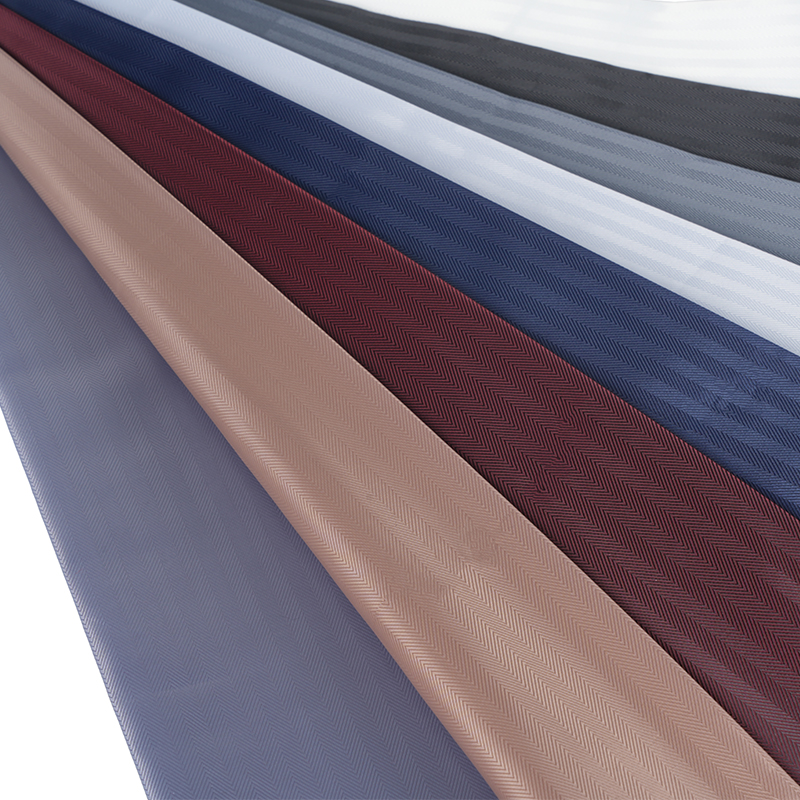
Higher yarn density generally creates smoother surfaces and sharper pattern definition, while lower-density constructions may improve softness and flexibility.
Production Quality Control Determines Final Fabric Consistency
Maintaining stable production quality is essential for polyester jacquard lining manufacturers because even small weaving inconsistencies can affect appearance and garment performance.
Yarn Uniformity Supports Pattern Accuracy
Inconsistent yarn thickness may distort jacquard patterns and reduce overall fabric quality.
Dyeing Stability Prevents Color Variation
Color consistency across production batches is especially important for large apparel manufacturing orders.
Fabric Inspection Reduces Defect Rates
Manufacturers often use automated inspection systems to identify weaving defects, loose threads, and pattern irregularities before shipment.
Finishing Processes Improve Hand Feel
Surface finishing treatments can improve softness, smoothness, and overall tactile quality without reducing structural durability.
- Stable yarn quality improves pattern consistency
- Accurate dyeing supports color uniformity
- Inspection systems reduce production defects
- Finishing treatments improve fabric comfort
Sustainability Trends Are Influencing Polyester Textile Development
Environmental considerations are increasingly shaping the future direction of polyester jacquard lining production and textile sourcing strategies.
Recycled Polyester Usage Is Expanding
Many textile producers are incorporating recycled polyester fibers into jacquard lining fabrics to reduce dependence on virgin raw materials.
Some recycled polyester systems can reduce energy consumption during fiber production by 30% or more compared with conventional polyester manufacturing methods.
Water-Efficient Dyeing Technologies Reduce Environmental Pressure
Advanced dyeing systems are helping textile factories reduce water usage and improve wastewater management efficiency.
Durable Fabrics Support Longer Product Lifecycles
Long-lasting lining materials help reduce replacement frequency and improve overall garment longevity.
Digital Manufacturing Improves Resource Efficiency
Computer-controlled weaving systems improve material utilization accuracy and help reduce production waste during large manufacturing runs.
 Previous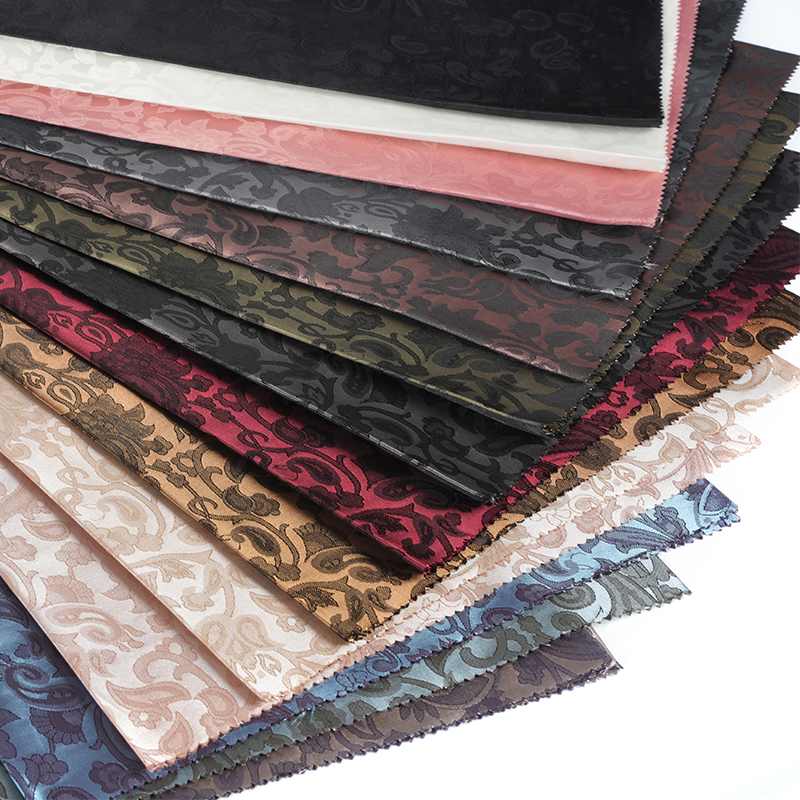

 +86-81163100 / +86-13957571090
 Room B12148, Wanguo Center, No. 1388, Jinkeqiao Avenue, Keqiao, Shaoxing, Zhejiang, China