
 English
 中文简体
A garment factory traced a month of customer complaints to a single hidden component: the pocket bag. Suit trousers frayed along the hip seam, a white shirt picked up a blue stain after dry cleaning, and several jackets tore at the hand pocket under the weight of a phone. The shell fabric was identical in every batch; the pocket lining material was not. This is how a small, unglamorous textile decides whether a garment feels durable or disposable.
The practical conclusion comes first: pocket lining material deserves the same specification discipline as the outer fabric. It is the surface a customer touches every time they use the garment, and it is usually the first point of mechanical failure in trousers and tailored jackets.
Why Pocket Lining Material Deserves Its Own Specification
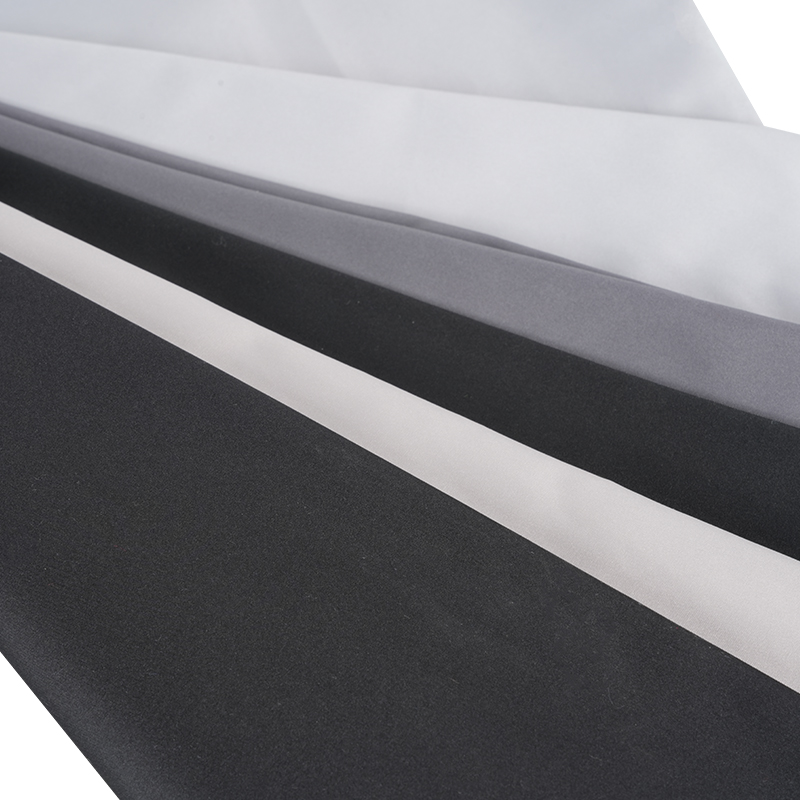
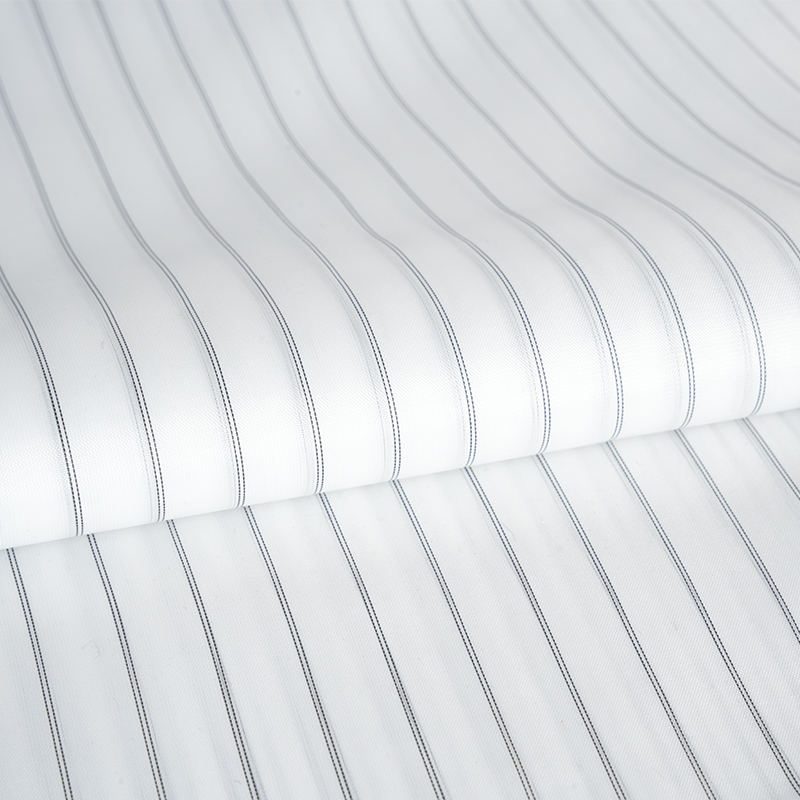
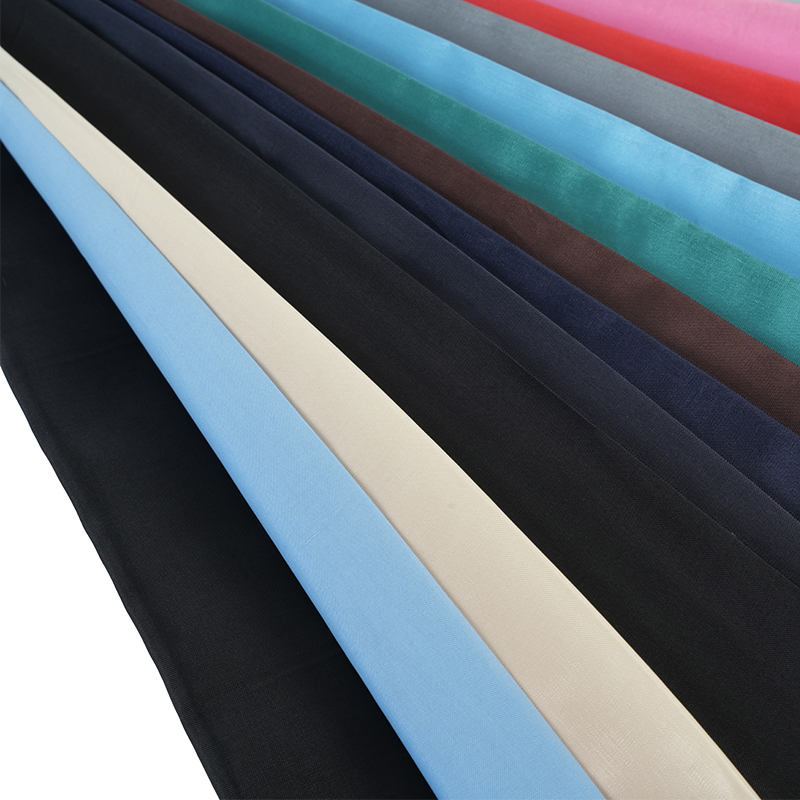
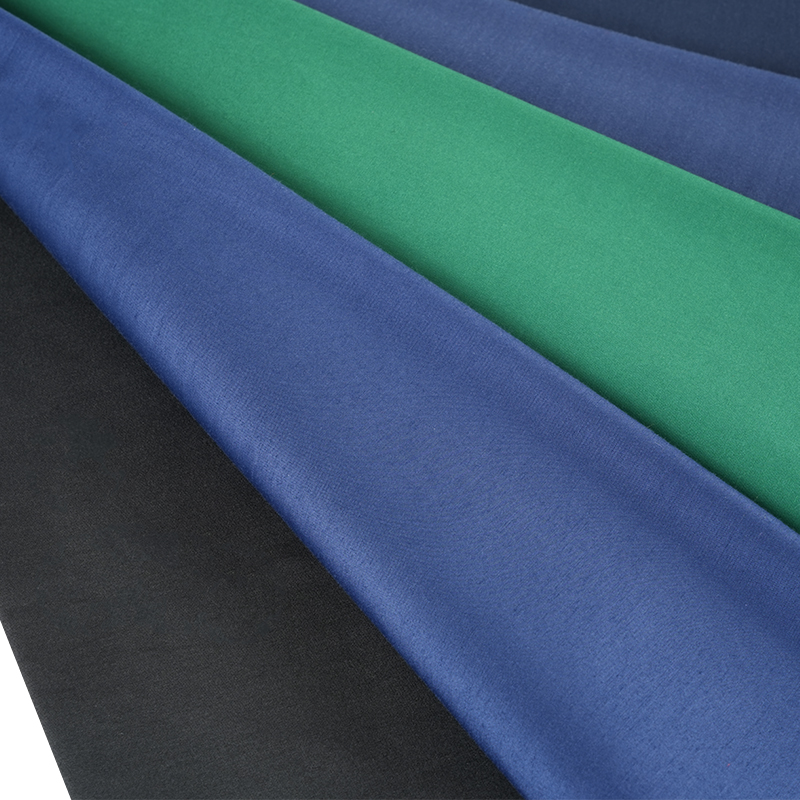
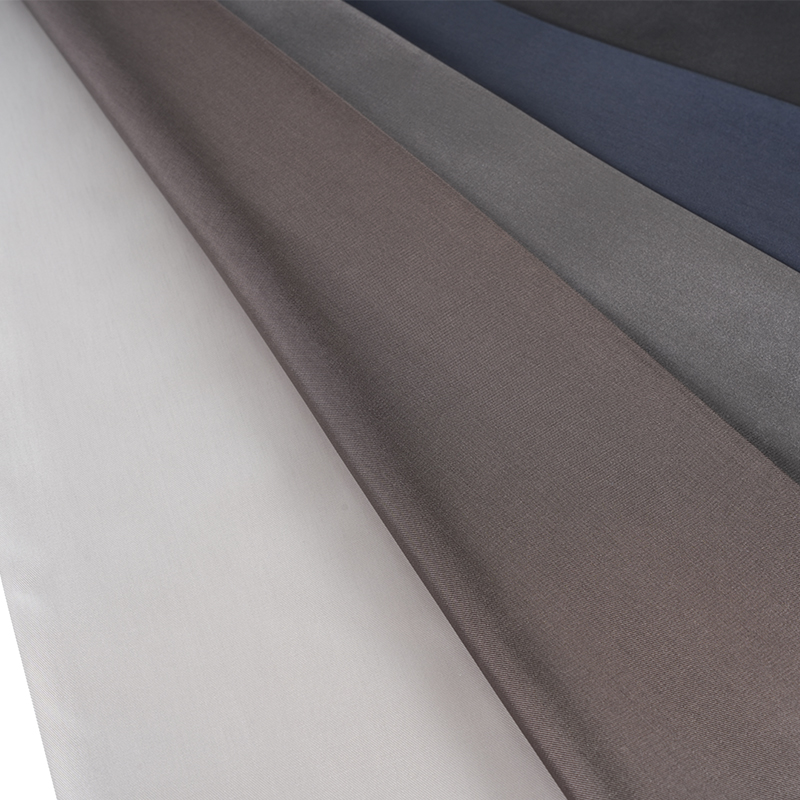
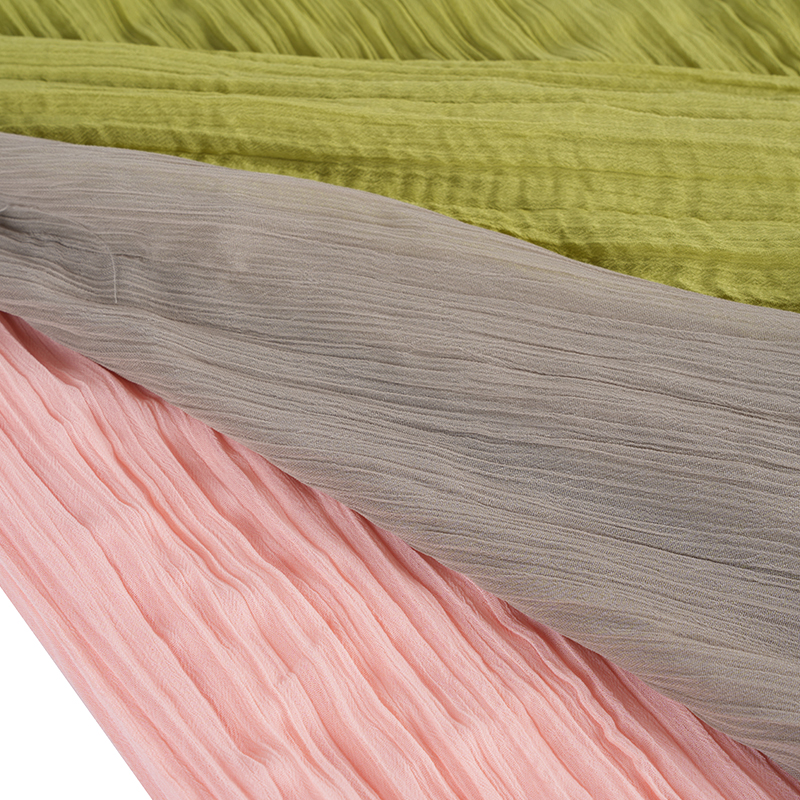
Pocket lining material, also known as pocketing fabric or pocket bag cloth, is the textile used to build the interior pocket of trousers, suits, blazers, skirts, and coats. It performs three jobs. It protects the hand from raw seam allowances and fusible interlinings. It helps the garment keep its shape by preventing the pocket from stretching or distorting the shell fabric. And it must endure years of friction, perspiration, laundering, and pressure from everyday objects.
Buyers who treat pocketing as a generic commodity and purchase on price alone create the failures described above. Those failures are disproportionately expensive. A pocket bag defect usually appears only after the garment is sold and worn, so it triggers returns, replacements, and reviews that cost far more than the meter of fabric inside each pocket.
Four Performance Priorities for Pocketing Fabric
Four measurable properties determine whether a pocket lining material performs in a finished garment.
- Abrasion resistance. The pocket interior rubs against keys, coins, cards, and phones in daily use, and it rubs against seam edges during laundering. Low abrasion resistance produces holes, thinning, and edge fraying within months.
- Surface slip. A pocket lining should let the hand slide in and out without catching. Smooth taffeta faces and low-friction synthetic yarns achieve this; brushed or heavily textured fabrics do not.
- Dimensional stability. Pockets are sewn into a structure that must lie flat. If the pocketing shrinks or grows during washing or dry cleaning, the pocket gathers, puckers, and drags the shell fabric out of shape.
- Colorfastness. Dye that bleeds from the pocket to the shell fabric or to a light-colored shirt is a leading cause of garment complaints. Deep colors such as navy and black need the highest colorfastness ratings.
The chart below compares the relative abrasion resistance of the most common pocket lining material categories.
Nylon
100
Polyester
88
Poly-cotton
72
Cotton
58
Viscose
42
Acetate
32
Common Pocket Lining Materials Compared
Each material category offers a different balance of cost, handfeel, durability, and care performance. The choice is rarely "the best fabric" but rather the right fabric for the garment's price point and end use.
| Material | Typical construction | Handfeel and fit | Durability | Care behavior |
|---|---|---|---|---|
| Polyester taffeta | Plain weave, 190T to 230T | Crisp, smooth, and economical; a standard for dress trousers and uniforms | Good abrasion resistance | Low shrinkage; fast drying |
| Polyester pongee | Plain weave, lighter weight | Softer and matte; used in shirts, dresses, and light jackets | Moderate | Low shrinkage |
| Polyester-cotton | Plain or twill weave, typically 65/35 or 60/40 | Balanced handfeel and breathability; common in suit trousers and blazers | Good | Slightly higher shrinkage than pure polyester; low dye bleed |
| Cotton | Twill or sheeting | Soft, breathable, and natural; used in premium casual trousers and jeans | Moderate; can fray | Higher shrinkage; must be pre-shrunk |
| Viscose (rayon) | Twill or plain weave | Smooth and drapable; used in high-end suits and skirts | Lower; can thin | High shrinkage; preferred dry cleaning |
| Acetate | Twill weave | Luxurious smoothness and excellent drape; premium dress and suit linings | Lower | Usually dry clean only |
| Nylon | Plain or ripstop weave | Tough and slippery; best for outerwear pockets that carry heavy items | Highest | Low shrinkage; sensitive to hot ironing |
Note that "premium" does not automatically mean "more durable." Acetate and viscose are chosen for comfort and handfeel; nylon and polyester are chosen for toughness. Matching the material to the actual use avoids both over-specification and premature failure.
The second chart shows the other half of the sourcing decision: relative material cost. Actual prices vary with density, width, and finish, but the ranking is stable.
Polyester
100
Poly-cotton
130
Cotton
145
Nylon
160
Viscose
175
Acetate
210
Technical Specifications to Specify When Ordering
Pocket lining fabric is specified like any other woven textile. These parameters matter most in production.
- Fabric density. Expressed in T, for example 190T, 210T, or 230T, where the value represents the combined warp and weft thread count per inch. Higher density improves cover, strength, and opacity at a modest cost increase.
- Yarn count and composition. A typical economical pocketing uses 75D to 150D polyester yarns; cotton versions use 40S to 60S yarns. Composition percentages should be written into the purchase contract.
- Weave structure. Plain weave is compact and economical. Twill weave drapes better, resists tearing slightly better, and is common in higher-grade pocketing.
- Finishes. Anti-static finishes reduce cling to the wearer's clothing, water-repellent finishes help in outerwear, and softener finishes improve handfeel.
- Width and roll length. Most pocketing is delivered at 145 cm to 150 cm width. Confirming cut widths early optimizes marker utilization and reduces waste.
Matching Pocket Lining Material to Garment Type
Price point and end use should drive the material decision. Different garment categories have different stress points, care instructions, and expectations of feel.
| Garment category | Recommended material | Primary reason |
|---|---|---|
| Premium suits and blazers | Viscose, acetate, poly-cotton twill | Comfort, drape, and a smooth hand |
| Volume suits and blazers | Polyester-cotton, polyester taffeta | Consistent quality at a controlled cost |
| Trousers and slacks | Polyester-cotton, polyester | Low shrinkage and strength at seam stress points |
| Denim and casual trousers | Cotton, poly-cotton | Natural feel plus toughness |
| Outerwear, workwear, jackets | Nylon, polyester | High abrasion resistance under heavy loads |
| Uniforms and childrenswear | Polyester | Easy care, low shrinkage, strong colorfastness |
Pocket Lining Defects to Check During Incoming Inspection
A simple incoming inspection catches most pocketing problems before they reach the cutting table.
- Dye bleed test. Rub a damp white cloth across the pocketing surface, then press it with a warm iron. Staining indicates unstable dye.
- Shrinkage test. Mark a measured swatch, run it through an accelerated wash or dry-cleaning cycle, and remeasure. The result should match the agreed tolerance, typically under 3 percent.
- Seam slippage test. Stitch two pieces together and pull them apart. Excessive opening at the seam indicates yarns that will shift under stress.
- Edge fraying check. Inspect cut edges after handling. Heavy fraying slows production and signals weak yarns.
- Visual uniformity. Check for barre, streaks, and center-to-edge dye variation, which are common in low-cost woven pocketing.
Specify Pocket Lining Material with Intention
Pocket lining material is a small part of the garment, but it has an outsized effect on durability, comfort, and brand reputation. Start the specification early, test swatches against the four performance priorities, and verify deliveries with simple incoming checks. A few cents of extra fabric cost per garment is far cheaper than a return, a repair, or a lost customer.


 +86-81163100 / +86-13957571090

 Room B12148, Wanguo Center, No. 1388, Jinkeqiao Avenue, Keqiao, Shaoxing, Zhejiang, China
