
 English
 中文简体
中文简体
Knitted and Woven Lining Fabrics: Direct Conclusion
Knitted lining fabric offers superior stretch and comfort, while woven lining fabric provides structure and durability. Choosing the correct type depends on the garment’s purpose, flexibility requirements, and desired aesthetics.
For activewear or fitted garments, knitted linings improve comfort and movement. For tailored suits, coats, or formalwear, woven linings ensure stability, smooth drape, and long-term resilience.
Properties and Advantages of Knitted Lining Fabric
Stretch and Flexibility
Knitted linings are naturally elastic due to their looped construction. Stretch percentages can range from 10% to over 50% depending on fiber content, enhancing comfort and fit in garments.
Breathability and Moisture Management
The open structure of knitted fabrics allows better air circulation, making them suitable for inner layers or sportswear linings. Moisture-wicking properties keep the wearer dry and comfortable.
Softness and Hand Feel
Knitted linings typically feel soft against the skin. Fabrics with cotton or bamboo blends enhance comfort, while synthetic fibers like polyester improve durability and stretch recovery.
Properties and Advantages of Woven Lining Fabric
Dimensional Stability
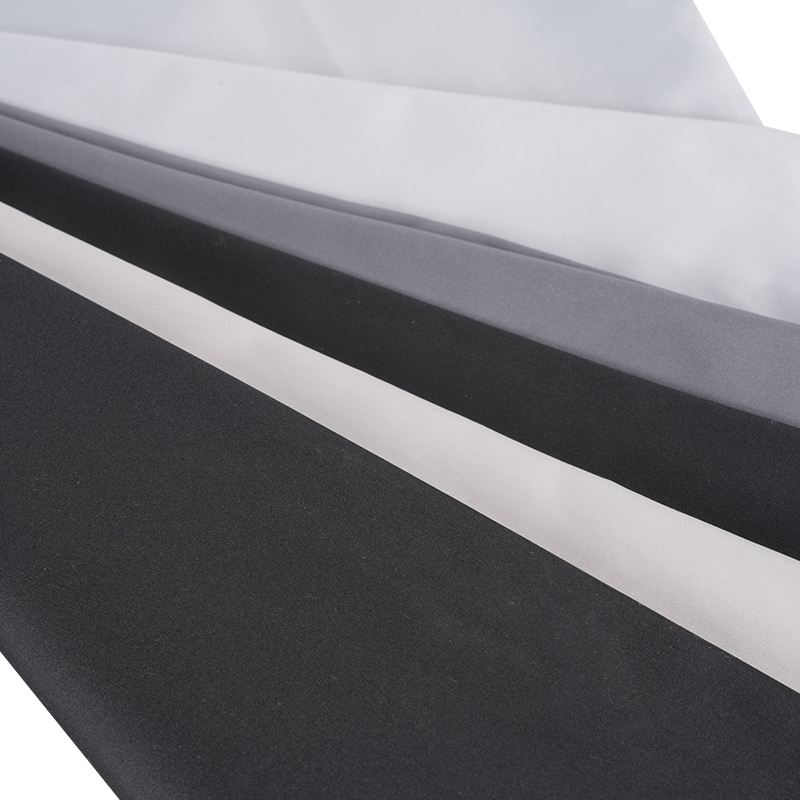
Woven linings are stable with minimal stretch. This makes them ideal for structured garments, preventing distortion over time.
Smooth Surface and Appearance
Tightly woven fabrics produce a sleek surface that allows outer garments to drape cleanly. Common fibers include polyester, acetate, and rayon, often with a satin finish.
Durability and Longevity
Woven linings resist abrasion and repeated wear. They maintain structure in high-stress areas like shoulders, hems, and cuffs, extending garment lifespan.
Comparison Table of Knitted vs. Woven Lining Fabrics
| Property | Knitted Lining | Woven Lining |
|---|---|---|
| Stretch | High (10–50% depending on yarn) | Low (minimal elasticity) |
| Comfort | Soft, breathable | Smooth, less stretch |
| Durability | Moderate, depends on yarn strength | High, maintains structure |
| Best Use | Activewear, stretch garments, comfort linings | Tailored suits, coats, formalwear, structured garments |
Fabric Selection Tips for Garment Designers
When selecting lining fabrics, designers must consider garment function, target audience, and environmental conditions. Knitted fabrics are preferable for stretchability and skin comfort, while woven fabrics are chosen for stability, sheen, and durability.
Additionally, fiber content, fabric weight, and finish affect final performance. Blends of polyester with spandex or viscose can combine comfort with moderate structure.
Innovations in Lining Fabrics
Moisture-Wicking and Anti-Odor Linings
Modern knitted linings often include moisture management technologies, keeping wearers dry during physical activity. Anti-odor finishes extend wearability between washes.
Eco-Friendly and Sustainable Options
Both knitted and woven linings are now available using recycled fibers, organic cotton, or biodegradable synthetics. These fabrics maintain performance while reducing environmental impact.
Specialty Textures and Finishes
Fabrics may be embossed, brushed, or treated with heat to achieve specific tactile or visual effects, enhancing garment appeal and user experience.
 Previous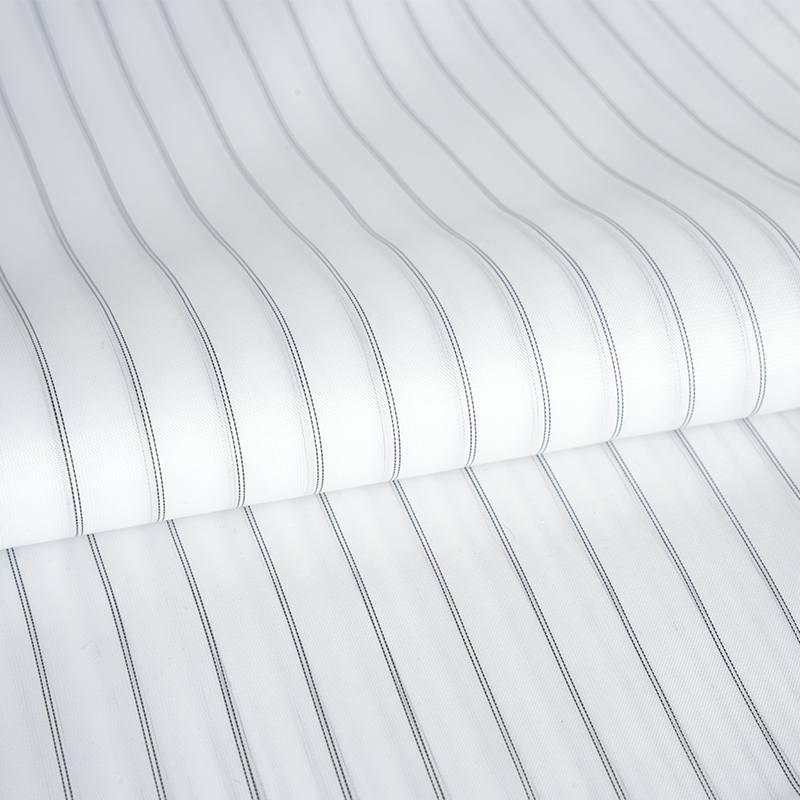

 +86-81163100 / +86-13957571090
 Room B12148, Wanguo Center, No. 1388, Jinkeqiao Avenue, Keqiao, Shaoxing, Zhejiang, China