

 English
 中文简体
中文简体
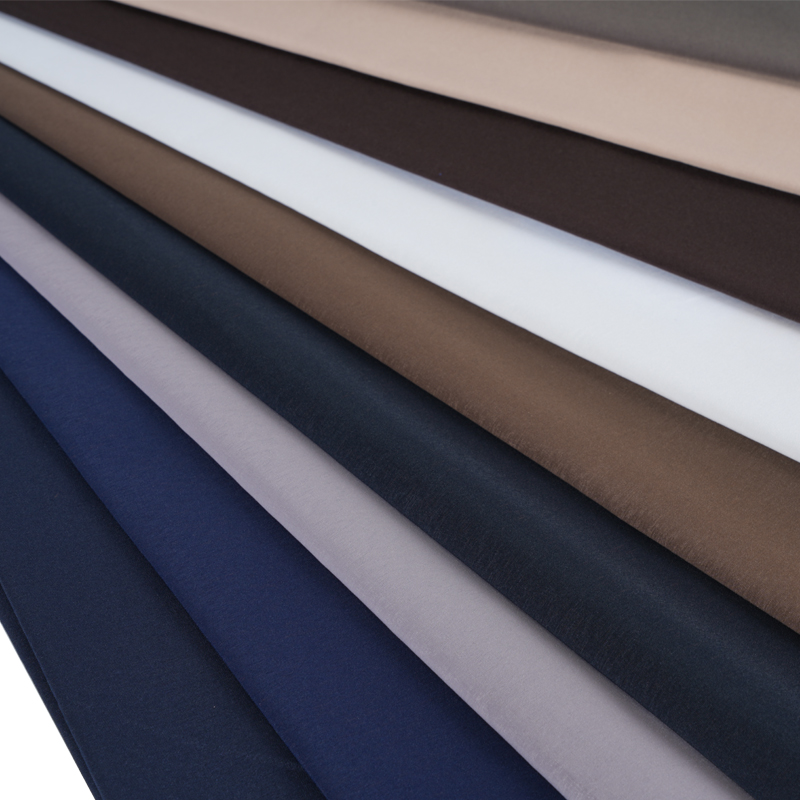
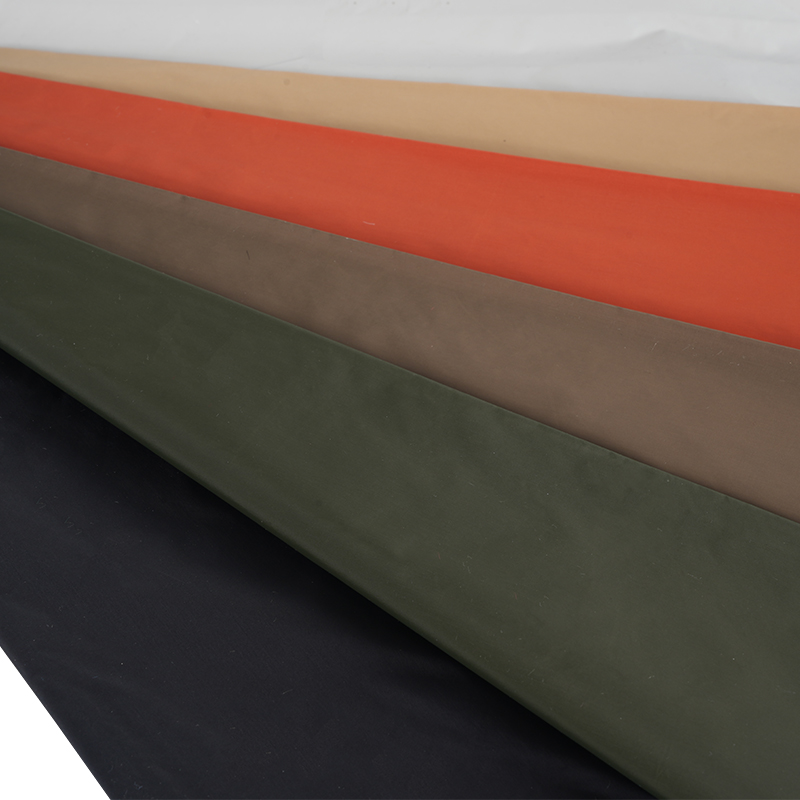
Bridging the operational performance gap between high-absorbency natural seed fibers and high-tensile synthetic petroleum polymers requires a deep utilization of regenerated organic matter. Technical-grade rayon fabric stands as the foundational solution in this semi-synthetic textile sector, offering an engineered material pathway that extracts alpha-cellulose from wood pulp or bamboo stalks and converts it into uniform, continuous filaments. By subjecting natural plant cell walls to highly controlled alkaline digestion, carbon disulfide xanthation, and acid-bath extrusion, textile manufacturing facilities create a versatile fabric. This material matches the breathability and liquid absorption metrics of pure cotton while offering the drape, smooth surface micro-topography, and dye affinity required for premium apparel and demanding industrial reinforcement applications.
Chemical Extraction Foundations and Cellulose Xanthation Kinetics
The transformation of raw timber into a highly flexible sheet of rayon fabric depends on breaking down and rebuilding the molecular structure of plant cellulose. Unlike completely synthetic plastics derived from crude oil, the manufacturing process of rayon focuses on dissolving naturally occurring beta-1,4-glucan polymer chains and extruding them back into a purified crystalline form.
The process begins by treating chipped wood pulp with a highly concentrated solution of 17% to 19% sodium hydroxide (NaOH) at a controlled temperature of 20°C to 22°C. This caustic alkaline steeping step forces the natural wood fibers to swell, breaking down the complex lignin compounds and turning the raw material into a reactive alkali-cellulose block. After pressing out the excess liquid and allowing the crumbs to age, operators transfer the mixture into a sealed xanthation drum, where precise doses of liquid carbon disulfide ($CS_2$) are injected. Over a reaction period of 90 to 150 minutes, the chemical alters the hydroxyl groups along the cellulose chains, turning the white pulp crumbs into a bright orange-yellow compound known as sodium cellulose xanthate. This xanthate derivative dissolves easily in a weak caustic solution, forming a thick, honey-colored fluid called viscose that serves as the raw material for spinning threads.
Polymer Ripening and Dissolved Gas Stripping
Before this thick viscose fluid can be pushed through spinning nozzles, it must undergo a strict ripening process over several days. During this time, the cellulose xanthate groups slowly split apart, distributing themselves evenly along the polymer chains to ensure a uniform thickness throughout the liquid. The aged viscose is filtered through ultra-fine mesh screens to catch unreacted wood particles, and then routed through an industrial vacuum chamber to strip away microscopic air bubbles. Removing these tiny bubbles is crucial; any pocket of air left inside the pump lines will cause the thread to snap during extrusion, creating defects in the final woven cloth.
Spinneret Extrusion Engineering and Wet-Spinning Solidification Physics
Re-forming the liquid viscose back into solid, high-strength textile filaments requires a precise wet-spinning extrusion system that balances fluid pressure with rapid acid neutralization.
The filtered viscose liquid is driven by high-accuracy metering pumps toward a submerged spinneret nozzle made from a corrosion-resistant alloy of platinum and gold. This specialized nozzle disk is drilled with thousands of microscopic holes, each measuring a mere 0.05 mm to 0.10 mm in diameter. As the liquid viscose is squeezed through these micro-holes, it shoots directly into a warm chemical bath filled with 8% to 12% sulfuric acid ($H_2SO_4$), 15% to 24% sodium sulfate ($Na_2SO_4$), and 1% to 5% zinc sulfate ($ZnSO_4$). The moment the alkaline fluid contacts the acidic bath, a rapid chemical reaction occurs: the acid strips away the xanthate groups instantly, causing the dissolved cellulose to snap out of the liquid stream and harden into solid filaments. The zinc sulfate slows down the hardening slightly, allowing technicians to pull and stretch the fresh threads on external godet wheels. Stretching the fibers aligns the internal molecules parallel to each other, increasing the material's final tensile strength by up to 130%.
Material Variant Classifications and Structural Performance Ratios
Industrial textile designers categorize rayon fabrics into distinct classes based on the chemical adjustments and spinning speeds used during production. Choosing the wrong type of rayon can cause garments to lose their shape when washed or tear early under mechanical stress.
The table below outlines the mechanical performance limits, moisture absorption metrics, and physical applications for the primary structural variants of rayon fabric:
| Rayon Material Classification | Dry Tensile Strength (Tenacity) | Wet Strength Retention Efficiency | Moisture Regain Capacity | Primary End-Use Application Field |
|---|---|---|---|---|
| Standard Viscose Rayon | 1.5 to 2.4 g/denier | 45% to 55% Low Retention | 11.5% to 13.0% Standard | Fashion linings, summer dresses, decorative curtains |
| High Wet Modulus (HWM) Modal | 3.4 to 4.5 g/denier | 75% to 85% High Retention | 12.5% to 14.5% High Sorb | Performance sportswear, luxury underwear, bed linens |
| Solvent-Spun Lyocell Cross-Link | 4.8 to 5.5 g/denier | 85% to 90% Peak Efficiency | 11.0% to 12.0% Regular | Industrial conveyor belts, heavy-duty denim blends |
Moisture Sorption Mechanics and Internal Fiber Swelling Dynamics
The internal structure of standard viscose rayon handles water in a unique way that dictates how the fabric must be washed and cared for. Under a microscope, standard rayon fibers do not show a smooth round cross-section; instead, they feature an irregular, serrated or "clouded" edge with a highly porous interior.
This porous structure contains thousands of amorphous open spaces that pull in water through capillary action. Rayon has a high standard moisture regain rate of 13%, meaning it can absorb a large amount of sweat or water before it even begins to feel damp to the touch. However, as water floods into these internal spaces, it pushes the cellulose molecules apart, breaking the weak hydrogen bonds that hold the fiber's structure together. This moisture absorption causes the individual threads to swell up to 30% to 45% in volume, cutting the fabric's total tensile strength in half when wet. This drop in strength is why wet rayon fabric can rip easily in standard high-spin washing machines, requiring gentle cycles or dry cleaning to keep the material safe.
Macromolecular Finishes and Crease-Recovery Modification
Because the internal molecular structure of basic rayon lacks strong cross-linking bonds, the fibers easily slide past one another when crushed or folded, causing the fabric to wrinkle heavily after normal use.
To solve this issue, finishing mills treat the raw woven rayon sheets with advanced anti-wrinkle resin chemical baths. The fabric passes through a solution containing dimethyloldihydroxyethyleneurea (DMDHEU) combined with a magnesium chloride ($MgCl_2$) catalyst. The soaked fabric is run through a high-temperature curing oven heated to 150°C to 160°C for a few minutes. The heat triggers a chemical reaction that forces the resin molecules to bridge the gaps between the parallel cellulose chains, locking them together with strong covalent cross-links. This chemical treatment improves the fabric's crease recovery angle to over 120 degrees, allowing the material to bounce back from folds and remain smooth throughout the day without sacrificing its soft drape.
Step-by-Step Laboratory Fabric Testing and Quality Analysis Sequence
Before clearing raw rolls of rayon fabric for mass garment production, quality control labs run a series of structured testing steps. These procedures confirm that the regenerated fibers can handle dyeing, washing, and mechanical wear without tearing or breaking.
- Extract Uniform Material Testing Swatches: Cut out five rectangular 50mm by 200mm swatches from both the warp and weft directions of the rayon cloth roll, ensuring all samples are taken at least 150mm away from the selvage edge to avoid warped weaving areas.
- Measure Dry Tensile Strength Thresholds: Secure a dry swatch between the pneumatic clamps of a universal tensile tester. Set the machine to pull the fabric at a steady speed of 100 mm per minute, recording the peak force in Newtons required to break the sample.
- Conduct a Wet Strength Retention Check: Submerge a twin fabric swatch in distilled water mixed with a wetting agent for 1 hour until it is completely soaked. Shake off the excess water, mount the wet sample into the tensile tester immediately, and record the lower breaking threshold to calculate the wet-to-dry strength percentage.
- Execute a Dimensional Wash Shrinkage Audit: Draw four precise permanent ink markings spaced exactly 100mm apart onto a new fabric sample. Wash the sample in a front-loading test machine at 40°C using neutral detergent, dry it flat on a mesh screen, and re-measure the markings to ensure total shrinkage does not exceed the target ceiling of 3.5%.
- Evaluate Colorfastness to Hot Pressing: Place the dyed rayon fabric sample inside an electronic heating press between two dry white cotton reference cloths. Clamp the press shut at a temperature of 150°C for exactly 15 seconds, and use an optical spectrophotometer to check for any color fade or transfer onto the cotton cloths.
Root Cause Defect Analysis and Field Failure Troubleshooting
When rayon garments suffer from sudden tearing or structural damage during commercial laundering or everyday use, facility managers and textile engineers can pinpoint the source of the problem by analyzing the physical condition of the broken fibers.
A common problem discovered during quality checks is fibrillation frosting, where the face of a dyed rayon fabric develops a dull, fuzzy white layer after a few washes. This cosmetic defect is typically caused by insufficient cross-linking during the resin-finishing stage. If the curing oven drops below its target temperature or heats unevenly, the chemical resins fail to form strong bonds between the cellulose chains. When the fabric undergoes wash friction, the outer layers of the wet fibers split open into microscopic fuzz hairs that scatter light and make the dyed fabric look faded. To fix this issue, finishing plants must recalibrate their drying oven heating arrays and use a digital optical tracking probe to check that the fabric receives an even heat load across its entire width.
Another frequent field issue is acidic hydrolysis degradation, where rayon fabric stored in hot, humid warehouses becomes brittle and rips under the slightest pull. This structural failure points to poor chemical washing after the initial acid bath spinning step. If the factory's rinsing tanks are overwhelmed or use hard water, traces of sulfuric acid can stay trapped deep inside the dense core of the rayon fibers. Over months of storage in a warm environment, this trapped acid slowly breaks down the cellulose molecular chains, dropping the fiber's molecular weight and ruining its strength. Textile mills can eliminate this defect by adding automated pH monitoring probes to their final washing lines, ensuring a mild alkaline bath is used to neutralize all remaining acid traces before winding the fabric onto shipping rolls.
 Previous

 +86-81163100 / +86-13957571090
 Room B12148, Wanguo Center, No. 1388, Jinkeqiao Avenue, Keqiao, Shaoxing, Zhejiang, China