
 English
 中文简体
中文简体
You have a new garment design that calls for the relaxed feel of linen and the floaty drape of chiffon. The fabric specification you have been handed says "linen chiffon," but the swatch feels more like polyester than flax. Before you approve the sample, here is what this term really means and what you need to check with your supplier.
What Is Linen Chiffon Fabric?
Linen chiffon is not a blend of linen and silk. It is a lightweight woven fabric, usually made from polyester, that combines the characteristic slub texture and matte appearance of linen with the open, airy structure of chiffon. Traditional chiffon uses high-twist yarns and a plain weave to create a slightly sheer, flexible cloth. Linen chiffon keeps that same construction but adds the irregular yarn thickness that gives linen its natural "messy" look. Some variations also use viscose or a linen-viscose mix, especially when suppliers want a softer hand and better drape.
When you browse a fabric supplier's catalog, you will often see product names containing denier and twist information. For example, our guide to chiffon fabric types and care explains how yarn count and twist affect the final fabric. In linen chiffon, terms like messy linen refer to the uneven, slub-like texture that makes the face of the cloth interesting without adding weight.
Key Characteristics and Performance
The performance of linen chiffon depends on the yarn denier, twist level, and finishing. The following table summarizes the properties that matter most when evaluating a candidate fabric.
| Property | What to Expect | Why It Matters |
|---|---|---|
| Weight | Approx. 75D to 100D yarns, resulting in 80–120 gsm | Determines opacity and suitability for summer vs. winter garments |
| Weave | Plain weave with high-twist warp and weft | Creates the crinkled, airy feel without excessive weight |
| Hand feel | Dry, slightly rough, slubby surface | Provides a rustic linen look while staying soft against the skin |
| Drape | Fluid and flowing, with moderate stiffness | Allows relaxed silhouettes in dresses and blouses |
| Moisture management | Moderate absorbency, quick drying | Keeps the wearer comfortable in warm climates |
| Care | Machine washable or hand wash, line dry | Reduces aftercare problems for consumers and brands |
| Shrinkage | Can be improved by heat setting; typically 2–4% | Affects pattern cutting and final garment size |
| Color fastness | Depends on dye method and fiber; water and rub fastness vary | Critical for dark shades and active wear |
Why Linen Chiffon Is a Practical Choice for Apparel
Linen chiffon solves a common sourcing problem: designers want the visual identity of linen, but they also need a fabric that can be dyed consistently, printed easily, and sewn without excessive fraying. Compared with pure linen, a polyester-based linen chiffon costs less, resists wrinkles better, and holds its shape after repeated washing.
- Cost efficiency: lower fiber cost than natural linen, with stable pricing across seasons.
- Durability: polyester yarns tolerate machine washing and everyday wear.
- Printability: the slub texture adds depth to digital and screen prints.
- Trans-seasonal appeal: light enough for summer, easy to layer in spring and autumn.
- Availability: consistent color matching and repeatable production from a single supplier.
Common Uses of Linen Chiffon Fabric
Because linen chiffon is lightweight and has a distinctive surface texture, it appears in a wide range of women's apparel and accessories:
- Dresses: maxi, midi, and A-line styles where movement is important.
- Blouses and tunics: relaxed fits with a non-glossy finish.
- Skirts and overlays: layered looks that benefit from semi-sheer panels.
- Scarves and hijabs: breathable, modest options with a natural aesthetic.
- Home textiles and decorative curtains: soft draping fabrics with a rustic character.
What to Check Before Placing an Order
When you contact a mill for linen chiffon, the first samples are promising, but mass production can reveal differences. Here are the specifications to confirm before committing to a bulk order.
- Actual weight and width: use a calibrated scale and measure the usable width after edge trimming. A 5% variance can affect your cutting plan.
- Elastic recovery: some linen chiffon variants are four-way stretch. If your pattern relies on stretch, test the recovery percentage and set your needle type accordingly.
- Color consistency: compare dye lots under daylight (D65) and store lighting. Small differences often appear on large panels.
- Shrinkage: request pre-shrunk or heat-set fabric and confirm the processing method. Wet shrinkage of 3% or more can ruin a garment after the first wash.
- Yarn twist: low-twist variants produce a softer, almost chenille-like surface that may snag easily. High-twist versions have a crisper, more chiffon-like hand.
How Shaoxing Yongjun Textile Supports Linen Chiffon Sourcing
Shaoxing Yongjun Textile Co., Ltd. has been producing woven fabrics in China's Light Textile City since 2003. The company holds an independent import-export license and manufactures a comprehensive range of linings, lady fabrics, and Muslim hijabs. Its linen chiffon fabric collection includes three core styles that cover most commercial requirements.
For a stable, slightly textured face with good breathability, the 75D Messy Linen delivers a classic linen look with a crisp drape. If your design needs additional movement and comfort, the 100D Messy Linen Fourside Elastic Warp and Weft Twisted adds four-way stretch to the same slub aesthetic. For lightweight blouses and scarves where the fabric must remain airy yet resist snagging, the 75D 2400T Mess provides a fine, high-twist option that holds a clear, chiffon-like structure.
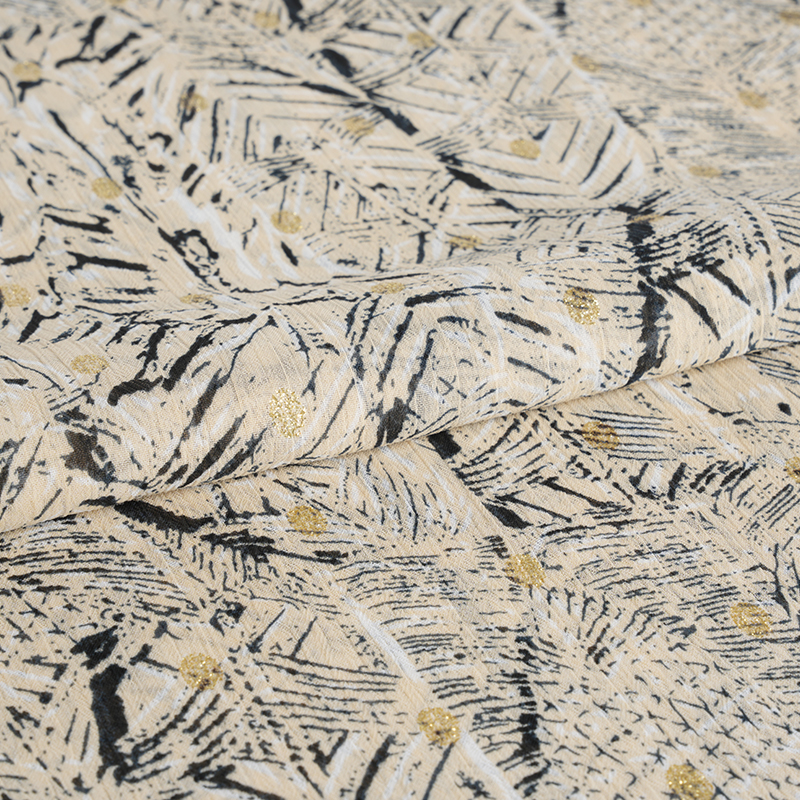
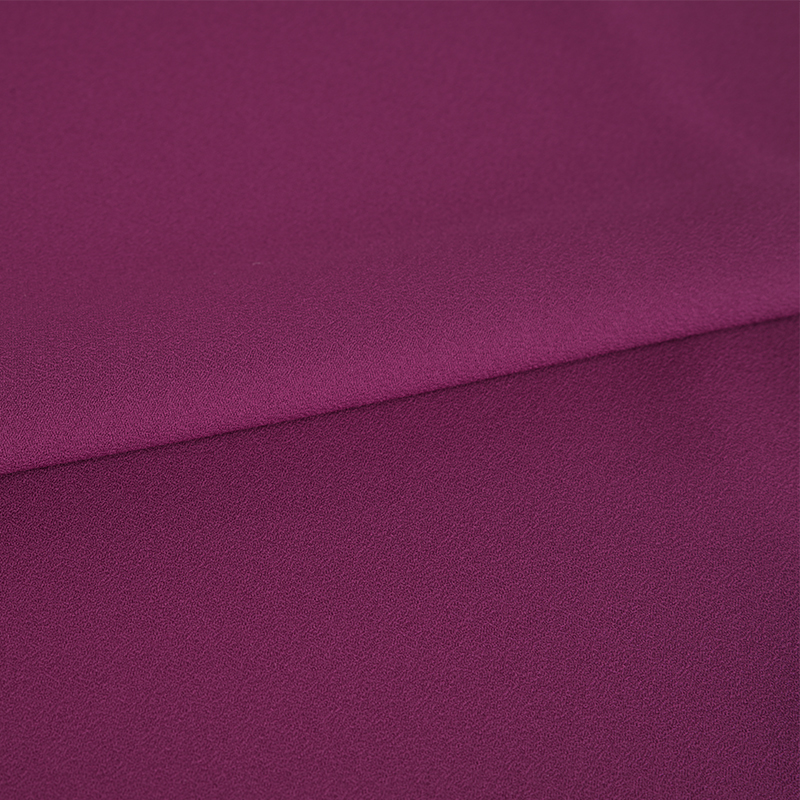 75D/2400T Mess Fabric for Structured DesignsA fine, high-twist fabric with a dense weave and slightly frosted surface. Offers a crisp drape and structural stability, suitable for jackets, skirts, and accessories.View Product →
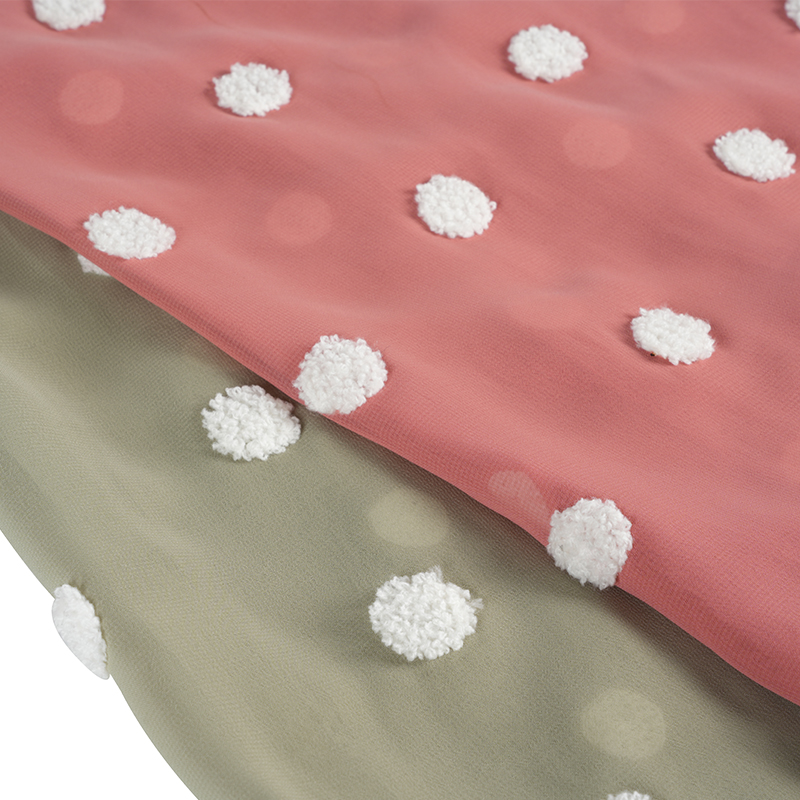
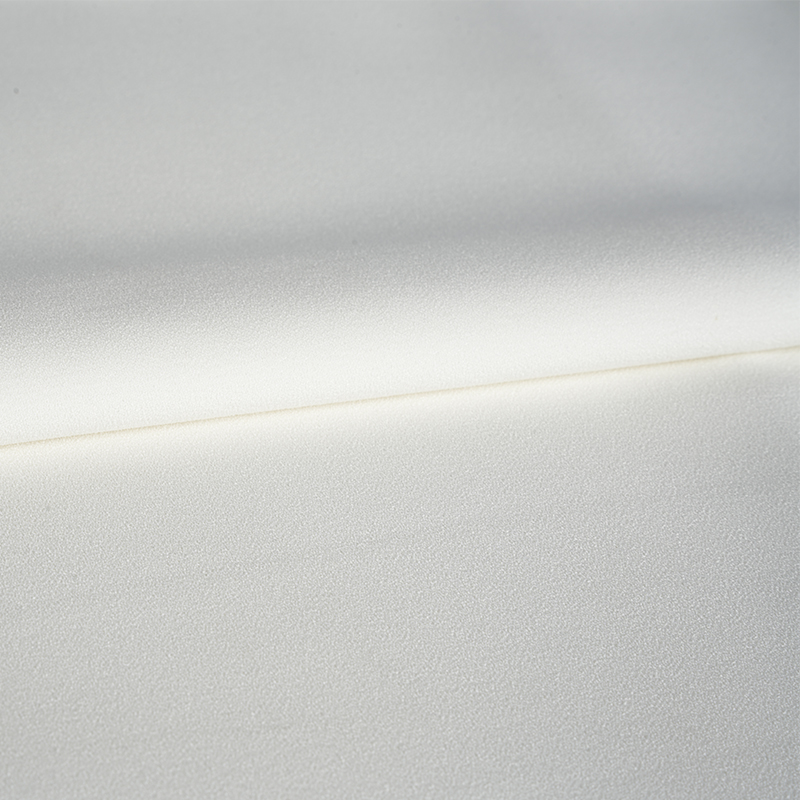 100D Four-Way Stretch Messy Linen FabricA woven fabric with warp and weft twisted yarns, featuring a natural slub texture and four-way stretch. Provides comfort, fit, and wrinkle resistance for dynamic garments.View Product →
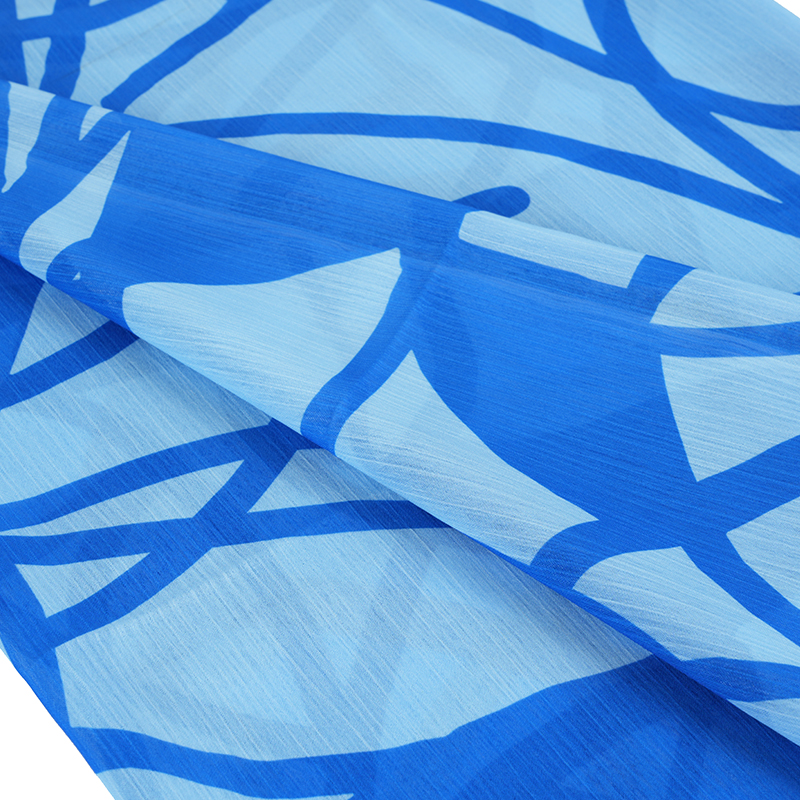
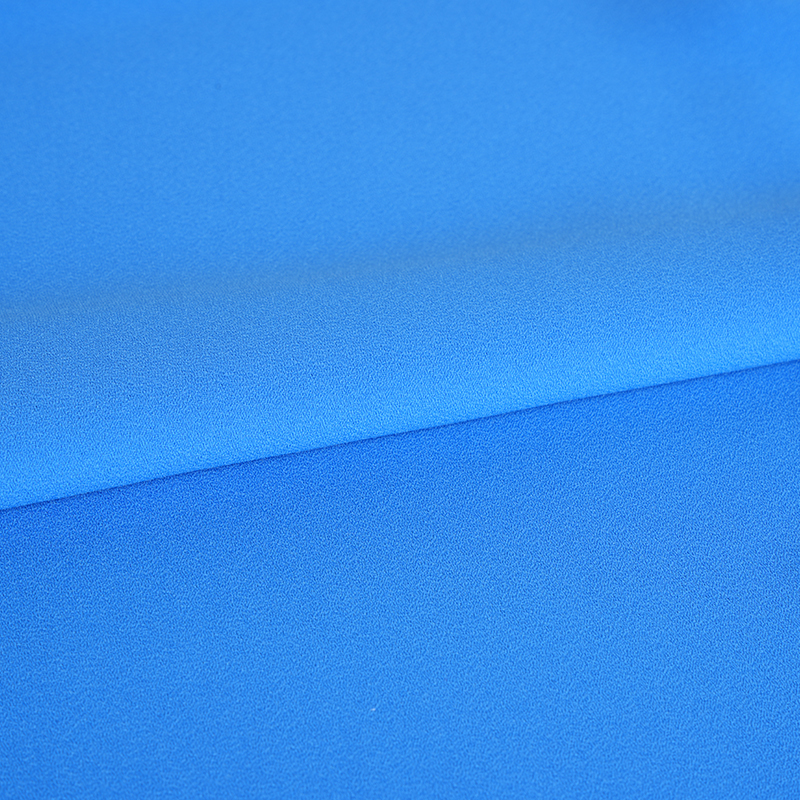 75D Messy Linen Fabric with High-Density WeaveA lightweight, textured chemical-fiber fabric with a slub-like surface, offering soft drape, wrinkle resistance, and quick drying. Ideal for spring/summer apparel seeking a natural look.View Product →
Choosing the right linen chiffon means balancing texture, weight, and aftercare expectations. Start with a clear end use, ask your supplier for technical data, and always compare production samples against your approved lab dips. A reliable mill will help you translate the slub effect of linen into a fabric that actually performs in your production line.
 Previous

 +86-81163100 / +86-13957571090
 Room B12148, Wanguo Center, No. 1388, Jinkeqiao Avenue, Keqiao, Shaoxing, Zhejiang, China