

 English
 中文简体
中文简体
CEY crepe fabric appears in more sourcing briefs than most buyers realize, yet it is often confused with ordinary polyester crepe. The difference matters in production: CEY yarn is a cationic-dyeable polyester that takes deep, saturated color at lower dyeing temperatures, while the crepe structure gives the cloth a subtle pebbled surface and a dry, matte hand.
For dresses, blouses, and light jackets that need to hold shape without clinging, CEY crepe is a practical first choice. This guide explains what defines the fabric, how it differs from standard crepe, and what to verify before you commit to an order.
What CEY crepe fabric actually is
CEY stands for cationic dyeable polyester yarn, often described in the trade as cationic ecological yarn. The polyester polymer is modified with a third monomer so that cationic dyes can bond with the fiber at lower temperatures than conventional disperse dyes. That chemical change shows up in three visible ways: richer color, a softer and silkier touch, and a muted luster that modern womenswear brands tend to prefer.
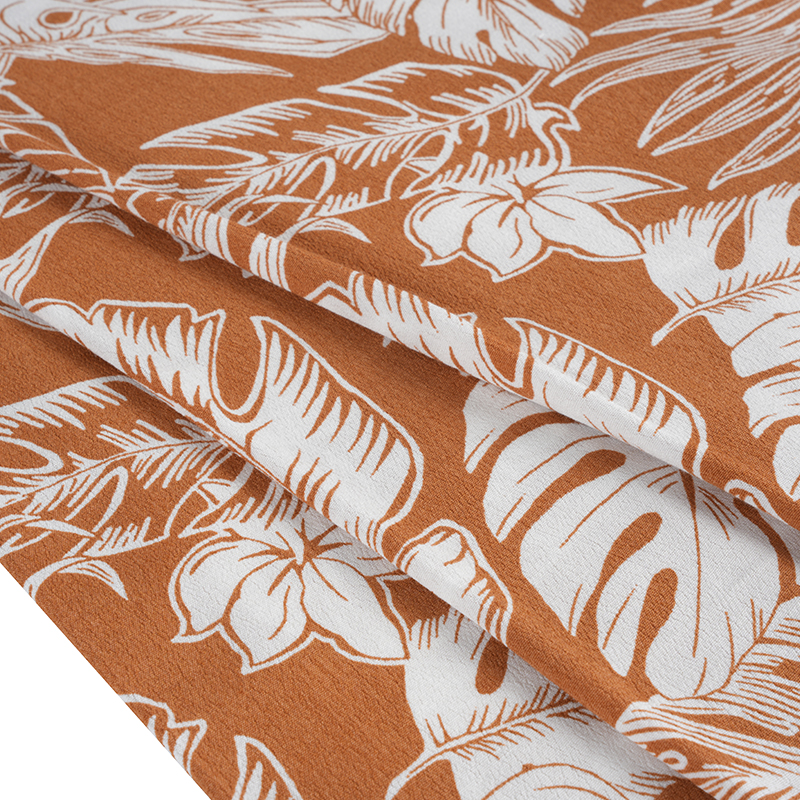
The crepe effect comes from the yarn structure and the weave. High-twist yarns are used in the construction, and during dyeing and finishing the fabric relaxes into a fine, irregular surface. The result is a lightweight cloth with good drape, low transparency, and excellent wrinkle recovery — unlike the shiny, stiff hand that many standard polyesters still carry.
| Property | Typical range |
|---|---|
| Composition | 100% cationic polyester (CDP) or cationic-polyester blends |
| Yarn denier | 180D warp with 180D weft is common; lighter versions start around 75D |
| Weave construction | Plain, 2/1 twill, and crepe de chine |
| Finished weight | 60 g/m² to 120 g/m² depending on construction |
| Finished width | 150 cm to 160 cm |
| Typical finishes | Dyeing, ice-silk finishing, printing, coating |
How CEY crepe compares with standard polyester crepe
Sourcing teams that specify CEY rather than accepting a generic polyester crepe usually do so because of measurable differences in the final garment. The table below summarizes the points that matter most at the sampling stage.
| Property | CEY crepe | Standard polyester crepe |
|---|---|---|
| Dye system | Cationic dyeable | Disperse dye |
| Color depth | Deep, saturated tones | Good, but dark shades can look flat |
| Hand feel | Soft, silk-like | Crisper, more synthetic |
| Luster | Matte, subdued | Often shiny |
| Drape | Fluid, follows body movement | Stiffer |
| Price point | Slightly higher | Lower |
| Common end uses | Dresses, blouses, hijabs, premium lining | Standard linings, casual garments |
What to check before placing a CEY crepe order
Buyers who skip these checks tend to discover problems at the garment production stage rather than at sourcing. The following list covers the specifications that have the strongest influence on finished quality.
- Yarn denier and composition. Confirm the exact denier and whether the cloth is 100% cationic polyester or a blend. A 180D fabric behaves differently from a 75D fabric in drape, weight, and opacity.
- Twist and crepe stability. The pebbled texture depends on twist setting. Ask for a wash test result that proves the surface stays even after laundering.
- Colorfastness. Cationic dyes give depth, but lightfastness and rub fastness must be checked, especially for black, navy, and saturated reds.
- Shrinkage. Crepe fabrics relax in the wash. Request shrinkage data taken after finishing, not from greige cloth.
- Finish type. An ice-silk finish adds a cool touch and extra smoothness, which changes the garment feel. Confirm which finish your sample represents.
Why CEY crepe is worth the slightly higher price
CEY crepe costs more than standard polyester crepe at the greige stage, but the higher material cost is usually recovered downstream. The fabric's drape and color depth allow brands to avoid the extra treatments often used to make ordinary polyester feel more natural. In production, the stable construction reduces problems with seam puckering and uneven dyeing, which means fewer rejected panels and less rework.
For suppliers that run womenswear and hijab programs, CEY crepe also simplifies inventory planning. One base fabric can cover plain dyeing, printing, and multiple finishing variations.
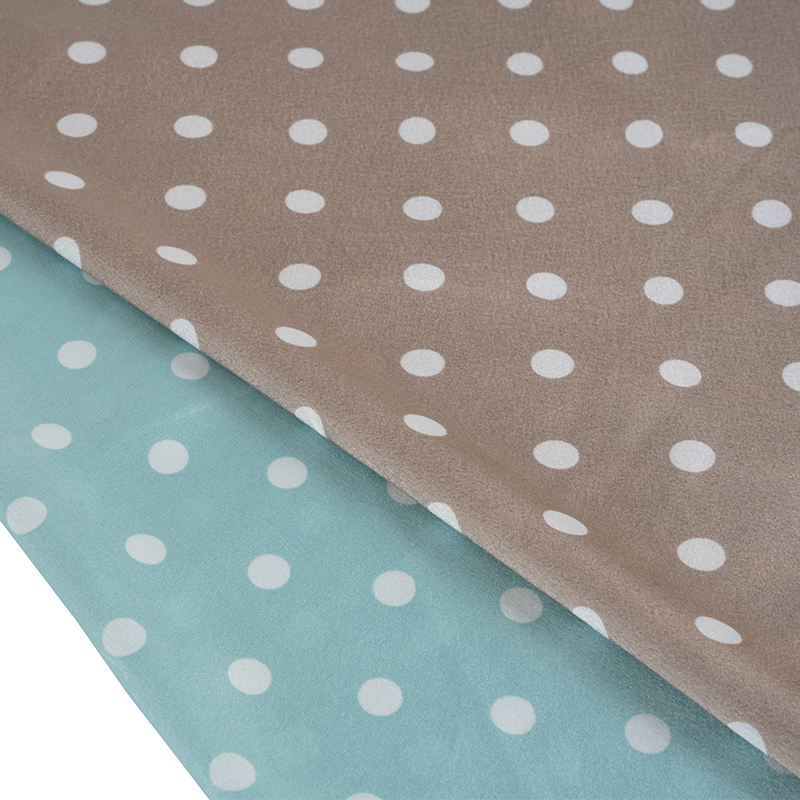
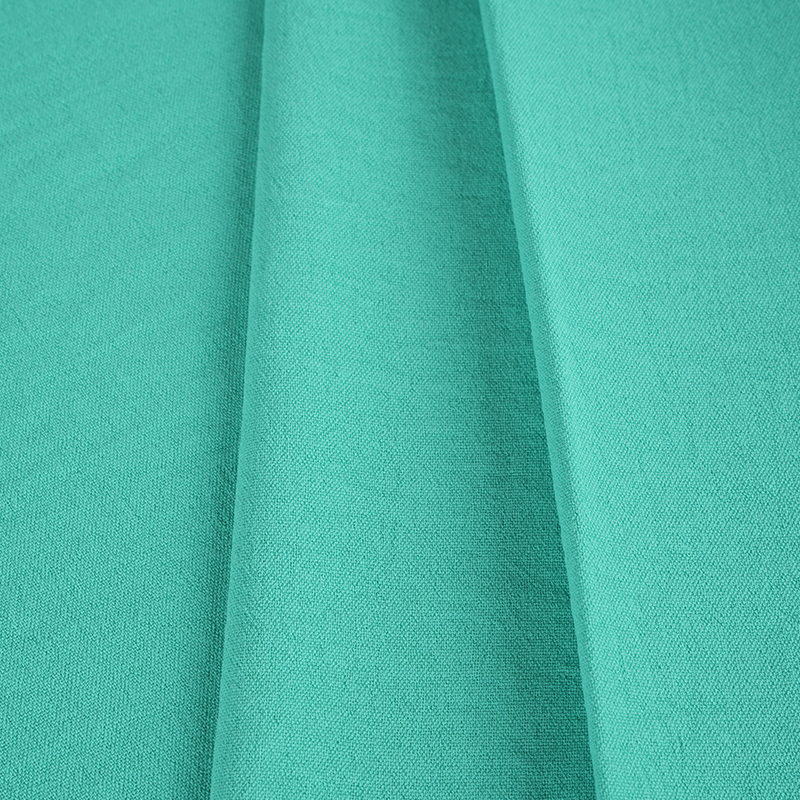 Plain CEY Woven Fabric with Elastic Core-Spun YarnThis plain-weave CEY fabric offers a smooth, uniform surface and stable dyeing, making it a practical base for dresses and hijabs that need a clean, neutral look.View Product →
The plain CEY fabric in our range handles both solid dyeing and digital printing, which makes it a common starting point for dress programs that need a clean, neutral base.
Common end uses and garment behavior
Dresses and blouses are the most frequent end uses for CEY crepe. The fabric offers enough opacity for daywear without the stiffness of heavier wovens. It also performs well in cuts that rely on movement: bias skirts, gathered sleeves, and tiered dresses hold their shape because the crepe surface prevents sticking and sliding.
In Muslim-wear production, CEY crepe is popular for lightweight hijabs and undercaps because it sits well on the head, does not slip easily, and keeps a neat drape after adjusting. Some manufacturers also use CEY crepe as a premium lining for lightweight jackets, where its matte surface prevents the lining from showing through the outer shell.
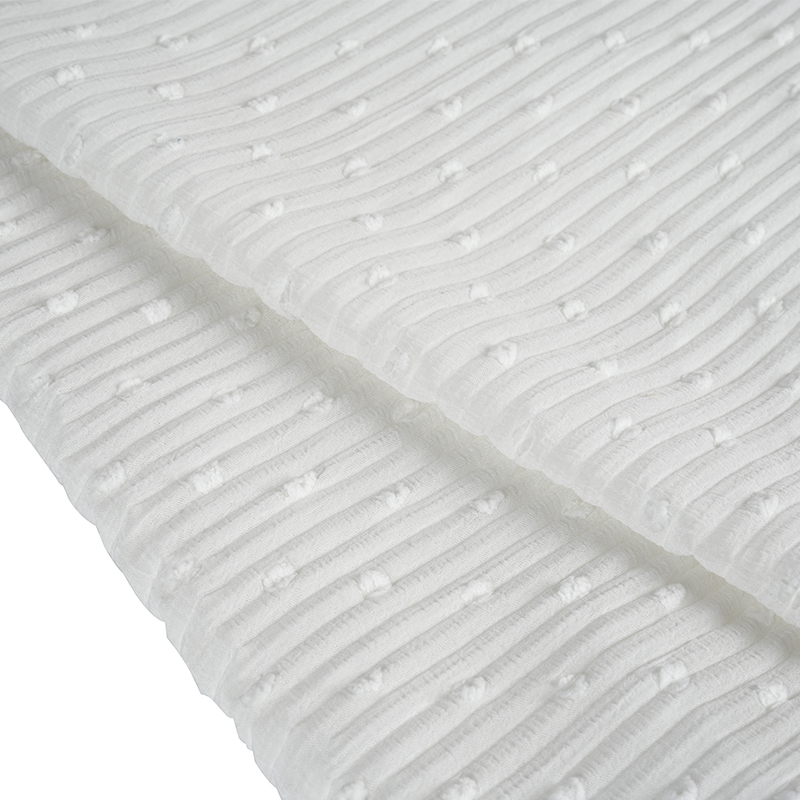
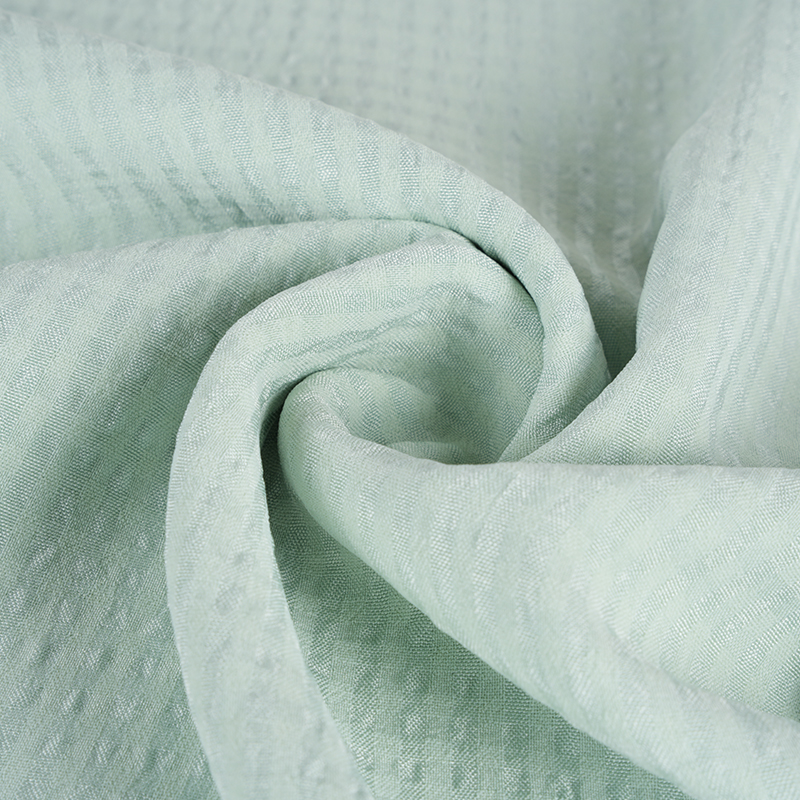 180D CEY Ice Silk Crepe de Chine FabricThis crepe fabric combines a cool touch with a textured surface, ideal for summer blouses, dresses, and hijabs. Its wrinkle resistance and skin-friendly feel enhance comfort.View Product →
The 180D CEY ice silk crepe de chine version adds a cooler touch and a smoother surface, which suits summer blouses, dresses, and hijab programs that need a more luxurious hand.
CEY crepe variations buyers ask for
Three constructions cover the majority of requests we see in daily sourcing inquiries. Each one suits a different garment silhouette, so the choice should follow the end use rather than the price alone.
| Construction | Best for | Key trait |
|---|---|---|
| Plain CEY | Dyed basics, print base | Balanced drape, easy to sew |
| 2/1 twill CEY | Jackets, trousers, heavier blouses | Diagonal texture, more body |
| Ice silk crepe de chine | Summer dresses, hijabs | Cool touch, smooth surface |
Of these, the 2/1 twill is the one buyers often overlook until they test it. The diagonal structure adds strength and reduces transparency, so it works well for garments that need more body than a plain crepe can give. When you compare quotes, make sure the twill direction and yarn count match your approved sample.
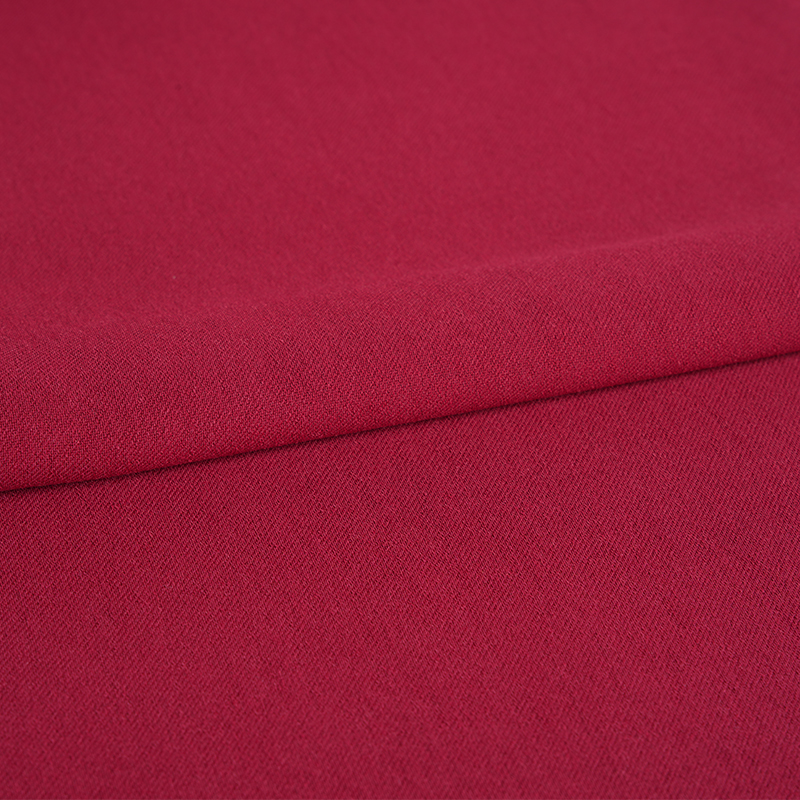 180D CEY 2/1 Twill Woven FabricWith a diagonal twill structure, this fabric adds strength and reduces transparency, making it suitable for shirts, skirts, and pants that require more body and durability.View Product →
How to evaluate a CEY crepe sample
Evaluating a CEY crepe sample does not require a laboratory. Start by requesting a sample in the same color as your final order, because surface feel and opacity change with shade depth. Feel the fabric with your palm, then watch how it moves in natural light. A quality CEY crepe should feel dry but soft, and its pebbled surface should look even rather than blotchy.
Run a simple wash test at the temperature your care label will use. Look for three outcomes: the crepe surface should remain even, the edges should not twist excessively, and the dye should not bleed. Measure the sample's actual weight and width independently. Greige and finished widths can differ by more than 10 cm, and that difference directly affects fabric consumption and garment cost.
- Review the shade against a daylight source at a 45-degree angle.
- Wash at the garment care temperature and check shrinkage after line drying.
- Stretch a small piece by hand to verify recovery and twist stability.
- Compare the finished width with the greige width to calculate real consumption.
Sourcing CEY crepe from a specialist supplier
Not every polyester fabric supplier treats CEY as a separate product line. Because CEY yarn requires different dyeing conditions and careful twist control, a mill needs dedicated experience to keep shade consistency across repeat orders. When you review a supplier, ask how many CEY contracts they run per year and whether they can lock the same construction specification from one season to the next.
At Shaoxing Yongjun Textile Co., Ltd., CEY crepe is produced as an established part of the lady fabric range, with options spanning plain, twill, and ice-silk crepe de chine. You can compare the constructions in our full CEY fabric range before requesting samples. If you are also evaluating lightweight crepe options for coordinated programs, our chiffon fabric guide explains how crepe de chine relates to other sheer summer wovens.
CEY crepe is not a niche decorative fabric; it is a reliable production material for womenswear, hijabs, and lightweight lining. Its real advantages appear only when the yarn, twist, and dyeing are handled consistently: deep color, a soft hand, and a stable crepe structure. Start with an approved sample in your final color, verify the construction details, and choose a supplier that can reproduce the same cloth at scale.
 Previous

 +86-81163100 / +86-13957571090
 Room B12148, Wanguo Center, No. 1388, Jinkeqiao Avenue, Keqiao, Shaoxing, Zhejiang, China