
 English
 中文简体
中文简体
When you turn a tailored jacket inside out, the lining often carries a pattern that repeats through the weave. That is jacquard lining: a fabric whose design is created during weaving, not printed on the surface. Unlike plain or twill linings, jacquard lining gives garments a finished, dressmaker look while retaining the slip and durability needed for daily wear. The choice becomes especially important for outerwear, blazers, and dresses where both appearance and function are on display.
What Actually Makes a Lining “Jacquard”?
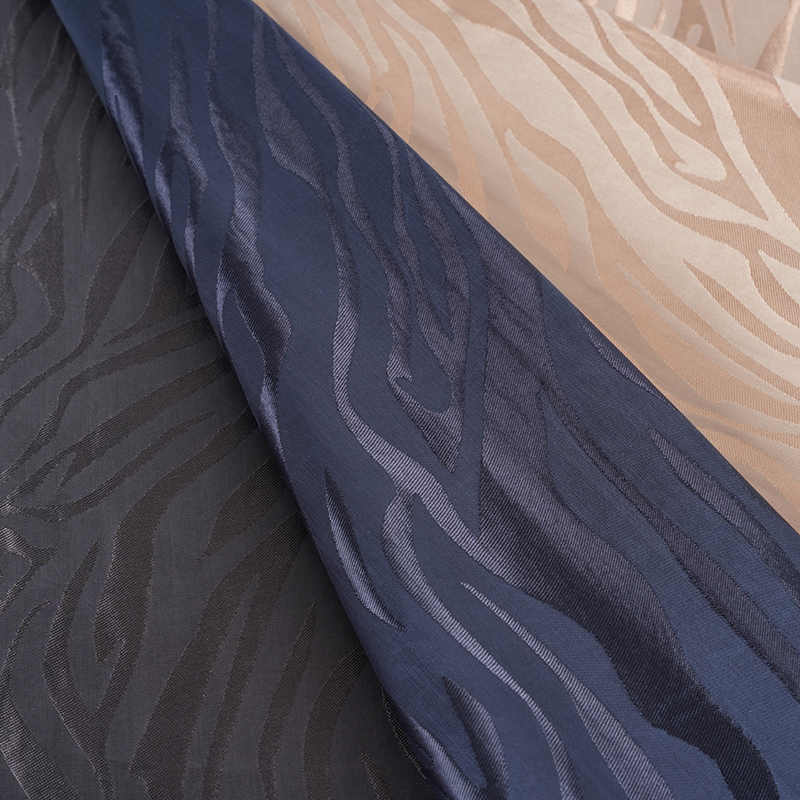
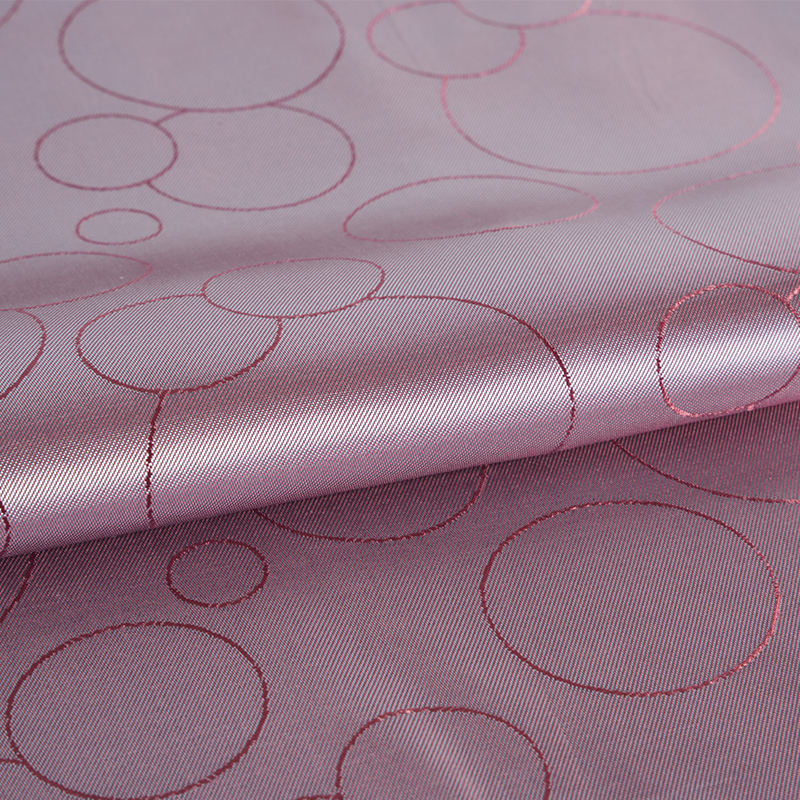
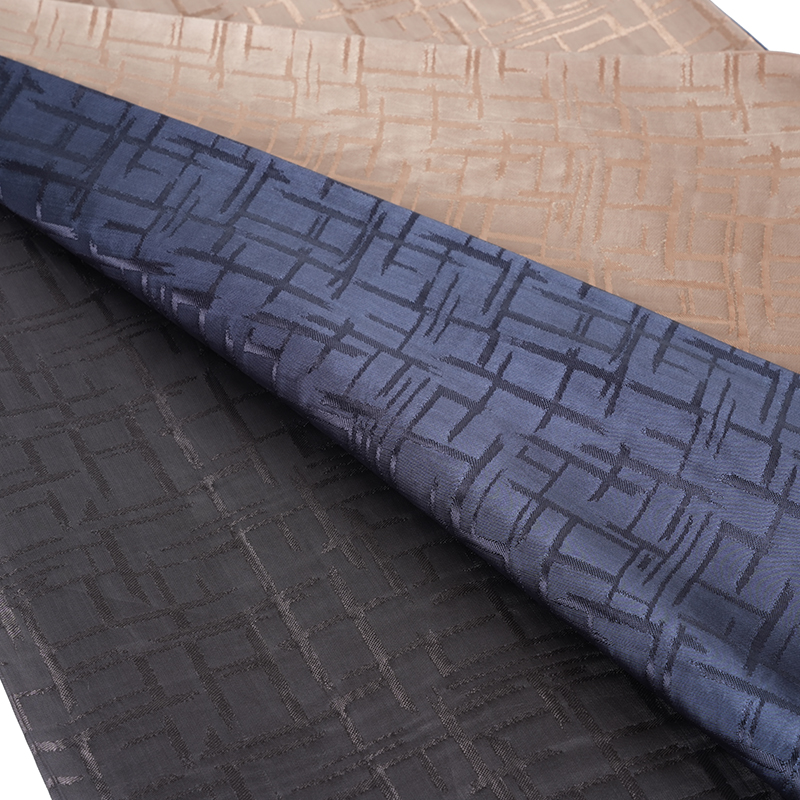
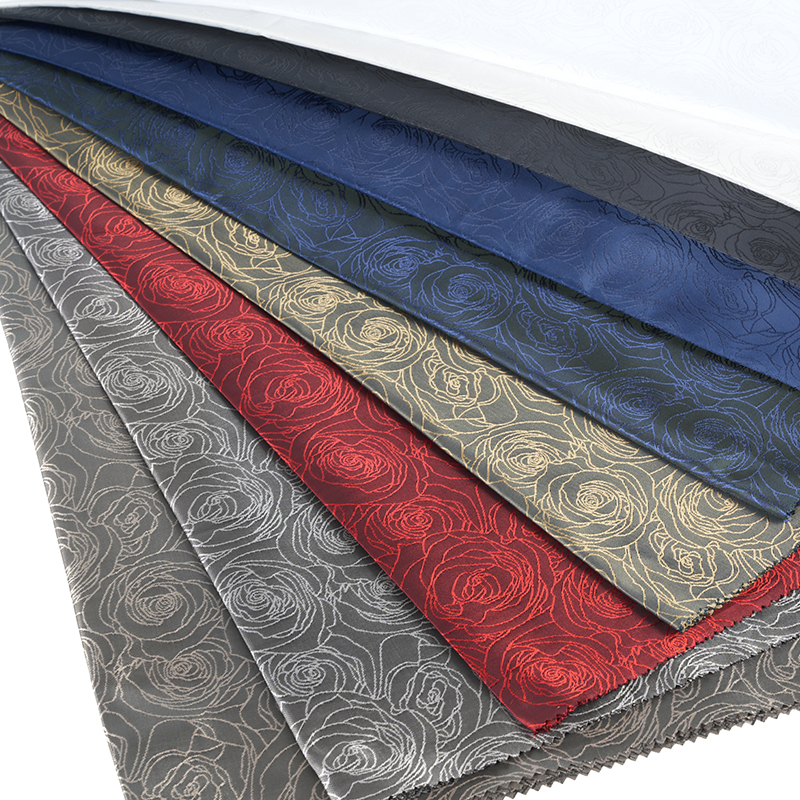
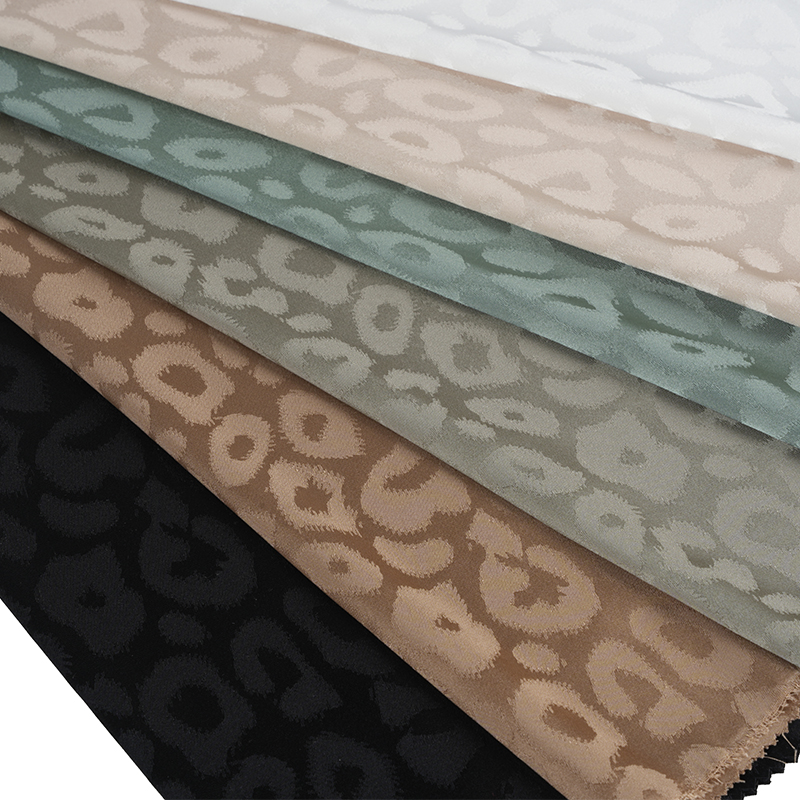
Jacquard refers to a weaving method that controls each warp thread individually, allowing complex patterns to be woven directly into the fabric. A lining called “jacquard” is therefore a patterned woven lining, as opposed to a printed lining where the pattern sits on the surface and can fade or crack over time. The most common designs are small geometric motifs, floral repeats, and tonal damask effects.
On a loom, the jacquard mechanism uses punched cards or electronic controls to raise individual warp threads, producing a design with both color and texture. This is different from dobby weaves, which use simpler patterns. The resulting lining has a raised or recessed pattern that can be felt as well as seen, giving garments a tactile refinement that printed versions cannot replicate.
Why Choose Jacquard Lining? Key Benefits
Jacquard lining is not merely decorative. It offers several practical advantages for garment makers:
- Durability without extra weight. Because the pattern is structural, it does not wear off, even after repeated dry cleaning. A good jacquard lining can outlast printed equivalents in high-friction areas such as sleeves.
- Better moisture management. Many jacquard linings are made with viscose or rayon blends, which absorb moisture more effectively than basic polyester taffeta. This helps the wearer feel less clammy inside a lined jacket.
- Slippery hand feel. Despite the textured pattern, a well-constructed jacquard lining remains smooth enough to let the garment slide over blouses or trousers.
- Aesthetic differentiation. For brands that sell to mid-range and premium markets, a jacquard lining is an immediate signal of quality. It is often the first thing a customer notices when inspecting an inside label.
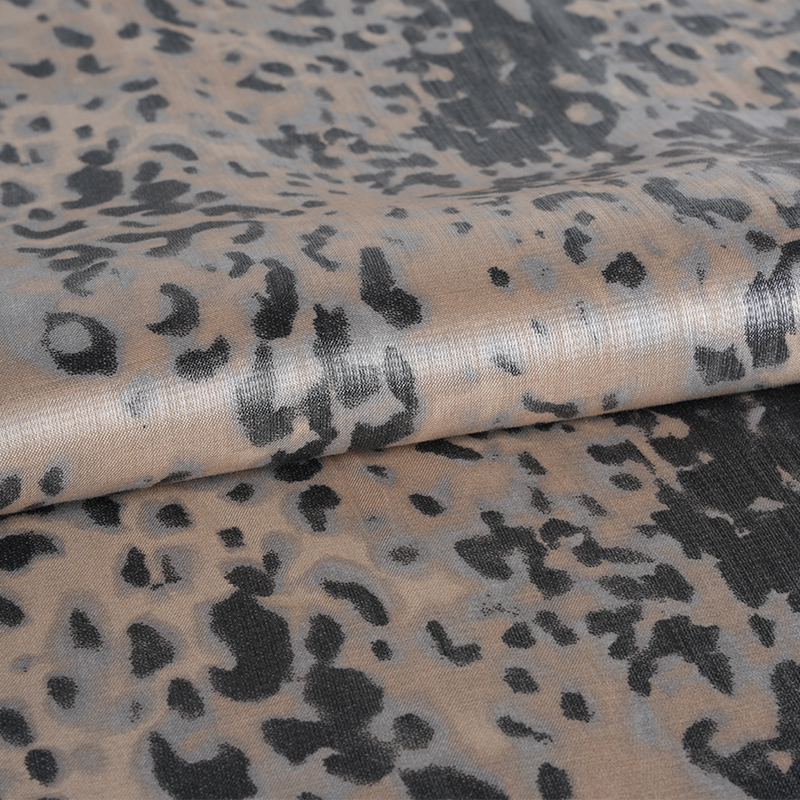
For these reasons, jacquard linings are standard in high-end suits, tailored coats, and designer dresses. A polyester cationic water-ripple jacquard, for example, adds visual interest while keeping the lining lightweight and easy to maintain.
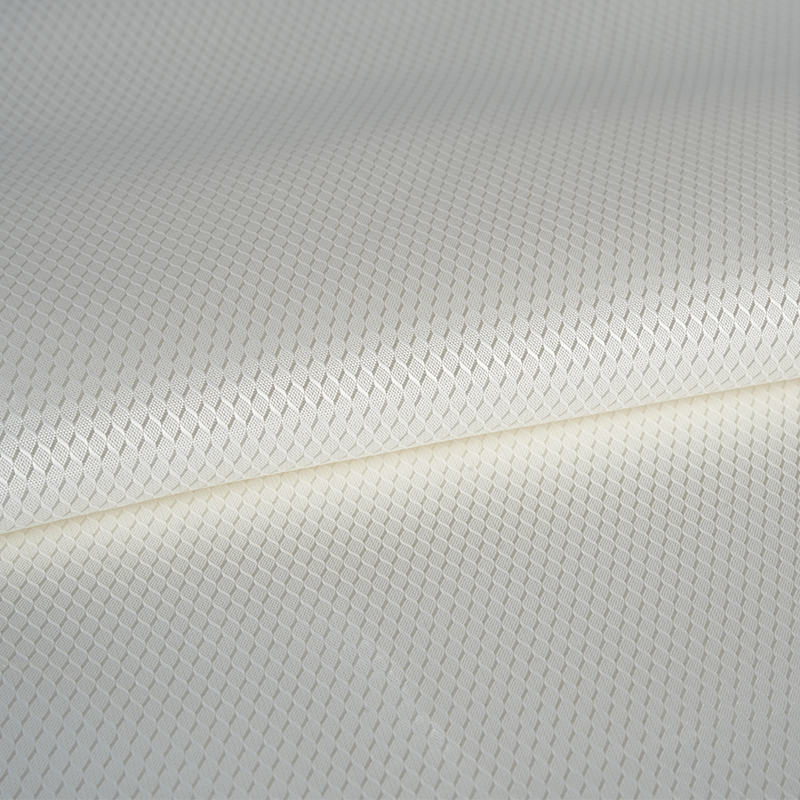 Polyester Cationic Water Ripple Jacquard Lining FabricThis lining combines cationic dyeing with jacquard weaving for a water-ripple texture that adds subtle dimension. It suits mid-to-high-end suits, coats, and down jackets while remaining lightweight and easy to care for.View Product →
Where Jacquard Lining Is Used in Apparel
Jacquard lining appears across a wide range of garments because it combines structure with comfort. For a deeper look at how lining structures affect garment performance, see our article on plain lining versus twill lining.
- Suits and blazers: gives a tailored jacket a crisp inner silhouette and a distinctive look when the jacket is opened.
- Coats and outerwear: heavier jacquard linings add warmth without bulk and resist snagging on rough outer layers like wool.
- Dresses and skirts: viscose or acetate jacquard linings provide a soft, static-free layer under flowing fabrics.
- Handbags and accessories: the same woven structure is used in small leather goods and cosmetic pouches, where abrasion resistance matters.
The weight of the lining should match the garment style. A lightweight polyester jacquard works for blouses, while a mid-weight viscose or rayon jacquard is better for autumn coats.
How to Select the Right Jacquard Lining
Choosing the right jacquard lining starts with the fiber, then the weight, and only then the pattern.
Fiber Composition
Polyester jacquard is the most economical and easiest to maintain. It has good color fastness and resists shrinking, but may feel less breathable for heavy jackets. Viscose (rayon) jacquard is softer and more absorbent, making it an excellent choice for garments worn close to the body; the textured weave also adds a slightly silkier hand than plain viscose. Acetate jacquard offers a smooth, luxurious drape and is often used in high-end outerwear, though it requires more careful dry cleaning. A PV (polyester/viscose) jacquard balances durability with comfort, which is why many manufacturers choose it for everyday tailored wear. For a complete range of polyester options, you can browse our poly jacquard lining collection.
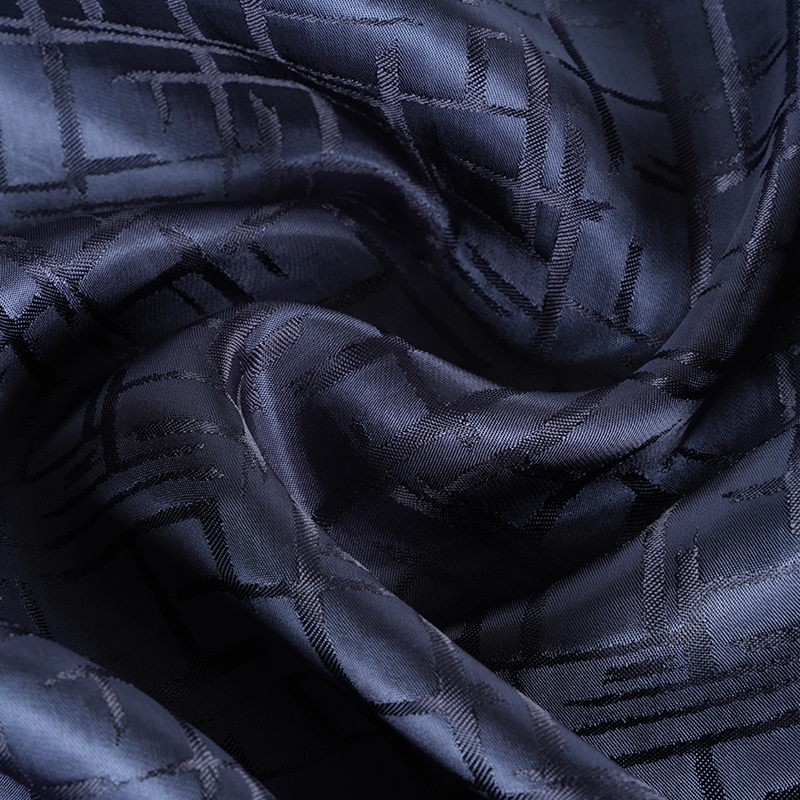 75D Exquisite Viscose Jacquard LiningA breathable, soft viscose jacquard lining with an elegant woven pattern and gentle luster. Its moisture-wicking comfort and delicate feel make it ideal for garments worn close to the skin.View Product →
Weight and Handfeel
A lining’s weight is expressed in grams per square meter (gsm). Lightweight jacquard linings around 60–80 gsm are suitable for shirts and dresses. Medium weights of 90–120 gsm work for blazers and light coats. For winter outerwear, 130 gsm and above provides more structure and warmth. Always test the lining with the outer fabric: the lining should not add bulk or restrict movement.
Pattern Scale and Placement
Pattern scale affects both appearance and cutting efficiency. Small, all-over motifs are easiest to cut and match at seams. Large, isolated motifs may require fabric placement, increasing waste. For production, it is wise to choose a pattern that repeats evenly, such as a small diamond or a narrow stripe, to keep marker efficiency high. Also check that the pattern is woven squarely; a skewed pattern can cause garment panels to twist.
Quality and Procurement Checklist
Before placing a bulk order, use this checklist to evaluate jacquard lining samples:
- Color fastness: run a wet rub test to ensure the dye does not transfer to the outer fabric.
- Shrinkage: wash or dry-clean a sample according to your garment’s care label. The lining should shrink no more than 1–2%.
- Slip resistance: a lining that slips too much can cause seams to pucker. Check at the armhole and hem.
- Static build-up: synthetic linings may generate static. Choose a viscose or acetate blend for garments worn over knitwear.
- Pattern registration: verify that the jacquard design lines up cleanly across the width, especially for stripes or checks.
The table below compares the most common jacquard lining fibers.
| Fiber | Typical Weight (gsm) | Hand Feel | Best Suited For | Care Considerations |
|---|---|---|---|---|
| Polyester | 60–110 | Crisp, smooth | Blazers, budget-friendly garments | Machine washable, low shrink |
| Viscose | 80–130 | Soft, breathable | Dresses, suits, outerwear | Dry clean recommended |
| Acetate | 90–140 | Luxurious, draping | Premium coats, eveningwear | Dry clean only |
| PV blend | 70–120 | Balanced, comfortable | Everyday tailored wear | Gentle wash or dry clean |
A well-balanced PV jacquard lining, such as a water-ripple weave, is a reliable workhorse for many apparel programs because it combines the easy care of polyester with the breathability of viscose.
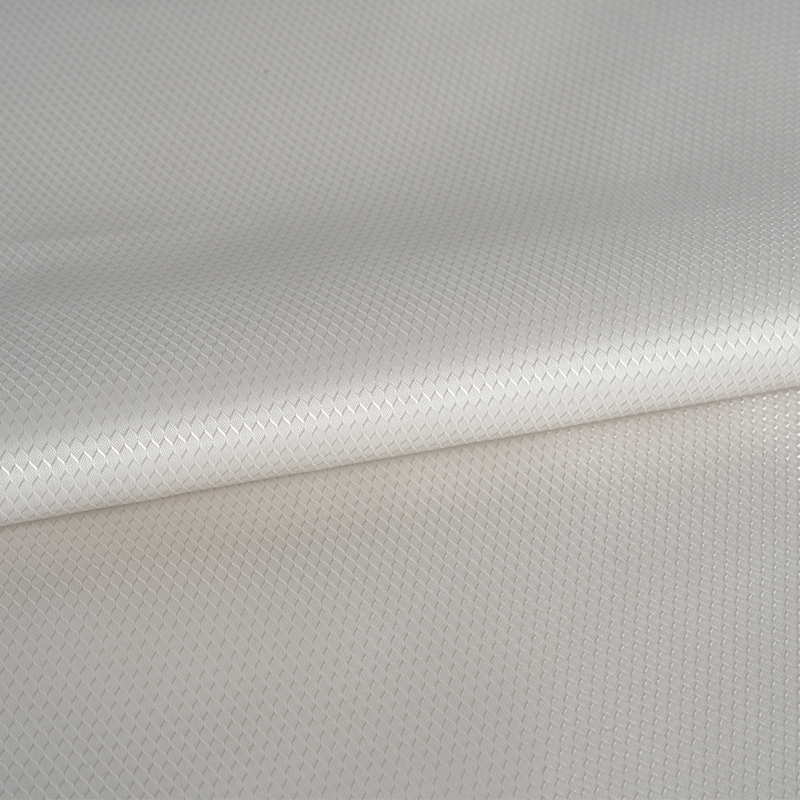 PV Water Ripple Fabric (52% Polyester, 48% Viscose)A balanced polyester-viscose blend with a dynamic water-ripple texture. At 80–83 gsm, it offers durability, breathability, and a smooth hand, suitable for fashion, home décor, and upholstery.View Product →
Jacquard lining is more than a decorative upgrade; it is a functional choice that affects how a garment wears, moves, and survives the years. By specifying the right fiber and weight, and by checking simple quality indicators, you can avoid the pitfalls of fading, shrinking, or stiff hand feel. For your next tailored collection, request samples of woven jacquard linings and evaluate them alongside your outer fabrics. The decision is straightforward once you know what to look for.


 +86-81163100 / +86-13957571090
 Room B12148, Wanguo Center, No. 1388, Jinkeqiao Avenue, Keqiao, Shaoxing, Zhejiang, China