
 English
 中文简体
中文简体
What is Viscose Fabric?
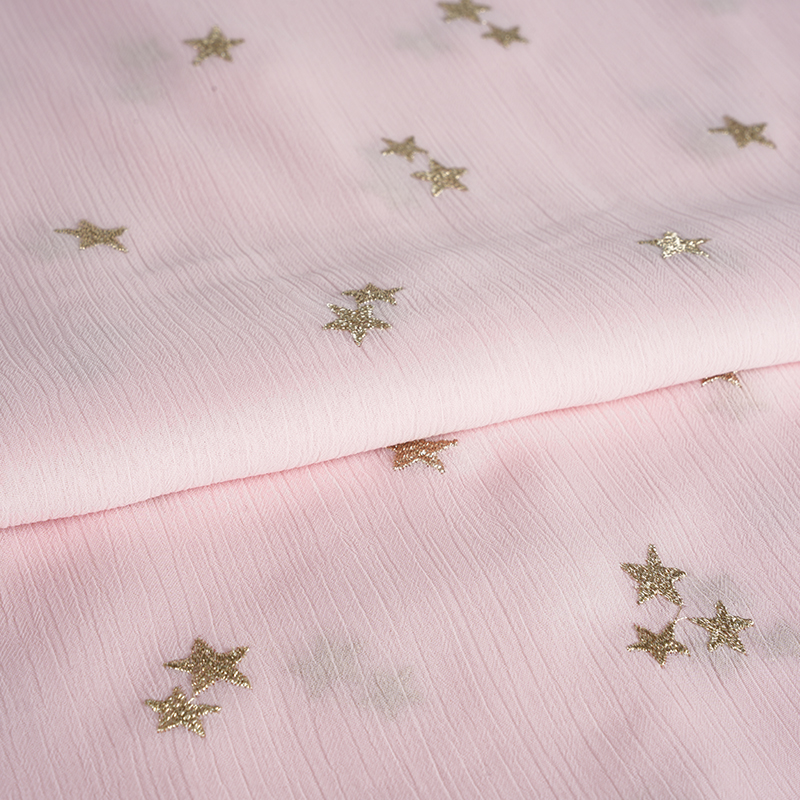
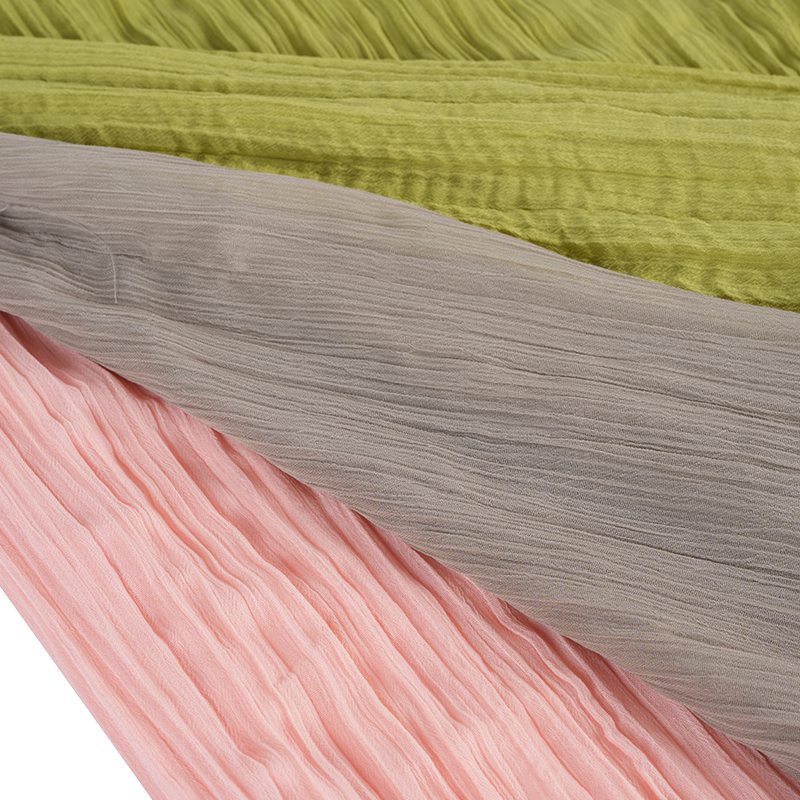
Viscose fabric, also known as rayon, is a semi-synthetic textile made from natural cellulose, primarily derived from wood pulp. It is one of the most versatile fabrics used in the textile industry, known for its soft texture, breathability, and ability to mimic natural fibers like silk, cotton, and linen. While viscose fabric is not as fully natural as cotton, its primary component, cellulose, is sourced from trees, making it a renewable resource.
Properties of Viscose Fabric
Viscose fabric has a variety of properties that make it suitable for many different applications. These include:
- Softness: Viscose has a silky feel, making it comfortable to wear for long periods.
- Breathability: The fabric is highly breathable, making it suitable for warm weather clothing.
- Moisture Absorbency: Viscose absorbs moisture well, which helps in keeping the body dry and comfortable.
- Drape: Viscose has a good drape, making it ideal for elegant and flowy garments like dresses and skirts.
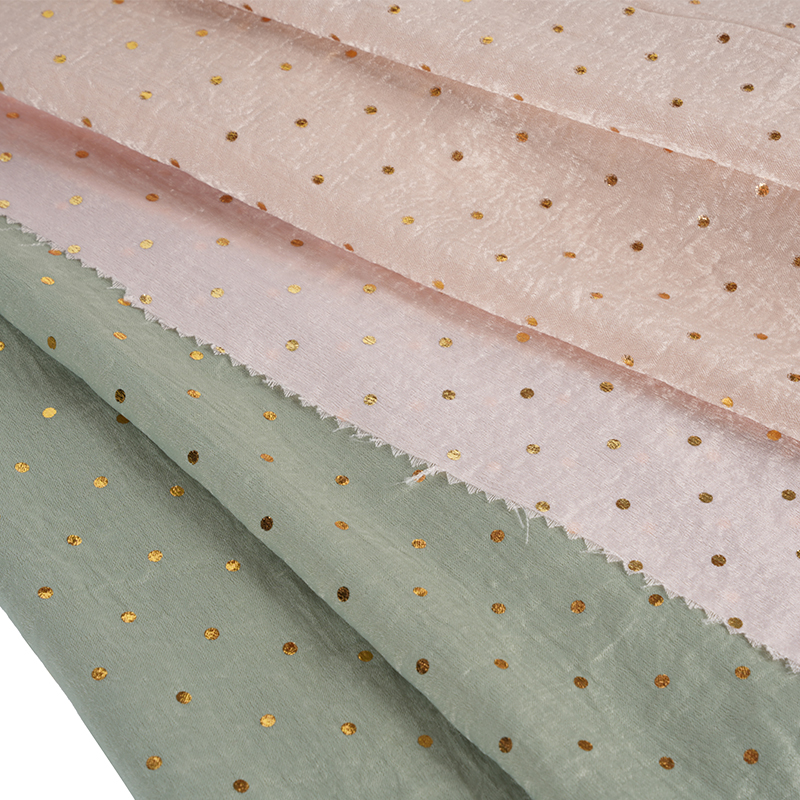
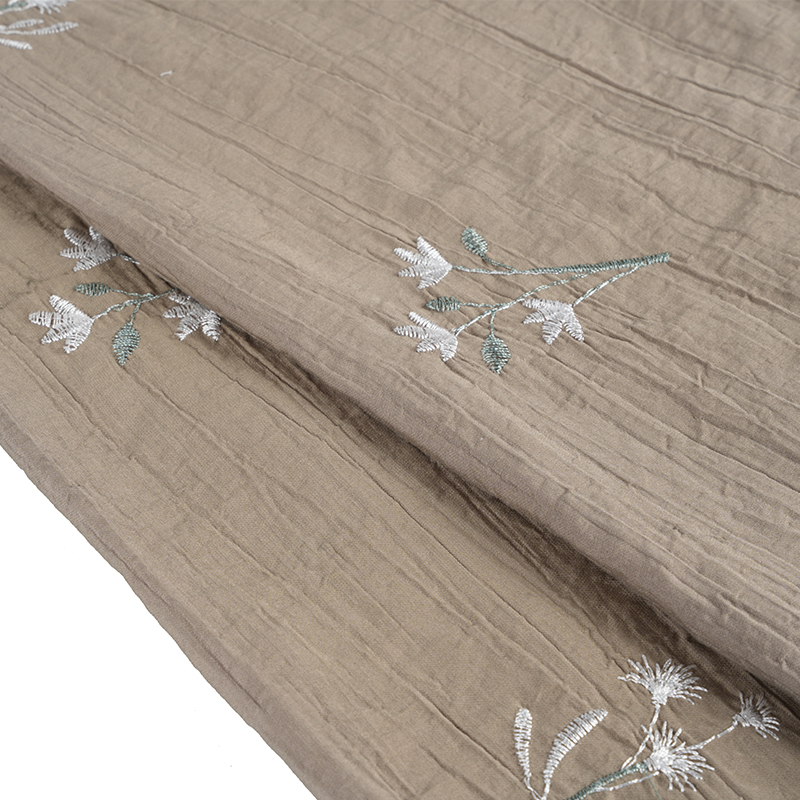
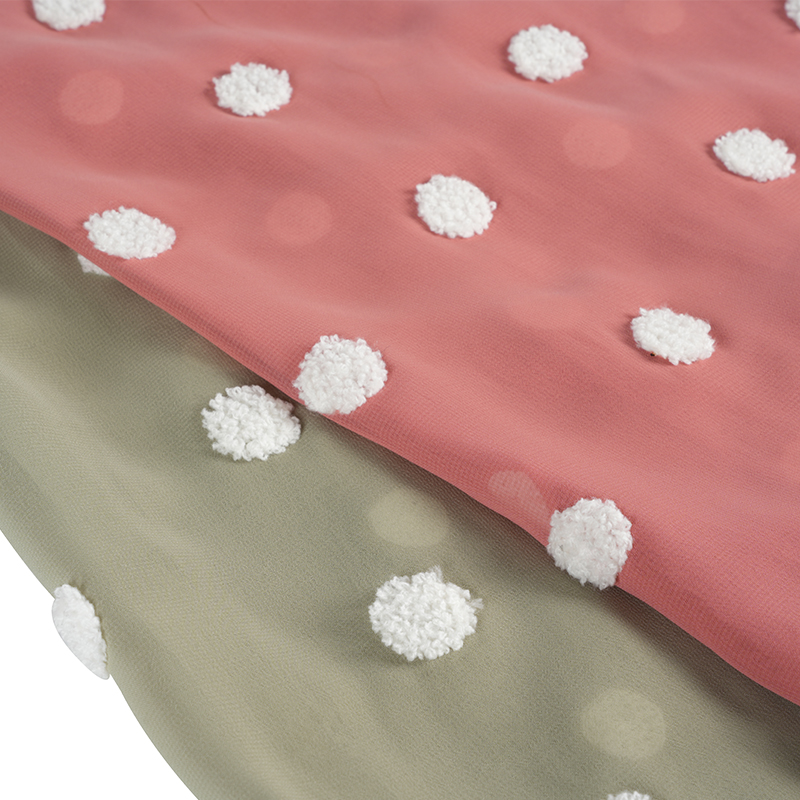
- Dye Affinity: Viscose takes dyes well, which makes it available in a wide range of colors and patterns.
- Luster: The fabric has a natural shine that gives it an elegant and luxurious look.
Viscose Fabric Manufacturing Process
The process of making viscose fabric involves several steps, starting from the extraction of cellulose from wood pulp to the final weaving of the fabric. The key stages of production are:
- Cellulose Extraction: Wood pulp is treated with sodium hydroxide and carbon disulfide to dissolve it and form a viscous solution.
- Spinning: The viscose solution is spun into fibers, which are then treated to improve their strength and flexibility.
- Weaving: The fibers are woven into fabric, which can then be dyed or printed according to design specifications.
Types of Viscose Fabric
There are several types of viscose fabric, each with unique characteristics that make them suitable for different applications:
- Regular Viscose: A smooth, soft fabric often used in casual clothing and home textiles.
- Modal: A type of viscose that is softer, stronger, and more durable than regular viscose. It is often used for high-quality clothing.
- Lyocell: A more eco-friendly version of viscose, produced in a closed-loop process that recycles water and solvents.
- Bamboo Viscose: Made from bamboo pulp, it is similar to regular viscose but is considered more sustainable and eco-friendly.
Applications of Viscose Fabric
Viscose fabric is used in a wide range of applications across various industries. Its versatility and comfort make it suitable for:
- Clothing: Viscose is commonly used for making dresses, blouses, shirts, and skirts due to its softness, drape, and breathable properties.
- Lining Fabrics: Viscose is often used as a lining material for coats, jackets, and formal garments.
- Home Textiles: Curtains, bed linens, and upholstery fabrics are also commonly made from viscose because of its smooth texture and dyeing qualities.
- Sportswear: Certain sportswear, like yoga pants and activewear, are made from viscose for its softness and moisture-wicking ability.
Advantages of Viscose Fabric
Viscose fabric offers several notable advantages, including:
- Eco-Friendly Options: Some types of viscose, like bamboo viscose and lyocell, are considered more environmentally sustainable.
- Affordable: Viscose is more affordable compared to natural fibers like silk, making it a cost-effective alternative.
- Comfortable: The fabric is lightweight, breathable, and soft, making it highly comfortable to wear.
Care and Maintenance of Viscose Fabric
While viscose fabric is delicate, proper care and maintenance can extend its life. Here are some tips for keeping your viscose garments in great condition:
- Wash with Care: Always hand wash or machine wash viscose garments on a gentle cycle with cold water to prevent damage.
- Avoid Wringing: Do not wring out viscose garments, as it can cause them to lose their shape.
- Dry Flat: Lay the garments flat to dry, as hanging them can distort their shape.
- Iron on Low Heat: Use a low-heat iron to remove wrinkles, as high heat can damage the fabric.
 Previous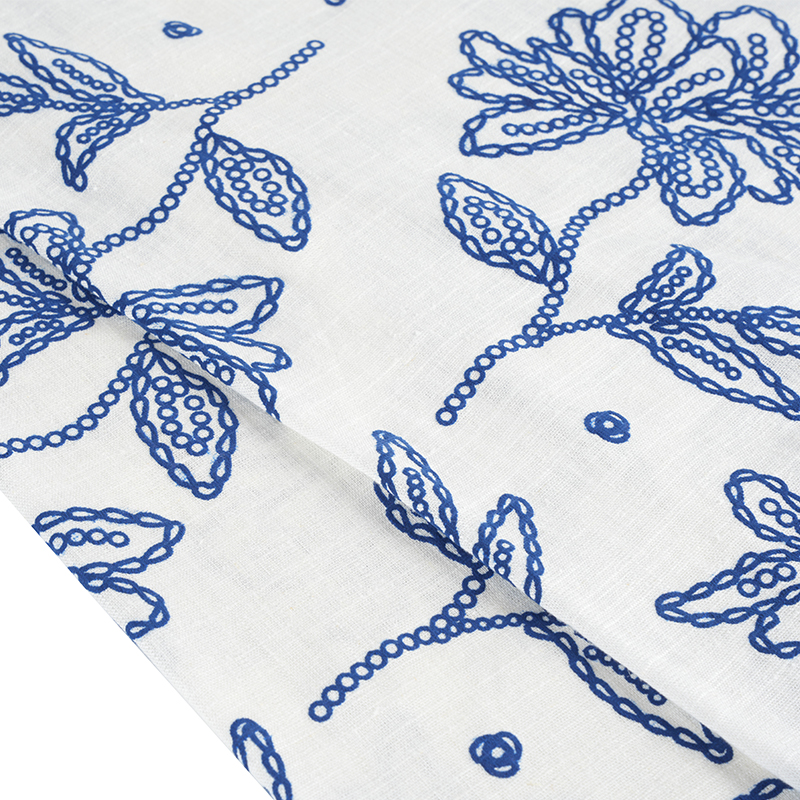

 +86-81163100 / +86-13957571090
 Room B12148, Wanguo Center, No. 1388, Jinkeqiao Avenue, Keqiao, Shaoxing, Zhejiang, China