
 English
 中文简体
中文简体
What is Rayon Fabric?
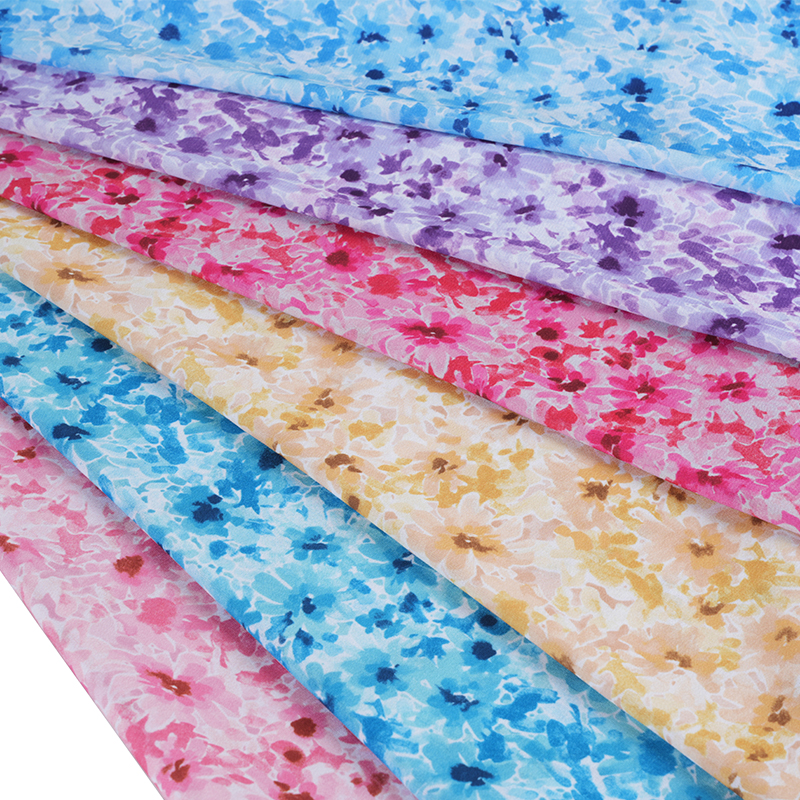
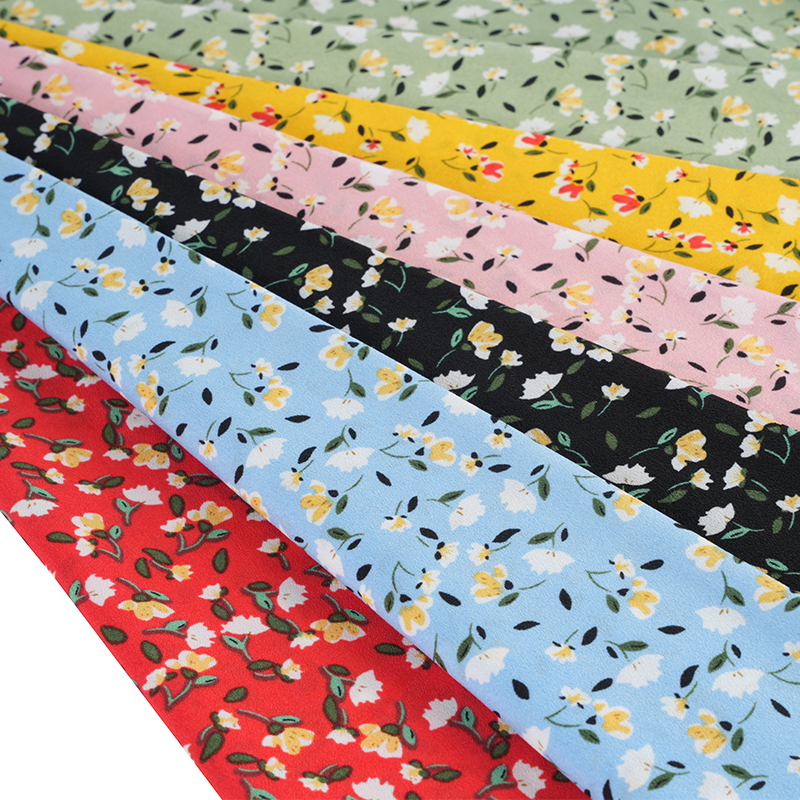
Rayon fabric, often referred to as "artificial silk," is a semi-synthetic textile made from regenerated cellulose fibers derived from natural sources like wood pulp, cotton linters, or bamboo. Despite being created from natural materials, the process of turning cellulose into fiber involves synthetic chemicals, making rayon a hybrid between natural and synthetic fibers. The fabric is prized for its soft feel, smooth texture, and versatility, which make it suitable for a wide variety of applications in the fashion and textile industries.
Benefits of Rayon Fabric
Rayon fabric is popular for its unique set of qualities that make it a desirable material in both clothing and home textiles. Some of the key benefits of rayon include:
- Soft and Comfortable: Rayon is known for its silky texture, making it comfortable to wear, especially in warmer climates.
- Highly Absorbent: Rayon is more absorbent than cotton, making it an excellent choice for clothing and textiles that need to wick moisture away from the skin.
- Breathable: Rayon fabric allows air to pass through easily, which helps keep the body cool and dry, particularly during hot weather.
- Versatility: Rayon can be used in a wide range of products, from casual clothing to high-end fashion, as well as in home textiles like curtains and bedding.
- Beautiful Drapability: The fabric’s fluidity gives it an elegant drape, making it a preferred choice for dresses, skirts, and blouses.
Types of Rayon Fabric
Rayon fabric can be manufactured in several forms, each offering different characteristics depending on the intended use. Below are the most common types of rayon:
Viscose Rayon
Viscose rayon is the most commonly used form of rayon fabric and is made from wood pulp or cotton linters. It is soft, breathable, and has a lustrous finish, making it suitable for both everyday wear and formal attire.
Modal Rayon
Modal is a high-quality version of rayon that is often made from beech trees. It is more durable and resistant to shrinkage compared to traditional rayon. Modal is known for its silky feel and is often used in loungewear and high-end bedding.
Lyocell (Tencel)
Lyocell, marketed under the brand name Tencel, is an eco-friendly form of rayon produced through a more sustainable process known as the "closed-loop" method. It is stronger and more resistant to wrinkles than viscose, making it a popular choice for modern fashion and activewear.
Applications of Rayon Fabric
Rayon fabric is used in a wide array of applications due to its versatile properties. Here are some of the primary uses of rayon in various industries:
Fashion and Apparel
Rayon fabric is a popular choice in the fashion industry due to its soft, silky texture and ability to drape beautifully. It is commonly used in dresses, skirts, blouses, and jackets. Modal and lyocell versions of rayon are particularly favored for their durability and luxurious feel.
Home Textiles
Rayon is also widely used in home textiles such as bed linens, curtains, and upholstery fabric. Its ability to absorb moisture makes it a great choice for bedding, while its soft texture adds a touch of luxury to living spaces.
Industrial Uses
Rayon’s strong absorbent qualities also make it useful in industrial settings. It is used in products like cleaning wipes, medical gauze, and nonwoven fabrics used in the manufacturing of diapers and sanitary products.
Environmental Impact of Rayon Fabric
Rayon fabric is often praised for its biodegradable nature, especially when compared to synthetic fibers like polyester. However, its production process involves the use of toxic chemicals such as carbon disulfide and sodium hydroxide, which can be harmful to both the environment and workers in the manufacturing plants.
To address these concerns, newer, more sustainable forms of rayon like lyocell are being produced in a closed-loop process, which minimizes chemical waste and environmental damage. Despite the challenges in its production, rayon's biodegradability and sustainability in certain forms make it a more eco-friendly choice than some synthetic materials.
Maintenance and Care of Rayon Fabrics
Rayon fabric, while elegant and comfortable, does require specific care to maintain its appearance and longevity. It is highly prone to shrinkage and can lose its shape if not handled properly. Here are some tips for maintaining rayon fabric:
- Hand wash in cold water or use a delicate cycle in the washing machine to prevent shrinkage and damage.
- Avoid wringing or twisting the fabric to retain its shape and prevent distortion.
- Hang dry or lay flat to avoid stretching the fabric out of shape.
- Iron on low heat while the fabric is still damp to remove wrinkles without damaging the fibers.
 Previous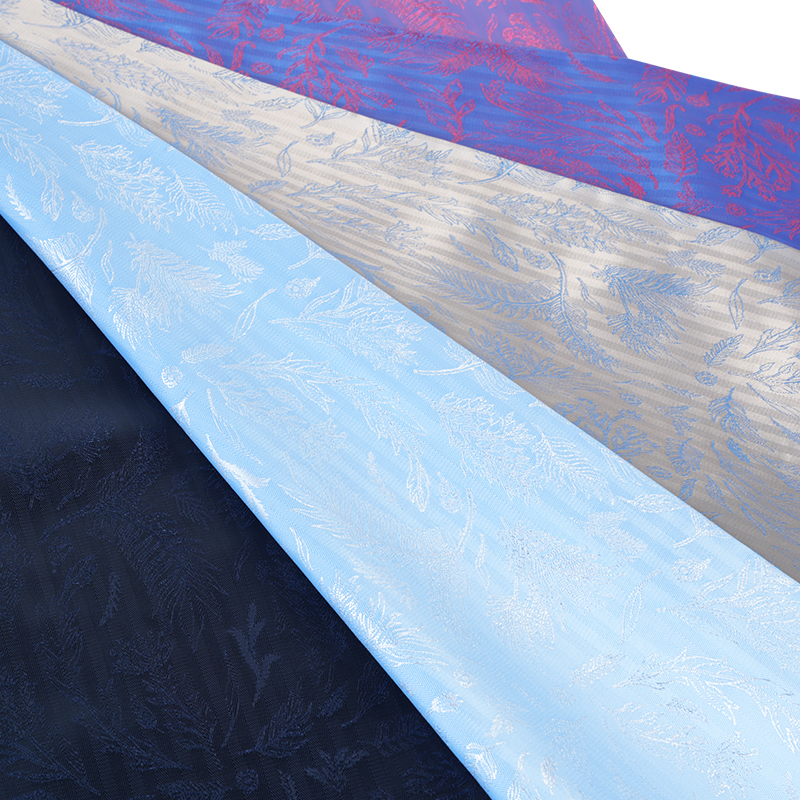

 +86-81163100 / +86-13957571090
 Room B12148, Wanguo Center, No. 1388, Jinkeqiao Avenue, Keqiao, Shaoxing, Zhejiang, China