
 English
 中文简体
中文简体
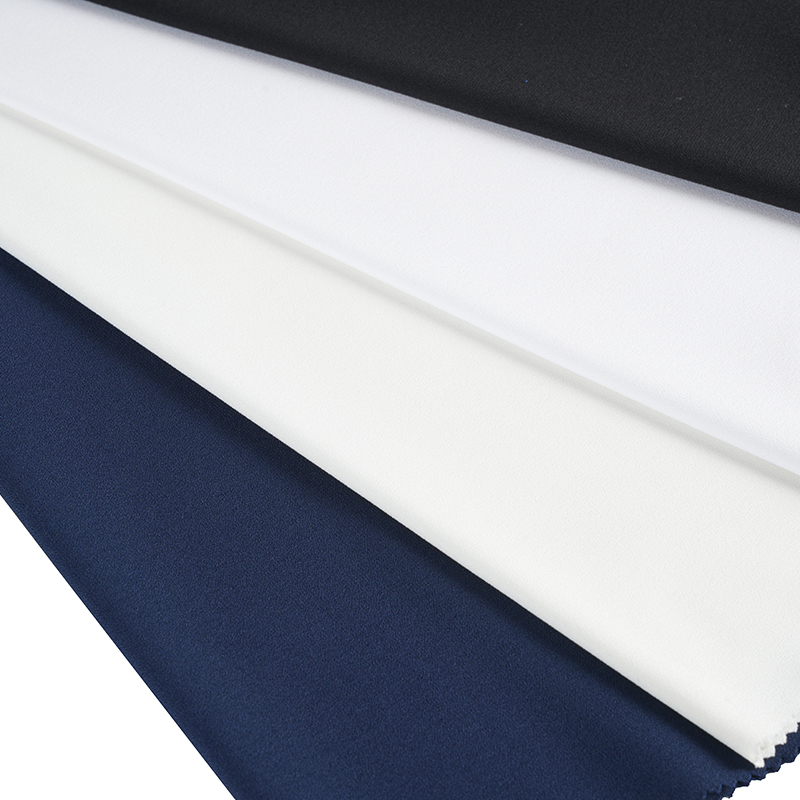
100% Viscose Items Deliver Softness, Breathability, and Versatile Comfort
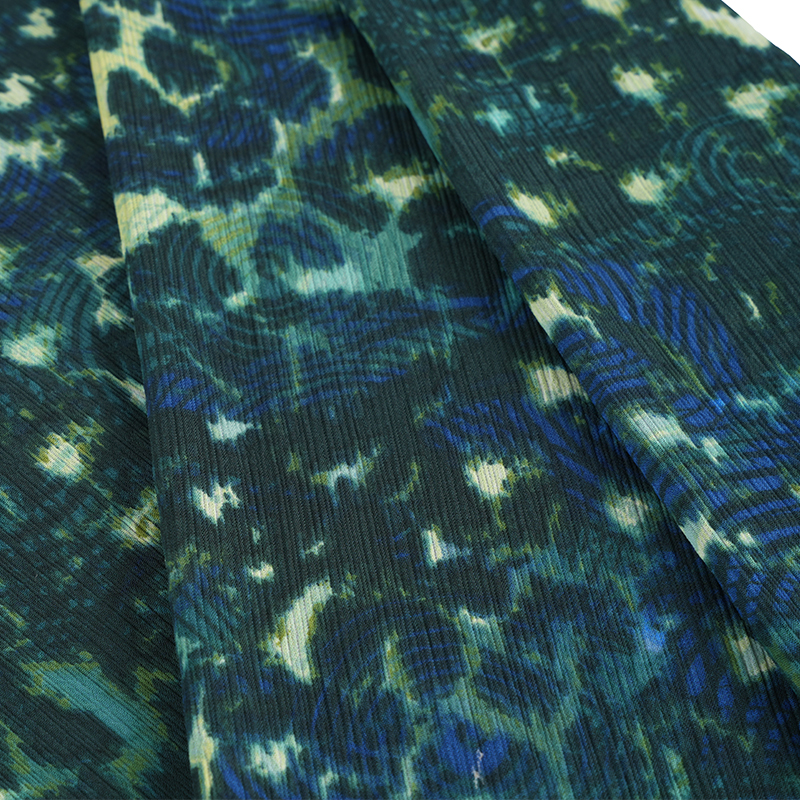
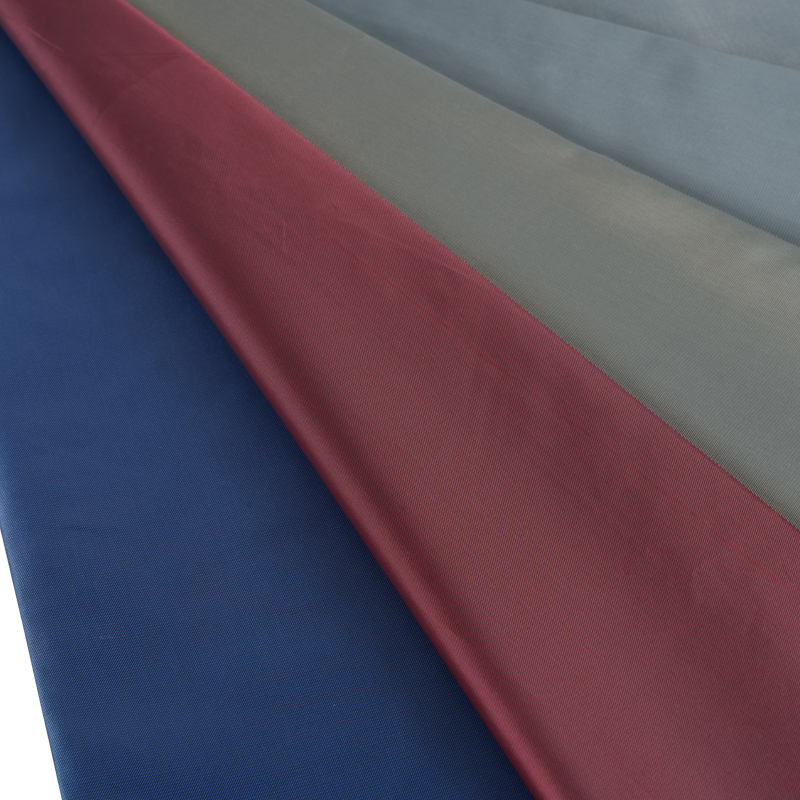
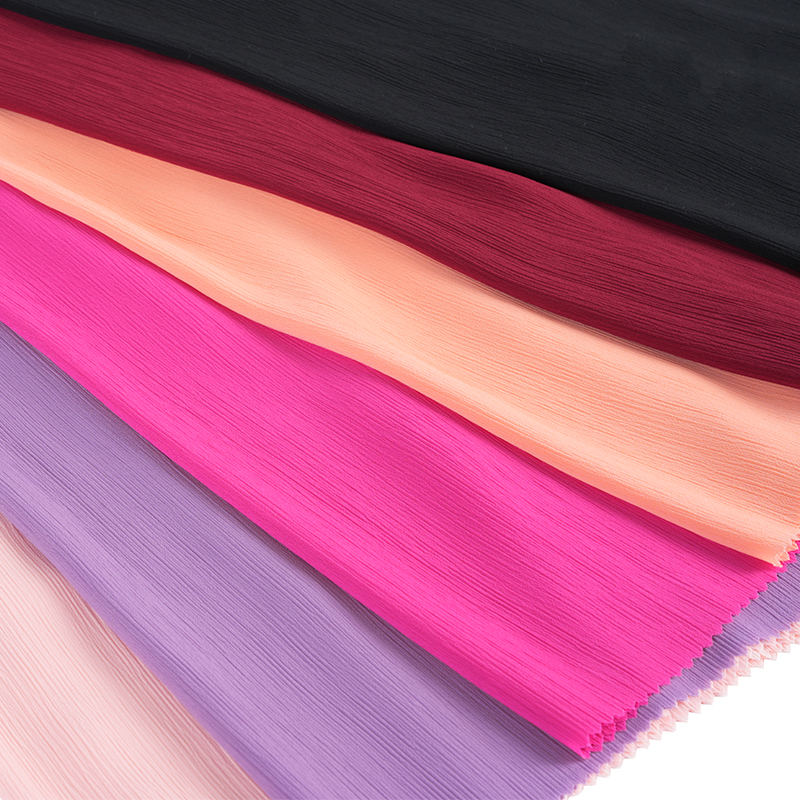
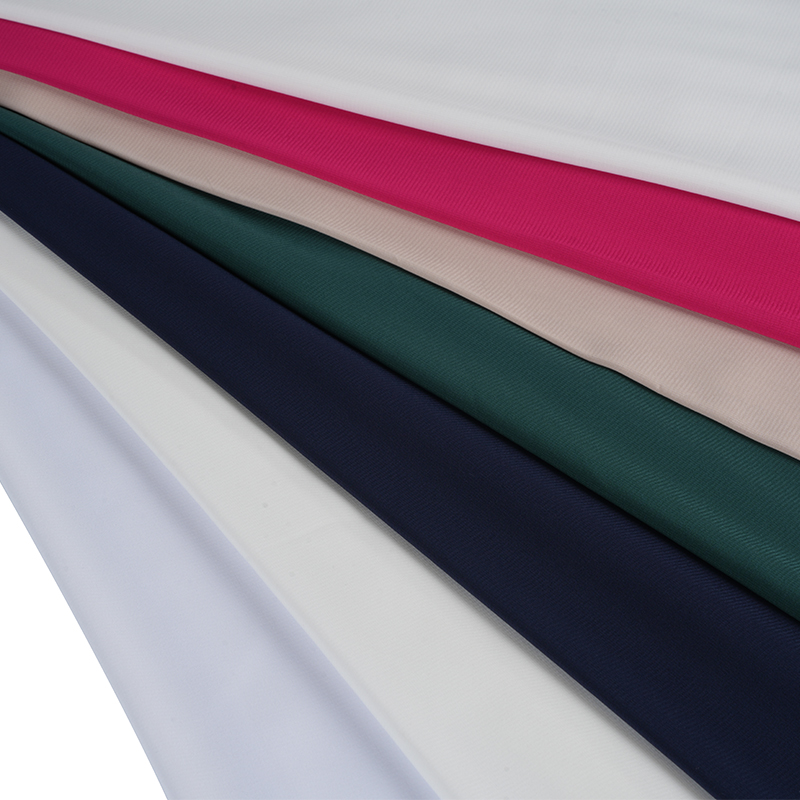
100% viscose items are widely valued for their silk-like softness, excellent drape, and breathable structure, making them a preferred choice in modern textile and fashion industries. Derived from regenerated cellulose fibers, viscose combines natural origin with enhanced processing flexibility, allowing manufacturers to create comfortable and aesthetically appealing products.
From apparel to home textiles, viscose-based products are used across multiple categories due to their smooth texture and ability to absorb moisture effectively, often outperforming synthetic fabrics in comfort-driven applications.
Key Characteristics of 100% Viscose Fabric
Soft Texture and Natural Feel
Viscose is often compared to silk due to its smooth and luxurious hand feel. It drapes well on the body, making it ideal for flowing garments such as dresses and blouses.
High Breathability
One of the most important properties of viscose is its breathability. It allows air circulation and absorbs moisture efficiently, with moisture absorption rates reaching up to 13–15% of its own weight.
Excellent Dye Affinity
Viscose fibers absorb dyes easily, resulting in vibrant, long-lasting colors. This makes it popular in fashion collections requiring rich color expression.
Biodegradable Nature
As a regenerated cellulose fiber, viscose is biodegradable under proper conditions, offering an environmentally friendlier alternative to fully synthetic fabrics.
Common Categories of 100% Viscose Items
100% viscose is used across a wide range of textile products:
- Women’s dresses, skirts, and blouses
- Lightweight shirts and summer wear
- Scarves and fashion accessories
- Home textiles such as curtains and bed linens
- Loungewear and sleepwear collections
In fashion manufacturing, viscose is often blended or used in pure form depending on the desired balance between softness, durability, and cost efficiency.
Performance Comparison with Other Fabrics
| Fabric Type | Comfort Level | Breathability | Durability |
|---|---|---|---|
| 100% Viscose | Very High | High | Moderate |
| Cotton | High | High | High |
| Polyester | Moderate | Low | Very High |
This comparison highlights viscose as a balanced fabric, offering superior comfort while maintaining moderate durability suitable for everyday use.
Manufacturing Process of Viscose Fiber
The production of viscose involves converting natural cellulose into regenerated fibers through a chemical process:
- Cellulose extraction from wood pulp or bamboo sources.
- Chemical treatment with sodium hydroxide to form alkali cellulose.
- Conversion into viscose solution using carbon disulfide.
- Spinning into fibers through wet spinning technology.
- Washing and finishing to improve texture and stability.
Modern manufacturing focuses on reducing environmental impact by improving chemical recovery rates and wastewater treatment efficiency.
Care and Maintenance for 100% Viscose Items
Proper care is essential to maintain the softness and appearance of viscose products:
- Hand wash or use gentle machine cycles at low temperatures.
- Avoid wringing to prevent fiber damage.
- Dry flat or hang in shaded areas to maintain shape.
- Use mild detergents without harsh chemicals.
Improper washing methods can reduce fabric strength by up to 30–40%, making careful maintenance essential for longevity.
Market Demand and Industry Applications
The global demand for viscose continues to grow due to its comfort and versatility:
- Fast fashion brands rely on viscose for seasonal collections.
- Home textile manufacturers use it for soft furnishing products.
- Luxury brands incorporate viscose for drape-heavy designs.
Industry reports suggest viscose fiber demand is growing at approximately 4–6% annually, driven by sustainable textile trends and consumer preference for natural-feel fabrics.
 Previous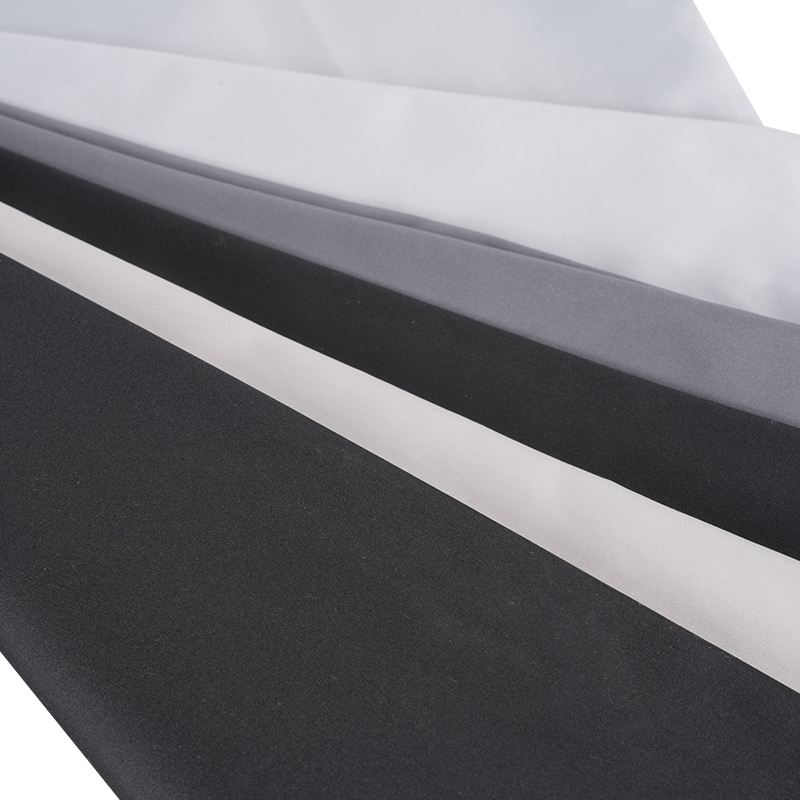

 +86-81163100 / +86-13957571090
 Room B12148, Wanguo Center, No. 1388, Jinkeqiao Avenue, Keqiao, Shaoxing, Zhejiang, China