

 English
 中文简体
中文简体
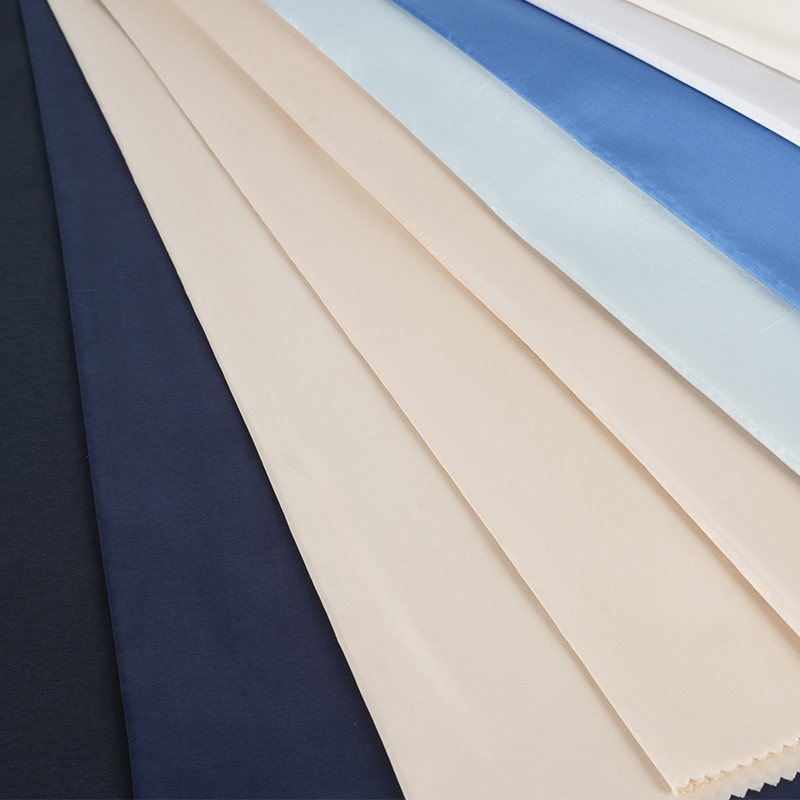
Selecting between luxury acetate satin fabric and contemporary textured satin fabric establishes the core structural foundation, drape aesthetics, and performance ceiling for high-end fashion lines and premium interior installations. While pure acetate formulations offer a historical, cellulosic mimicry of pure silk with exceptional breathability and crispness, textured variants introduce advanced mechanical weave adjustments that resist creasing and enhance multi-dimensional light scattering. For creative directors and luxury textile procurers, choosing the ideal weave configuration is a balancing act between classic tailoring precision and modern garment resilience.
Material Architecture: Cellulosic Acetate vs. High-Twist Texturized Weaves
The fundamental distinction between these premium materials lies within their chemical origins and spinning methods. Acetate satin fabric is constructed using spun filaments derived from purified wood pulp chemically reacted with acetic acid. This produces a semi-synthetic fiber containing rich hydroscopic properties, allowing the textile to breathe naturally like silk while maintaining high color brilliance across deep dye metrics.
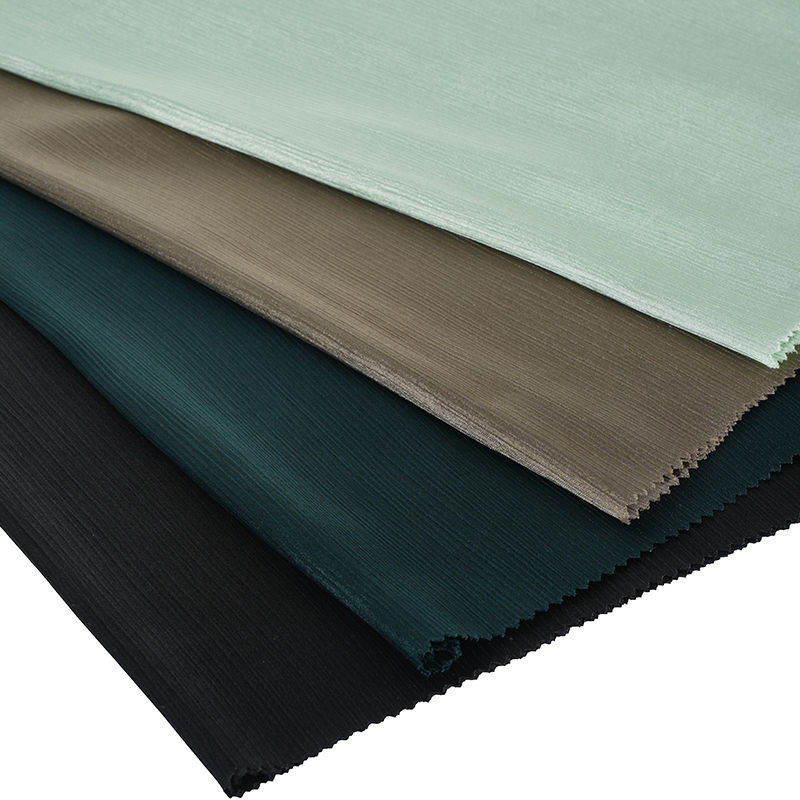
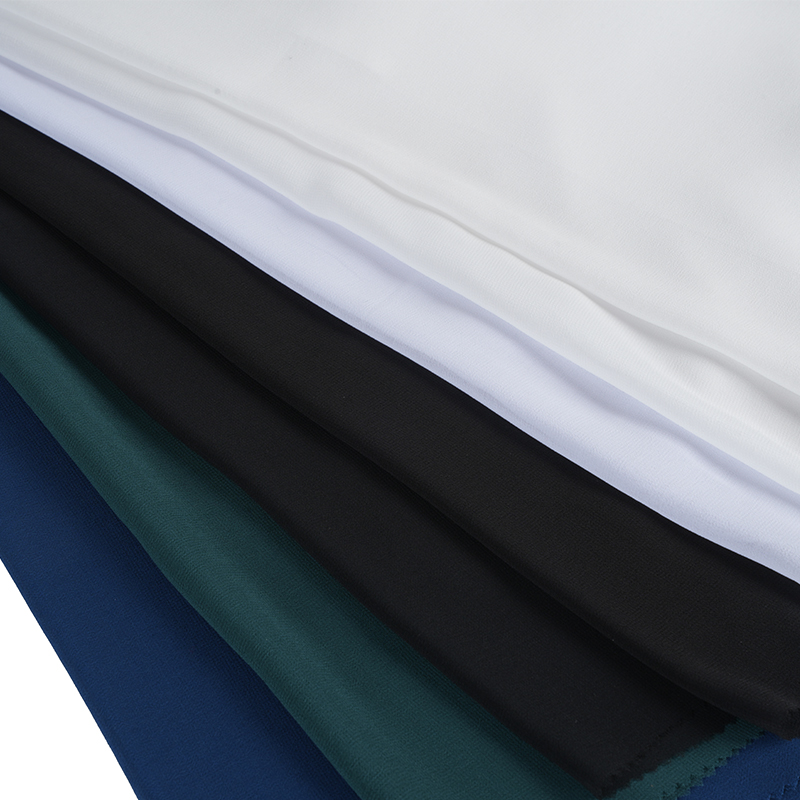
Conversely, modern textured satin fabric is born from altering the physical structure of the filament yarn through mechanical air-jet deformation or thermal high-twist engineering. Rather than presenting a perfectly smooth, mirror-like planar face, the yarn loops are minutely crimped or distorted prior to the satin structural weaving process. This mechanical architecture dampens the harsh plastic sheen typical of lower-grade synthetic satins, yielding a sophisticated, organic, multi-tonal surface that catches directional light dynamically.
Quantitative Performance Analysis: A Comparative Textile Matrix
Developing a commercial apparel line or premium hospitality drapery collection requires a rigorous data-driven comparison of physical yarn stability, tensile resilience, and processing behaviors.
| Material Metric | Acetate Satin Fabric | Textured Satin Fabric (Premium Poly/Nylon) | Traditional Silk Satin (Baseline Control) |
|---|---|---|---|
| Drape Coefficient | Crisp, structural drape (High form maintenance) | Fluid, liquid drape (High contour matching) | Ultra-fluid, highly variable drape |
| Wrinkle Recovery Rate | Moderate (Prone to static creasing) | Excellent (Self-smoothing within 1 hour) | Poor (Requires strict thermal pressing) |
| Moisture Regain Rate | 6.3% – 6.8% (Highly breathable) | 0.4% – 1.2% (Hydrophobic / Rapid drying) | 11.0% – 13.0% (Excellent comfort) |
| Abrasion Resistance | Moderate (Requires delicate handling) | Outstanding (>50,000 Martindale rubs) | Low (Sensitive to yarn pulling) |
| Primary Industry Application | Haute couture gowns, luxury suiting linings | Resort wear, structural bridal, eveningwear | Bespoke bridal, luxury loungewear |
Tactile Dynamics and Aesthetics in Haute Couture
In high-end fashion, the way a material responds to light and movement determines its value. Acetate satin fabric is celebrated for its classic "paper-like" crisp hand. When cut on the bias, it yields a dramatic silhouette that supports architectural flounces, sharp pleats, and structural volumes that soft silks cannot sustain. The natural thermal properties of cellulose prevent the fabric from clinging uncomfortably to the skin, making it the preferred textile for premium evening jackets and inner gown linings.
Design Insight: The optical density of a textured satin fabric reduces surface glare by scattering incident light rays across thousands of micro-crimped filaments. This prevents the unflattering camera-flash bounce common under runway lighting, ensuring that rich jewel tones maintain their true visual depth and luxury appeal across digital media platforms.
Textured variations excel when the design brief calls for organic fluidity and active movement. The inherent micro-elasticity introduced during the yarn texturizing stage provides structural give along both the warp and weft directions. This mechanical flexibility makes it highly resilient against seam slippage—a common failure point in traditional satin garments where smooth parallel yarns slide past one another under localized bodily tension.
Lifecycle Economics and Sustainable Procurement Strategies
From an operational cost perspective, upscale brands must balance the premium look of a fabric with its real-world durability and care requirements. Acetate satin fabric is chemically sensitive to raw solvents like acetone and demands specialized dry-cleaning procedures to protect its delicate luster and fiber integrity from permanent damage.
- Maintenance Efficiency: Textured synthetic satins resist staining and absorb minimal water, allowing them to be laundered using gentle machine cycles without losing their original crinkle or smooth finish.
- Production Yield Metrics: The structural stability of texturized yarns minimizes shifting and fraying during industrial cutting phases, increasing cutting-room efficiency by up to 15% compared to delicate filament satins.
- Eco-Friendly Sourcing: Modern ateliers are shifting toward bio-based acetate fibers harvested from certified sustainable forests, satisfying the growing consumer demand for transparent, circular manufacturing processes.
Structural Engineering for Luxury Interior Installations
Beyond apparel, these satins are finding increased utilization in luxury interior design. When engineering high-end acoustic drapery or custom wall upholstery for hospitality suites, the acoustic reflection properties of the textile are critical. The perfectly flat, mirror-like surface of traditional smooth satin tends to bounce high-frequency sound waves, creating harsh ambient reverberations within large rooms.
Textured satin fabric fixes this problem by functioning as a micro-diffuser. The multi-dimensional face breaks up sound reflections, creating a warmer, more subdued acoustic environment. When reinforced with a heavy knit backing, these textured fabrics achieve a high tensile strength that allows them to be stretched tightly over architectural frames without warping, sagging, or showing weave distortion over time.
Frequently Asked Questions
Why does acetate satin fabric feel significantly cooler to the touch than polyester satin?
Acetate is a semi-synthetic fiber derived from natural cellulose wood pulp, giving it a much higher moisture regain rate (around 6.5%) compared to synthetic polyester (less than 1%). This molecular moisture absorbency allows it to quickly pull heat and perspiration away from the body, producing a cool tactile sensation similar to real silk.
How does textured satin fabric achieve its unique matte-shimmer appearance?
The yarn filaments undergo a specialized mechanical texturing process—such as false-twist texturing or air-jet loop deformation—before being woven. These micro-loops alter the flat surface of the fabric, causing incoming light to scatter in multiple directions rather than bouncing off in a single glare, which creates a sophisticated matte look with subtle shifting highlights.
What specific precautions must be taken when ironing or pressing acetate satin garments?
Acetate has a relatively low thermal melting point and can glaze or melt if exposed to high heat. It must be ironed on a low setting (maximum 120°C) on the reverse side of the fabric, using a clean pressing cloth. Avoid using heavy bursts of steam, as localized water droplets can leave temporary ring marks on the fabric's finish.
Does textured satin fabric suffer from edge fraying or seam slippage during construction?
No. The crimped and interlocked nature of texturized yarns creates higher friction between the interwoven warp and weft fibers. This physical bond makes textured satin much more stable during cutting and sewing, drastically reducing the risk of edge fraying and seam slippage compared to traditional smooth satins.
Can these satin fabrics be used for commercial upholstery projects?
Textured satin fabric engineered from high-multi-filament polyester is excellent for medium-traffic commercial upholstery, especially when paired with a stabilizing knit backing. Pure acetate satin is generally considered too delicate for heavy seating surfaces and is best reserved for decorative drapery, accent pillows, or premium wall panels.
 Previous


 +86-81163100 / +86-13957571090
 Room B12148, Wanguo Center, No. 1388, Jinkeqiao Avenue, Keqiao, Shaoxing, Zhejiang, China