
 English
 中文简体
中文简体
What is linen fabric, in short? It's a natural textile spun and woven entirely from the stalk fibers of the flax plant — not cotton, not a blend, and not a synonym for household textiles in general, even though the word "linens" gets used loosely to describe sheets and tablecloths made from other materials too.
What Makes Linen Different From Other Natural Fibers
The flax plant is the entire story behind linen's texture and strength
Linen comes from Linum usitatissimum, the flax plant, and specifically from the long cellulose fibers running through its stalk — not its seeds or leaves. Those stalk fibers are longer and thicker than cotton fibers, which is the structural reason linen fabric ends up stronger and more textured than cotton woven at a comparable weight. The fibers are also more hollow than cotton's, which is why linen breathes and dries so much faster.
Visually, linen is easy to identify once you know what to look for: a slightly irregular, visible weave with small variations called slubs running through the yarn. That texture isn't a flaw — it's a direct byproduct of using a thicker, less uniform natural fiber, and it's part of what gives linen its rustic, lived-in character rather than a uniform, machine-perfect finish.
| Property | Typical Behavior |
|---|---|
| Moisture absorption | Can absorb up to roughly 20% of its own weight in moisture |
| Shrinkage after first wash (untreated) | Around 3–4%, more in raw, unfinished linen |
| Feel over time | Starts crisp, softens progressively with each wash |
| Antibacterial / stain resistance | Naturally higher than most cotton weaves |
| Typical lifespan with proper care | 5–10 years or more |
Linen vs. Cotton vs. Synthetic: A Side-by-Side Comparison
Three materials that get compared constantly, but perform very differently
| Factor | Linen | Cotton | Synthetic (Polyester Blend) |
|---|---|---|---|
| Breathability | Highest of the three | Good, especially lightweight weaves | Lowest — traps heat and moisture |
| Initial feel | Crisp, slightly textured | Soft from the first use | Smooth but less breathable |
| Durability | Very high — among the strongest natural fibers | High, softens further with washing | Moderate, prone to pilling over time |
| Biodegradability | Fully biodegradable | Biodegradable | Not biodegradable — petroleum-based |
| Best climate fit | Warm, humid conditions | Year-round, moderate climates | Cooler climates where breathability matters less |
| Relative cost | Highest upfront cost | Mid-range | Lowest upfront cost |
How Flax Becomes Finished Linen Fabric
A labor-intensive process that hasn't fundamentally changed in centuries
1
Flax is cultivated
Flax thrives in cool, humid growing regions. The plant is harvested by pulling it up by the roots rather than cutting it, which preserves the full length of the stalk fiber.
2
Retting breaks down the woody stalk
Moisture — either from dew, water, or controlled retting — breaks down the woody outer material of the stalk, freeing the long cellulose fibers underneath without damaging them.
3
Fibers are combed and spun
The retted fibers are combed to align them and remove remaining debris, then spun into yarn. Longer, cleaner fibers produce finer, more consistent yarn.
4
Yarn is woven into cloth
The finished yarn is woven on a loom into the finished textile, which retains the natural, earthy character of the flax plant even after finishing.
Raw, Garment-Washed, or Pre-Washed: How Finishing Changes the Fabric
The weave is only half the story — the finishing stage decides how it feels on day one
Two bolts of linen woven from identical flax can feel completely different depending on how they were finished after weaving. This is where a lot of buyer confusion comes from, since "linen" on a label doesn't say anything about which finishing stage a fabric went through.
| Finishing Type | Initial Feel | Shrinkage Risk |
|---|---|---|
| Raw / unfinished linen | Stiff and coarse, notable break-in period | Highest — often 5–10% on first wash |
| Garment-washed linen | Softer than raw, but texture can vary between production runs | Moderate — washed after cutting and sewing |
| Pre-washed (mill-washed) linen | Soft and relaxed from the first use | Lowest — typically 1–3% after purchase |
Pre-washing happens at the fabric or yarn stage, before cutting and sewing, which is what gives it the most predictable, stable result. It's a more labor- and resource-intensive process, which is also the main reason pre-washed linen typically costs more than raw or garment-washed alternatives.
Where Linen Is Used and Why the Weave Matters
The same fiber performs differently depending on how tightly it's woven
Linen's combination of strength, breathability, and texture makes it suited to three very different categories of use, but the weave density needs to match the application. A loose, airy weave works well for warm-weather clothing and bedding, where airflow is the priority. A tighter, heavier weave holds up better for upholstery, where abrasion resistance and structure matter more than breathability.
- ApparelShirts, dresses, and warm-weather clothing benefit from linen's moisture-wicking properties and cooling effect against skin.
- BeddingSheets and duvet covers made from linen regulate temperature well and soften noticeably with repeated washing.
- UpholsteryA tighter linen weave adds a sophisticated, natural texture to furniture while standing up to regular use.
- Table linensLinen's crisp drape and natural sheen have made it a long-standing choice for tablecloths and napkins.
Caring for Linen Without Shortening Its Lifespan
Most damage to linen comes from heat, not from normal use
- Wash cold, gentle cycleHot water accelerates fiber breakdown and increases shrinkage risk over repeated washes.
- Skip harsh detergents and bleachStrong chemicals weaken the cellulose fibers faster than normal wear would.
- Air dry when possibleIf using a dryer, use low heat and remove the fabric while still slightly damp to avoid deep creasing.
- Store away from direct sunlightProlonged UV exposure causes yellowing over time, even in a fabric this durable.
- Iron while slightly dampA medium-hot iron on damp linen removes wrinkles without stressing dry fibers.
- Fold rather than hang for storageLoose folding in breathable storage avoids tight creases that can weaken fibers at the fold line.
What Actually Drives the Price of Linen Fabric
Fiber origin and finishing account for most of the price spread
3Main cost drivers — fiber origin, finishing method, and weave density
1–3%Shrinkage range for properly pre-washed linen, versus 5–10% for raw linen
5–10Years of typical lifespan for well-maintained, high-quality linen
Flax grown in cooler, richer soil conditions tends to produce longer, stronger fibers, and fabric made from that flax generally carries a higher price than linen woven from shorter, coarser fibers. Pre-washing adds another layer of cost, since it requires extra processing before the fabric is ever cut and sewn. Weave density plays a role too — a tighter weave intended for upholstery uses more yarn per yard than a loose, breathable weave meant for summer apparel.
Answering what is linen fabric worth paying more for comes down to checking two things on the label: fiber origin and finishing stage. A pre-washed linen made from long-staple flax will consistently outperform a raw, short-fiber alternative in softness, shrinkage control, and how well it holds up over years of regular washing — even though the price tag looks steeper on day one.
 Previous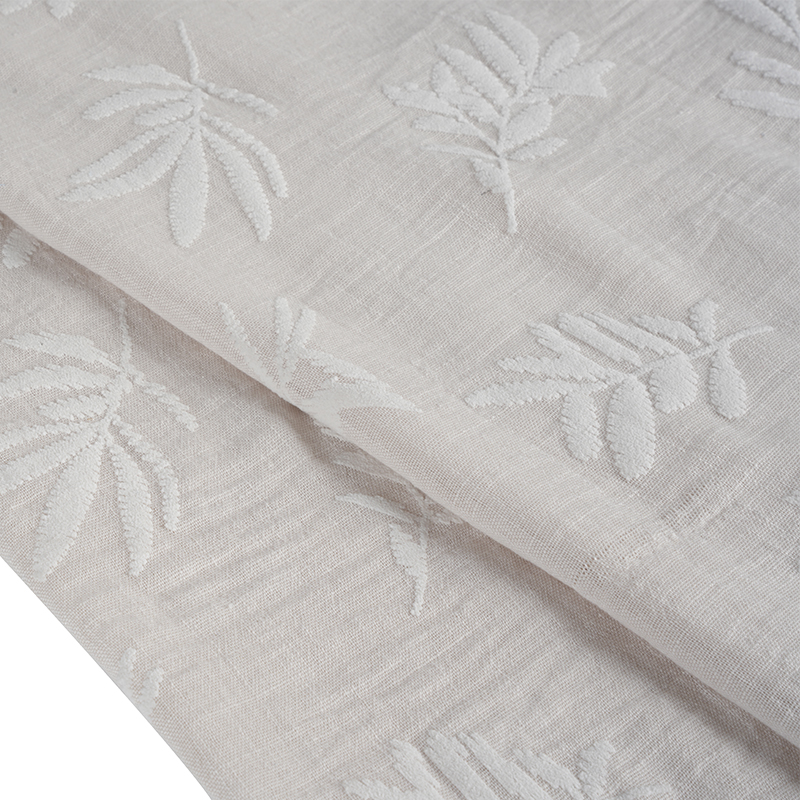

 +86-81163100 / +86-13957571090
 Room B12148, Wanguo Center, No. 1388, Jinkeqiao Avenue, Keqiao, Shaoxing, Zhejiang, China