
 English
 中文简体
中文简体
Understanding Polyester Sleeve Lining in Modern Garment Construction
Polyester sleeve lining is widely used in apparel manufacturing as a functional inner layer that improves comfort, durability, and garment structure. The most practical answer is simple: polyester sleeve lining enhances wearability by reducing friction, improving shape retention, and extending the lifespan of clothing sleeves. It is especially common in jackets, suits, coats, uniforms, and workwear where smooth arm movement and long-term durability matter.
Unlike unlined or cotton-lined sleeves, polyester lining provides a lightweight yet stable surface that allows garments to slide easily over the arm. This reduces wear on the outer fabric and prevents discomfort caused by rubbing or stiffness.
Material Characteristics and Why Polyester Is Used
Low Friction and Smooth Surface
One of the key advantages of polyester sleeve lining is its naturally smooth fiber structure. This reduces friction between the skin and outer garment, making it ideal for structured clothing like suits and uniforms. In industrial testing, polyester linings typically show 30–50% lower surface friction resistance compared to untreated cotton linings.
Durability Under Frequent Wear
Polyester fibers are highly resistant to tearing, stretching, and abrasion. Sleeve areas experience repeated motion, especially at the elbow joint. Polyester lining maintains structural integrity even after repeated laundering cycles, often exceeding 100+ wash cycles without significant deformation in industrial-grade fabrics.
Moisture Resistance and Quick Drying
Unlike natural fibers that absorb moisture, polyester resists water retention. This helps sleeves dry faster and reduces the risk of damp discomfort. It also minimizes odor retention, making it suitable for uniforms and daily wear garments.
Common Types of Polyester Sleeve Lining Fabrics
| Type | Structure | Key Feature | Typical Use |
|---|---|---|---|
| Taffeta Polyester | Tight plain weave | Smooth & crisp finish | Suits, formal jackets |
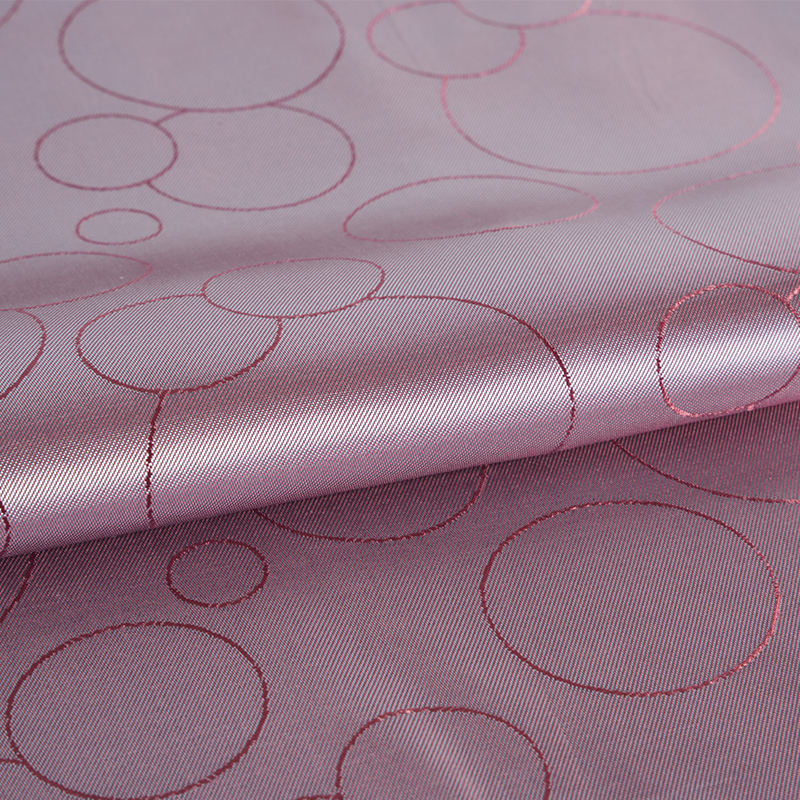
| Satiny Polyester | Satin weave | High gloss & soft touch | Premium coats, dresses |
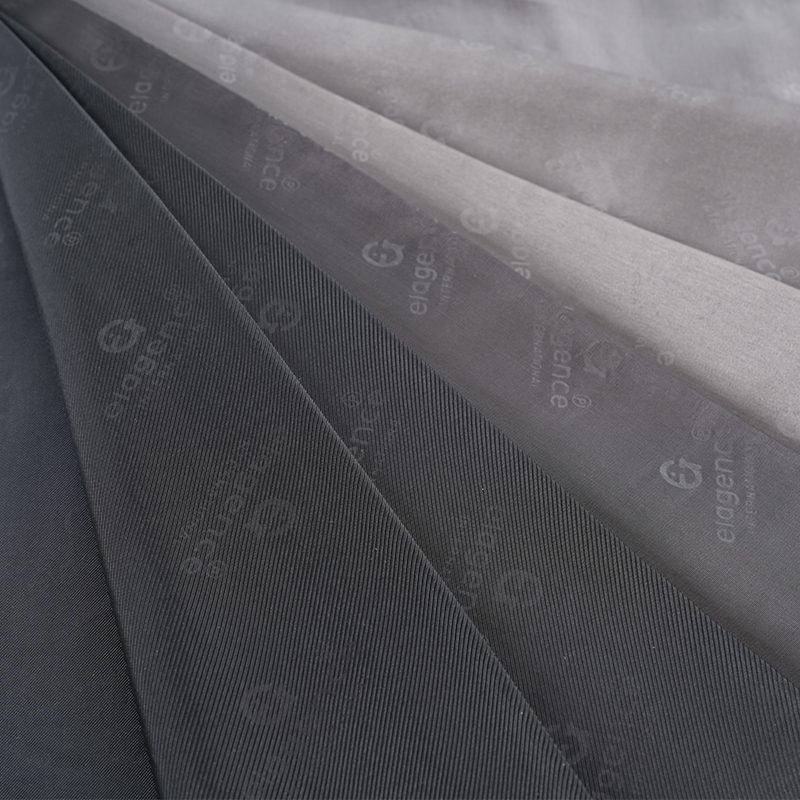
| Lightweight Polyester Twill | Diagonal weave | Better drape & flexibility | Workwear, uniforms |
| Stretch Polyester Blend | Blended with spandex | Elastic movement | Sportswear, slim jackets |
Each type of polyester sleeve lining is selected based on garment purpose, cost requirements, and comfort expectations. For example, high-end tailoring often uses satin polyester lining, while industrial uniforms prefer twill structures for durability.
Functional Benefits in Apparel Design
Improved Wearing Comfort
Sleeve lining directly affects how a garment feels during movement. Polyester lining allows sleeves to glide over shirts or skin without sticking, especially in layered clothing. This is particularly important in cold-weather jackets where multiple layers increase friction.
Enhanced Garment Shape Retention
Without lining, sleeves may collapse or lose structure over time. Polyester sleeve lining acts as an internal support system, helping maintain clean sleeve lines. In tailoring tests, lined sleeves show up to 40% better shape retention after extended wear.
Reduced Fabric Wear and Tear
Repeated arm movement creates stress points at the elbow and cuff. Polyester lining reduces direct contact between outer fabric and skin, significantly lowering abrasion damage. This extends garment lifespan and reduces replacement frequency.
Applications Across Different Clothing Categories
- Business suits and formal wear: improves smooth dressing experience and maintains crisp sleeve structure
- Winter coats and jackets: reduces friction between layers and enhances thermal comfort
- Uniforms and workwear: increases durability under frequent daily movement
- Fashion apparel: supports aesthetic drape and internal finishing quality
In large-scale garment production, polyester sleeve lining is considered a cost-effective upgrade that significantly improves perceived product quality without increasing material complexity.
Manufacturing Considerations and Quality Control
Weaving Density and Yarn Selection
High-quality polyester sleeve lining typically uses fine-denier yarns ranging from 50D to 75D. Tighter weaving improves smoothness and reduces pilling. A balanced weave structure ensures both durability and flexibility.
Dyeing and Color Fastness
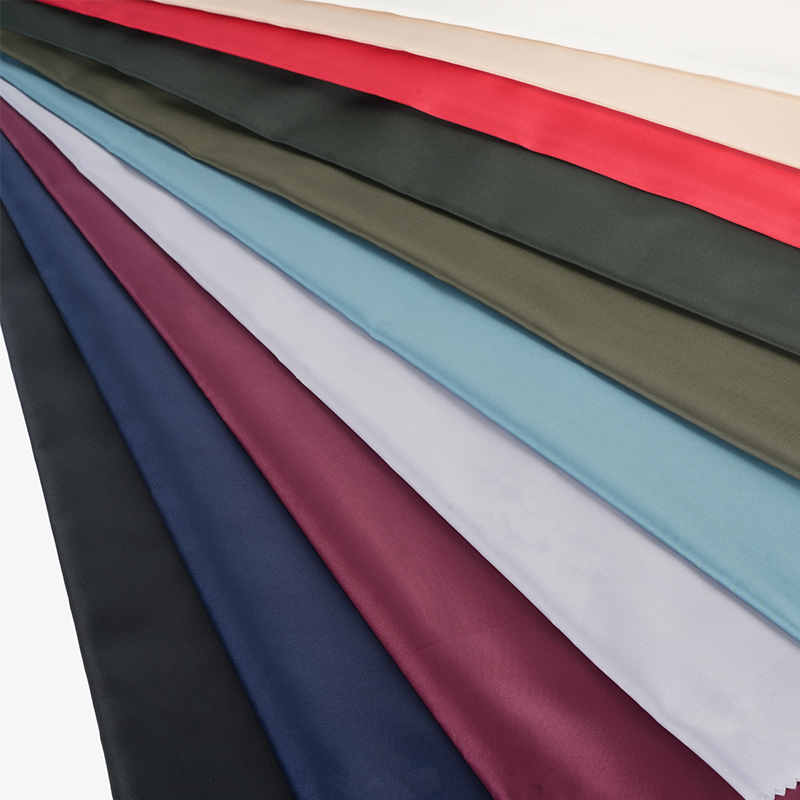
Since lining is often visible in rolled cuffs or open jackets, color consistency matters. Polyester undergoes high-temperature dyeing processes to achieve strong color fastness. Quality standards often require Grade 4 or higher color retention after washing tests.
Anti-Static and Finishing Treatments
To improve comfort, many polyester sleeve linings undergo anti-static treatment. This prevents cling and enhances wearing experience in dry environments, especially in winter clothing.
Material Selection Trends in Modern Textile Industry
The textile industry increasingly favors engineered synthetic linings due to performance consistency and scalability. Polyester sleeve lining remains dominant because it balances cost, durability, and functional performance better than many natural alternatives.
Recent production data shows that polyester-based linings account for over 60% of global garment lining applications, driven by demand in fast fashion, corporate uniforms, and technical apparel sectors.
As garment design continues to evolve toward lightweight and performance-oriented clothing, polyester sleeve lining is expected to remain a core material in both mass production and premium tailoring segments.
 Previous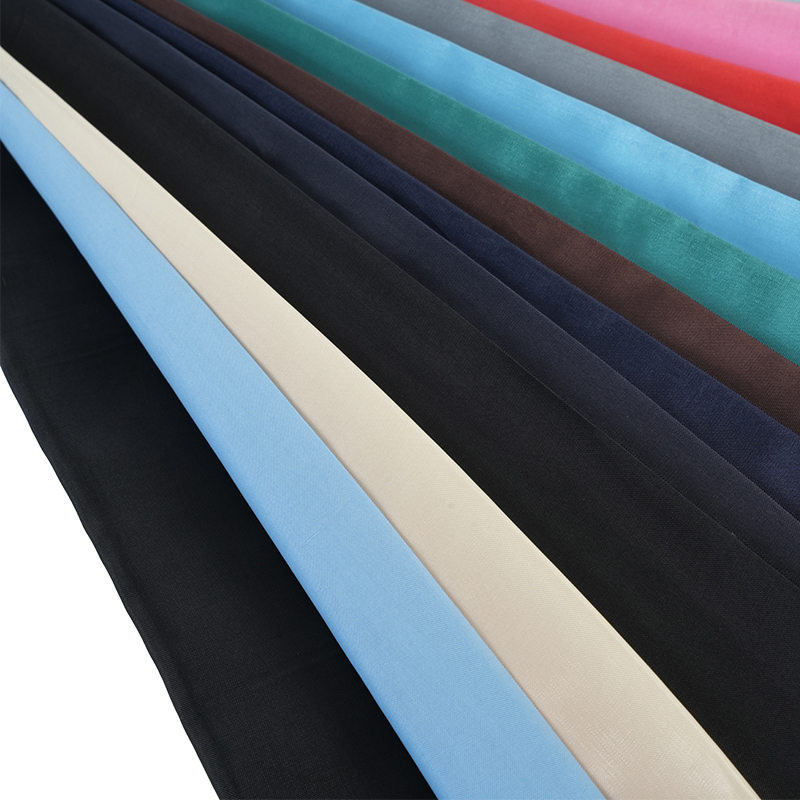

 +86-81163100 / +86-13957571090
 Room B12148, Wanguo Center, No. 1388, Jinkeqiao Avenue, Keqiao, Shaoxing, Zhejiang, China