

 English
 中文简体
中文简体
Introduction to Plain Twill Lining in Clothing
Plain twill lining is often chosen for clothing due to its functional benefits in terms of comfort, durability, and aesthetics. The term "plain twill" refers to the weave pattern used to create the fabric, which is characterized by a distinct diagonal texture. This weave not only influences the fabric's visual appearance but also affects its feel and performance in clothing. As a lining material, plain twill offers several advantages that enhance the overall comfort of garments, making it a preferred choice in the fashion and textile industries.
The Structure of Plain Twill Fabric
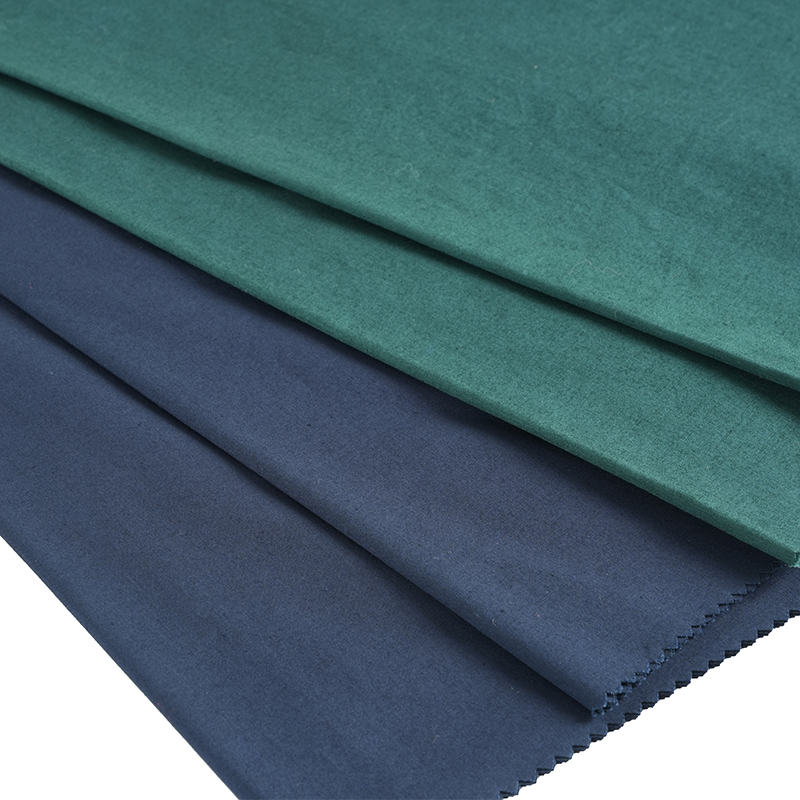
Plain twill fabric is woven in a way that creates a diagonal pattern, which sets it apart from simpler weave structures like plain weave fabrics. In a twill weave, the threads are arranged so that each weft thread passes over and under one or more warp threads, creating a visible diagonal pattern. This structure gives the fabric a unique texture, often described as smooth yet sturdy. This type of weave is not only aesthetically pleasing but also contributes to the fabric's strength and resilience, making it an excellent choice for lining materials in clothing.
The diagonal pattern in plain twill fabric adds a certain level of flexibility and durability to the material, making it ideal for applications where the lining needs to withstand regular wear and movement. Additionally, the way the fibers are interwoven creates a slight sheen on the surface, which gives plain twill a polished look, enhancing the overall appearance of the garment. As a result, it becomes an excellent choice for lining coats, jackets, skirts, and trousers, as it helps to create a comfortable fit while maintaining the garment's shape and structure.
Comfort Benefits of Plain Twill Lining
One of the most important factors when choosing lining materials for clothing is comfort. Plain twill fabric offers several comfort-related benefits that make it a desirable option for use in various types of garments. Its smooth texture ensures that it feels soft against the skin, reducing friction that might otherwise cause discomfort, especially when worn over long periods. This makes it a particularly good choice for garments that are worn close to the body, such as jackets and suits.
Plain twill lining also has a certain amount of flexibility, which allows it to move with the wearer, offering freedom of movement without causing irritation or restriction. The fabric's breathable nature allows air to circulate more easily between the lining and the outer layers of the garment. This helps regulate body temperature, preventing the buildup of excessive heat or moisture, which can be uncomfortable, especially in warmer weather. This breathability makes plain twill an ideal choice for all-season garments, as it can provide comfort in both cooler and warmer conditions.
Durability and Longevity of Plain Twill Lining
Durability is a key consideration when selecting a lining fabric, especially for outerwear and high-wear garments. Plain twill fabric is well-known for its strength and resistance to wear and tear, making it a reliable choice for lining materials. The diagonal weave pattern helps distribute the stress placed on the fabric more evenly, which enhances its ability to withstand abrasion over time. This ensures that garments lined with plain twill will maintain their structural integrity even after frequent use.
The durability of plain twill also extends to its resistance to wrinkles. Unlike some other types of fabrics, plain twill tends to retain its shape and smoothness over time. This makes it less prone to developing creases and folds, which can affect the overall look and feel of the garment. As a result, clothing lined with plain twill tends to stay neat and presentable, even with regular use, contributing to the longevity of the garment itself. The long-lasting nature of plain twill lining can help reduce the need for frequent repairs or replacements, ultimately providing greater value for the wearer.
Softness and Smoothness of Plain Twill Lining
The softness and smoothness of plain twill fabric play a significant role in improving the comfort of clothing. The fabric's smooth surface allows it to glide easily over the skin or other layers of clothing, preventing any friction or discomfort that might arise from rougher or more rigid materials. This smooth quality makes plain twill lining an excellent choice for garments that need to slide on easily, such as dresses, blouses, and outerwear.
Additionally, the softness of plain twill adds a layer of comfort by preventing irritation caused by rough seams or stitching. This makes it especially beneficial for individuals with sensitive skin, as it reduces the likelihood of discomfort or skin reactions. The gentle feel of the lining also contributes to the overall luxurious experience of wearing garments lined with plain twill, adding to the overall appeal of the piece.
Breathability of Plain Twill Lining
Breathability is another important factor in the comfort of clothing, especially for garments that are worn for extended periods or in changing weather conditions. Plain twill fabric, due to its open weave, allows air to pass through the fibers, facilitating better airflow between the garment and the body. This breathability helps regulate body temperature by allowing heat and moisture to escape, keeping the wearer comfortable in both warm and cool environments.
For instance, in jackets or coats, plain twill lining helps prevent overheating by allowing sweat and moisture to evaporate, reducing the discomfort that comes with sticky or damp clothing. In addition to its moisture-wicking properties, the fabric’s ability to breathe ensures that the body remains dry and comfortable, preventing the accumulation of sweat that could lead to skin irritation or odor. This makes plain twill an ideal option for activewear or for garments designed for extended wear.
Thermal Insulation of Plain Twill Lining
Thermal insulation is a vital consideration for garments worn in colder environments. Although plain twill lining is not inherently designed for heavy insulation, its construction provides a moderate degree of thermal protection. The weave pattern of plain twill creates small air pockets within the fabric, which can act as insulators, helping to retain body heat and protect against the cold. This makes it an effective lining material for lightweight outerwear, jackets, and coats designed for milder weather conditions.
When combined with other insulating materials, such as quilted linings or fleece, plain twill can enhance the overall warmth of a garment without adding unnecessary bulk. Its smooth, soft texture also helps to retain the effectiveness of thermal layers, ensuring that heat is kept close to the body while maintaining comfort. This makes it suitable for garments that need to balance warmth with freedom of movement and comfort.
Easy Maintenance of Plain Twill Lining
Another reason why plain twill is a popular choice for lining fabric is its ease of maintenance. Plain twill is generally easy to care for, making it a practical option for clothing that will see frequent use. The fabric’s durability and resistance to wrinkles mean that it doesn’t require constant attention to maintain its appearance. Additionally, plain twill is typically machine washable, and its strong weave ensures that it retains its shape and texture after repeated washings.
Unlike more delicate fabrics, plain twill does not require dry cleaning or special treatments, which makes it a low-maintenance choice for lining. This convenience adds to the overall comfort of wearing garments lined with plain twill, as the wearer does not need to worry about the upkeep of the garment. The fabric’s resistance to wear and its ability to maintain its structure with minimal care make it a reliable and practical option for both everyday clothing and high-end fashion pieces.
Cost-Effectiveness of Plain Twill Lining
Plain twill fabric is often chosen for its cost-effectiveness, particularly in comparison to other types of lining materials. While it offers many of the same comfort and durability benefits as more expensive fabrics, such as satin or silk, plain twill is generally more affordable. This makes it an ideal choice for manufacturers who want to create high-quality, comfortable clothing at a reasonable cost.
The cost-effectiveness of plain twill does not diminish its performance. It is a practical material that balances comfort, durability, and aesthetics, making it an ideal option for both everyday wear and higher-end garments. Its affordability also allows for its use in a wide range of clothing, from casual apparel to more formal designs, making it a versatile choice for manufacturers and consumers alike.
Enhancing Comfort with Plain Twill Lining
Plain twill lining offers a combination of comfort, durability, breathability, and aesthetic appeal, making it a preferred choice for a variety of garments. Its smooth texture, flexibility, and resistance to wrinkles ensure that it contributes to the overall comfort of clothing, while its durability ensures that it can withstand regular wear without compromising its quality. The breathability and thermal properties of plain twill also enhance comfort by regulating body temperature, keeping the wearer comfortable in various environments. Furthermore, the ease of maintenance and cost-effectiveness of plain twill make it a practical choice for both manufacturers and consumers. By choosing plain twill lining, clothing manufacturers can offer garments that deliver comfort and performance, meeting the needs of modern wearers.
 Previous

 +86-81163100 / +86-13957571090
 Room B12148, Wanguo Center, No. 1388, Jinkeqiao Avenue, Keqiao, Shaoxing, Zhejiang, China