
 English
 中文简体
中文简体
When you open the inside of a well-tailored jacket, the lining is the second thing people notice. A dobby lining takes that detail one step further: instead of a flat surface, the fabric carries small repeating geometric motifs. It is not a different fiber; it is a different weave structure, and that structure has practical consequences for durability, drape, breathability, and cost.
What Is Dobby Lining?
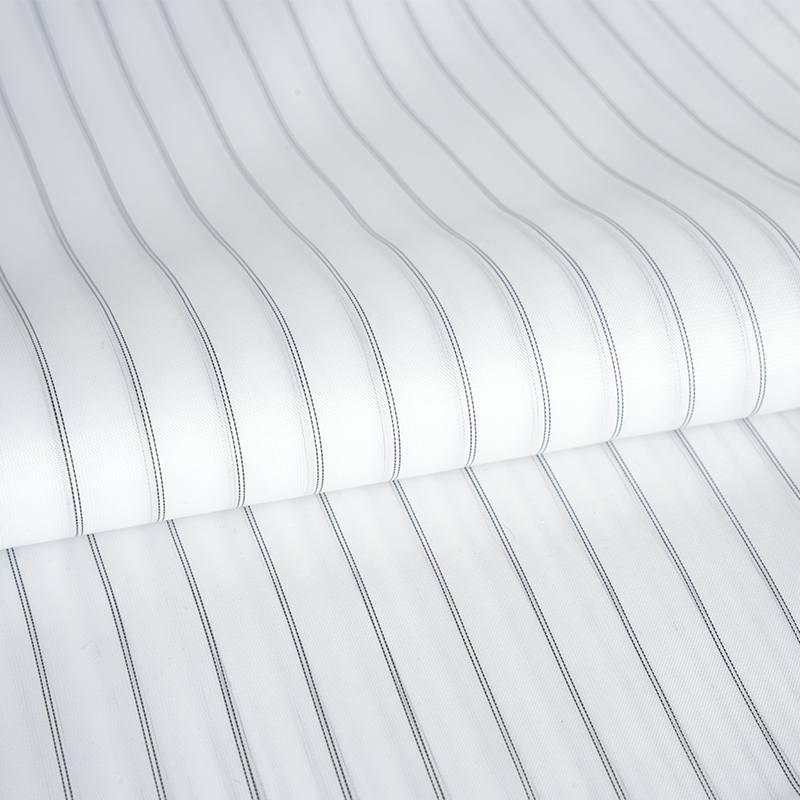
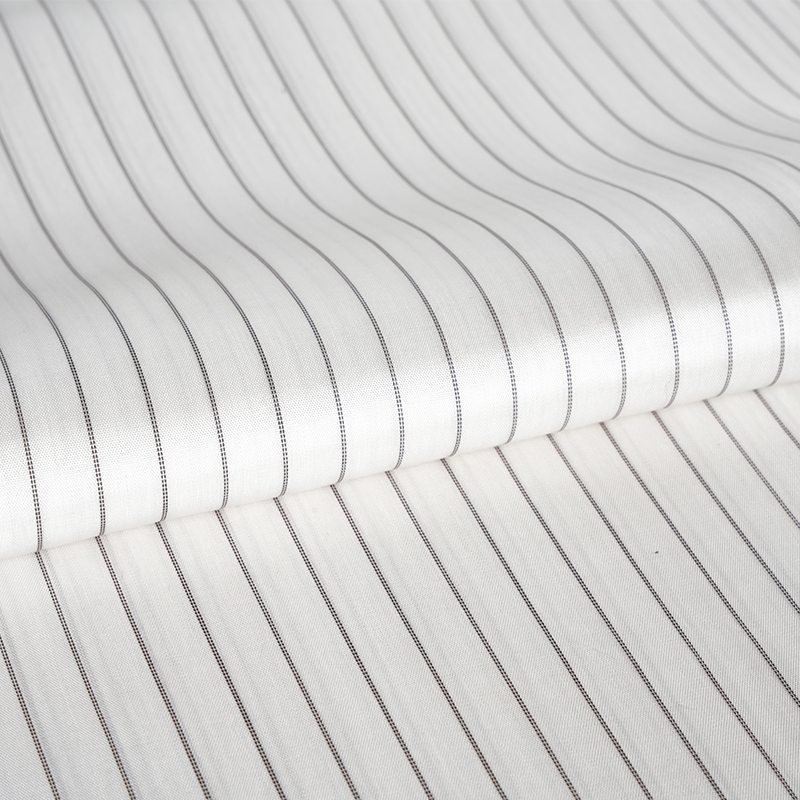
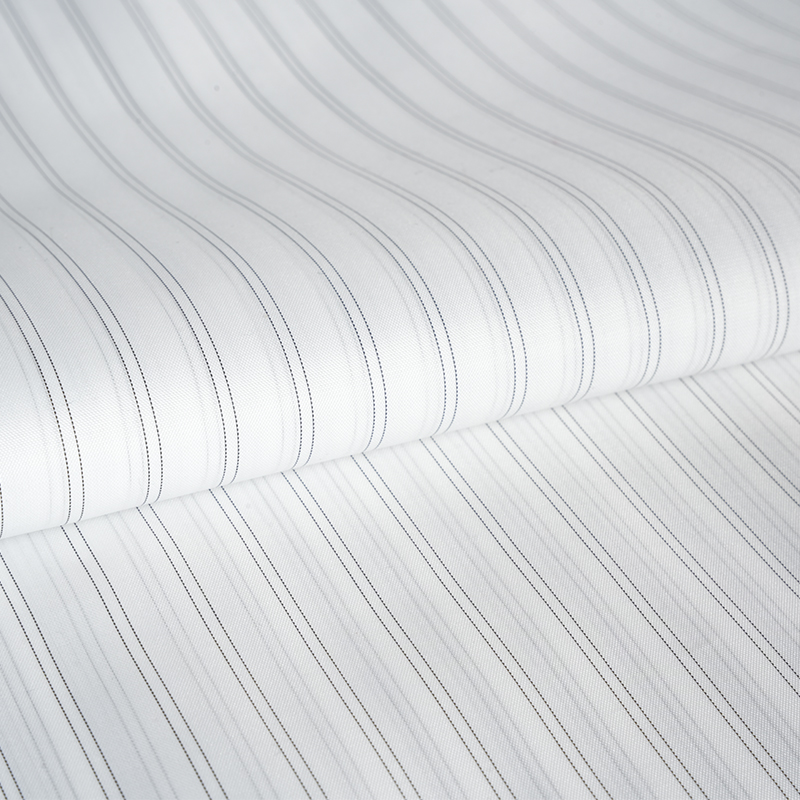
Dobby lining is produced on a dobby loom, a loom that can control each warp thread in a small repeating sequence. That capacity produces compact woven patterns such as diamonds, dots, arrows, waves, and mini herringbones. The pattern is part of the structure, not printed on the surface, so it does not fade off the way a coating can.
Unlike jacquard, where a long repeating sequence can create almost any picture, a dobby loom works with shorter repeats. The result is a restrained texture that reads as solid from a distance and only shows its pattern when light catches it or when the garment is opened.
Dobby Lining vs. Plain, Twill, and Jacquard
Buyers often compare dobby with plain linings such as taffeta or pongee because they are all light enough to use inside a garment. The table below offers a practical comparison for lining fabric selection.
| Weave structure | Motif scale | Typical lining use | Relative cost | Drape and feel |
|---|---|---|---|---|
| Plain (taffeta, pongee) | Flat or printed | Jackets, bags, trousers | Low to medium | Smooth, slippery, slightly crisp |
| Twill | Continuous diagonal lines | Suits, coats, formal trousers | Medium | Softer drape, denser hand |
| Dobby | Small repeating geometric motifs | Blazers, outerwear, dresses, bags | Medium | Subtle texture with a dry or crisp hand |
| Jacquard | Large, complex, or pictorial motifs | Decorative or branded interiors | Higher | Heavier, more textured, more visual emphasis |
Dobby sits between plain and jacquard. It gives the interior of a garment a designed look without the expense and heavier hand of full jacquard.
Why Choose Dobby for Lining?
The first reason is visual. A subtle geometric texture looks intentional and adds perceived value to tailored or upmarket pieces. The second reason is functional. The interlacing points create a slightly rougher surface than plain taffeta, which helps the lining grip the outer fabric and reduces slipping, wrinkling, and the tendency of sleeves to twist or climb.
Dobby linings also hide soiling and abrasion better than flat satin, because small patterned areas break up visual wear. When the base fiber is viscose, cotton, or a blended yarn, the lining remains breathable enough for everyday garments.
- Improved stability: the structure resists stretching on bias panels.
- Better sleeve and hem behavior: the grip helps the lining stay in place.
- Easy care: most polyester dobby linings follow the same care procedures as the outer fabric.
Fiber Options: Polyester, PV, Viscose, and Acetate
Dobby is a weave name, not a fabric content. You can find the same geometric structure in different fibers, and the fiber choice changes the final hand and price.
Polyester Dobby
The most common dobby lining in commercial production is 100% polyester, usually in plain or semi-dull yarn. Polyester dobby is colorfast, cost-effective, and easy to match across dye lots. It works well in jackets, coats, trousers, and bags that do not need a luxury hand. When the motif is a water ripple or square diamond, the surface reads as a low-key pattern that does not compete with the outer fabric.
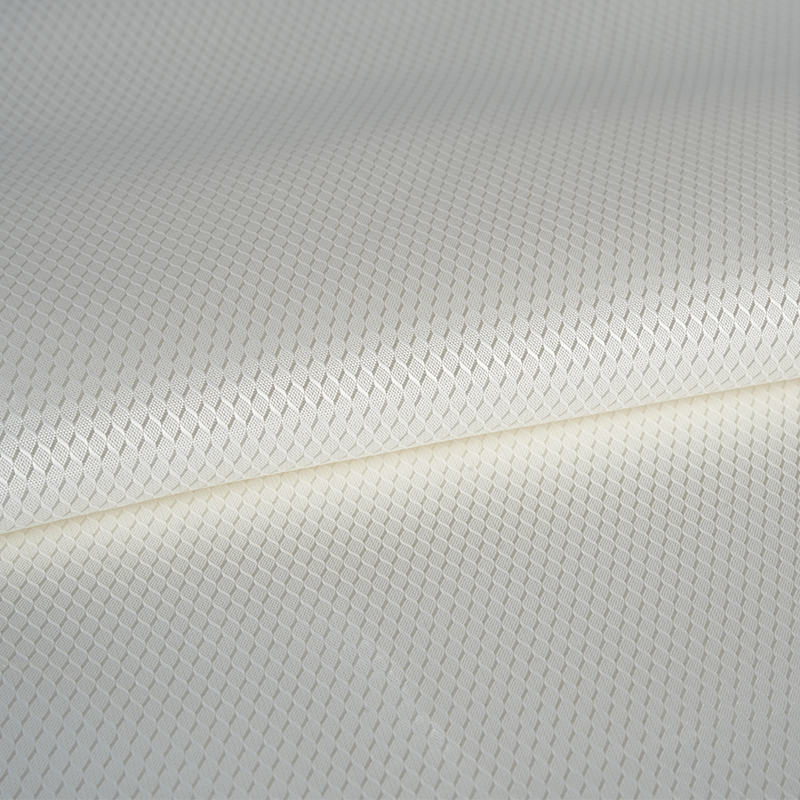 Polyester Cationic Water Ripple Lining FabricThis lining combines cationic dyeing with jacquard weaving to create a flowing water-ripple texture. It offers good colorfastness, a soft hand, and subtle visual depth, making it a dependable choice for jackets, coats, and down garments where inner details matter.View Product →
Polyester dobby can also be made with cationic yarns, which produce a subtle difference in color or luster. For a wave-like motif, a cationic wave jacquard gives the inner surface more movement while staying soft enough to sew.
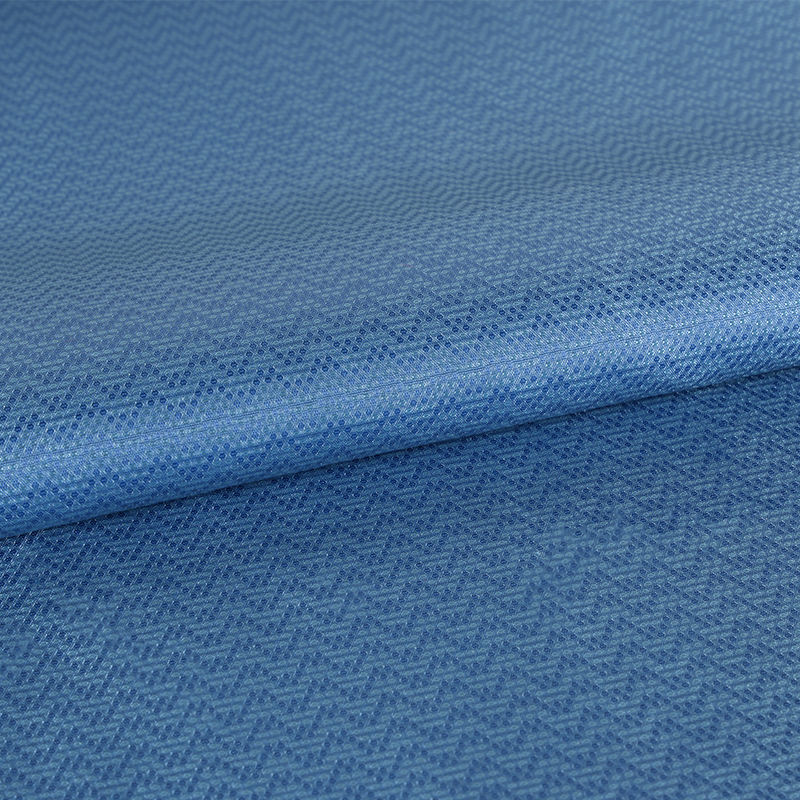 Polyester Cationic Wave Jacquard LiningFeaturing a rhythmic wave pattern achieved through jacquard weaving and cationic fibers, this lining shows a two-tone effect with moderate luster. Its wrinkle resistance and dimensional stability suit garments needing both functional performance and refined inner design.View Product →
PV and PV-Based Dobby
PV dobby usually blends polyester with viscose. The addition of viscose improves absorbency and reduces static electricity, which is useful for dresses and skirts. It also drapes better than a pure polyester version. If you are making a skirt or summer blazer, PV dobby often behaves closer to a natural-fiber lining.
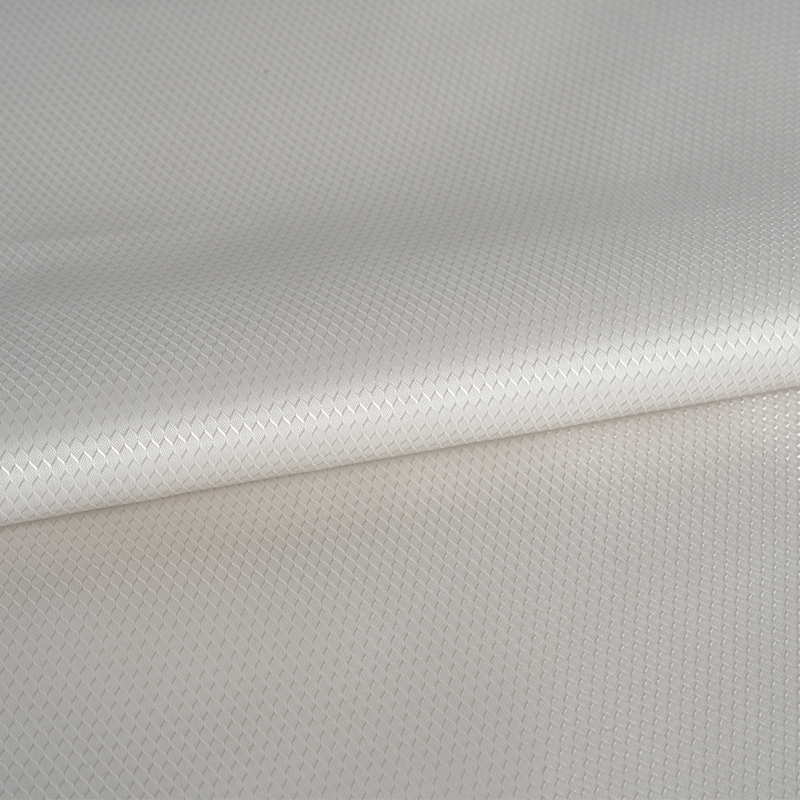 PV Water Ripple Fabric (52% Polyester, 48% Viscose)A lightweight blend of polyester and viscose with a distinctive water-ripple texture. It drapes smoothly, reduces static, and offers a more natural-fiber feel—ideal for dresses, skirts, or summer blazers that require breathable, comfortable lining.View Product →
Viscose and Acetate Linings
For premium labels, viscose or acetate dobby linings are preferred. They feel smooth and breathable but are more expensive and require more careful fabric control. These are usually chosen after colorfastness and shrinkage tests.
What to Check Before Ordering Dobby Lining
Sourcing dobby lining is straightforward, but a few checks prevent common defects.
- Confirm the density. Polyester dobby is often described as 190T, 210T, or 300T. A lower count is cheaper but can be more transparent and easier to seam-slip.
- Confirm the fiber ratio. A small amount of spandex improves stretch, while a high viscose content changes drape and shrinkage.
- Ask for colorfastness to rubbing and washing. Dark dobby linings can transfer dye if finished poorly.
- Check shrinkage on a labelled base fabric. Dobby linings with cationic yarns have a slightly different shrink behavior than plain taffeta.
- Request a strike-off or sample for shade approval. A small pattern makes shade differences easier to see, but the real issue is usually the base white and the percentage of cationic yarn.
- Confirm the roll length and width. Pattern repeats do not need matching in most garment linings, but sleeve panels sometimes require a specific gate width.
Demand in the lining market has shifted toward more differentiated interior fabrics, which means dobby is no longer a niche choice but a standard tool for factories and brands looking for design variation without a full jacquard budget. Read how lining demand has become more diversified.
Common Applications of Dobby Lining
Dobby lining is not limited to suiting. It appears in several categories where the inside of the product is visible or where a small amount of texture helps performance:
- Tailored jackets and blazers: delivers structure, a slight grip on the outer layer, and a designer detail on the inside.
- Coats and trench coats: the motif weave adds stability against wind pressure and helps the lining move with the body.
- Dresses and skirts: viscose-rich or PV dobby provides breathability and a soft drape around the legs.
- Trousers: dobby lining reduces snagging on underlayers and gives a smoother hang.
- Bags and backpacks: polyester dobby resists abrasion and hides scuffs in daily use.
- Sleeve linings in rainwear: a tightly woven dobby can be combined with a PU coating to improve water resistance.
Working With a Lining Supplier on Dobby Programs
For a buying office or brand, the best way to evaluate dobby lining is to test it in an actual garment. The way a lining behaves in a hanging sleeve, a center back seam, or a curved pocket changes with the seam allowance and the fusible interlining. Do not rely on hand feel alone.
When you work with a supplier who produces dobby lining regularly, you can shorten the sampling time. Ask for a color card that shows the base fabric density, the available geometric patterns, and the same motif in several fibers. If your design calls for a specific motif, verify that the repeat is suitable for the panel size. A large pattern repeated over a small garment may require more fabric than a flat lining.
If you are planning a collection across jackets, coats, and skirts, a set of three to five dobby patterns in polyester and PV fabric is enough to cover most bases. Start with the density and drape you need, then select a motif that matches the garment style.
The Bottom Line
Dobby lining combines a practical weave with a subtle decorative effect. It behaves more stably than plain lining, costs less and weighs less than jacquard, and gives tailors and designers room to build a clear seasonal message. Begin with fiber, density, and skin contact properties, then choose the motif. That order gives you a lining that looks designed and still works as a lining.
To evaluate dobby lining on your own sample table, browse our lining range and ask for swatches before ordering.


 +86-81163100 / +86-13957571090
 Room B12148, Wanguo Center, No. 1388, Jinkeqiao Avenue, Keqiao, Shaoxing, Zhejiang, China