

 English
 中文简体
中文简体
Introduction to crepe chiffon fabric
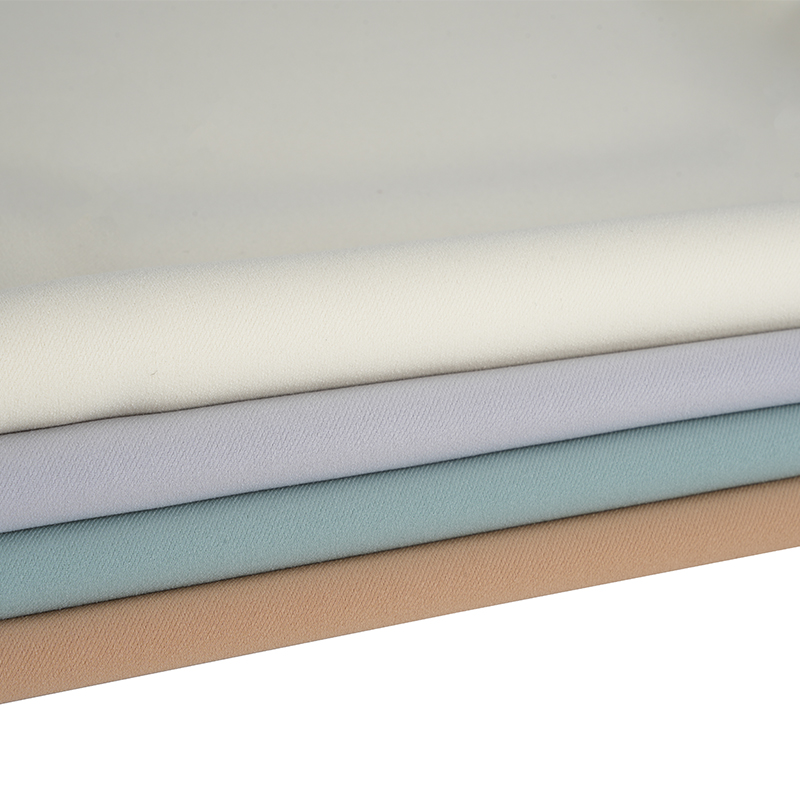
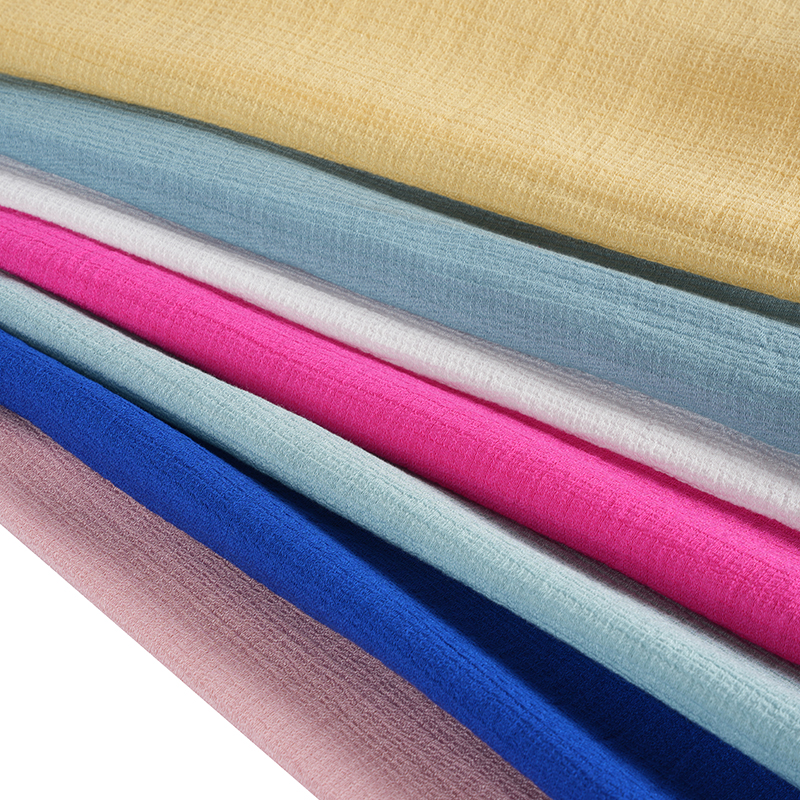
Crepe chiffon is a lightweight, sheer fabric known for its soft drape and slightly crinkled texture. It is typically made from silk, polyester, or blends that provide a combination of fluidity and durability. The unique texture of crepe chiffon gives it a subtle surface grain, which adds visual interest and helps the fabric maintain shape without excessive stiffness. These characteristics make it a versatile material in fashion applications, including garments such as dresses, blouses, and scarves.
Properties that influence garment suitability
The suitability of crepe chiffon for different types of clothing depends largely on its intrinsic properties. The fabric is lightweight, allowing for natural draping and flow, which enhances the appearance of garments that require fluidity. Its semi-sheer quality provides a delicate look, often complemented by lining or layering. The fabric also possesses moderate tensile strength, which supports careful tailoring without excessive tearing. Its slightly textured surface helps reduce the appearance of wrinkles and contributes to a soft tactile experience.
Use of crepe chiffon in dresses
Crepe chiffon is often used in making dresses that emphasize drape, movement, and elegance. Its lightweight and flowing nature allow for layered designs, pleating, and gathered detailing, which are difficult to achieve with stiffer fabrics. Crepe chiffon is particularly well-suited for evening wear, summer dresses, or cocktail attire, where lightness and fluidity enhance comfort and visual appeal. Lining is commonly applied to improve opacity and provide support, especially in garments that require structural stability.
Use of crepe chiffon in blouses
Blouses made from crepe chiffon benefit from the fabric’s soft drape and comfortable feel against the skin. The material allows for flowing sleeves, gentle gathers, and elegant necklines, while remaining breathable and lightweight for daily wear. Crepe chiffon blouses can be semi-formal or casual, depending on styling, pattern, and layering. Due to its sheer quality, attention to lining or underlayers is important to achieve a balanced look without transparency concerns.
Use of crepe chiffon in scarves
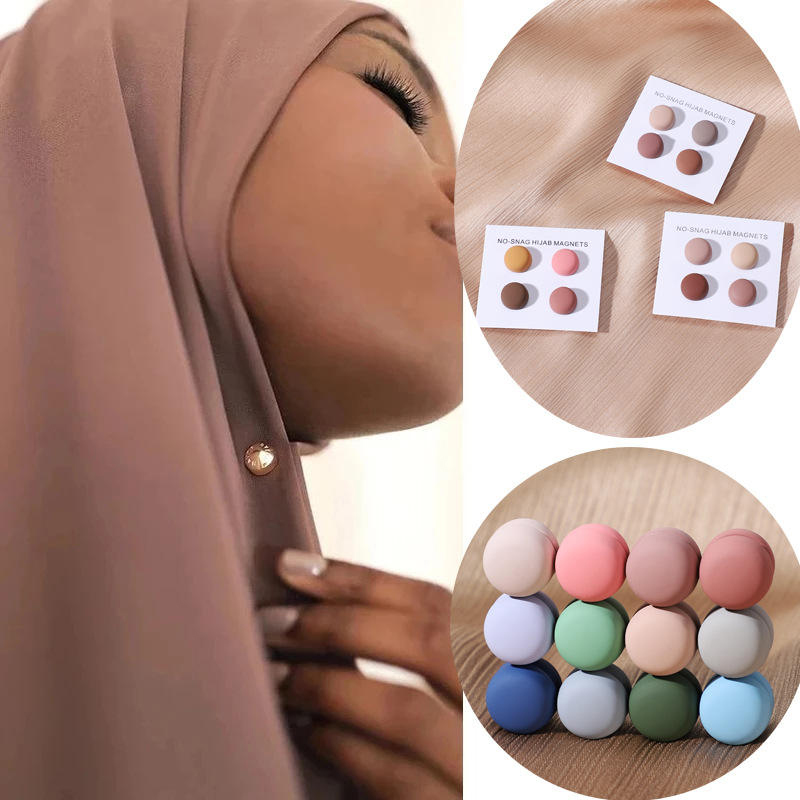
Scarves crafted from crepe chiffon take advantage of the fabric’s lightweight, soft, and slightly textured characteristics. The material drapes smoothly around the neck and shoulders, providing both aesthetic appeal and comfort. Its translucent nature adds visual depth, allowing layering and pattern play to enhance styling options. Crepe chiffon scarves are suitable for both functional and decorative purposes, providing light coverage while maintaining a delicate appearance.
Comfort and breathability considerations
Crepe chiffon fabric generally offers good comfort due to its light weight and breathable nature. When used in dresses and blouses, it allows air circulation, making garments comfortable for warmer conditions. Its softness also provides a pleasant tactile experience against the skin, which is especially important for garments worn over extended periods. Breathability and fluidity make the fabric suitable for layering without causing excessive heat retention.
Handling and maintenance aspects
Crepe chiffon requires careful handling during cutting, sewing, and pressing to maintain its delicate structure. Fraying along raw edges and snagging can occur if attention is not given to seam finishing and needle selection. Lightweight interfacing or lining is often used to reinforce blouses and dresses. For scarves, minimal finishing may be necessary, as the natural edges and drape contribute to aesthetic appeal. Maintenance typically involves gentle washing or dry cleaning to preserve texture and prevent distortion.
Visual and aesthetic appeal
The semi-sheer, textured appearance of crepe chiffon lends a sense of lightness and sophistication to garments. It captures light subtly, enhancing the visual depth of layers and folds. This quality is desirable in dresses that emphasize movement, blouses with soft draping, and scarves that can be styled in various ways. The fabric’s subtle texture also adds a tactile dimension, enhancing the overall perception of quality and refinement without relying on heavy embellishments.
Durability and structural stability in garments
While lightweight, crepe chiffon provides adequate strength for garments with careful construction. Reinforced seams, appropriate linings, and layered designs contribute to structural stability. Dresses and blouses benefit from stability in critical areas such as shoulders, armholes, and waistlines, where additional support is applied without compromising fluidity. For scarves, structural considerations are minimal, focusing instead on edge finishing and resistance to fraying.
| Garment Type | Key Fabric Requirement | Crepe Chiffon Advantage |
|---|---|---|
| Dress | Flow, drape, elegance | Lightweight, soft texture, good drape for layering and pleats |
| Blouse | Comfort, breathability, soft drape | Soft feel, lightweight, allows delicate gathers and necklines |
| Scarf | Light coverage, smooth drape | Lightweight, translucent, flexible styling options |
Pattern and design flexibility
Crepe chiffon accommodates a wide range of patterns and designs due to its pliable nature. Designers can create gathered bodices, pleated skirts, ruffles, and layered panels in dresses. In blouses, it supports billowy sleeves, flowing panels, and soft collars. Scarves can incorporate complex folds, knots, and drapes while maintaining a light feel. This flexibility makes crepe chiffon suitable for both intricate designs and simpler styles without altering the fabric’s natural behavior.
Suitability for seasonal and layered wear
The lightweight and breathable nature of crepe chiffon makes it especially suitable for spring and summer clothing. Layering over other fabrics or lining for opacity enhances versatility without reducing comfort. In scarves, layering can add visual interest and warmth without significant weight, making it practical for transitional weather. For dresses and blouses, pairing with linings or undergarments ensures both aesthetic and functional suitability.
Color and print adaptability
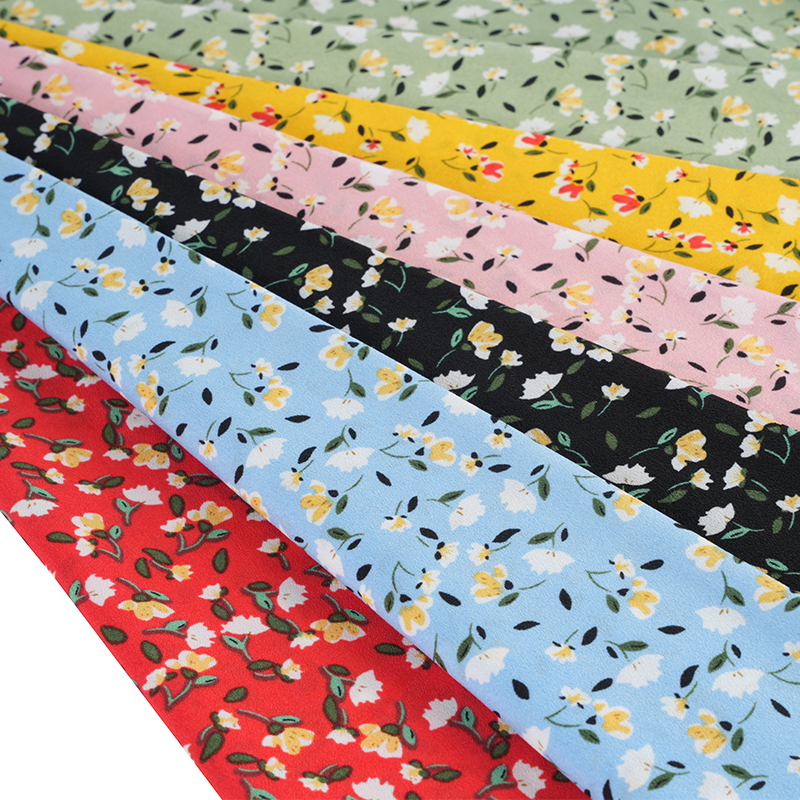
Crepe chiffon accepts dyes and prints effectively, which allows a wide range of color palettes and patterns. This property enhances the versatility of dresses, blouses, and scarves, allowing designers to experiment with gradients, floral patterns, abstract designs, and digital prints. The lightweight fabric ensures that patterns remain visible without distortion, contributing to the overall aesthetic impact of the garment.
Long-term wearability considerations
With appropriate construction and handling, garments made from crepe chiffon maintain wearability over time. Dresses and blouses benefit from reinforced stitching and lined panels to reduce stress on critical points. Scarves retain shape and texture with careful washing and storage. The combination of lightweight, drape, and durability supports practical long-term use while maintaining visual appeal.
Overall assessment for dresses, blouses, and scarves
Crepe chiffon fabric is suitable for making dresses, blouses, and scarves due to its combination of lightweight, soft drape, breathability, and aesthetic appeal. Its semi-sheer quality allows layered styling, while its subtle texture adds visual depth. Careful attention to lining, seam reinforcement, and finishing ensures that garments retain structural stability and comfort. Across various garment types, crepe chiffon provides flexibility in design, color, and seasonal adaptability, making it a widely utilized fabric in contemporary fashion applications.
 Previous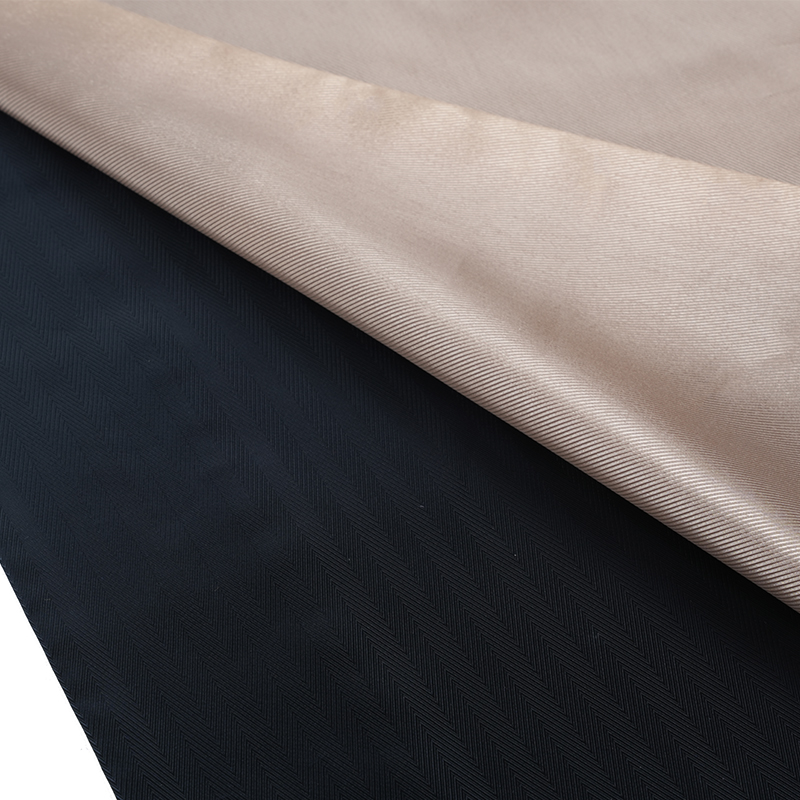

 +86-81163100 / +86-13957571090
 Room B12148, Wanguo Center, No. 1388, Jinkeqiao Avenue, Keqiao, Shaoxing, Zhejiang, China