

 English
 中文简体
中文简体
The Absolute Technical Standard for Premium Garment Interior Architecture
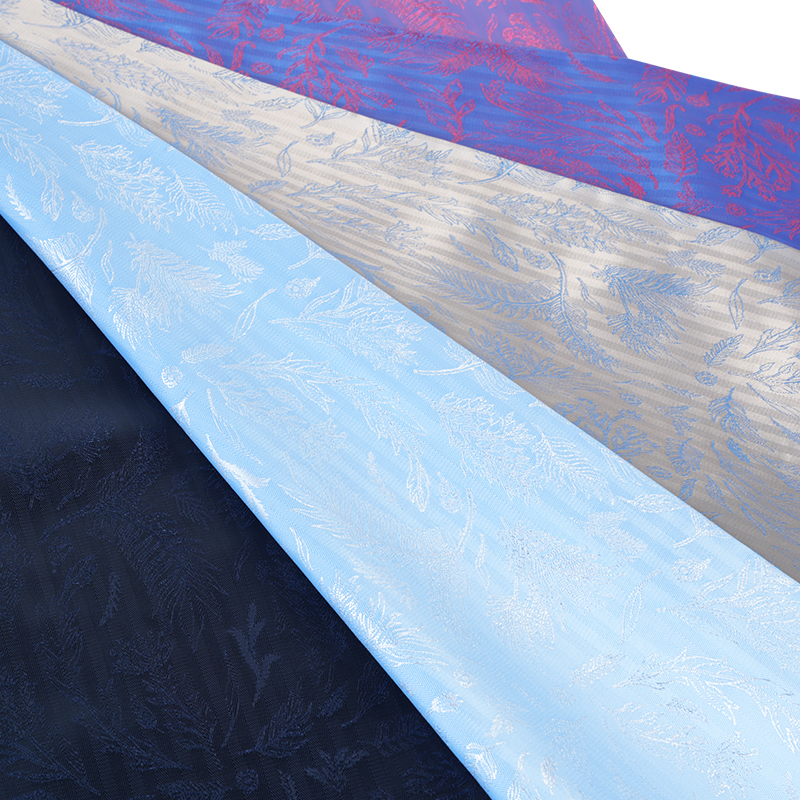
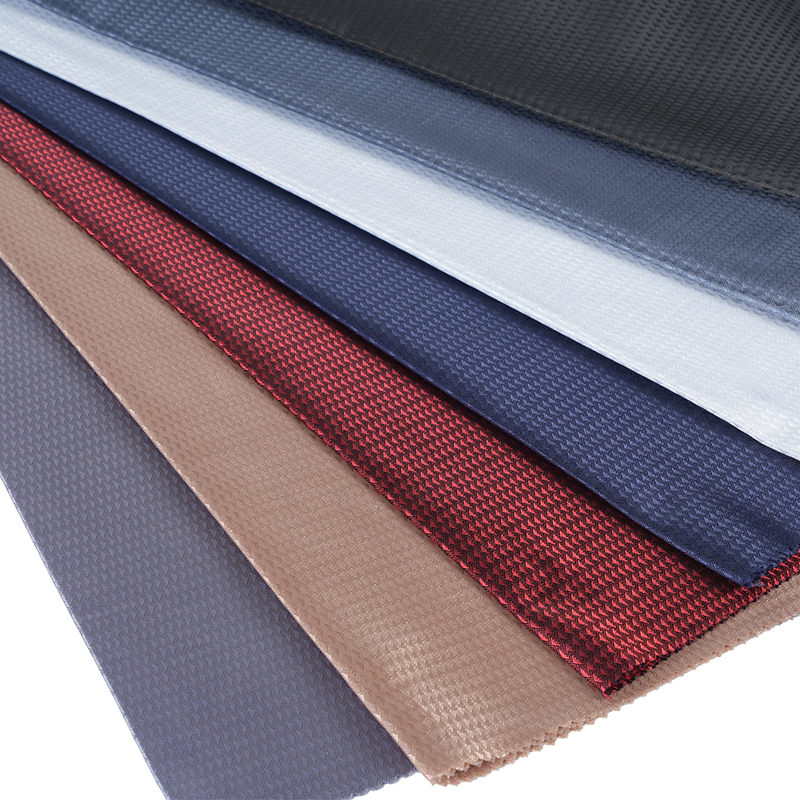
Upgrading the structure, drape, and visual identity of high-end tailoring requires specifying a specialized jacquard lining manufactured with intricate, loom-woven patterns rather than surface-printed motifs. This micro-engineered interior textile acts as a vital protective and mechanical layer, lowering localized friction during wear, managing ambient microclimates near the skin, and reinforcing external seams against distortion. Integrating an advanced jacquard weave layout into premium coats, suits, and outerwear represents a comprehensive solution that improves garment lifecycles by up to 40 percent, delivers smooth multi-directional gliding properties, and adds distinct aesthetic textures without compromising breathability or adding unnecessary bulk.
Mechanical Engineering and Weave Mechanics of Jacquard Components
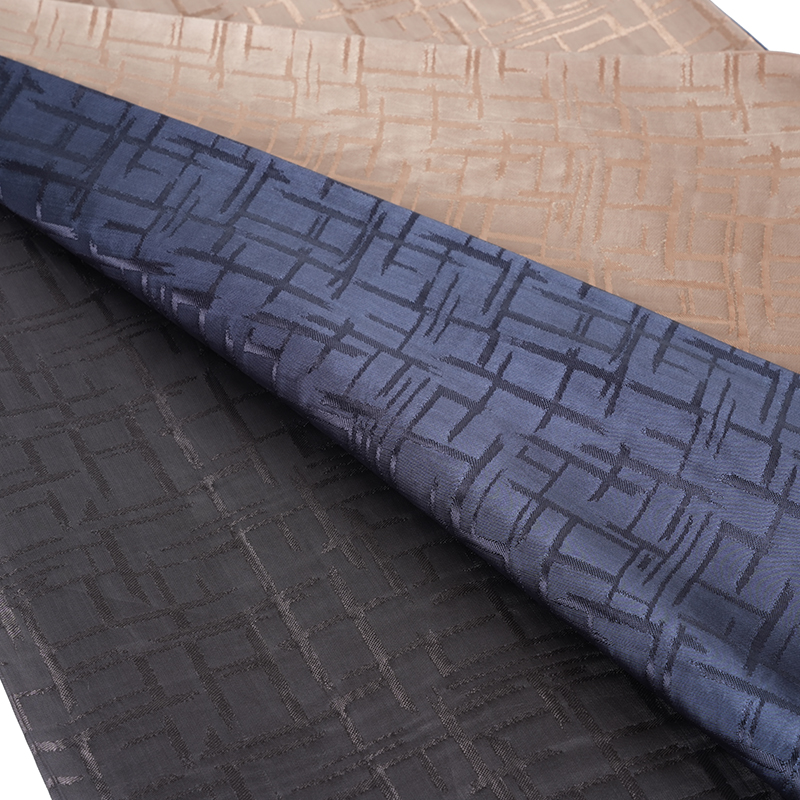
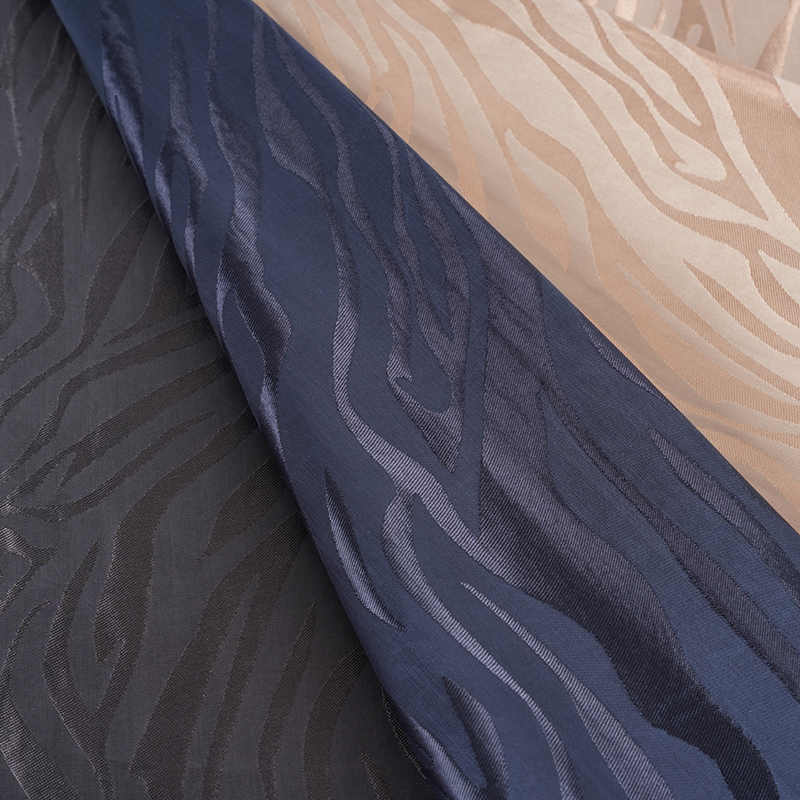
The production of jacquard lining relies on complex mechanical control mechanisms during the weaving process. Unlike standard lining variants—such as plain-woven taffeta or simple diagonal twills—jacquard textiles feature intricate imagery or patterns woven directly into the structural grid of the fabric. This is achieved by utilizing advanced computerized jacquard heads that electronically lift individual warp yarns independently of one another. As the filling yarn travels across the loom, this independent lift control alternates between sateen, twill, and plain weave structures down to a millimeter level, creating beautiful contrasts of light absorption and surface reflection across the fabric.
This structured alternation of floating and interlaced yarns does more than just produce appealing visual patterns; it fundamentally alters the mechanical behavior of the lining fabric. By placing longer yarn floats on the exposed face of the textile, engineers significantly lower the fabric's coefficient of friction. When a wearer slides their arms into a tailored sports coat, the smooth surface of the jacquard panels allows the garment to glide effortlessly over wool, cotton, or knit underlayers. Minimizing this surface resistance prevents annoying fabric binding or bunching, reduces localized wear stress along the sleeve cap and underarm panels, and protects the exterior shell material from stretching out of shape over time.
Comparative Design Frameworks: Viscose Rayon, Cupro Bemberg, and Silk Inlays
Pattern designers and apparel manufacturers choose specific raw material compositions when sourcing a jacquard lining substrate. The chosen fiber blend determines the final garment's moisture management, static dissipation properties, and general long-term wear resilience.
Cupro Bemberg Regenerated Cellulose Fibers
Cupro Bemberg represents an exceptional standard for tailored outerwear linings. Made from regenerated cotton linters—the fine, silky fibers surrounding the cotton seed—cupro fibers feature an incredibly smooth, round cross-section that mimics the luxurious hand feel of natural silk. Cupro jacquard textiles are highly valued for their moisture absorption and release properties, drawing sweat away from the body to keep the wearer comfortable across varying seasonal temperatures. Furthermore, cupro fibers are naturally anti-static, preventing the irritating cling issues common with synthetic alternatives in dry winter climates.
Viscose and Acetate Polymer Blends
Viscose rayon and acetate combinations serve as the reliable backbone for commercial luxury and ready-to-wear tailoring. These wood-pulp-derived cellulosic polymers provide excellent affinity for dyes, allowing mills to create vibrant two-tone color shifts across jacquard patterns. Viscose provides an elegant, fluid drape that follows the natural movement of the outer garment shell, while the addition of acetate fibers enhances the material's crisp structural stability and wrinkle recovery. This blend balances technical performance with accessible production costs, making it a popular choice for high-volume sartorial programs.
Performance Analysis of Lining Textile Compositions
Sourcing the correct jacquard lining configuration requires matching the material's physical properties against the lifestyle demands and environmental conditions the garment will face. The table below compares the primary structural textile choices utilized across premium garment manufacturing networks.
| Lining Material Blend | Moisture Regain Rating | Static Accumulation Risk | Abrasion Resistance Cycle Limits |
|---|---|---|---|
| Cupro Bemberg Jacquard | High (11.0% Baseline) | Extremely Low (Self-Dissipating) | High (Exceeds 30,000 Rubs) |
| Viscose / Acetate Blend | Moderate (8.5% to 9.0%) | Low to Moderate | Moderate (20,000 to 25,000 Rubs) |
| Pure Mulberry Silk Jacquard | Exceptional (12.5% Maximum) | Low | Low (Prone to local friction yarn shifts) |
Tailoring Integration and Cutting Room Protocols
Integrating jacquard lining into a production layout requires modifications to typical apparel manufacturing workflows. Because jacquard patterns create structural asymmetry and directional shine, workshops use specialized handling protocols:
- Enforce One-Way Nap Alignment Layouts: Jacquard lining must always be mapped and cut using a strict one-way cutting direction. Because the light reflects off the floating satin yarns differently depending on the viewing angle, reversing a pattern piece can cause adjacent panels inside a jacket to look mismatched in shade.
- Incorporate Expansion Center Pleats: Tailors avoid cutting back lining panels flush to the outer shell dimensions. Instead, an expansion pleat of 0.5 to 0.75 inches is designed into the center back line. This extra fabric acts as a mechanical buffer when the wearer reaches forward, stopping the lining from snapping under tension.
- Calibrate Sewing Machine Feed Dogs: The long satin floats characteristic of detailed jacquard weaves can snap or snag if machined improperly. Technicians swap coarse transport teeth for fine-gauge feed dogs, apply thin Teflon-coated presser feet, and use sharp ballpoint needles sized around 65/9 to 70/10 to sew clean, flat seams without puckering.
Step-by-Step Assembly and Installation Protocol for Jacket Back Inlays
Assembling and sewing a jacquard inner structure into a structured jacket requires a precise, orderly sequence to ensure the lining stays flat and aligns neatly with the outer sleeve openings and shoulder pads:
- Stay-Stitch Curved Perimeter Seams: Run a supportive lockstitch row 0.125 inches inside the raw cut edge along the armholes and neckline. This quick pass locks the floating jacquard weave pattern together, preventing individual threads from fraying during handling.
- Construct and Press the Back Comfort Pleat: Fold the extra center-back fabric allowance over to create the expansion ease pleat. Baste the fold flat across the top neckline and bottom hem edges, then apply a low-temperature steam iron using a protective pressing cloth to set the crisp crease.
- Attach the Lining Assembly to the Facing: Pin the assembled jacquard front lining sections to the inner wool front facings, matching all pre-cut notches carefully. Guide the panels through the sewing machine, keeping a standard 0.5-inch seam allowance, and press the seam allowances flat toward the lining side.
- Secure Internal Jump Pleats at the Hem: When securing the lining hem to the jacket sleeve and bottom jacket edges, leave a loose fold or slip layer of about 0.25 inches. This floating jump pleat keeps the lining from pulling tightly on the outer wool shell, preventing puckered or distorted hem lines.
Economic Evaluation and Production Asset Value Lifecycle
Sourcing premium jacquard lining requires balancing higher initial material costs against the improved long-term market value of the finished garment. Choosing cheap polyester linings can save money upfront, but synthetic linings trap heat, static electricity, and sweat, reducing consumer satisfaction and shortening the wearable life of the garment.
Consider a luxury fashion line manufacturing a run of 1,000 premium men's tailored overcoats. Opting for a generic polyester taffeta lining minimizes basic manufacturing costs, allowing a lower wholesale target. However, upgrading the collection to use a custom-woven cupro jacquard lining completely transforms the product profile. While the premium jacquard material increases raw fabric expenditure per garment, the resulting improvement in breathability, anti-static slip, and brand presentation allows the collection to position itself within higher luxury tiers. This material upgrade pays off by driving faster retail turnarounds and building lasting brand value that justifies the premium investment over multiple fashion seasons.
 Previous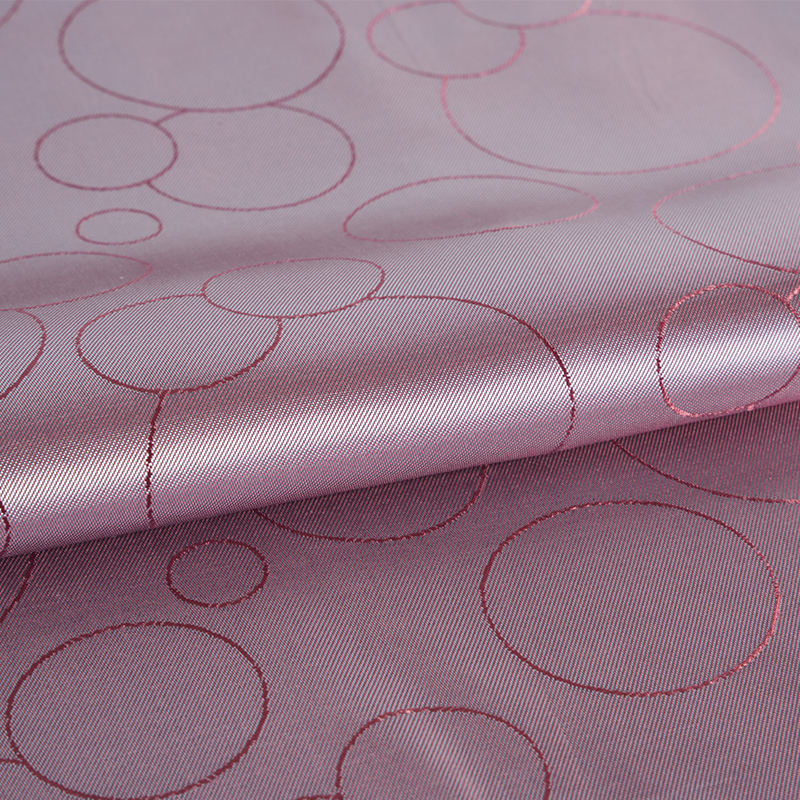

 +86-81163100 / +86-13957571090
 Room B12148, Wanguo Center, No. 1388, Jinkeqiao Avenue, Keqiao, Shaoxing, Zhejiang, China