
 English
 中文简体
中文简体
What is Viscose Fabric?
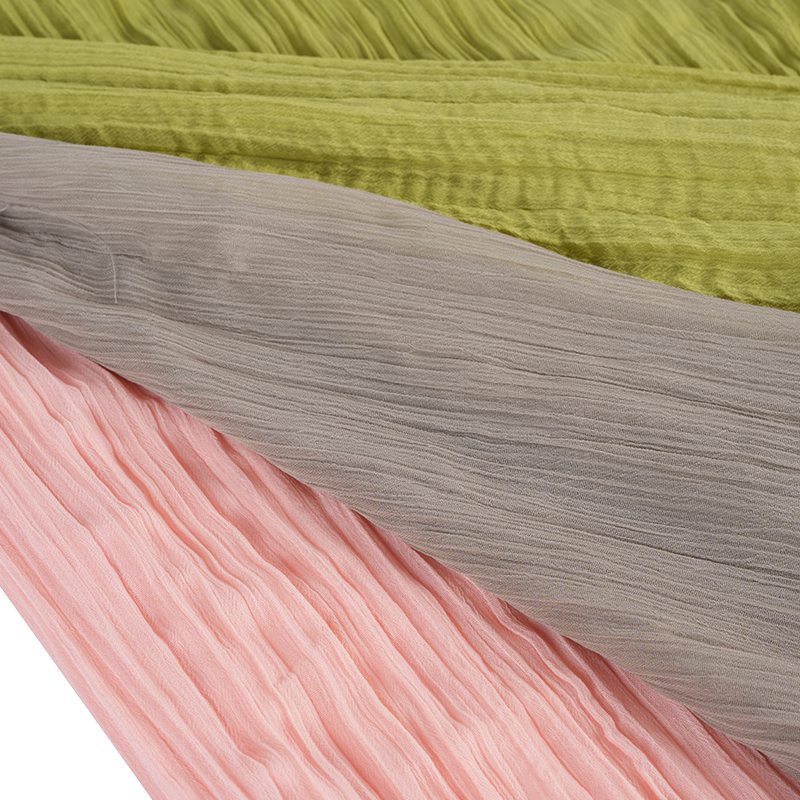
Viscose fabric, also known as rayon, is a semi-synthetic fiber made from natural materials like wood pulp or bamboo. It is one of the most commonly used fabrics in the textile industry due to its versatility, softness, and affordability. Viscose offers a silk-like feel and drape, making it popular in both fashion and home décor applications. The fabric is produced by chemically processing cellulose from wood pulp, which results in a lightweight, breathable, and absorbent material.
Benefits of Viscose Fabric
Viscose fabric offers a range of benefits, making it an attractive choice for manufacturers and consumers alike. Some of the key advantages include:
- Soft and smooth texture, often compared to silk or cotton.
- Highly breathable, allowing for comfort in both warm and cool weather.
- Moisture-wicking properties that help to keep the skin dry.
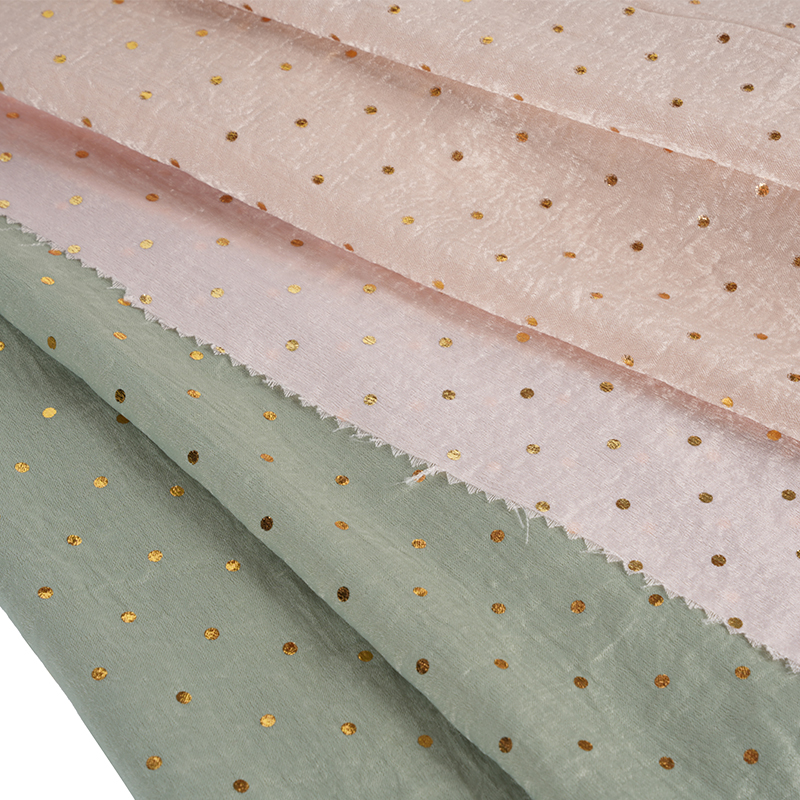
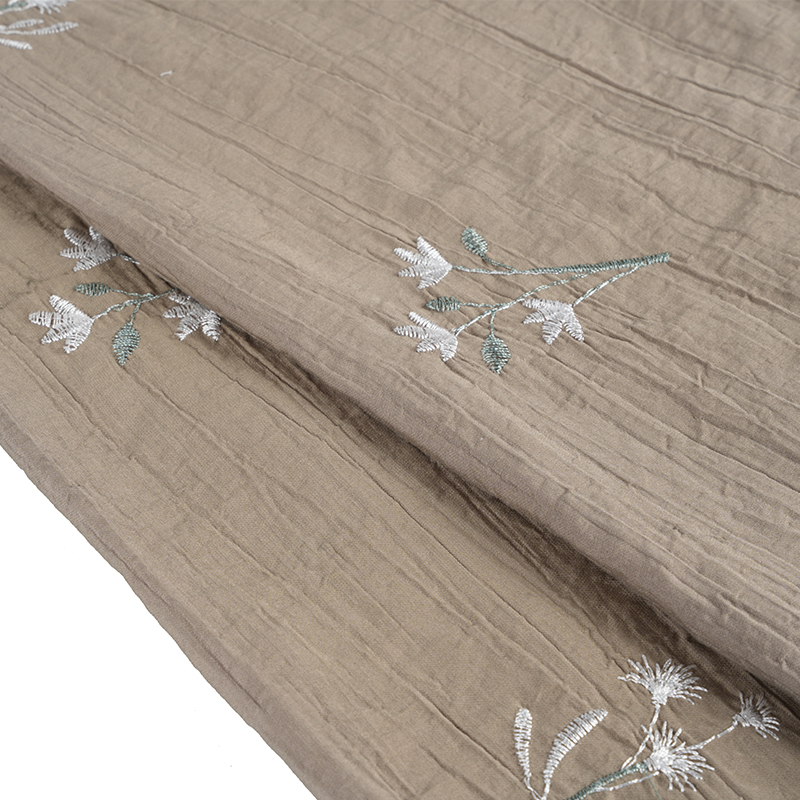
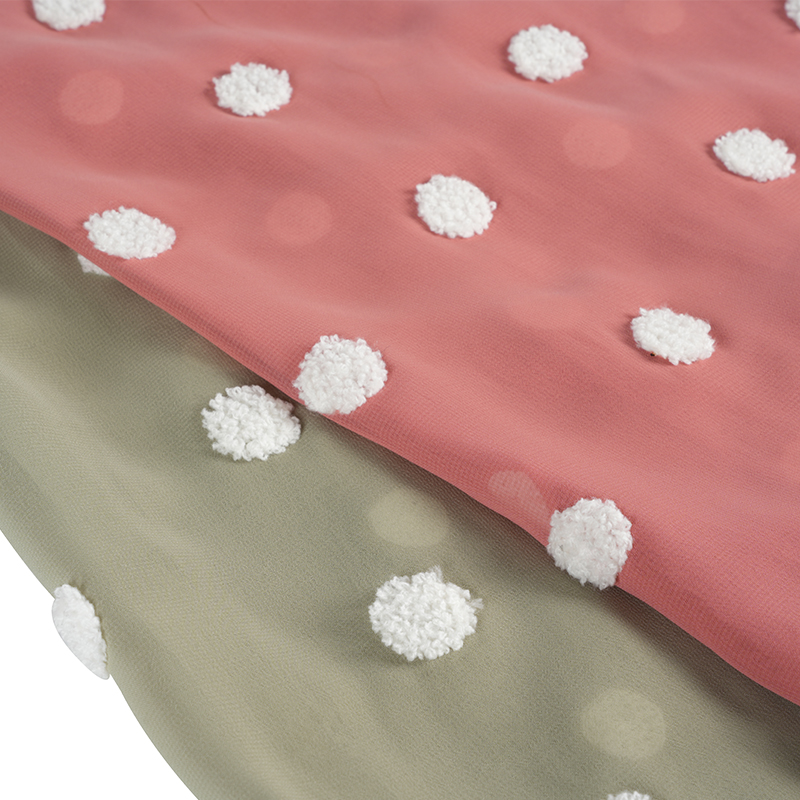
- Highly versatile in terms of dyeing and printing, offering vibrant colors.
- Affordable compared to natural fibers like silk.
Types of Viscose Fabric
Viscose fabric comes in different types, depending on the manufacturing process and intended use. Each variation offers unique properties that cater to specific needs in fashion, interiors, and other industries. Below are some of the most popular types of viscose fabric:
1. Regular Viscose
Regular viscose is the most common form of the fabric, created through a simple process of dissolving wood pulp in chemicals. It has a smooth finish and is used widely in clothing such as blouses, dresses, and linings.
2. High Wet Modulus Viscose (HWM)
HWM viscose is stronger and more durable than regular viscose. It has improved wet strength, which makes it less prone to sagging or losing its shape when wet. This type is ideal for products like outerwear, bed linens, and upholstery.
3. Bamboo Viscose
Bamboo viscose is made from bamboo fibers rather than traditional wood pulp. It is eco-friendly and naturally biodegradable, making it a popular choice for sustainable fashion and products. It offers the same soft texture and breathability as regular viscose but with added environmental benefits.
4. Viscose Blend
Viscose can be blended with other fibers like cotton, polyester, or spandex to create fabric with enhanced properties. These blends offer additional strength, stretch, or wrinkle resistance, depending on the combination of fibers.
Applications of Viscose Fabric
Viscose fabric’s versatile characteristics make it suitable for a wide range of applications in various industries. Some of the key uses of viscose fabric include:
1. Fashion Industry
Viscose is widely used in the fashion industry for creating lightweight garments, including dresses, blouses, skirts, and trousers. The fabric’s soft feel, breathable nature, and vibrant color options make it an ideal choice for fashion designers looking to create comfortable, stylish pieces.
2. Home Décor
Viscose is also popular in home décor items like curtains, upholstery, and bed linens. Its ability to take dyes well means that it can be produced in a wide range of colors and patterns, which is ideal for interior design.
3. Medical Textiles
Viscose is used in the production of medical textiles, such as wound dressings, sanitary napkins, and diapers. Its absorbent properties make it an excellent material for products that require moisture absorption.
4. Nonwoven Fabrics
Viscose is often used in the manufacturing of nonwoven fabrics, which are commonly used in products like wipes, face masks, and filters. Its ability to be spun into fine fibers allows for the production of lightweight yet durable materials.
Care and Maintenance of Viscose Fabric
Viscose fabric requires gentle care to maintain its softness and prevent damage. Here are some important tips for caring for viscose fabric:
- Hand wash or machine wash on a delicate cycle with cold water to prevent shrinkage.
- Avoid wringing or twisting the fabric to prevent distortion.
- Air dry or lay flat to dry, as viscose can lose its shape if dried in a tumble dryer.
- Iron the fabric on a low setting to avoid burning or damaging the fibers.
Viscose vs. Other Fabrics
Viscose is often compared to other fabrics such as cotton, polyester, and silk. While it shares some qualities with these materials, it also has distinct differences:
| Fabric | Feel | Breathability | Durability | Maintenance |
|---|---|---|---|---|
| Viscose | Soft, silky | Highly breathable | Moderate | Gentle wash, air dry |
| Cotton | Soft, comfortable | Very breathable | High | Machine washable |
| Silk | Luxurious, smooth | Breathable, temperature regulating | Low | Dry clean |
 Previous

 +86-81163100 / +86-13957571090
 Room B12148, Wanguo Center, No. 1388, Jinkeqiao Avenue, Keqiao, Shaoxing, Zhejiang, China