
 English
 中文简体
中文简体
What Is Polyester Lining Fabric?
For most commercial garments, dyed polyester fiber lining is the most balanced choice among common polyester textile fabric options. Polyester lining is a woven or knitted fabric made from petroleum-derived polyester filaments or spun yarns, placed inside garments to cover seams, add structure, and help the garment slide on and off easily. It is not a single product; it is a family that includes smooth taffeta, soft pongee, durable twill, patterned dobby and jacquard, and stretch versions.
Polyester performs well as a lining because it is dimensionally stable, resists wrinkles and shrinking, and dries quickly. It also takes disperse dyes well, which is why dyed lining dominates the commercial apparel market. Depending on yarn thickness and weave density, the same fiber can produce a lightweight lining fabric collection for blouses or a structured lining for tailored coats. In short, polyester offers the widest usable range of performance per dollar of any common lining fiber.
Why Choose Polyester Fiber for Lining Applications?
The right lining material depends on the garment type, care instructions, and budget. The table below compares polyester with the four fibers most often used for lining: viscose, acetate, cotton, and silk.
| Fiber | Key strengths | Limitations | Best used for |
|---|---|---|---|
| Polyester | Durable, wrinkle-resistant, quick-drying, stable supply | Less breathable; needs finishing for a premium hand feel | Suits, jackets, outerwear, everyday wear |
| Viscose (rayon) | Soft hand, good drape, more natural moisture absorption | Can shrink, wrinkle, and weaken when wet | Dresses, blouses, and lined garments with gentle care |
| Acetate | Luxurious sheen, smooth glide, good drape | Higher cost, lower abrasion resistance | High-end dresses and tailored women’s wear |
| Cotton | Breathable, absorbent, natural feel | Wrinkles, shrinks, and is heavier in weight | Casual jackets and garments where cotton touch matters |
| Silk | Premium appearance, breathable, soft | Expensive, delicate, often requires dry cleaning | Luxury garments and ceremonial wear |
If your priorities are cost stability, durability, and consistent color, polyester is usually the safest choice. If the design calls for a flowing drape and a more breathable natural hand, consider viscose or acetate. For activewear and fitted garments, stretch polyester is the practical option. For even higher-end programs, premium lining alternatives such as cupro and high-quality acetate offer a more luxurious touch, but they come with a higher price and usually require more careful maintenance. Recycled polyester (rPET) linings are also becoming a growing option for sustainability-conscious collections, though they still need the same scrutiny on dye consistency and hand feel.
Understanding Dyed Polyester Lining: Key Technical Specifications
When you evaluate dyed lining, you are really evaluating three variables: yarn thickness, fabric density, and weave construction. Together they determine weight, drape, strength, and how the lining will behave in the finished garment.
Yarn Denier
Denier (D) measures the linear density of the polyester yarn. A 75D yarn is light and smooth, suitable for blouses, skirts, and lightweight jackets. Standard outerwear linings typically range from 100D to 120D, offering more body without excessive bulk. Heavier yarns are used for winter coats and workwear where abrasion resistance matters more than drape.
Fabric Density
Density is expressed by the “T” number, such as 190T, 210T, or 300T. A higher T count means more warp and weft threads per inch, producing a finer, tighter, and more uniform surface. A 190T taffeta is lightweight and economical, while a 300T pongee feels noticeably smoother and more compact. Density also affects cost because higher T counts consume more yarn and require more precise weaving.
Weave Construction and Finishing
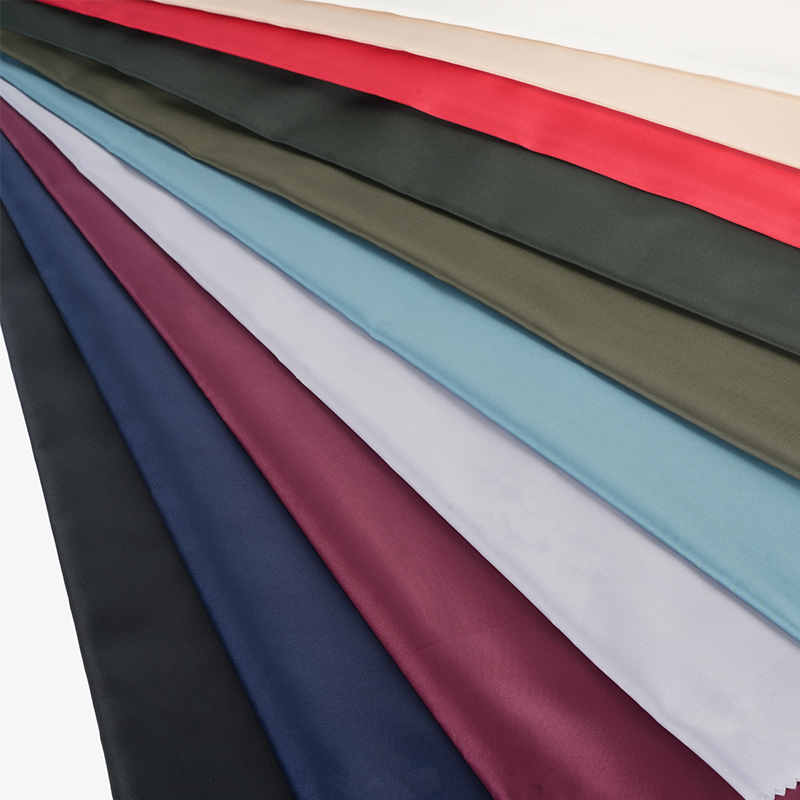
Plain weaves provide a smooth, crisp surface; twill weaves add durability and a subtle diagonal texture; satin weaves deliver sheen; and jacquard or dobby patterns create texture, logos, or small decorative motifs. After weaving, dyeing and finishing determine the final colorfastness and hand feel. Look for disperse-dyed polyester with consistent shade matching, adequate rubbing and washing fastness, and an anti-static or soft-touch finish when the garment requires it.
Common Types of Polyester Lining and Their Best Uses
Here is how the main polyester lining categories translate into real garment decisions.
- Taffeta. A plain-weave polyester lining with a smooth, crisp hand. It is the default choice for suit jackets, blazers, and lightweight coats because it holds its shape and does not cling to the outer fabric. For light-to-medium-weight garments, a 190T polyester taffeta lining
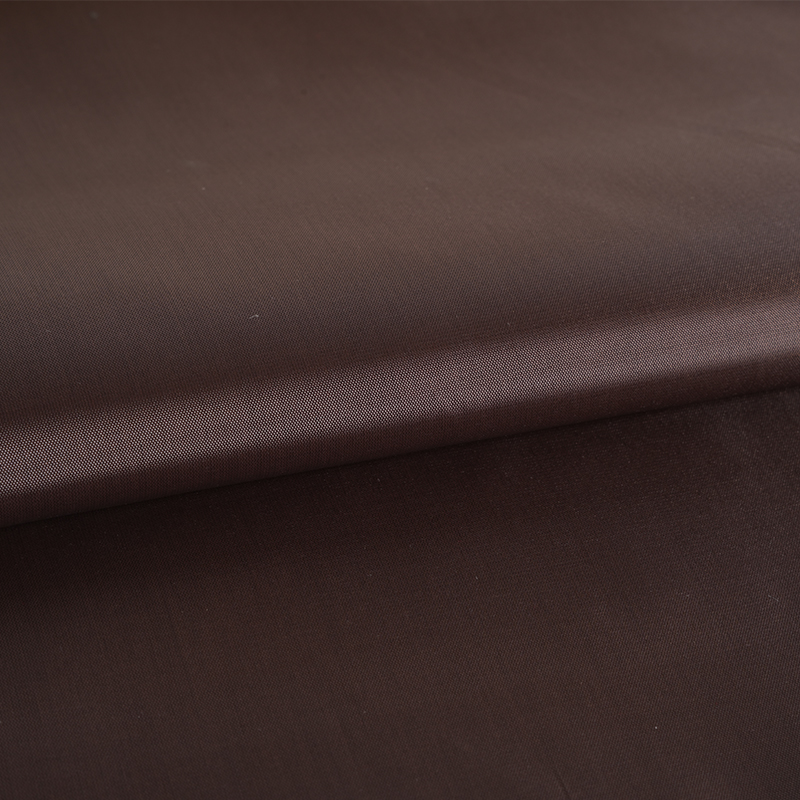 Wholesale 63D*66D 190T Polyester Taffeta Fabraic Suppliers, FactoryShaoxing Yongjun Textile Co.,Ltd is China wholesale 63D*66D 190T Polyester Taffeta Fabraic suppliers and factory. Item: P11001-56 We...View Product → provides a good balance of structure, weight, and cost.
 - Pongee. A plain-weave lining made from finer yarns with a softer, more casual hand. It drapes better than taffeta, making it useful for anoraks, storm coats, and dresses. A 210T pongee lining fabric
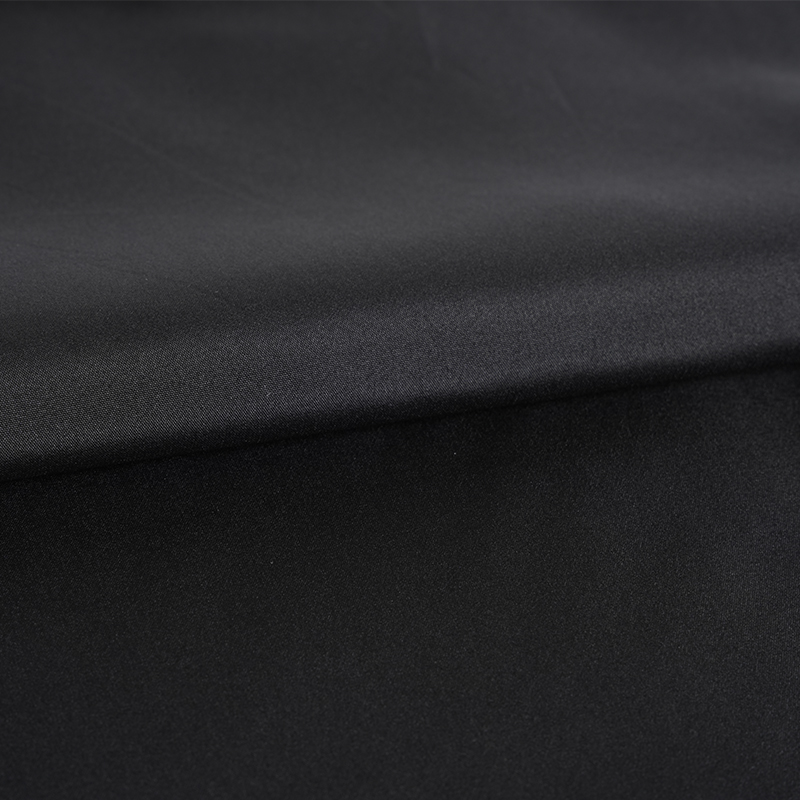 Wholesale Soft 210T Polyester Pongee Woven Fabric for Lining Suppliers, FactoryShaoxing Yongjun Textile Co.,Ltd is China wholesale Soft 210T Polyester Pongee Woven Fabric for Lining suppliers and factory. Item: P1...View Product → is one of the most widely stocked specifications in the market because it suits a broad range of mid-weight garments.
 - Twill. The diagonal rib construction gives twill linings better resistance to abrasion and tearing. Shumei twill and heavier twill weaves are common in workwear, uniform jackets, and trousers that get frequent use. Buyers who need sturdier options can start with the polyester twill lining collection
 Custom Polyester Twill Fabric/Lining Manufacturers, SuppliersAs China Polyester Twill Fabric Suppliers and Polyester Twill manufacturers, Shaoxing Yongjun Textile Co., Ltd. provide custom Polyester ...View Product →.
 - Stretch lining. Polyester blended with spandex is used for activewear, fitted dresses, and jackets made from stretch outer fabrics. It moves with the body and recovers its shape without restricting movement.
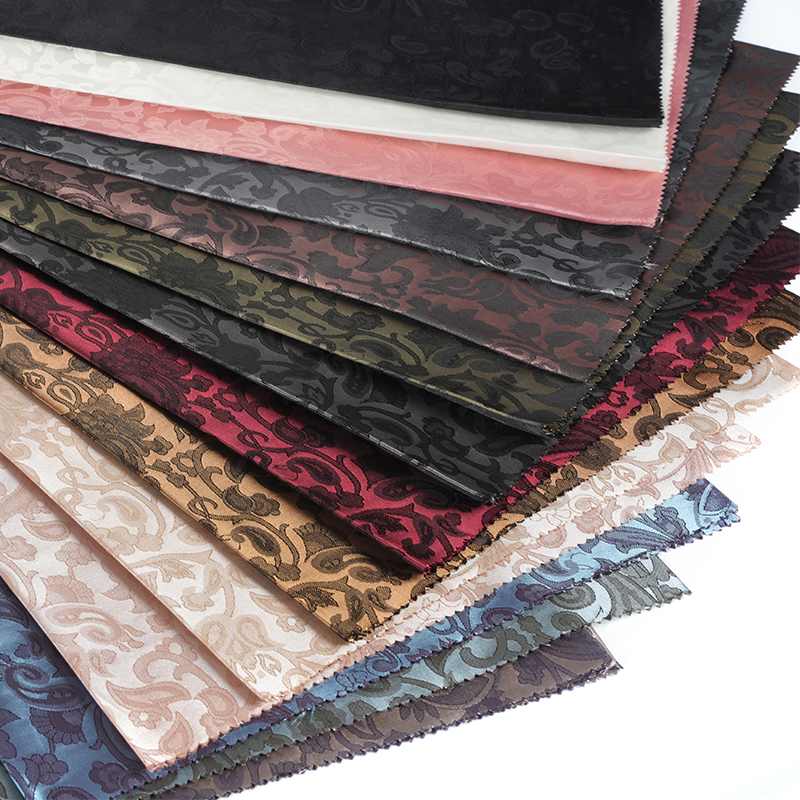
- Dobby and jacquard. These add visible woven patterns, small geometric motifs, or contrast textures. They are common in women’s wear, fashion blazers, and premium garments that want a visible point of difference.
- Sleeve lining. A lighter, slicker lining used specifically for sleeves to reduce friction when the wearer puts the garment on. You will often see it in formal jackets and coats.
For a deeper look at how these weave choices affect garment performance, our earlier article on plain lining vs twill lining choices explains the practical trade-offs in more detail.
How to Evaluate a Polyester Lining Fabric Supplier
Four areas separate a prepared lining supplier from a general trader. Evaluating these early can save you from shade mismatches, delayed shipments, and inconsistent hand feel.
- Product-line depth. Does the supplier cover taffeta, pongee, twill, dobby, jacquard, stretch, and sleeve linings? Breadth matters because garment collections change seasonally. A supplier who can move from basic shells to fashion patterns reduces requalification time for each new style.
- Specification transparency. Reliable suppliers list denier, density, composition, and finishing clearly. A product labeled “210T polyester taffeta” tells you more than a generic “polyester lining.” Clear specifications also make lab testing and quality checks faster on your side.
- Dyeing and finishing capability. Because dyed lining is the core of most orders, ask about shade matching, colorfastness testing, and finishing options such as softening, anti-static, and moisture-wicking treatments. A supplier who controls dyeing and finishing processes can manage repeat orders and small batch corrections more consistently.
- Export and sampling workflow. Confirm lead times, minimum order quantities, and the sampling procedure before production. A supplier with independent import and export rights can simplify documentation and customs coordination. Always request a hand-feel sample, a lab dip, and a pre-production sample before committing to a bulk order.
Conclusion: Choosing the Right Polyester Lining for Your Next Collection
Choosing the right dyed polyester lining comes down to three steps. First, define the garment category and its performance requirements: weight, drape, durability, and care instructions. Second, match those requirements to a weave and specification: taffeta for structure, pongee for softness, twill for strength, stretch for movement, and jacquard for design. Third, evaluate suppliers on technical transparency, dyeing control, and sampling reliability before issuing a bulk order.
No fabric is perfect, and polyester’s lower breathability is the most common trade-off. But for most commercial apparel, the combination of dimensional stability, dye consistency, cost efficiency, and easy care makes polyester fiber lining the safest starting point. Compare a few specifications side by side, request physical samples, and confirm the hand feel before you scale up. That simple process will help you avoid the most expensive mistake in lining sourcing: choosing a fabric that looks fine on paper but fails in production.
 Previous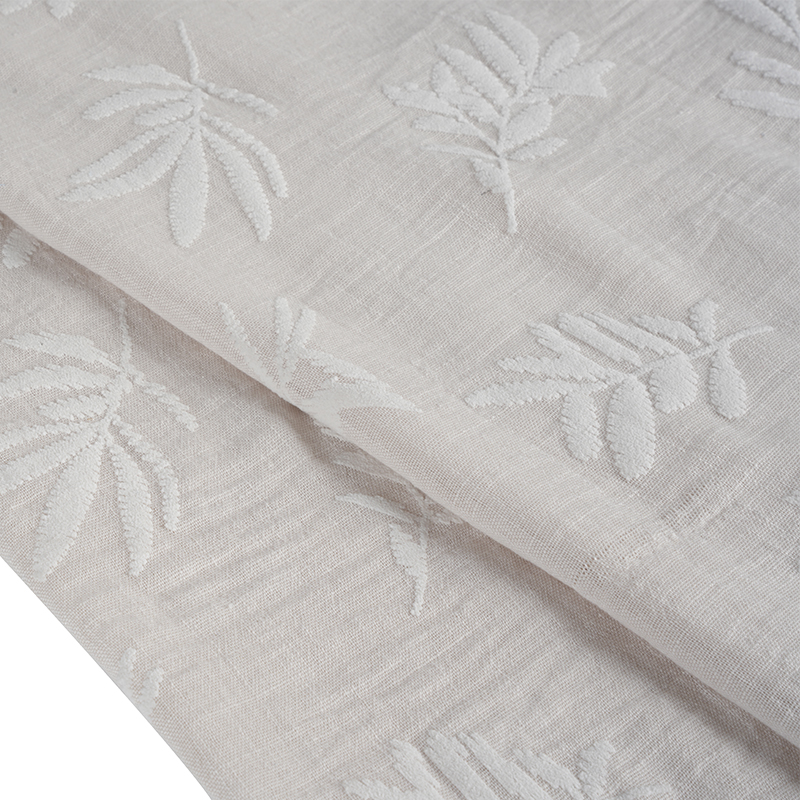

 +86-81163100 / +86-13957571090
 Room B12148, Wanguo Center, No. 1388, Jinkeqiao Avenue, Keqiao, Shaoxing, Zhejiang, China