
 English
 中文简体
A production manager approves a 2,500-piece jacket program and receives two pongee lining samples. Both are labeled 210T, both are 100% polyester, and both feel smooth on the table. One passes the needle test and washes within 1.5% shrinkage; the other develops a 3% pull at the side seam and shows edge fraying after cutting. The difference is not the word “pongee.” It is the yarn, density, finishing, and the control plan behind the label. Treat pongee lining as a specification package, not a generic product name.
What Pongee Lining Actually Is
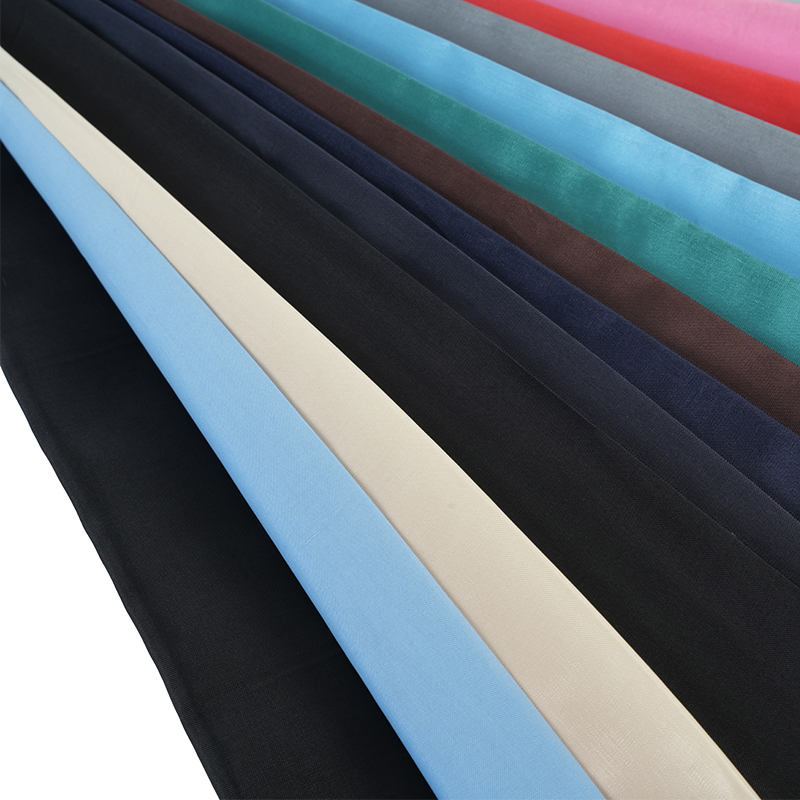
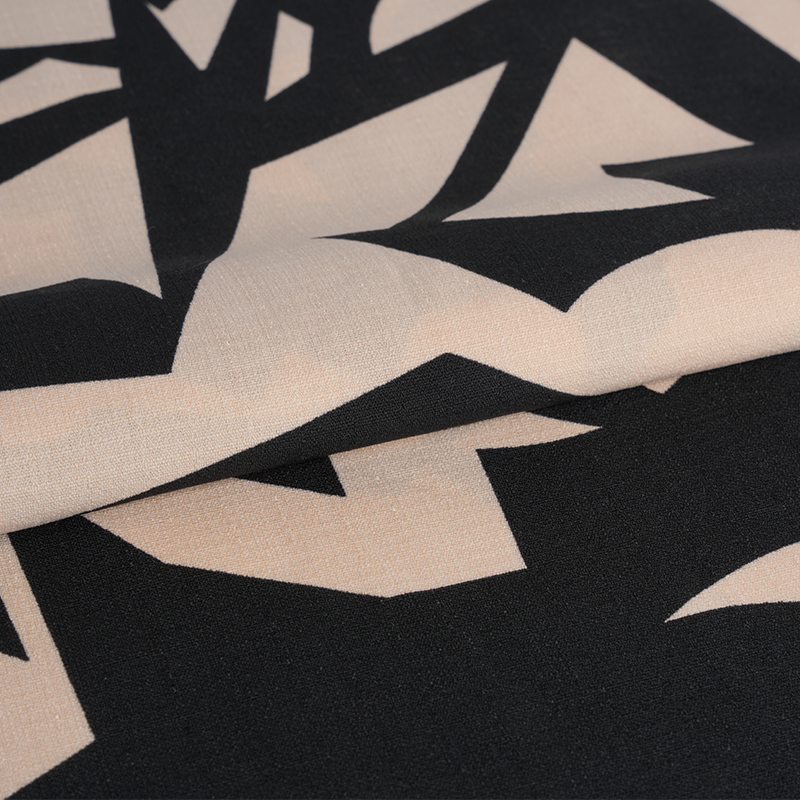
Pongee lining is a plain-weave fabric, most often made from polyester filament yarn. It earns its place in the lining room because it is lightweight, smooth, economical, and easy to cut and sew. The name covers a family of constructions: 190T, 210T, 300T, DTY or FDY yarns, dyed or printed finishes, and sometimes a light PU coating or stretch yarn. That range is why two “210T pongee” samples can behave differently.
| Construction | Typical garment use | Hand-feel and cover | Main sourcing check |
|---|---|---|---|
| 190T pongee | Light jackets, dresses, bag lining, budget linings | Light and airy with moderate cover | Confirm GSM and density; check fraying and seam grin |
| 210T pongee | Suits, skirts, coats, uniform linings | Balanced cover and drape | Check shrinkage, crocking, and needle damage |
| 300T pongee | Structured coats, higher-cover linings | Firmer and smoother surface | Check stiffness, hand-feel, and cost against 210T |
| Stretch pongee | Close-fit garments and active jackets | Flexible with recovery | Verify stretch direction and recovery after washing |
The T-number is useful but incomplete. It indicates fabric density, yet it does not tell you yarn denier, finished weight, weave crimp, or heat-set conditions. A 210T from one mill can be lighter or tighter than a 210T from another. Ask for a spec sheet with composition, yarn count, density, GSM, width, shrinkage, colorfastness, and finishing.
For lightweight jacket and dress programs, start with the 190T option and validate it against your own seam and wash tests.
 100% Polyester 190T Pongee Fabric for Lightweight LiningsA lightweight 60–63 GSM pongee option for jacket and dress programs, offering smooth drape, printability, and economical lining performance.View Product →
Why Pongee Gets Specified, and Where It Stops
Pongee gets specified because it solves several lining problems at once: cost, smoothness, drape, and availability. It slides over other layers, prints and dyes well, and cuts cleanly in high-volume sewing rooms. For suits, jackets, dresses, skirts, and bag linings, it gives a clean interior without the price of acetate or high-end viscose.
Its limits are just as clear. Standard polyester pongee is not a moisture-management fabric. It can feel clammy in hot, humid wear, generate static in dry conditions, and produce a light rustle. If the garment is close-fitting, worn next to skin, or expected to handle heavy abrasion, a stretch pongee, a viscose blend, or a different lining family may be the better answer.
Selection tree: match pongee to the garment job
- Light jacket or dress
- Use 190T pongee
- Confirm opacity and seam grin
- Tailored jacket or skirt
- Use 210T pongee
- Check shrinkage and crocking
- Structured coat or higher-abrasion lining
- Use 300T pongee or a denser plain lining
- Check hand-feel and cost
- Close-fit or stretch shell
- Use stretch pongee
- Confirm recovery and stretch direction
Stretch pongee is a useful bridge. A 225T poly spandex pongee can add recovery for close-fit jackets and active styles, but the buyer should confirm stretch direction, growth after five washes, and whether the spandex is exposed to heat in finishing. At Shaoxing Yongjun Textile, pongee lining sits in the plain lining family alongside taffeta and dobby, which makes it practical to compare constructions before choosing a finish. If the finish is critical, review the production controls behind the finish, not only the sample.
 225T Poly Spandex Pongee for Stretch Jackets and ActivewearA 96% polyester/4% spandex pongee with 84 GSM and 150 cm width, adding stretch recovery for close-fit jackets, active styles, and performance apparel.View Product →
Performance Checks Before Bulk Approval
Approve pongee lining by measured performance, not by a single hand-feel review. Start with a wash or care test that matches the garment’s final care label. Then check the points that generate claims: shrinkage, colorfastness, seam strength, and cutting behavior.
- Shrinkage: ask for warp and weft results after the agreed wash; for many polyester pongee programs, a target of 2% or less each direction is a practical starting point, but confirm against the garment’s care method.
- Colorfastness: review crocking, water, and perspiration results; for visible linings, low crocking matters as much as shade matching.
- Seam and needle: sew a seam with the actual needle, thread, and machine speed; look for pulled yarns, needle cuts, and seam grin.
- Hand-feel and noise: compare stiffness, drape, and rustle after washing; a finish that feels smooth on the roll can become harsh after heat setting or coating.
- Static and absorbency: for dry climates or close-fit garments, ask whether an anti-static or moisture-wicking finish is available and how it survives washing.
A 300T pongee is not automatically better than 210T. It gives higher cover and a firmer hand, but it can also add cost and reduce drape. Use it when the garment needs a denser lining or a smoother surface, and prove the benefit in a wear or abrasion test.
 300T Polyester Pongee Fabric for Denser Lining ApplicationsA 65 GSM, 150 cm 100% polyester pongee with a smooth, silky hand, suited to denser lining needs where cover and surface smoothness matter.View Product →
Sourcing and Cost Risks
Most pongee lining disputes start before the order: the buyer compares T-numbers, and the supplier quotes a price without the same yarn, density, finish, or packing standard. Lock the spec sheet first. Then compare price against finished weight, width, color lot, and delivery.
- Yarn: DTY versus FDY affects bulk, hand-feel, and cost; ask which is used and confirm it in the sample.
- Density and weight: T-count is a starting point; request GSM and measured density.
- Finish: dyeing, printing, heat setting, coating, and anti-static treatment change performance and cost; name the process in the order.
- Color: ask for lot approval under agreed lighting; check side-center-side shading on wide rolls.
- Tolerances: agree on width, length, shrinkage, and color difference before bulk; put them in the purchase order.
- Packing and MOQ: roll length, bagging, and pallet marks matter for cutting-room flow and export handling.
For export programs, the supplier’s control plan matters as much as the sample. Review how rolls are inspected, how shade lots are separated, and how claims are handled before you release bulk. If you are comparing a 190T, 210T, or 300T pongee for a specific garment, send your target spec through the contact page so the construction and finish can be checked against the end use.
Practical Buying Checklist
Use a one-page approval sheet for every pongee lining program. It keeps the sample, the test report, and the bulk order on the same definition.
- Fiber and yarn: polyester grade, DTY or FDY, and any spandex content.
- Construction: plain weave, T-count, GSM, width, and measured density.
- Color and finish: shade, dye method, printing, coating, anti-static treatment, and heat setting.
- Performance: shrinkage, crocking, water, perspiration, seam strength, and stretch recovery where relevant.
- Cutting and sewing: fraying, needle damage, seam grin, and hand-feel after washing.
- Commercial: MOQ, lead time, roll length, packing, and claim window.
The best pongee lining is not the one with the highest T-number or the lowest quote. It is the one that matches the garment’s care label, sewing room, and wear conditions with a documented margin. Settle those points before bulk, and the lining becomes a predictable component rather than a surprise at the end of the line.


 +86-81163100 / +86-13957571090

 Room B12148, Wanguo Center, No. 1388, Jinkeqiao Avenue, Keqiao, Shaoxing, Zhejiang, China
