Muslim Hijab Wholesale
Home / Product / Muslim Hijab

Muslim Hijab Factory

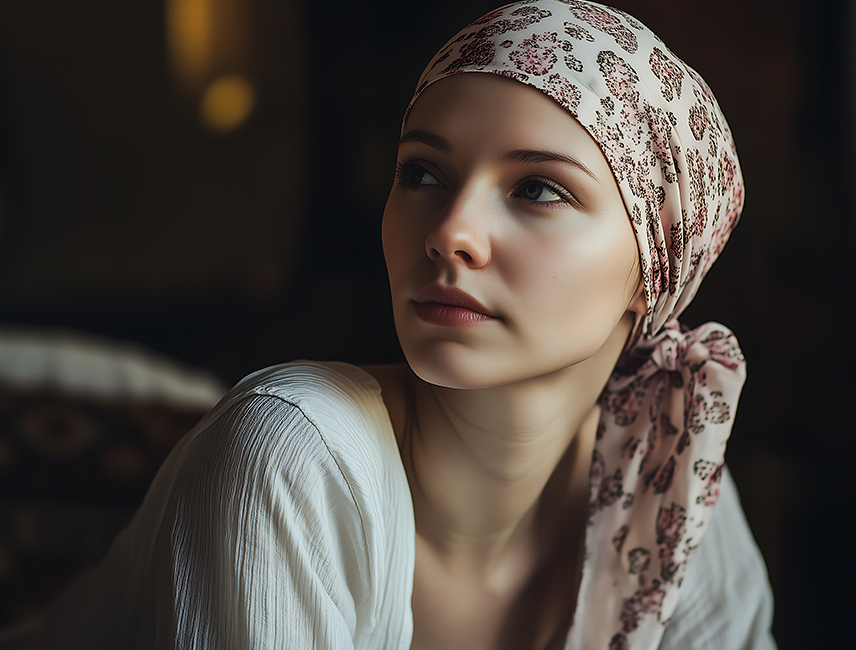
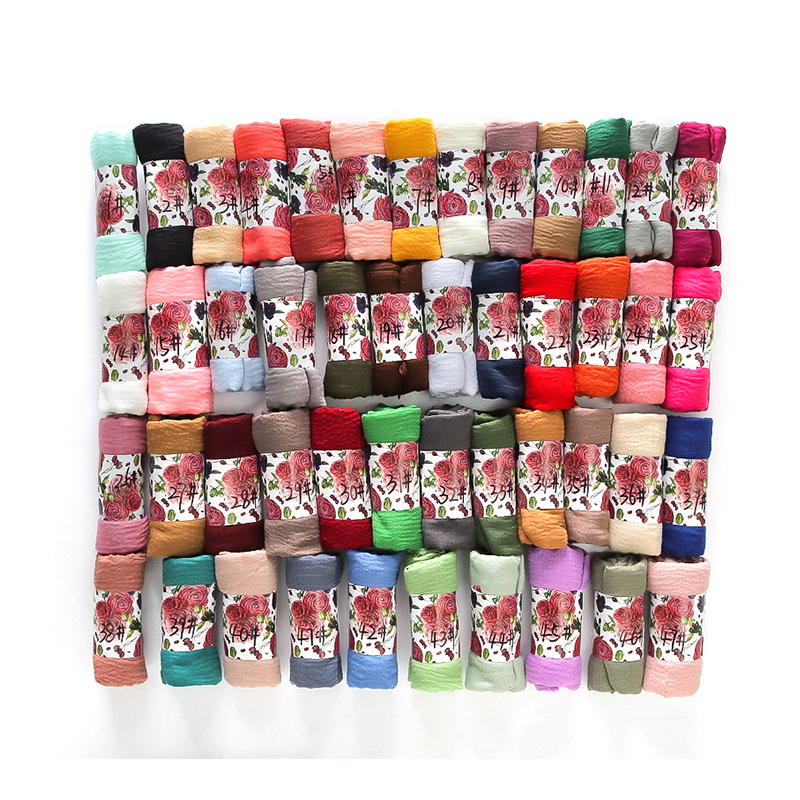
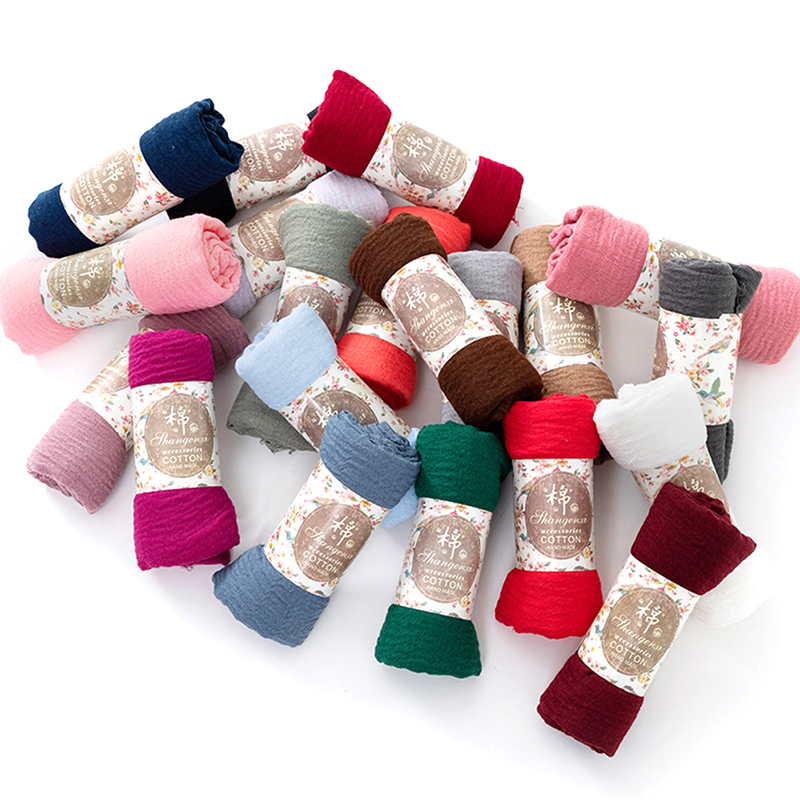
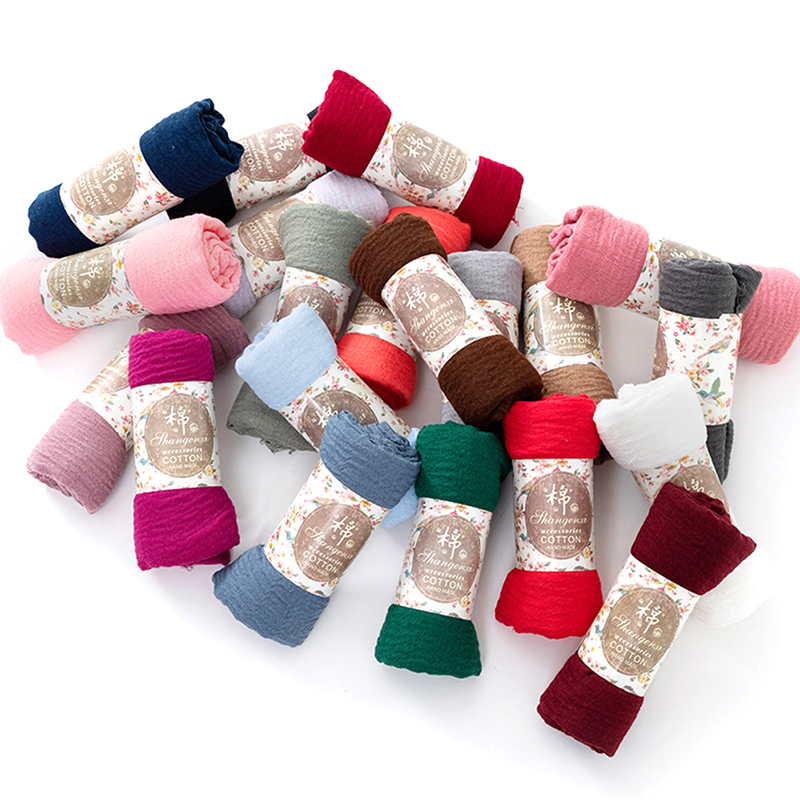
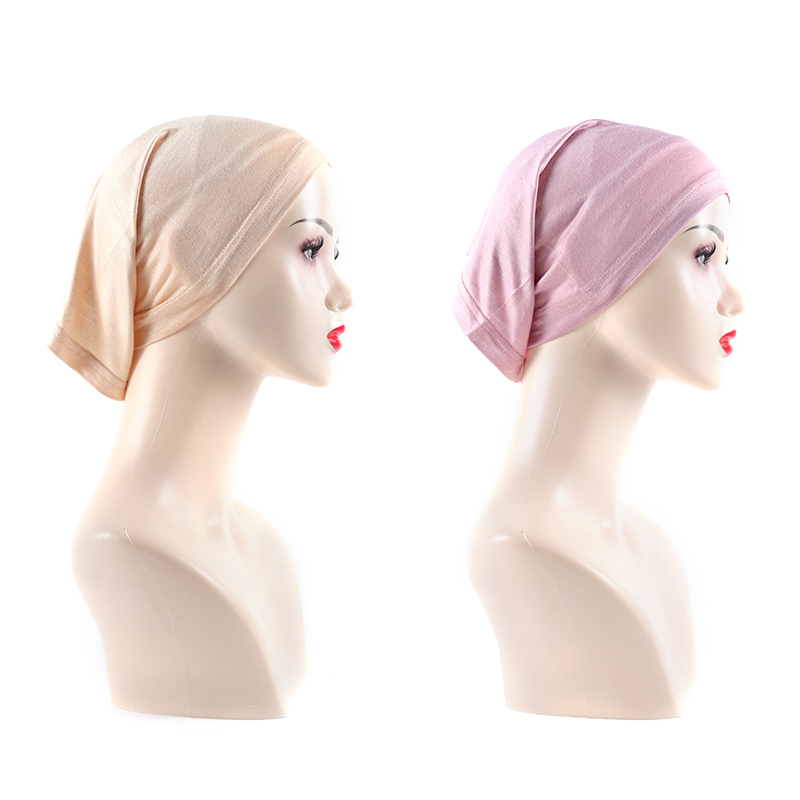
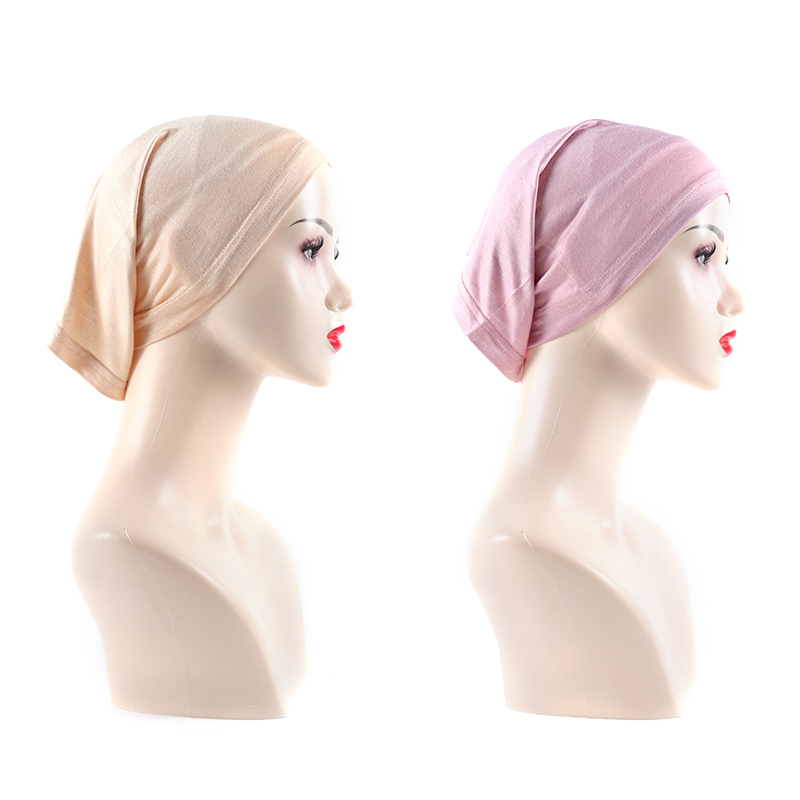
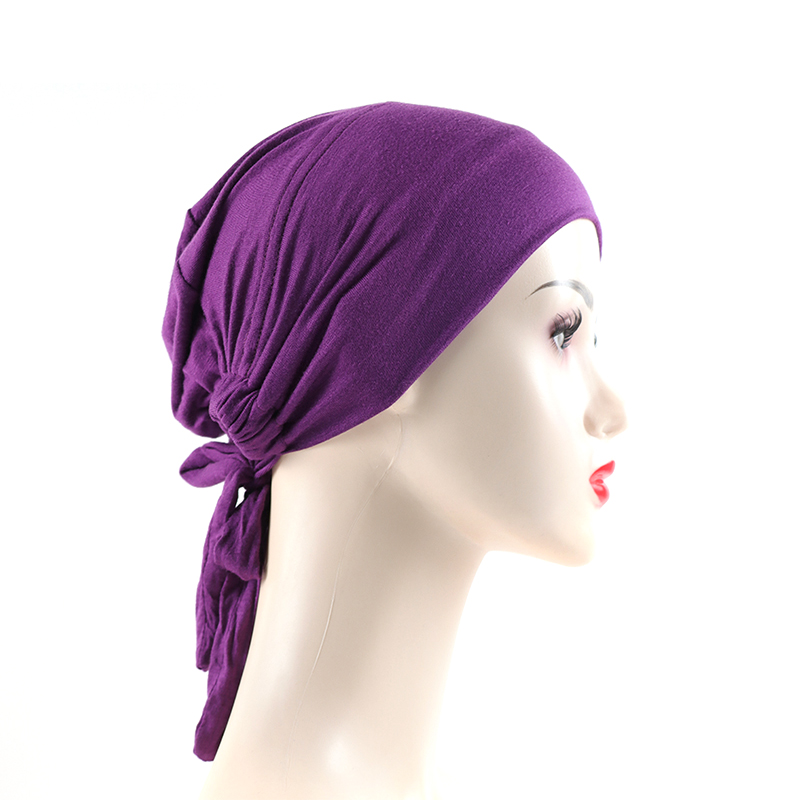
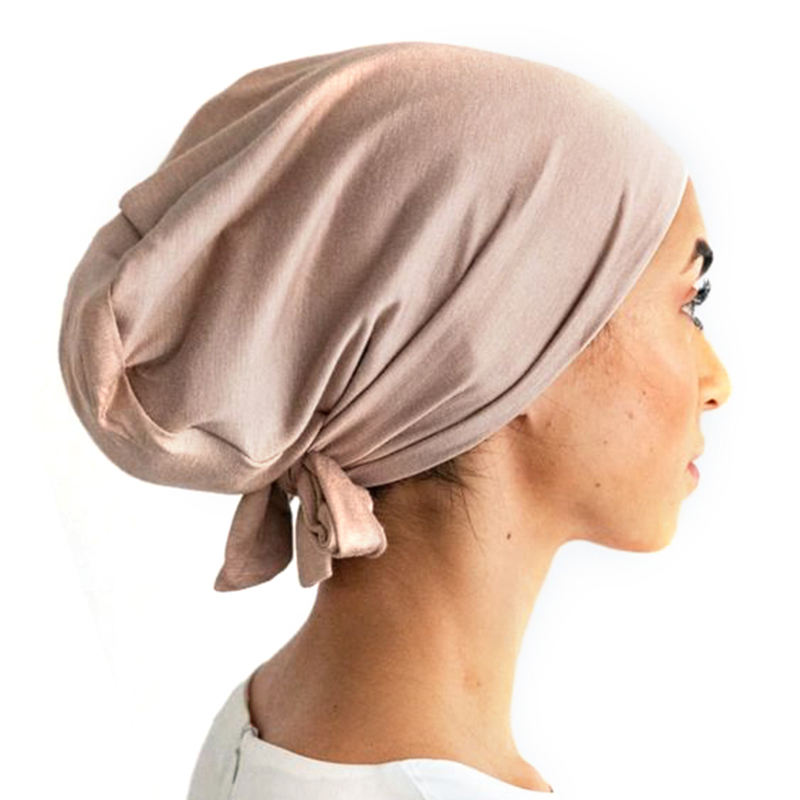
As a head decoration or protective equipment, headscarves are classified in various ways, covering multiple dimensions such as materials, styles, uses, and cultural backgrounds. In terms of materials, headscarves can be silk scarves made of soft mulberry silk, or sheep towels with good thermal insulation performance. In terms of styles, headscarves come in many forms, such as the valley scarves worn by women in the Song Dynasty, the net scarves and Confucian scarves worn by men in the Ming Dynasty, the pure yang scarves worn by hermits and Taoists, and the floating scarves loved by literati and poets. Each style carries specific historical and cultural connotations. According to the purpose, headscarves include decorative silk scarves that enhance the overall aesthetics, as well as functional sports scarves that provide athletes with extra comfort and warmth.

Muslim Hijab
About Us Shaoxing Yongjun Textile Co.,Ltd.
Yongjun Textile, founded in 2003 and located in China Light Textile City—one of Asia's major light textile markets—is adjacent to Hangzhou Xiaoshan International Airport, with convenient transportation and well-developed communications. As a professional China Muslim Hijab Suppliers and Headscarves Factory, the company holds independent import and export rights and specializes in producing and selling a wide range of woven and knitted linings, including jacquard, plain, twill, satin, and other dyed linings, as well as linings processed through various techniques like yarn-dyeing, embossing, glazing, printing, coating, hot stamping, burnt-out, and composite. The main materials used in the products are polyester, polyester-cotton, cotton, rayon, nylon, acetate, etc. Since its establishment, the company has consistently adhered to the business philosophy of "striving for high standards (continuously improving and refining), accuracy (clear and precise), speed (quickly meeting the needs of customers), and innovation (constant innovation)", and is committed to providing customers with high-quality products and services.
The company has a high-quality and innovative team. The team members come from different professional backgrounds and have rich industry experience and skilled technical capabilities. They cooperate and make progress together, injecting a steady stream of power into the company's development.
Regarding technology research and development, Yongjun Textile has invested a lot of resources and is constantly pursuing innovation and breakthroughs. The company has advanced R&D facilities and reliable R&D processes, which can quickly respond to market demand and launch competitive products. At present, the company has obtained several patents and technical certifications, and its technical level is at the forefront of the industry.
The company operates professionally in the production and development of linings and women's fabrics, establishing different quality standards to meet customer needs. The "Yongjun" brand was registered in 2006, and the "Jingjun" and "Yuedu" brands were registered in 2018. The company keeps up with customer needs and market trends for research and development, focusing on order-based production. By integrating trade and production through yarn and grey cloth operations, the company ensures that its supply capacity is not constrained.
In terms of quality management, Yongjun Textile has always adhered to strict standards and established a comprehensive quality management system. From raw material procurement to production and processing, to product testing and after-sales service, every link is strictly controlled to ensure the stability and reliability of product quality.
In addition to achieving remarkable results in the domestic market, the products have spread to over 60 countries and regions worldwide, including the United States, the European Union, the United Kingdom, Eastern Europe (Russia, Belarus, Poland, Ukraine, Kazakhstan, Kyrgyzstan, Tajikistan, etc.), Canada, South America (Brazil, Argentina, Chile, Bolivia, Colombia, Panama, Mexico, etc.), South Africa, North Africa (Egypt, Tunisia, Morocco, etc.), the Middle East (Saudi Arabia, UAE, Iran, Lebanon, Israel, etc.), Southeast Asia (Thailand, Malaysia, Indonesia, Singapore, Vietnam, etc.), and Asia (India, Nepal, Japan, South Korea, etc.). A strong brand image has been established in international markets.
As a socially responsible enterprise, we base our judgment on altruism, always striving for the material and spiritual well-being of all employees and contributing to the development of society.
In the brand development plan for the next 3-5 years, "Yongjun Lining" will improve the quality of high-end products, meet the functional needs of consumers, enhance brand awareness, and develop more international customers. "Jingjun Lady Fabrics" will quickly and accurately develop new products to meet the requirements of domestic and foreign brands, speed up delivery in the e-commerce market, improve product quality and brand recognition, and develop international customers. "Yuedu" scarves will strengthen design and development over the next three years to support clothing coordination. Additionally, the company will increase the learning efforts of the R&D and sales teams in textile professionalism, improve the level of digital management, and apply technological management tools. In 2024, the company plans to establish a production base in another province, with the first phase of weaving, printing, and dyeing production, and support new product development through comprehensive testing. The company is committed to solving clothing problems for consumers, producing high-quality and reasonably priced products, promoting the market towards health, and enhancing the independent innovation capabilities of Chinese companies.
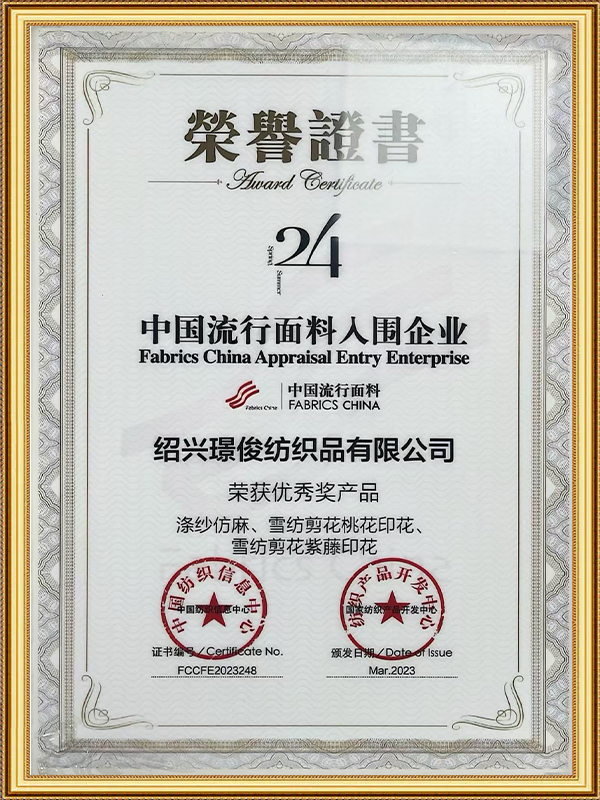
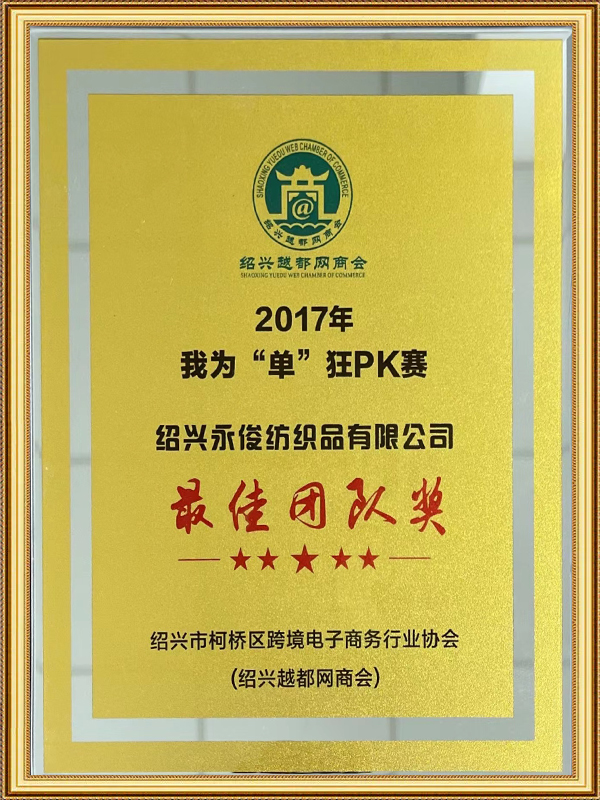
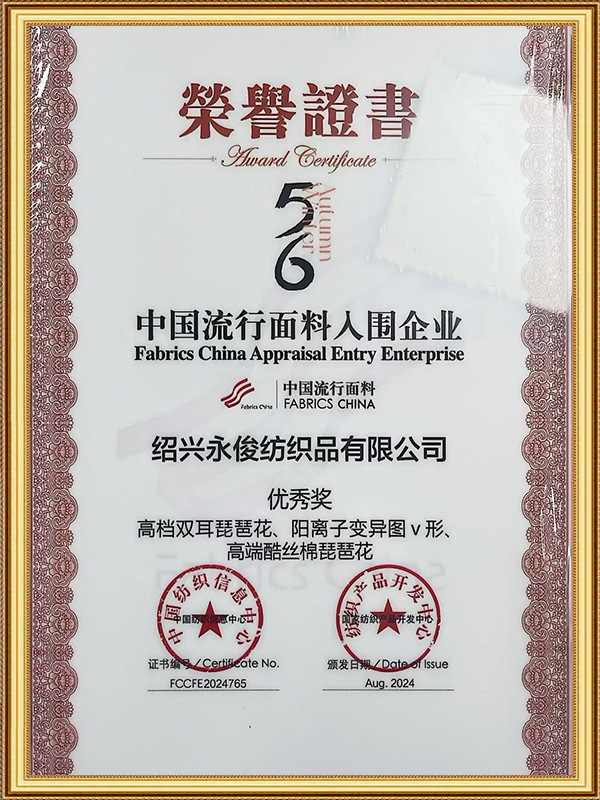
  • honorCertificates
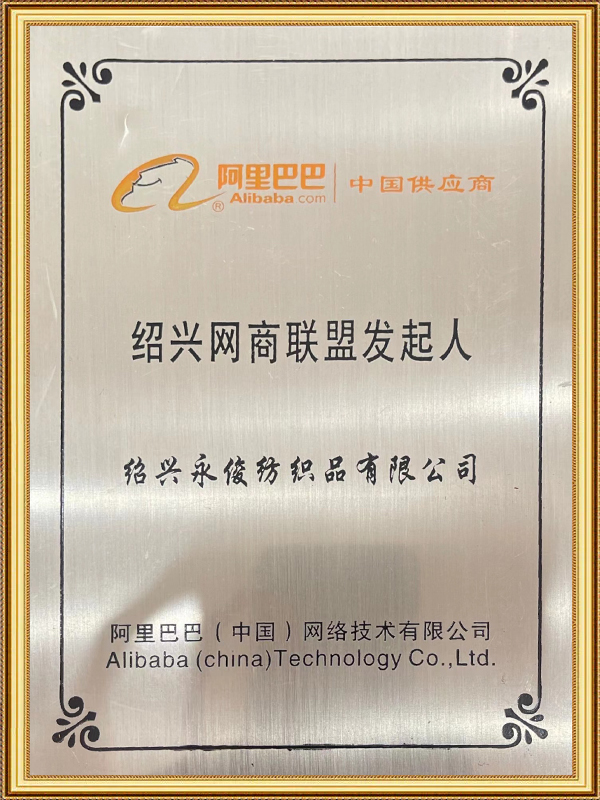
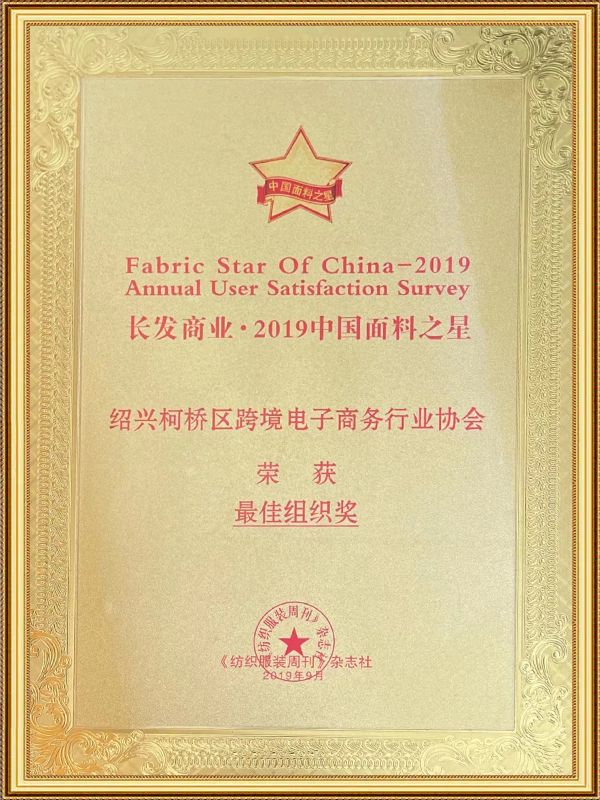
  • honorCertificates
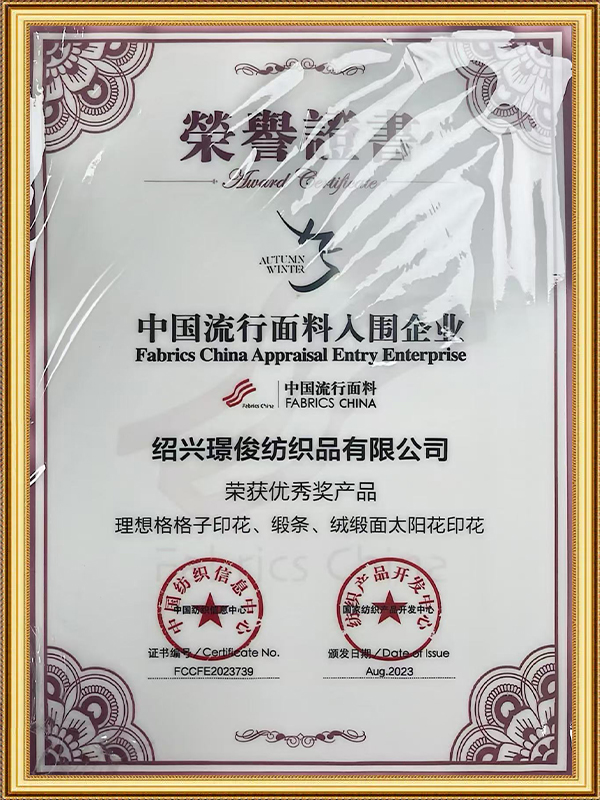
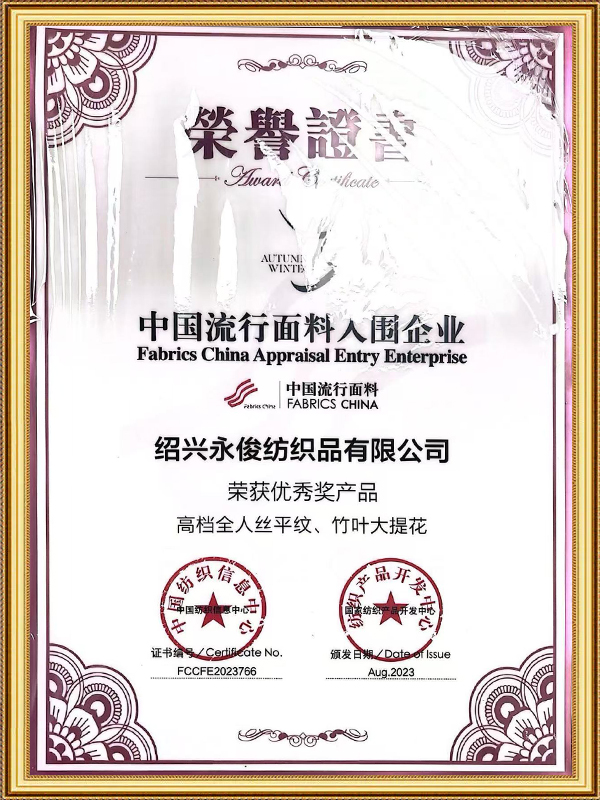
  • honorCertificates
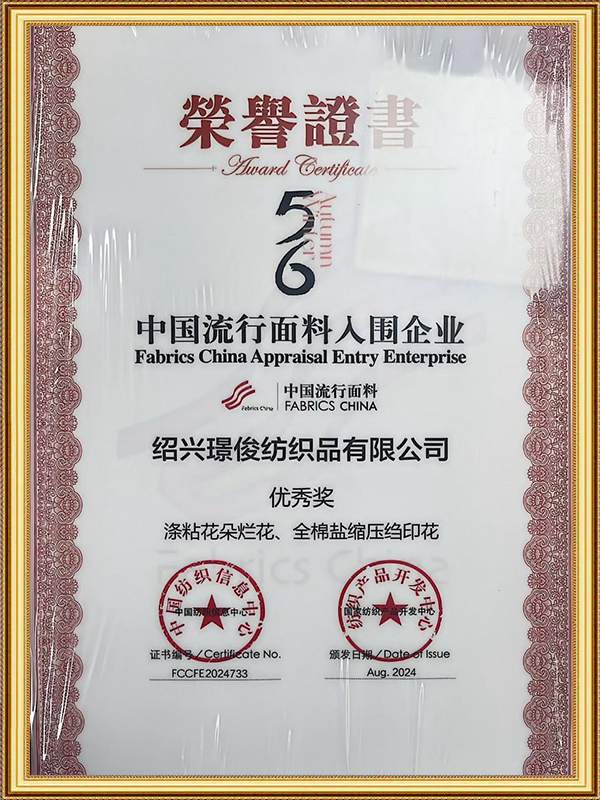
  • honorCertificates
  • honorCertificates
  • honorCertificates
  • honorCertificates
  • honorCertificates
Follow Us Latest News
  • Does crepe chiffon fabric feel smooth to the touch and is prone to static electricity?

    Texture and Feel of Crepe Chiffon Fabric Crepe chiffon fabric is known for its delicate texture and light weight. When touched, it provides a slightly grainy yet soft sensation, characteristic of its crinkled surface. The fabric is generally smooth enough to glide over the skin gently, creating a su...

    READ MORE
  • How breathable and absorbent is cotton stretch fabric?

    Introduction to Cotton Stretch Fabric Cotton stretch fabric is a textile material that combines natural cotton fibers with elastane or spandex to provide elasticity. This combination allows the fabric to stretch and recover while retaining the inherent properties of cotton, such as softness and mois...

    READ MORE
  • What weaving methods or structural designs are used in synthetic fiber linings?

    Weaving Methods Used in Synthetic Fiber Linings Synthetic fiber linings are widely used in apparel, industrial products, luggage, footwear and various technical textiles, and their weaving methods play a central role in determining structural stability, comfort, durability and functionality. The cho...

    READ MORE
Industry Knowledge Expansion
History and Cultural Background of Muslim Hijab

 (1) Origin and Evolution of Muslim Hijab:

Requirements for headscarves in Islamic doctrine: The history of Muslim Hijab can be traced back to the founding of Islam. According to the descriptions in the Quran and Hadith, the wearing of headscarves by women is closely related to modesty, chastity and social order in Islamic doctrine. In particular, Chapter 24 (Sura al-Nur) of the Quran states, verse 31, that Muslim women should cover their hair and maintain modesty. This requirement has become an important part of Muslim culture and religious beliefs.

From the time of the Prophet to the present: In the early days of Islam, women usually wore loose clothing and headscarves to protect themselves from the gaze of society. However, with the development of history, the style and wearing of Muslim headscarves have undergone many changes. Especially during the Abbasid Dynasty, the Ottoman Empire and other Islamic civilizations, the styles and fabrics of headscarves gradually developed complex decorations, reflecting the cultural characteristics of different regions.

(2) Cultural differences in Muslim headscarves in different regions:

Middle East and North Africa: In Arab countries, headscarves such as the niqab and abaya are common. Women cover most of their faces, leaving only their eyes exposed. This headscarf emphasizes strict religious traditions and also represents women's social identity and dignity.

South Asia: In countries such as India, Pakistan and Bangladesh, there are more diverse ways to wear headscarves, such as the dupatta and chadur. These headscarves are usually both decorative and practical, and are not only related to religious beliefs, but also closely related to local clothing culture.

Western countries: In many Western countries, especially Europe and the United States, Muslim women wearing headscarves often have more sociopolitical implications, involving issues such as immigration status, religious freedom, and cultural identity. With the increase in the number of Muslims, Muslim headscarves have gradually become a symbol of cultural exchange.

(3) Headscarves and Feminism:

In some Western countries, the wearing of Muslim headscarves is seen as a sign of women's oppression, but in many Muslim communities, it is a free choice and a manifestation of religious belief. The issue of wearing a headscarf is closely related to women's autonomy, gender equality, and social identity, and has become a core issue in the global debate on women's rights and religious freedom.

Material and design of Muslim Hijab

Common materials for headscarves:

Natural fibers: Many Muslim Hijabs are made of natural materials such as cotton, silk, and wool. These materials are breathable and suitable for different climates, especially cotton headscarves, which are widely used in hot areas.

Synthetic fibers: With the development of technology, synthetic materials such as polyester, nylon, and polyester blends have also begun to be used in headscarf production because of their durability, wrinkle resistance, and easy washing properties. They are suitable for Muslim women with busy lifestyles.

Mixed materials: In modern designs, many headscarves use mixed materials, such as cotton and polyester blends, which provide comfort while enhancing the elasticity and gloss of the fabric. Some high-end headscarves also incorporate high-end fabrics such as cashmere and silk to improve wearing comfort and appearance.

Design trends of headscarves:

Simple and practical: Modern Muslim women tend to choose simple and easy-to-wear headscarves, such as Hijab and Shayla. These headscarves do not require too many complicated decorations and focus on comfort and concealment.

Fashionable: With the intervention of the fashion industry, the design of Muslim headscarves has begun to diversify. More and more designers have launched modern, colorful and personalized headscarves. For example, modern designs combine popular patterns, embroidery and decorations, breaking the traditional single color tone.

Functional design: With the changes in sports and daily life needs, many brands have launched headscarves suitable for sports (such as sports Hijab). These headscarves are made of lighter and more breathable materials to help women stay dry during exercise while avoiding being restricted.

Cultural symbols of Muslim Hijab:

The colors and patterns of headscarves are not just decorations. In many cases, they carry cultural, religious and personal symbolic meanings. For example, certain colors or patterns may have specific meanings in different regions and religious sects, becoming symbols of identity and status.

Sustainability of Muslim Hijab

(1) Use of environmentally friendly fabrics

With the increasing global attention to sustainable development, the production of Muslim Hijab has gradually focused on environmental protection and resource conservation. Shaoxing Yongjun Textile Co., Ltd. has been committed to innovation and technological research and development, which provides technical support for the production of more environmentally friendly Muslim Hijab materials. Shaoxing Yongjun Textile Co., Ltd. focuses on producing various types of textiles, including knitted and woven fabrics, using a variety of high-quality raw materials such as polyester, polyester-cotton blends, cotton, viscose, etc., and integrating environmental protection concepts into its products.

Application of organic fibers: Shaoxing Yongjun Textile Co., Ltd. promotes a more environmentally friendly production process by strengthening the use of organic cotton and natural fibers. These natural materials not only conform to the global trend of green consumption, but also ensure the comfort of headscarf wearers. By using these environmentally friendly materials, the headscarf produced has good breathability and comfort, which is very suitable for the daily wearing needs of Muslim women.

Renewable materials: In addition to natural fibers, Shaoxing Yongjun Textile Co., Ltd. also focuses on the application of renewable materials, such as recycled polyester and recycled nylon, which not only reduces dependence on raw materials, but also effectively reduces environmental pollution and resource waste.

(2) Sustainable dyeing and printing process

Shaoxing Yongjun Textile Co., Ltd. has extensive experience in dyeing and printing technology and continues to invest in R&D and innovation to reduce environmental impact. Dyeing and printing processes are particularly important for Muslim headscarves, as headscarves often require rich colors and patterns.

Water-based dyes and harmless printing: Shaoxing Yongjun Textile Co., Ltd. uses water-based dyes, harmless dyeing processes and environmentally friendly printing technology to ensure that its products meet international environmental standards. Such dyeing processes reduce pollution to water sources and can reduce the release of harmful chemicals.

Digital printing technology: The company has also explored and applied digital printing technology, which is more environmentally friendly than traditional screen printing. It not only reduces water and energy consumption, but also allows for more precise control of patterns and colors, reducing waste. This precise printing method is particularly suitable for headscarf designs with complex patterns, making each headscarf more refined and in line with the personalized needs of modern consumers.

(3) Energy conservation and waste management in the production process

Shaoxing Yongjun Textile Co., Ltd. attaches great importance to energy conservation and waste management in the production process and is committed to achieving green manufacturing. The company is gradually adopting **energy-saving equipment** and **green manufacturing processes** to reduce carbon emissions and waste generation in the production process.

Use of green energy: During the production process, Shaoxing Yongjun Textile Co., Ltd. uses high-efficiency equipment and renewable energy (such as solar energy) to reduce dependence on traditional energy. This not only improves production efficiency, but also provides strong support for the manufacture of environmentally friendly Muslim headscarves.

Waste Recycling: Shaoxing Yongjun Textile Co., Ltd. is committed to optimizing production processes and reducing waste generation, especially in the weaving and dyeing processes. By recycling and reusing waste, the company effectively reduces the environmental impact of the production process. In addition, the company has also adopted low-emission technology to minimize waste gas emissions in industrial production.

(4) Brand Development and Sustainability Strategy

In the brand development plan for the next 3-5 years, Shaoxing Yongjun Textile Co., Ltd. plans to further improve the quality of its high-end products and promote brand recognition in the international market. In particular, their "Yuedu" brand will further strengthen design and development to support clothing coordination. In terms of sustainability, Shaoxing Yongjun Textile Co., Ltd. will increase investment in the research and development of environmentally friendly materials and, in combination with the current global green development trend, design Muslim headscarves that are more in line with environmental protection requirements.

By enhancing the green production knowledge of the R&D and sales teams, Shaoxing Yongjun Textile Co., Ltd. is not only able to launch headscarves that are more environmentally friendly, but also to optimize production processes through digital management tools, improve overall production efficiency, and reduce resource waste, thereby establishing a green brand image in the global market.

(5) Social Responsibility and Commitment to Sustainable Development

As a socially responsible enterprise, Shaoxing Yongjun Textile Co., Ltd. has always adhered to the concept of "working for the material and spiritual well-being of all employees". While promoting product quality and brand development, it also focuses on the realization of sustainable development goals. By supporting the R&D of sustainable products and environmentally friendly production, the company has further enhanced its competitiveness in the global market.

Shaoxing Yongjun Textile Co., Ltd. is also committed to providing consumers with healthy and safe products and promoting the market to develop in a more environmentally friendly and healthy direction. This sense of responsibility is not only reflected in the product design and production process, but also extends to the entire supply chain management to ensure that every link meets high standards of environmental protection requirements.