Unique Properties of Twill Lining's Twill Structure Compared to Plain and Satin Weaves
In high-end and functional clothing, the choice of lining directly impacts the garment's hand-feel, durability, and overall texture. Since its establishment in 2003, Shaoxing Yongjun Textile Co.,Ltd., a leading lining manufacturer in China, has been focusing on the research and production of various woven and knitted linings, including yarn-dyed, piece-dyed, and processed linings in jacquard, plain, twill, and satin weaves, as well as those processed with embossing, glazing, printing, coating, hot stamping, burnt-out, and lamination.
Basic Characteristics of Twill Structure
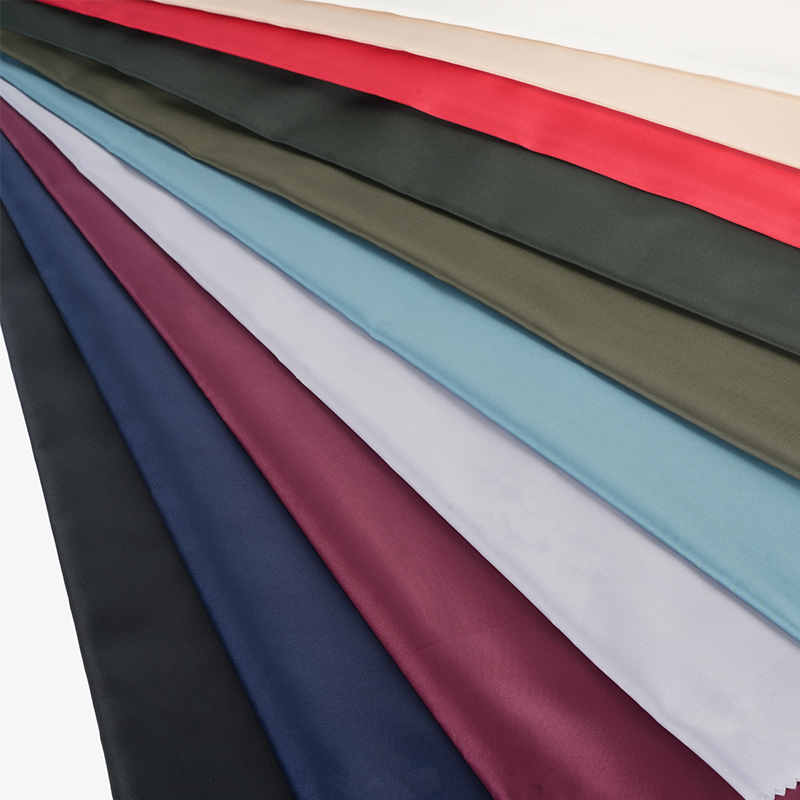
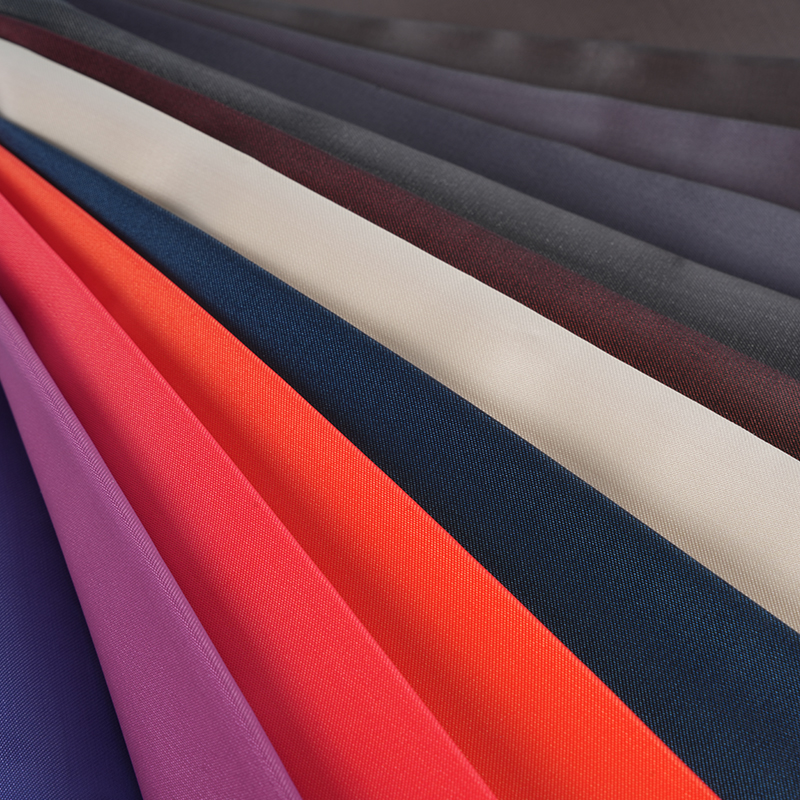
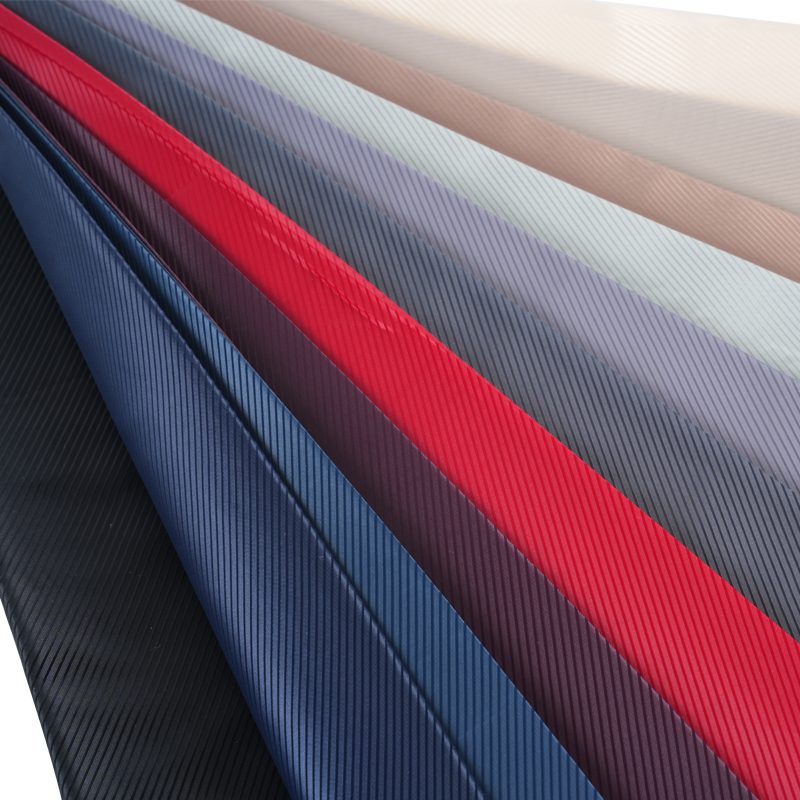
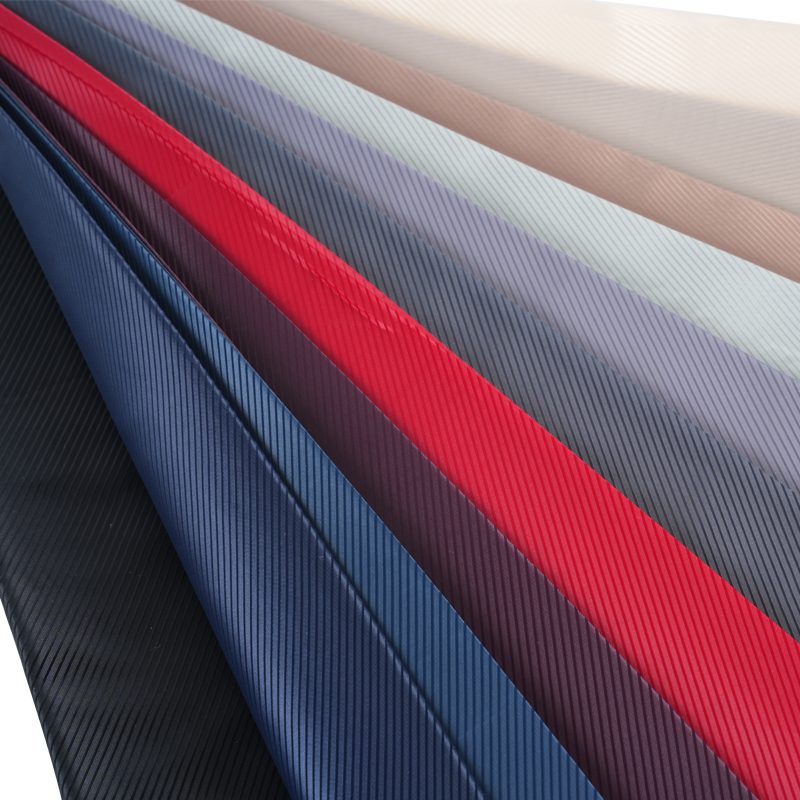
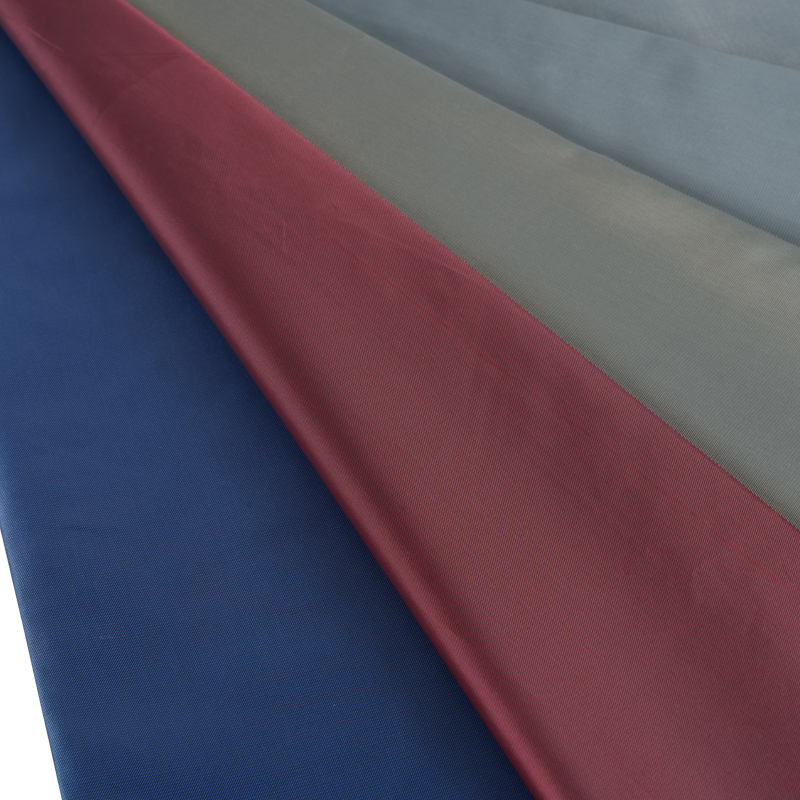
The twill structure of Twill Lining is formed by the interlacing of warp and weft yarns, creating diagonal lines on the fabric surface. Compared to the 'checkerboard' pattern of a plain weave (one up, one down) and the smooth, lustrous surface of a satin weave, the twill structure offers several distinct advantages:
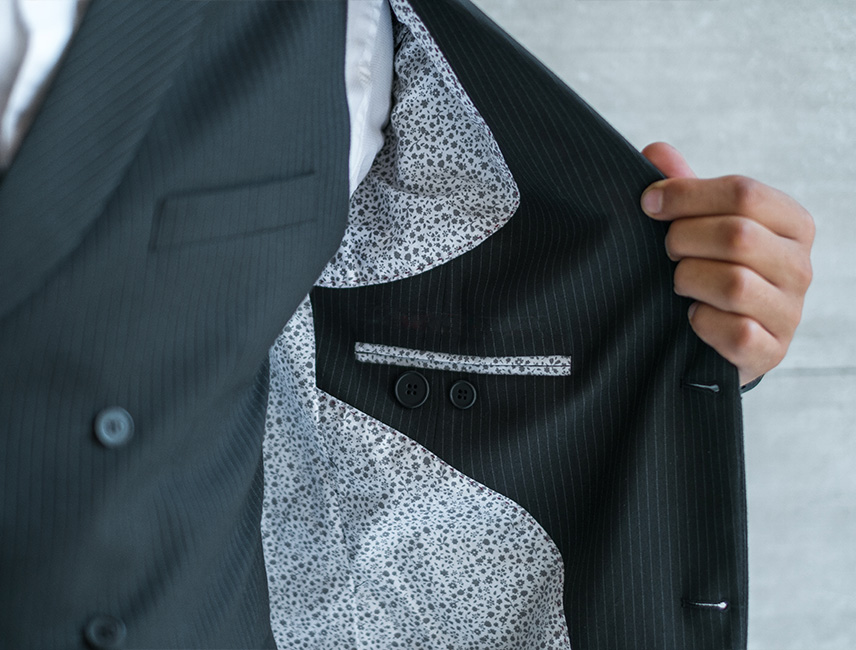
- Softness and Drape The twill structure allows for a relatively looser arrangement of yarns, making Twill Lining softer and smoother to the touch than plain lining, while also possessing excellent drape. This characteristic makes it widely used in high-end garments such as suits, trench coats, and jackets, where it can naturally conform to the inner shape, enhancing wearing comfort. The R&D team at Shaoxing Yongjun Textile Co.,Ltd. ensures a balance between softness and support by strictly controlling yarn density and weight, offering a lining that maintains shape yet feels skin-friendly.
- Abrasion Resistance and Durability Due to the diagonal interlacing of yarns in the twill weave, stress is more evenly distributed. Consequently, Twill Lining is significantly superior to plain lining in terms of abrasion resistance and tear strength. This is crucial for inner linings of garments that are frequently used or subject to constant friction. Yongjun Textile's production process utilizes high-performance fibers such as polyester, poly-cotton, and nylon, and employs precision weaving and finishing techniques to substantially enhance the service life and stability of the twill lining.
- Visual Effect and Texture The inherent diagonal lines of the twill structure give Twill Lining a stronger sense of three-dimensional texture and luster. Compared to satin lining, which is smooth but lacks the layering effect of the twill, and plain lining, which appears relatively flat, twill stands out. Shaoxing Yongjun Textile Co.,Ltd. designs rich patterns and visual effects for jacquard and dyed twill linings by combining colored yarns and designing twill direction, meeting the stringent quality requirements of high-end apparel brands.
- Moisture Absorption and Breathability The yarn interlacing method of twill lining creates subtle micro-channels within the fabric, allowing for better air circulation and moisture wicking than dense plain fabrics. This makes Twill Lining more suitable for the inner linings of spring/summer wear and sportswear, enhancing wearing comfort. Yongjun Textile further optimizes the moisture absorption and breathability of its twill lining through blends of poly-cotton and natural cotton fibers, achieving a balance between functionality and comfort.
Comprehensive Comparison of Twill Lining with Plain and Satin Weaves
| Property |
Twill Lining (Twill) |
Plain Lining |
Satin Lining |
| Surface Texture |
Diagonal lines, strong layering |
Checkerboard pattern, flat |
Smooth and lustrous, strong sheen |
| Hand-feel |
Soft and smooth |
Relatively stiff |
Smooth but slick |
| Drape |
Good |
Average |
Good, but prone to wrinkles |
| Abrasion Resistance |
High |
Lower |
Medium |
| Moisture & Breathability |
Good |
Average |
Lower |
| Suitability for High-End Apparel |
High |
Medium |
High (Suitable for showcasing luster) |
As shown in the table, twill lining combines durability, comfort, and visual appeal, making it an ideal choice for garment lining. Shaoxing Yongjun Textile Co.,Ltd.'s twill lining products are suitable not only for high-end ready-to-wear like suits, trench coats, and jackets but can also undergo jacquard, embossing, printing, and lamination processing according to customer requirements, meeting diverse design and functional needs.
Technical Innovation and Quality Assurance
Yongjun Textile possesses advanced R&D facilities and a professional technical team, focusing on innovation and functionality in the development of twill lining. Through precise control of yarn types, density, and dyeing and finishing processes, the company's twill lining achieves industry-leading levels in colorfastness, abrasion resistance, and comfort. At the same time, a strict quality management system ensures the stability and reliability of every batch, providing high-quality and consistent product experience for domestic and international customers purchasing Twill Lining.
Common Finishing Processes for Twill Lining
In garment manufacturing, lining is not merely an "inner layer" but a critical factor influencing wearing comfort, garment texture, and overall aesthetics. Since its establishment in 2003, Shaoxing Yongjun Textile Co.,Ltd., a leading lining manufacturer in China, has been focusing on the R&D and production of high-quality woven and knitted linings. The company’s products cover dyed linings in jacquard, plain, twill, and satin weaves, and also offers various finishing processes including yarn-dyeing, embossing, glazing, printing, coating, hot stamping, burnt-out, and lamination.
1. Yarn-Dyeing
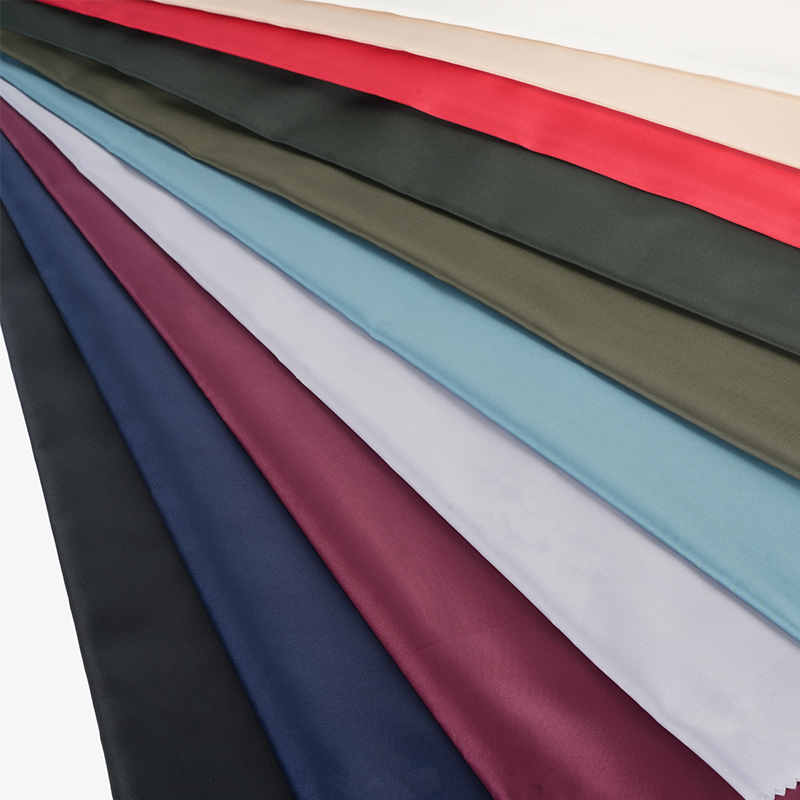
Yarn-dyeing is the process of dyeing the yarns before weaving. For Twill Lining, yarn-dyeing can create clear, natural stripes or patterns within the twill structure, giving the lining a more layered visual effect. Shaoxing Yongjun Textile Co.,Ltd. has advanced yarn-dyeing equipment and strict process flow to achieve high-precision color performance by controlling the colorfastness and uniformity of the yarns. This not only enhances the lining's aesthetics but also provides a premium inner layer option for high-end suits, trench coats, and jackets.
2. Embossing
Embossing is a process that uses high temperature and high pressure to create three-dimensional patterns or textures on the fabric surface. On Twill Lining, embossing can not only enhance the visual effect but also improve the fabric's hand-feel and tactility. Yongjun Textile's R&D team can customize embossing patterns according to customer needs, allowing the twill lining to present a unique texture and three-dimensional feel while maintaining its soft drape.
3. Glazing
The glazing process imparts a luster to Twill Lining, making the fabric surface smooth, slick, and reflective. This process is often used for high-end linings, especially twill linings for suits or formal wear. Shaoxing Yongjun Textile Co.,Ltd. ensures that the glazed twill lining has uniform luster and a fine hand-feel through precise temperature and pressure control, without compromising breathability and durability.
4. Printing
The printing process can form rich patterns on the surface of Twill Lining, such as geometric patterns, florals, or exclusive brand designs. Due to the diagonal direction of the yarns in the twill structure, printing technology needs to precisely match the texture direction to ensure that the pattern is clear and undistorted. Yongjun Textile boasts advanced printing equipment and an experienced technical team, capable of high-precision, multi-color printing to meet fashion designers' requirements for lining aesthetics and personalization.
5. Coating
Coating is a functional treatment that enhances the waterproof, oil-proof, stain-resistant, or flame-retardant properties of Twill Lining. Through coating, the twill lining retains its soft hand-feel and good drape while acquiring additional functionality. Shaoxing Yongjun Textile Co.,Ltd. utilizes polyester, nylon, and cotton blend fibers to achieve a balance between functionality and comfort in the coating process, providing an ideal lining solution for functional apparel.
6. Hot Stamping & Burnt-Out
Hot stamping is the process of heating and pressing a metallic film onto the fabric surface to create patterns with a metallic texture; burnt-out is a chemical process that creates localized transparency or patterns on the fabric. Both processes add a unique decorative effect to Twill Lining, suitable for formal wear, fashion jackets, and high-end custom apparel. Yongjun Textile possesses mature hot stamping and burnt-out techniques, ensuring process uniformity, refined patterns, and perfect integration with the twill structure.
7. Lamination (Composite)
Lamination is a process of bonding Twill Lining with other functional materials or non-woven fabrics to impart more functions to the lining, such as thermal insulation, sound absorption, or anti-static properties. Shaoxing Yongjun Textile Co.,Ltd. has a professional composite R&D team and a complete production line, capable of customizing laminated linings with different functions while maintaining the twill lining's softness and drape.
Overall Advantages
Through the diverse finishing processes mentioned above, Yongjun Textile's Twill Lining products are not only rich in appearance but also excel in comfort, durability, and functionality. Whether for suit linings, jacket linings, or high-end formal wear and functional apparel, Shaoxing Yongjun Textile Co.,Ltd. can provide customized, high-quality twill lining solutions to meet the diverse needs of global customers.
Which Twill Lining is More Suitable for Winter Clothing, and Which is for Spring/Summer Clothing
In apparel design and production, the choice of lining directly impacts the garment's comfort, warmth, and overall texture. Since its establishment in 2003, Shaoxing Yongjun Textile Co.,Ltd. has been focusing on the R&D and production of high-quality woven and knitted linings, including dyed linings in jacquard, plain, twill, and satin weaves, and offering various finishing processes such as yarn-dyeing, embossing, glazing, printing, coating, hot stamping, burnt-out, and lamination.
I. Twill Lining Suitable for Winter Clothing
The main requirements for linings in winter clothing are warmth, abrasion resistance, and a certain degree of substantiality. Shaoxing Yongjun Textile Co.,Ltd. typically recommends the following types of Twill Lining for winter wear:
- High-Weight Twill Lining High-weight Twill Lining has a higher yarn density and a moderate or slightly thicker gauge, which helps form an insulating air layer, increasing the garment's warmth. Yongjun Textile utilizes polyester and poly-cotton blend fibers, through precision weaving, to ensure that high-weight twill lining possesses good abrasion resistance and thermal insulation while remaining soft and smooth. This is highly suitable for the inner linings of winter coats, trench coats, and heavy jackets.
- Laminated or Coated Twill Lining Through lamination or coating treatment, Twill Lining can be enhanced with windproof, waterproof, and flame-retardant properties. Shaoxing Yongjun Textile Co.,Ltd.'s lamination process allows the twill lining to be combined with functional materials, which not only improves the garment's functionality but also retains the characteristic drape and hand-feel of the twill. Such linings are commonly used in winter outerwear and functional clothing to ensure warmth and comfort.
- Wool or Rayon Blend Twill Lining Blended fibers can enhance the lining's softness and warmth. For instance, twill lining blended with wool and polyester offers strong thermal insulation, good abrasion resistance, and stability, making it suitable for high-end winter apparel. Yongjun Textile ensures a uniform thickness and comfortable hand-feel for every batch of winter twill lining through strict yarn selection and weaving processes.
II. Twill Lining Suitable for Spring/Summer Clothing
The main requirements for linings in spring/summer clothing are lightness, breathability, good moisture absorption, while maintaining a certain softness and drape. Shaoxing Yongjun Textile Co.,Ltd. recommends the following types of Twill Lining for spring/summer apparel:
- Lightweight Twill Lining Spring/summer linings should be light, with a moderate yarn density and a thinner gauge, ensuring the garment's breathability and comfort. Yongjun Textile's lightweight Twill Lining maintains the twill's inherent luster and texture while ensuring the garment is light and smooth. It is suitable for linings of shirts, light trench coats, and light jackets.
- Cotton or Poly-Cotton Blend Twill Lining Cotton fibers and poly-cotton blends have good moisture absorption and breathability, which can help regulate the wearer's body temperature during spring and summer. Shaoxing Yongjun Textile Co.,Ltd. utilizes high-quality cotton yarns and scientific weaving techniques, making the twill lining soft and skin-friendly while possessing a degree of wrinkle resistance. This is highly suitable for the inner linings of spring/summer apparel.
- Breathable Functional Twill Lining Through micro-pore structure design or lamination with lightweight functional fabrics, Twill Lining can achieve quick wicking and enhanced breathability. Yongjun Textile combines polyester or rayon fibers to produce breathable twill lining that is both light and comfortable while meeting the functional requirements of spring/summer apparel, such as sportswear, light trench coats, and business casual wear.
III. Comprehensive Advice for Seasonal Selection
When choosing Twill Lining, a comprehensive consideration of fiber material, weight, weave structure, and finishing process is required:
- Winter: Prioritize high-weight, blended, or laminated/coated twill lining to enhance warmth, abrasion resistance, and functionality.
- Spring/Summer: Prioritize lightweight, breathable, and good moisture-absorbing twill lining to ensure comfort and good drape.
Shaoxing Yongjun Textile Co.,Ltd., with its rich production experience, advanced R&D facilities, and strict quality management system, offers a full range of Twill Lining products, from high-end winter thermal linings to lightweight and comfortable spring/summer linings. Through processes like yarn-dyeing, embossing, glazing, printing, lamination, etc., Yongjun Textile's twill lining not only meets seasonal needs but also achieves industry-leading levels in texture, hand-feel, and functionality.
How Different Density and Weight of Twill Lining Affect Garment Drape and Hand-feel
In the production of high-end and functional clothing, the choice of lining not only affects the garment's appearance and comfort but also directly determines its drape and hand-feel. Since its establishment in 2003, Shaoxing Yongjun Textile Co.,Ltd. has been focusing on the R&D and production of high-quality woven and knitted linings, including various dyed linings in jacquard, plain, twill, and satin weaves, while offering diversified processing techniques such as yarn-dyeing, embossing, glazing, printing, coating, hot stamping, burnt-out, and lamination.
I. Impact of Density on Drape and Hand-feel
Yarn density refers to the number of yarns per unit area. For Twill Lining, yarn density directly affects the fabric's tightness, softness, and draping effect:
- High-Density Twill Lining High-density Twill Lining has tightly packed yarns, making the fabric firmer and more substantial. This lining provides better support and substantial drape for garments, suitable for the inner lining of coats, suits, or heavy jackets. Shaoxing Yongjun Textile Co.,Ltd. uses precision weaving technology to control yarn density, ensuring that even high-density twill lining retains a soft and smooth hand-feel, preventing the fabric from becoming stiff due to excessive density, and guaranteeing a comfortable wearing experience.
- Medium-Density Twill Lining Medium-density Twill Lining strikes a balance between drape and stiffness, suitable for various garment types such as trench coats, light jackets, and women's coats. Yongjun Textile scientifically designs yarn ratios, allowing medium-density twill lining to maintain good drape while conforming to the garment's silhouette during wear, enhancing the overall texture.
- Low-Density Twill Lining Low-density Twill Lining has relatively loose yarns, making the fabric lighter, softer, and possessing excellent drape. Such linings are suitable for lightweight spring/summer apparel, such as shirt linings, light jackets, or formal wear linings. Shaoxing Yongjun Textile Co.,Ltd.'s low-density twill lining, while ensuring lightness and breathability, offers a smooth, skin-friendly hand-feel through fine yarn selection and weaving processes, suitable for spring/summer clothing with high comfort requirements.
II. Impact of Weight on Drape and Hand-feel
Weight (GSM, grams per square meter) is the weight of the fabric per unit area and is an important indicator of the fabric's thickness and substance. Different weights of Twill Lining significantly affect the garment's drape and hand-feel:
- High-Weight Twill Lining High-weight Twill Lining is notably thick, with a substantial hand-feel, which helps enhance the overall stiffness and warmth of the garment. Yongjun Textile in winter lining production widely uses high-weight twill lining, achieving a balance between fabric softness and substance through reasonable selection of polyester, poly-cotton, and blend fibers. This ensures that coats, trench coats, and overcoats are warm while draping naturally and resisting deformation.
- Medium-Weight Twill Lining Medium-weight lining balances thickness and lightness, suitable for spring/autumn clothing or light jackets. Shaoxing Yongjun Textile Co.,Ltd. precisely controls yarn thickness and weaving density, allowing medium-weight twill lining to have moderate support while maintaining a soft and smooth hand-feel. The garment's drape is natural and fluid, providing a comfortable wearing experience.
- Low-Weight Twill Lining Low-weight Twill Lining is light and thin, with a soft and delicate hand-feel and excellent drape, suitable for spring/summer shirts, light jackets, and light formal wear. Yongjun Textile, through meticulous yarn selection and precision weaving processes, ensures that low-weight twill lining is both light and soft yet resistant to wrinkling, enhancing the garment's overall aesthetics and comfort.
III. Comprehensive Application of Density and Weight
Density and weight are two core factors influencing the hand-feel and drape of Twill Lining. Shaoxing Yongjun Textile Co.,Ltd. achieves the ideal lining properties required for different garment types through scientific design and control of fiber material, density, and weight:
- Winter Heavy Garments: High-density, high-weight twill lining, enhancing support and warmth while ensuring a soft and smooth hand-feel.
- Spring/Autumn Light Garments: Medium-density, medium-weight twill lining, achieving a balance between drape and support.
- Spring/Summer Lightweight Garments: Low-density, low-weight twill lining, light and soft, enhancing breathability and comfort.
Through finishing processes such as yarn-dyeing, embossing, printing, coating, and lamination, Yongjun Textile's twill lining further optimizes hand-feel and drape on the basis of different densities and weights, achieving the best visual effect and wearing experience for the finished garment.

 English
 中文简体
中文简体


 +86-81163100 / +86-13957571090
 Room B12148, Wanguo Center, No. 1388, Jinkeqiao Avenue, Keqiao, Shaoxing, Zhejiang, China