Printed Lining Fabric Custom
Home / Product / Lining / Printing

Printed Lining Suppliers

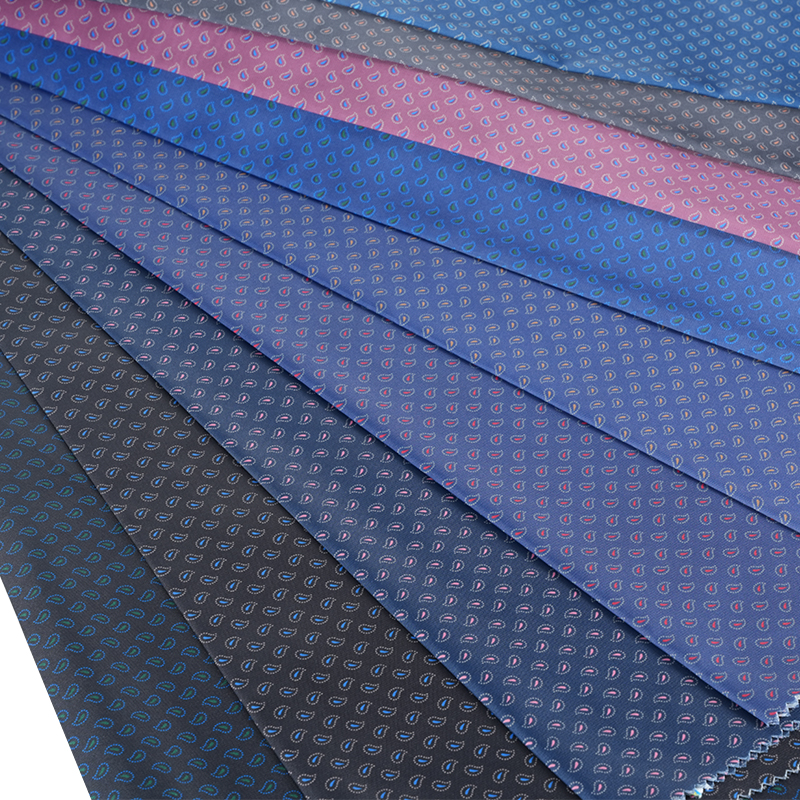
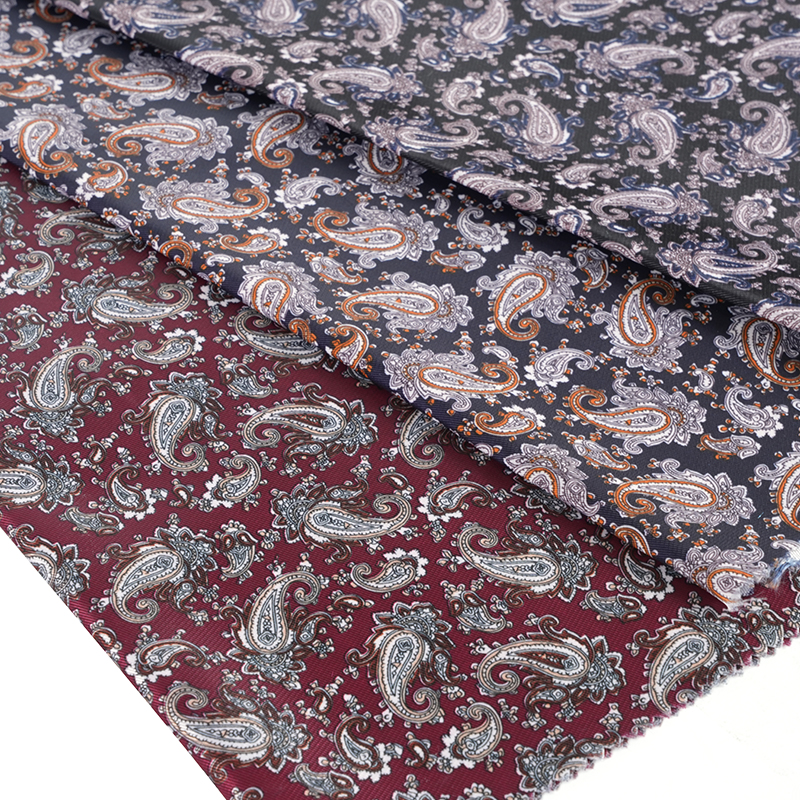
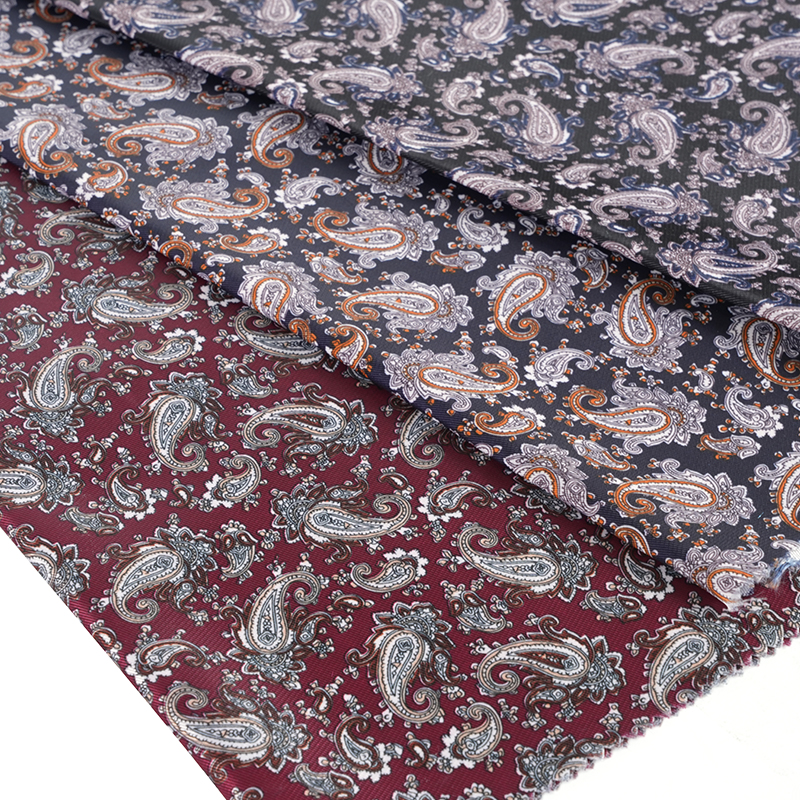
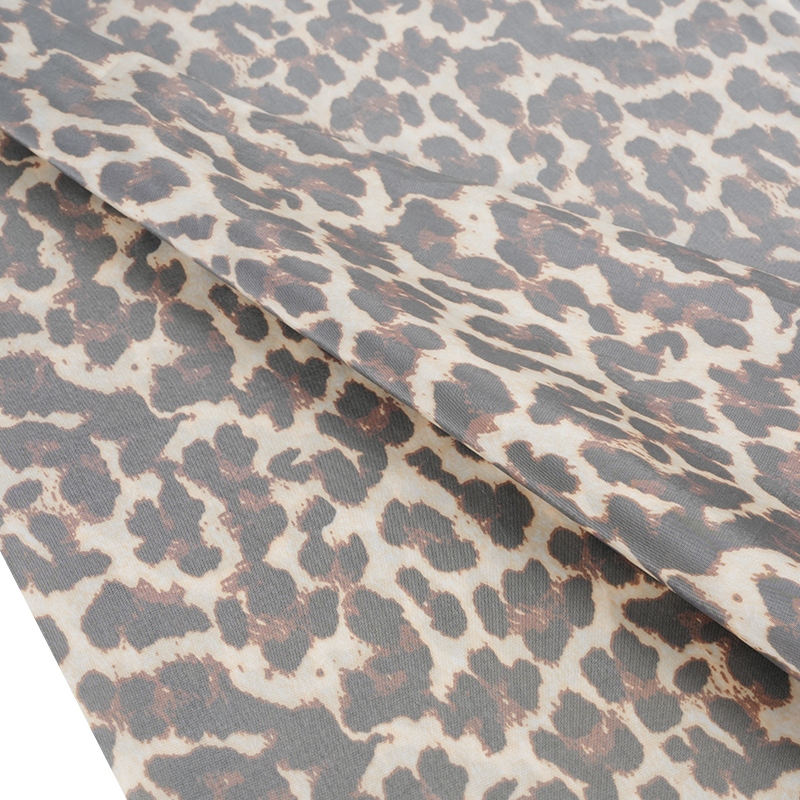
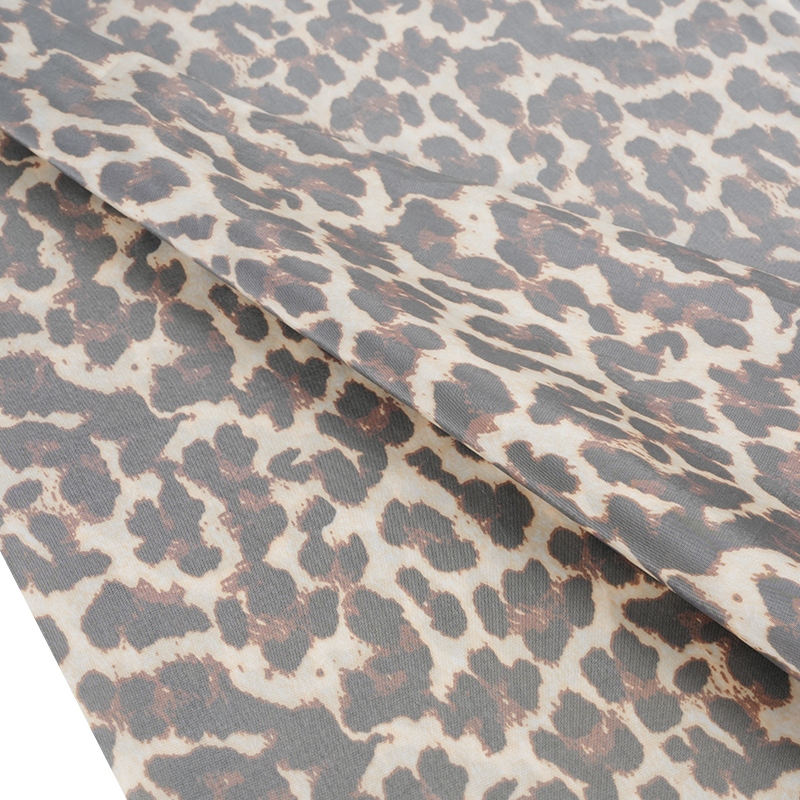
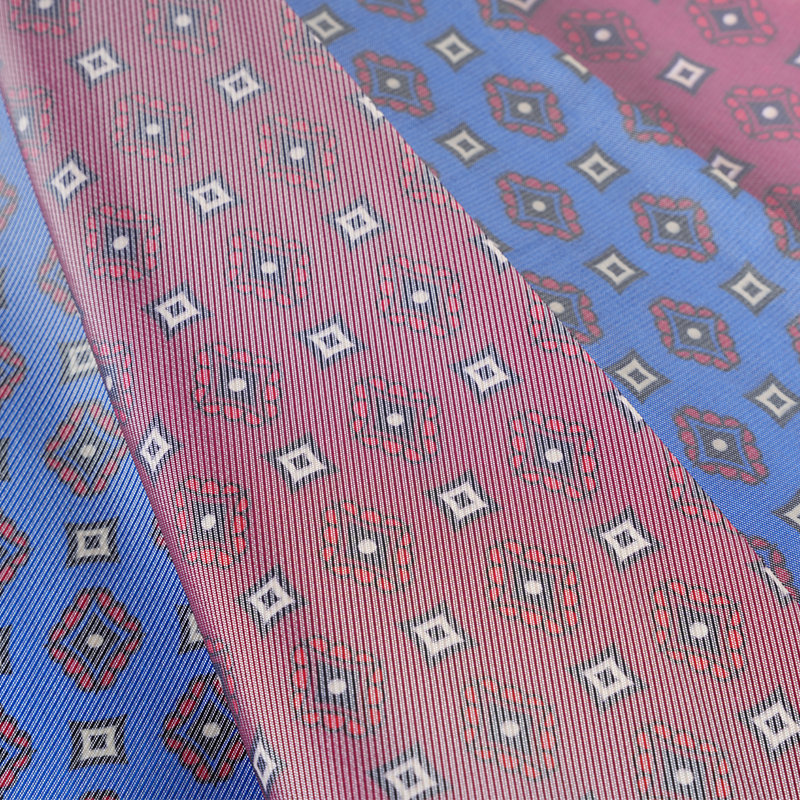
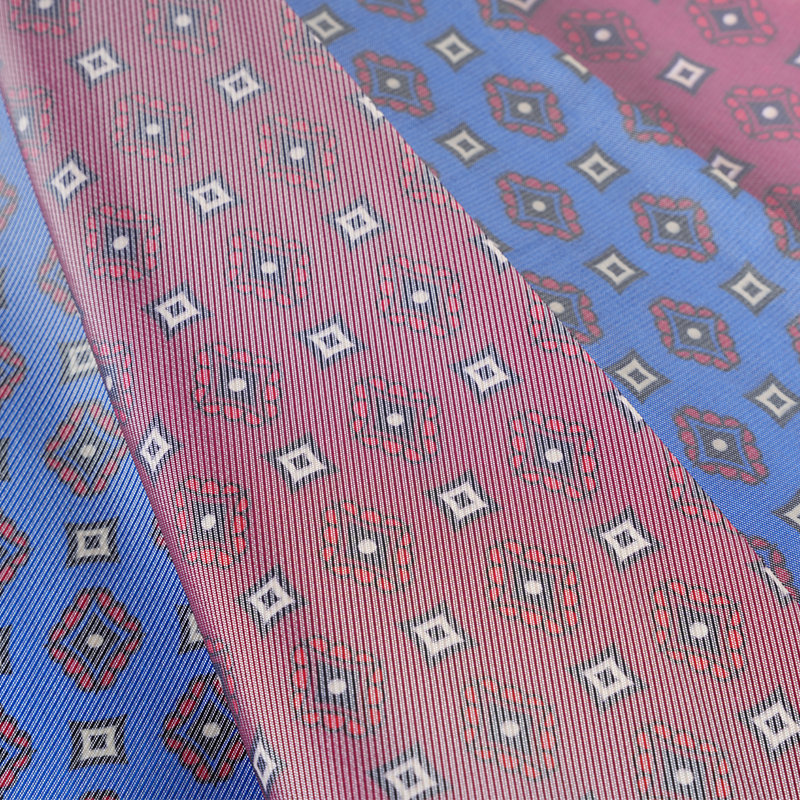
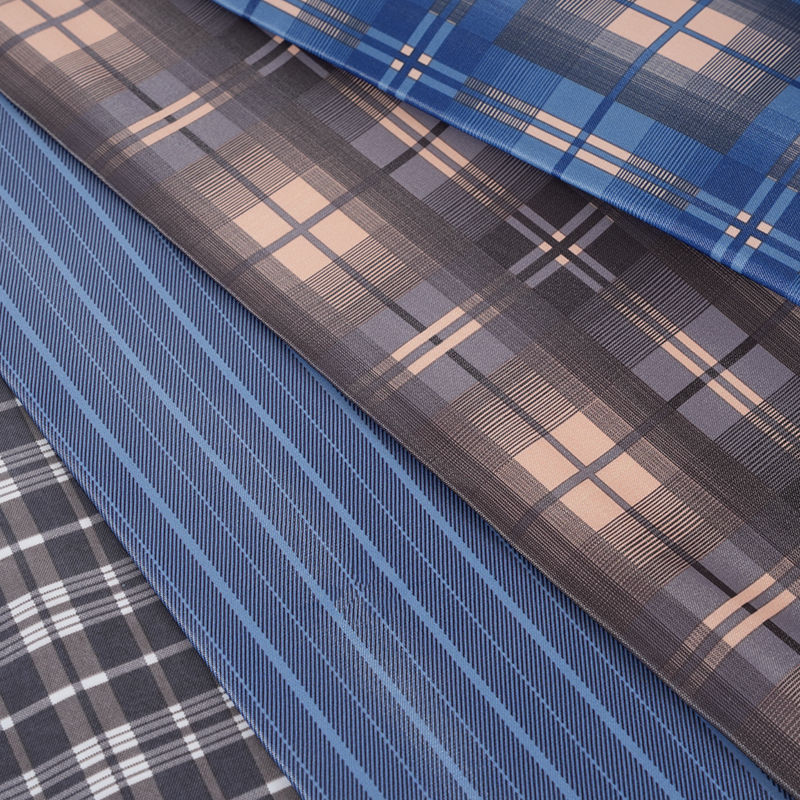
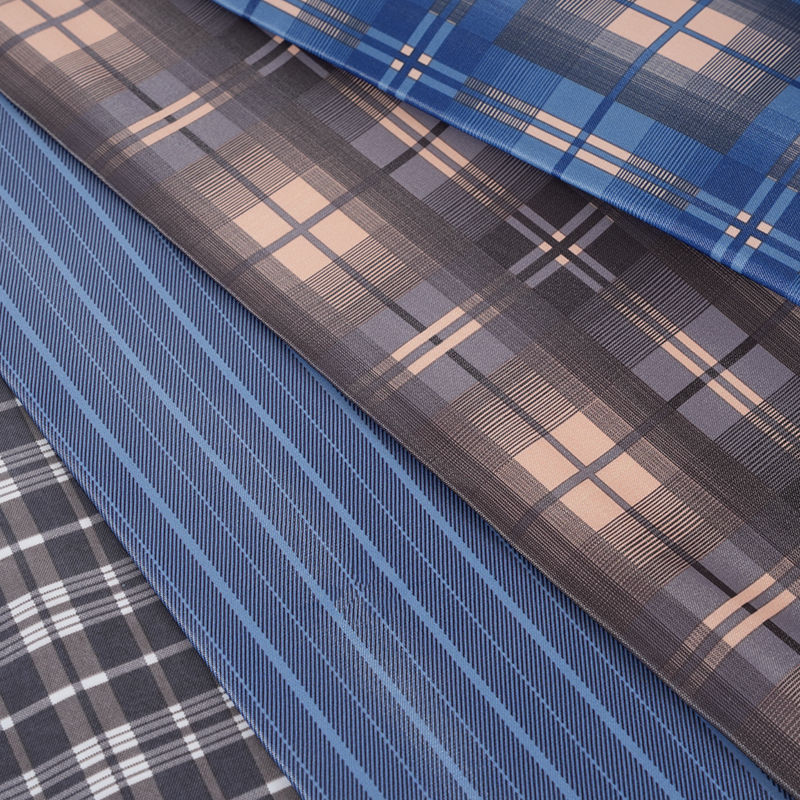
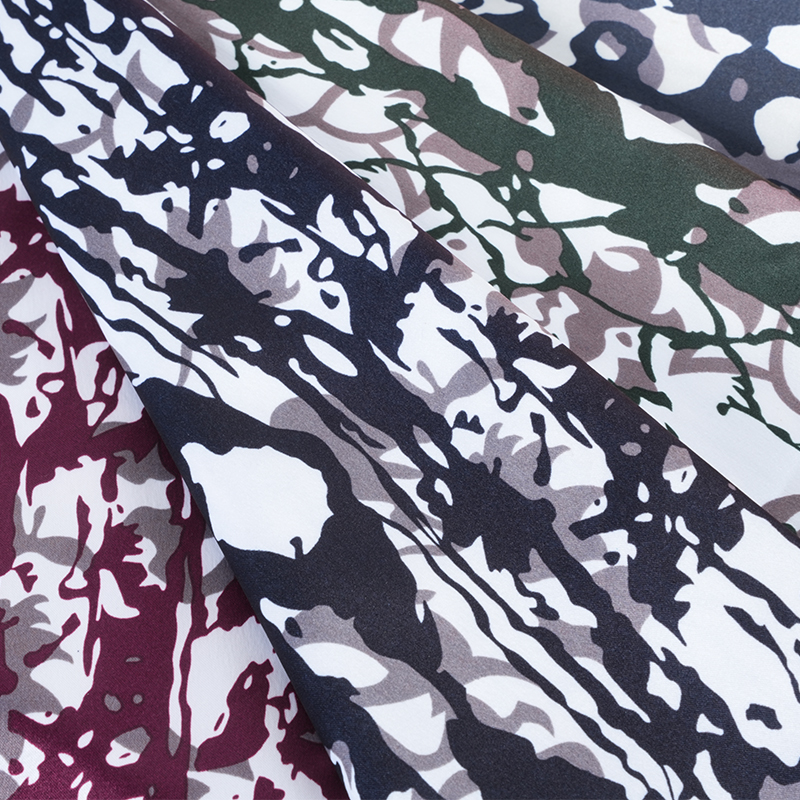
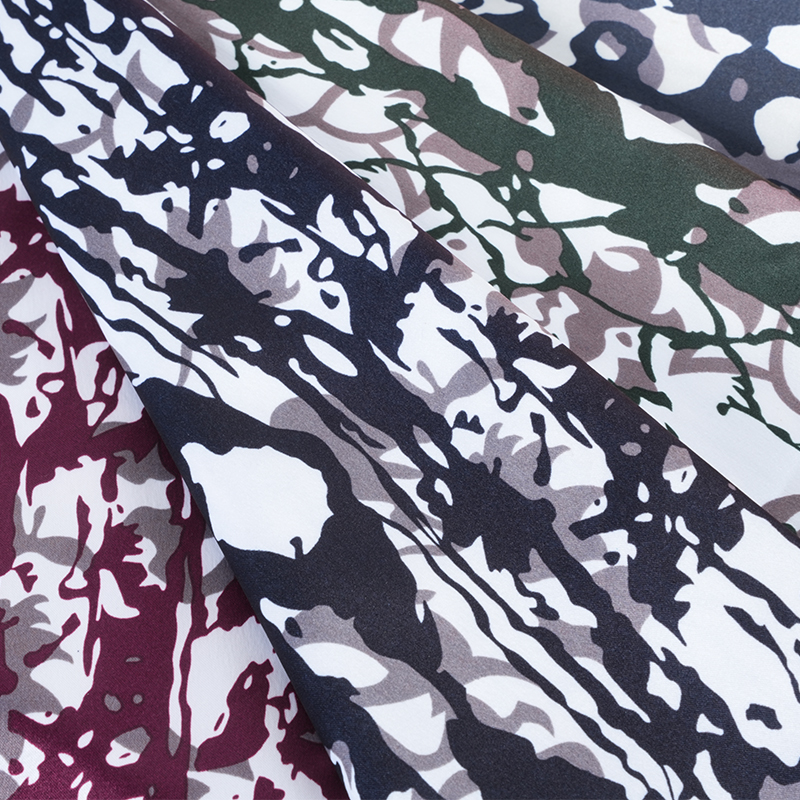
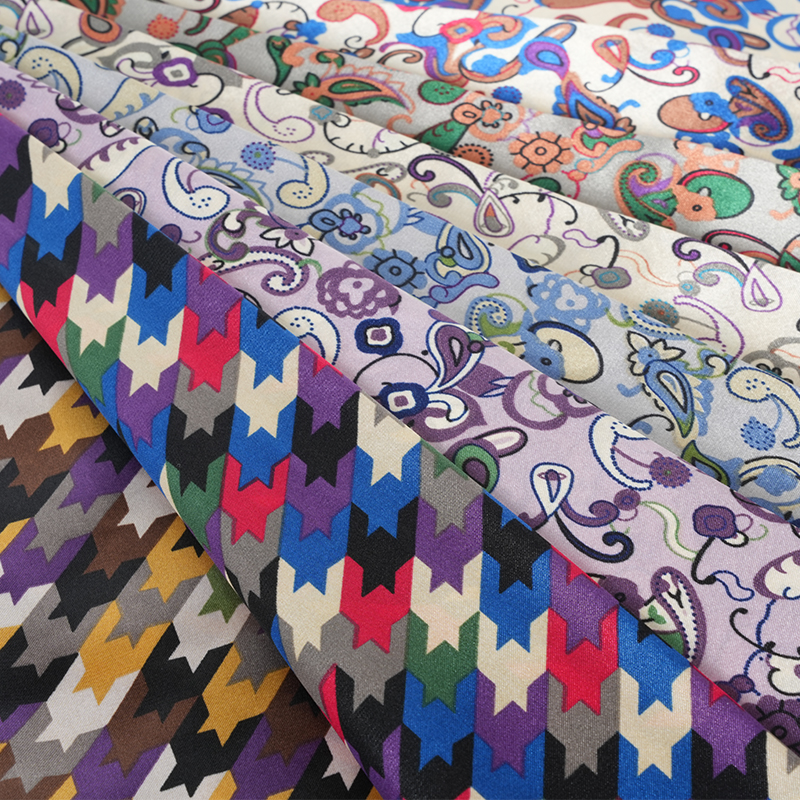
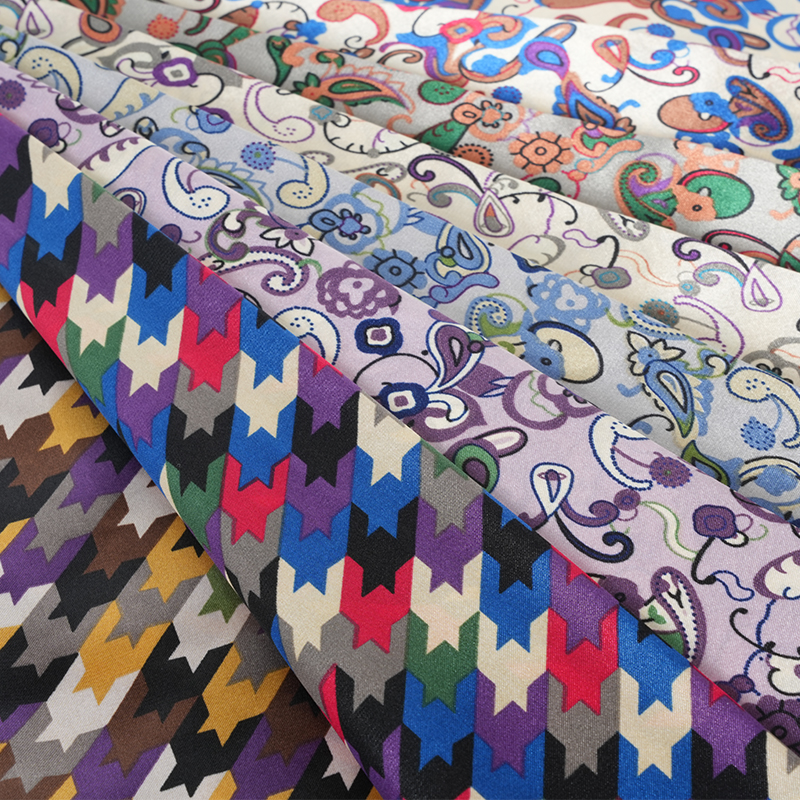
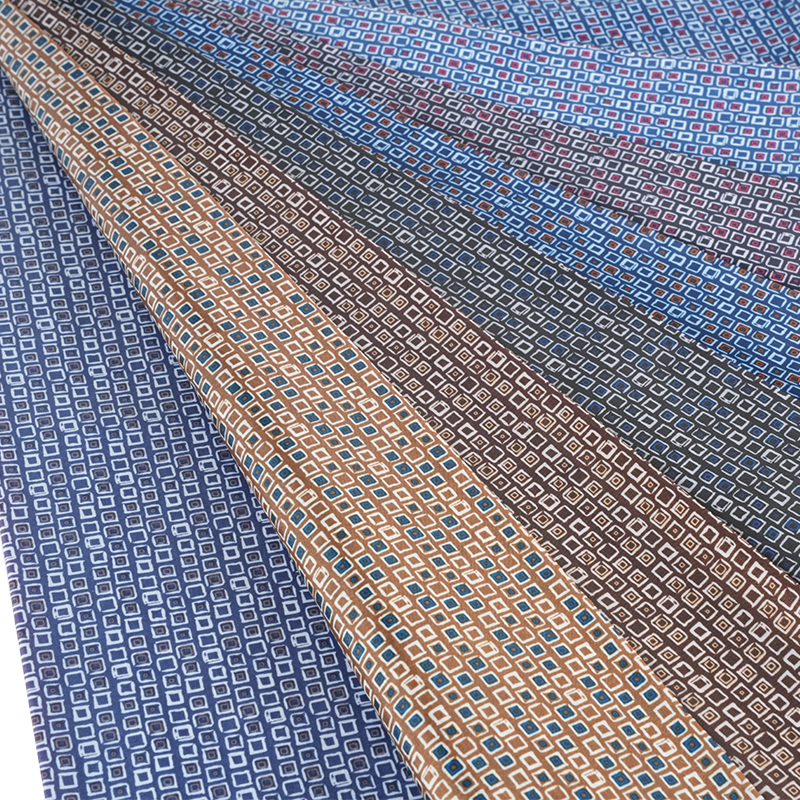
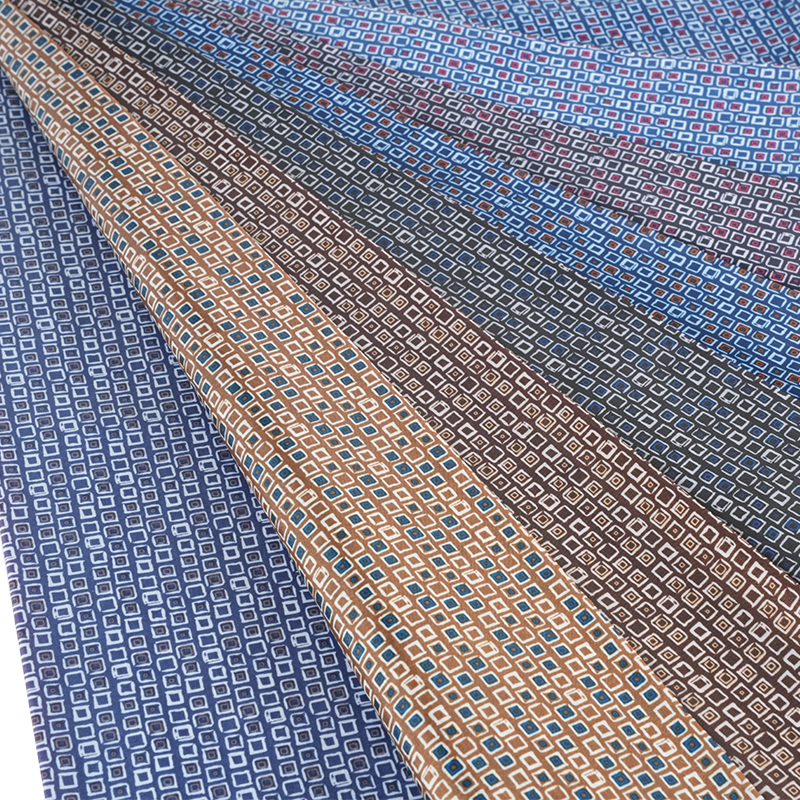
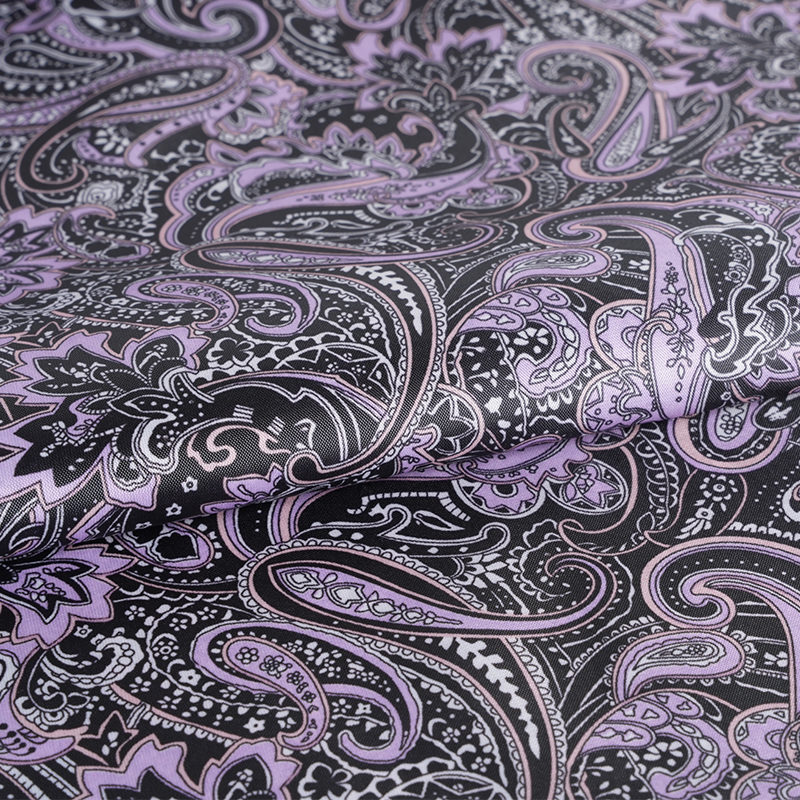
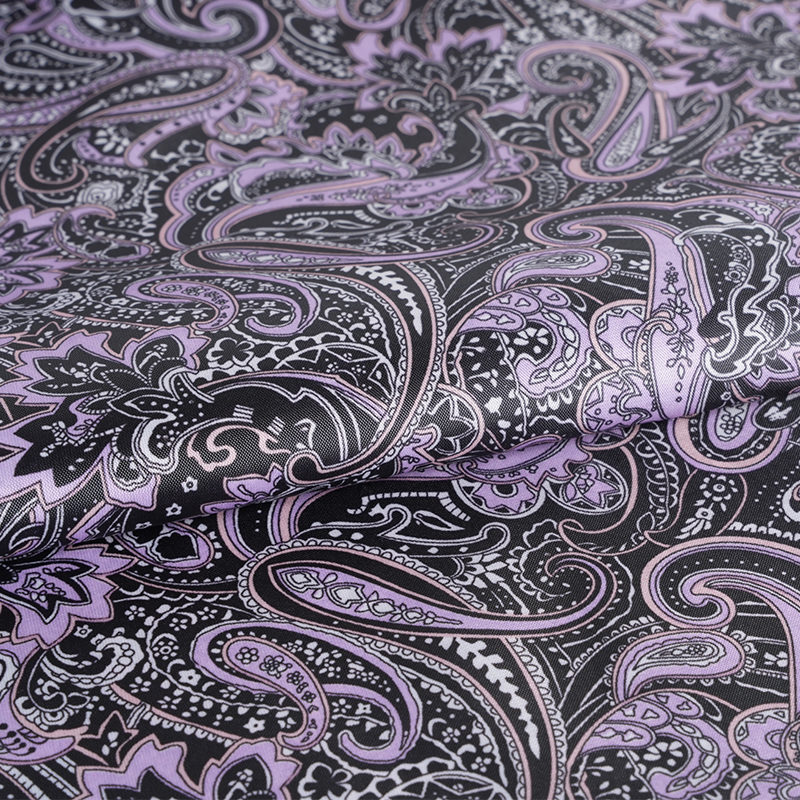
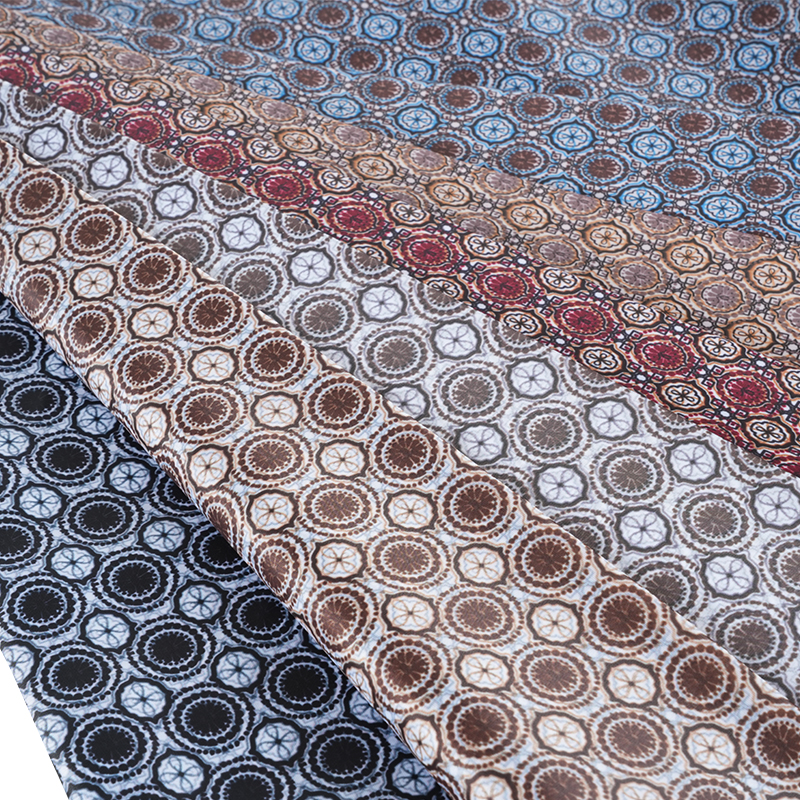
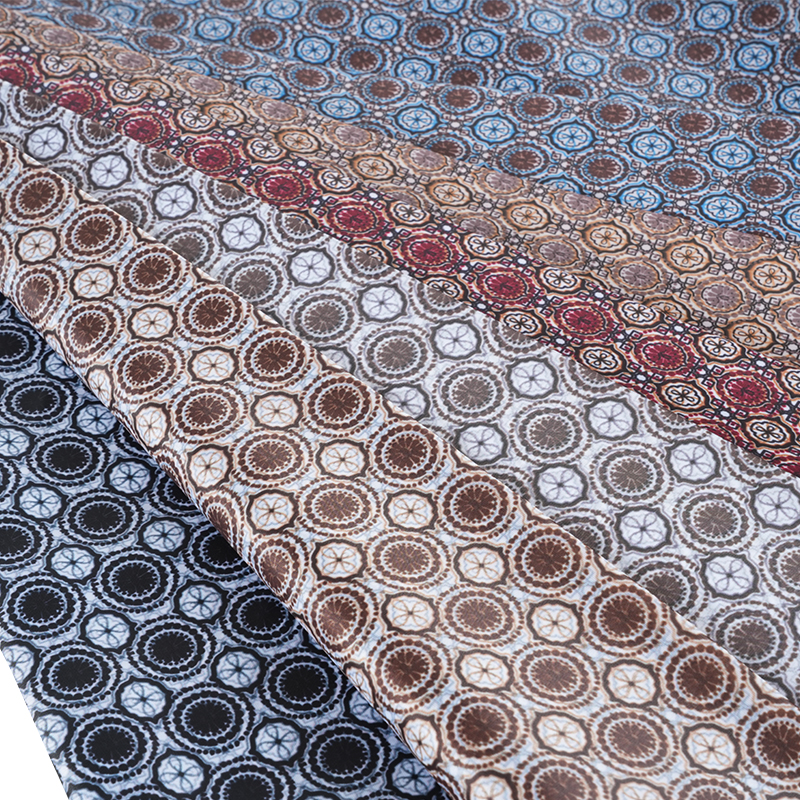
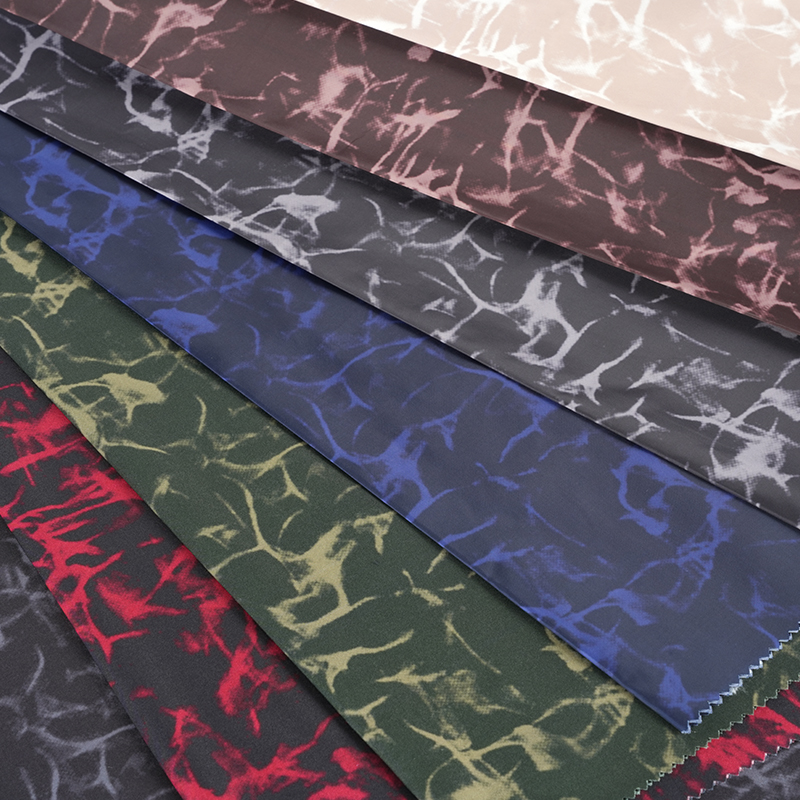
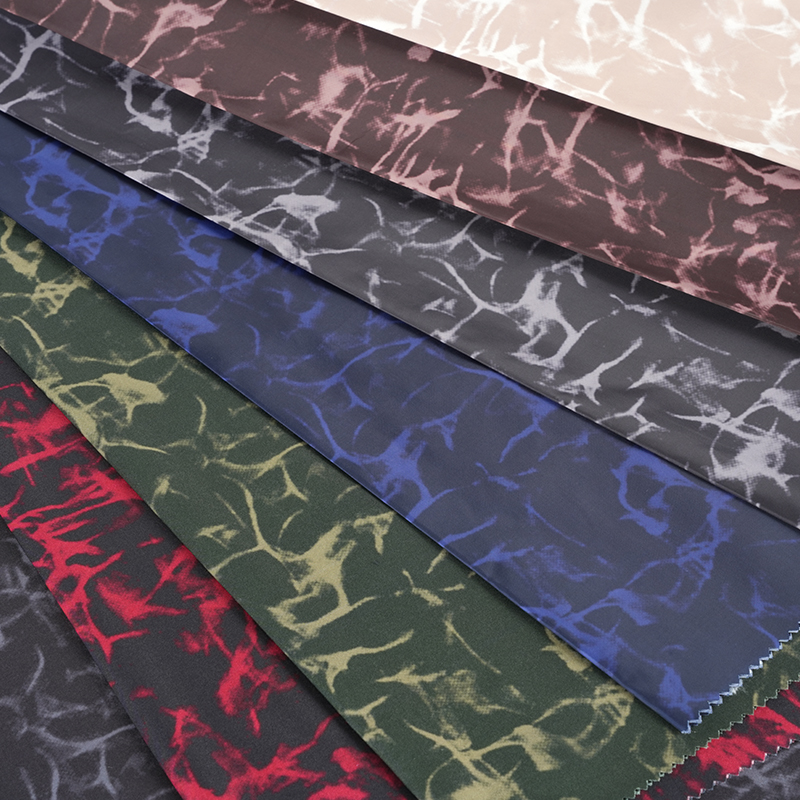
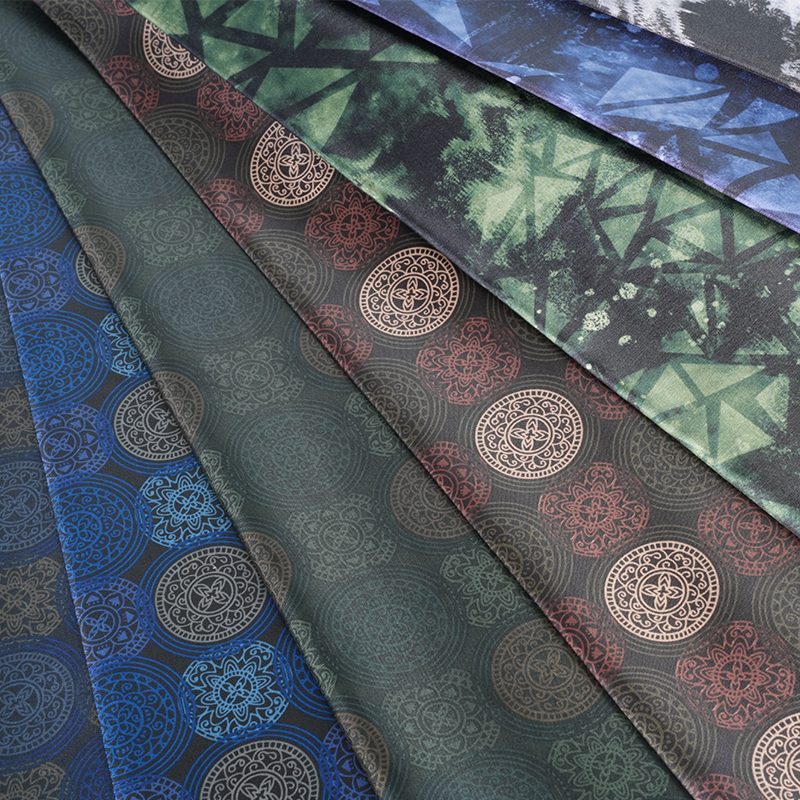
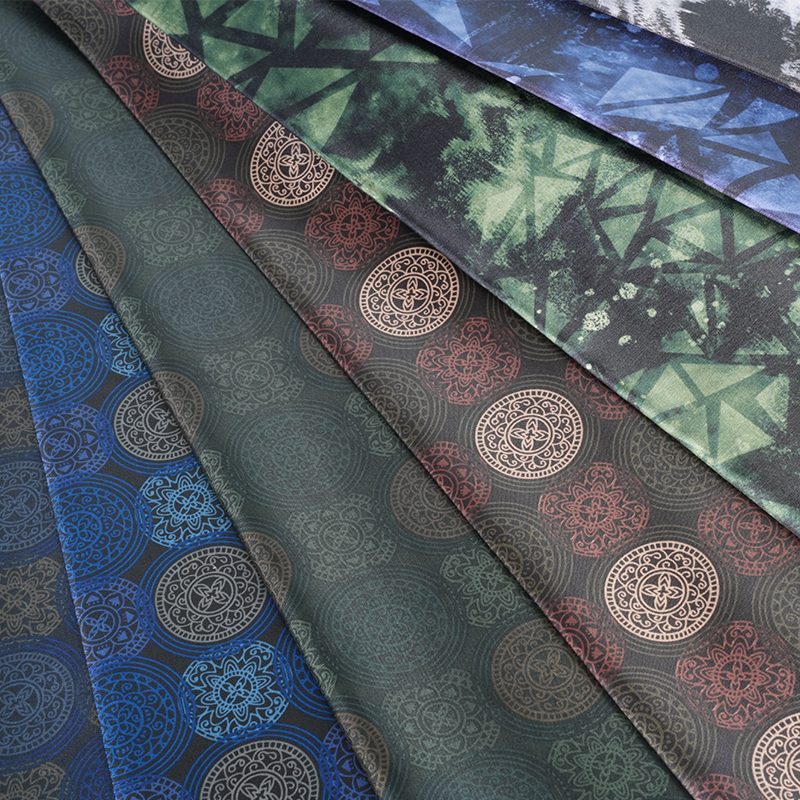
Printed lining refers to decorative fabrics that add various patterns, designs or colors to the surface of the fabric through printing and dyeing technology. It is usually used for the lining of clothing, household items and various accessories. Printed lining not only focuses on the comfort and durability of the fabric, but also enhances the overall beauty of the product through the design of patterns and colors.
Rich design patterns: The biggest feature of printed lining is its rich and diverse patterns and designs. From traditional flowers and geometric figures to modern abstract art and custom patterns, printed linings can be customized according to consumer needs or designer creativity. This diverse design enables printed linings to be widely used in clothing, household items and accessories of different styles and occasions to meet the personalized needs of different consumers.
Bright colors and outstanding visual effects: Printed linings are usually processed by dyes or pigments to maintain bright and stable colors. The use of printing technology makes the fabric color richer, and a unique visual effect can be created through a combination of multiple colors. Compared with ordinary monochrome linings, printed linings can add some unique artistic and design sense to clothing and accessories in details.

Printing
About Us Shaoxing Yongjun Textile Co.,Ltd.
Yongjun Textile, founded in 2003 and located in China Light Textile City—one of Asia's major light textile markets—is adjacent to Hangzhou Xiaoshan International Airport, with convenient transportation and well-developed communications. As a professional China Printed Lining Fabric Manufacturers and Printed Lining Suppliers, the company holds independent import and export rights and specializes in producing and selling a wide range of woven and knitted linings, including jacquard, plain, twill, satin, and other dyed linings, as well as linings processed through various techniques like yarn-dyeing, embossing, glazing, printing, coating, hot stamping, burnt-out, and composite. The main materials used in the products are polyester, polyester-cotton, cotton, rayon, nylon, acetate, etc. Since its establishment, the company has consistently adhered to the business philosophy of "striving for high standards (continuously improving and refining), accuracy (clear and precise), speed (quickly meeting the needs of customers), and innovation (constant innovation)", and is committed to providing customers with high-quality products and services.
The company has a high-quality and innovative team. The team members come from different professional backgrounds and have rich industry experience and skilled technical capabilities. They cooperate and make progress together, injecting a steady stream of power into the company's development.
Regarding technology research and development, Yongjun Textile has invested a lot of resources and is constantly pursuing innovation and breakthroughs. The company has advanced R&D facilities and reliable R&D processes, which can quickly respond to market demand and launch competitive products. At present, the company has obtained several patents and technical certifications, and its technical level is at the forefront of the industry.
The company operates professionally in the production and development of linings and women's fabrics, establishing different quality standards to meet customer needs. The "Yongjun" brand was registered in 2006, and the "Jingjun" and "Yuedu" brands were registered in 2018. The company keeps up with customer needs and market trends for research and development, focusing on order-based production. By integrating trade and production through yarn and grey cloth operations, the company ensures that its supply capacity is not constrained.
In terms of quality management, Yongjun Textile has always adhered to strict standards and established a comprehensive quality management system. From raw material procurement to production and processing, to product testing and after-sales service, every link is strictly controlled to ensure the stability and reliability of product quality.
In addition to achieving remarkable results in the domestic market, the products have spread to over 60 countries and regions worldwide, including the United States, the European Union, the United Kingdom, Eastern Europe (Russia, Belarus, Poland, Ukraine, Kazakhstan, Kyrgyzstan, Tajikistan, etc.), Canada, South America (Brazil, Argentina, Chile, Bolivia, Colombia, Panama, Mexico, etc.), South Africa, North Africa (Egypt, Tunisia, Morocco, etc.), the Middle East (Saudi Arabia, UAE, Iran, Lebanon, Israel, etc.), Southeast Asia (Thailand, Malaysia, Indonesia, Singapore, Vietnam, etc.), and Asia (India, Nepal, Japan, South Korea, etc.). A strong brand image has been established in international markets.
As a socially responsible enterprise, we base our judgment on altruism, always striving for the material and spiritual well-being of all employees and contributing to the development of society.
In the brand development plan for the next 3-5 years, "Yongjun Lining" will improve the quality of high-end products, meet the functional needs of consumers, enhance brand awareness, and develop more international customers. "Jingjun Lady Fabrics" will quickly and accurately develop new products to meet the requirements of domestic and foreign brands, speed up delivery in the e-commerce market, improve product quality and brand recognition, and develop international customers. "Yuedu" scarves will strengthen design and development over the next three years to support clothing coordination. Additionally, the company will increase the learning efforts of the R&D and sales teams in textile professionalism, improve the level of digital management, and apply technological management tools. In 2024, the company plans to establish a production base in another province, with the first phase of weaving, printing, and dyeing production, and support new product development through comprehensive testing. The company is committed to solving clothing problems for consumers, producing high-quality and reasonably priced products, promoting the market towards health, and enhancing the independent innovation capabilities of Chinese companies.
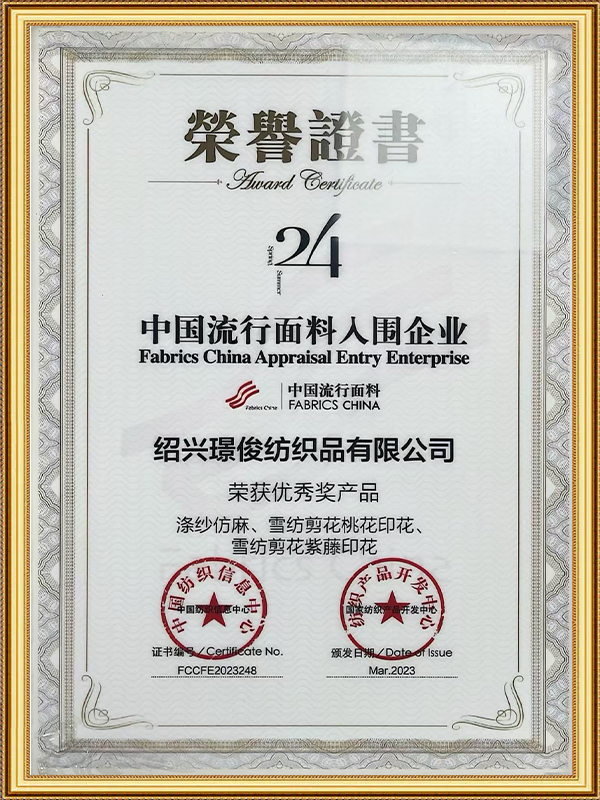
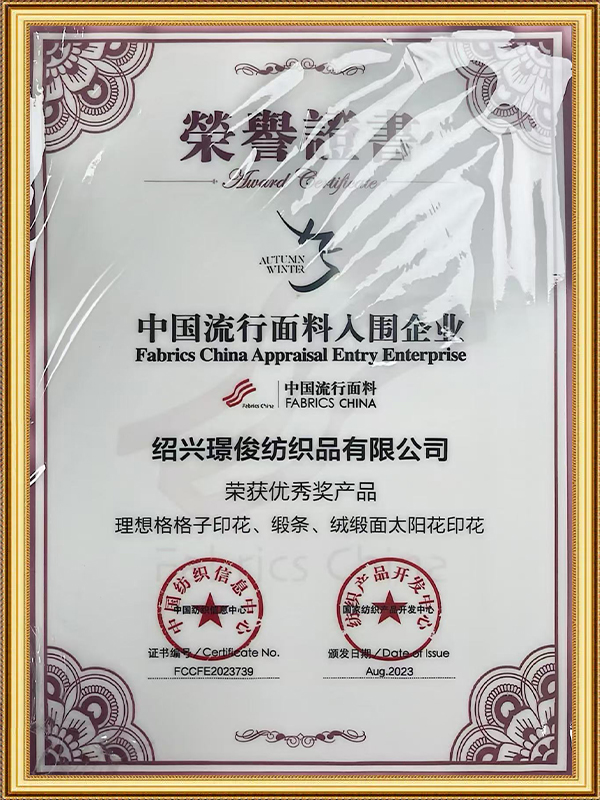
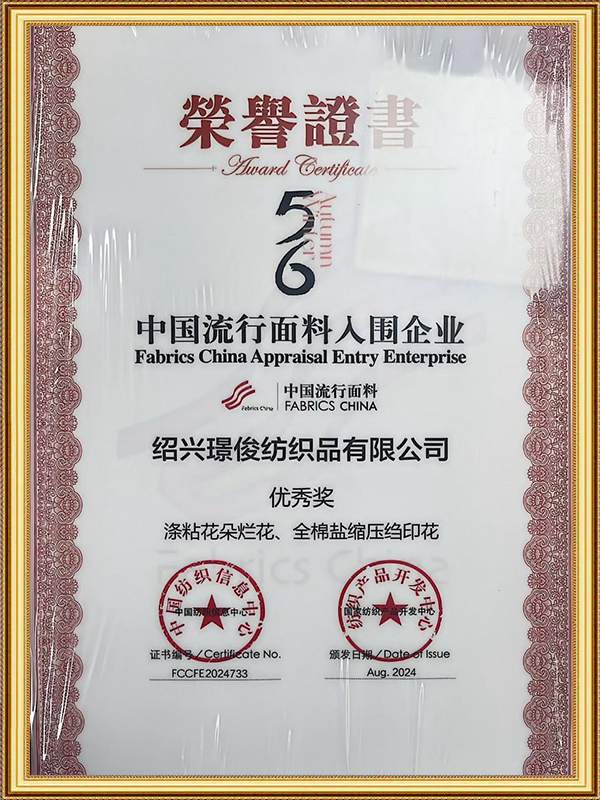
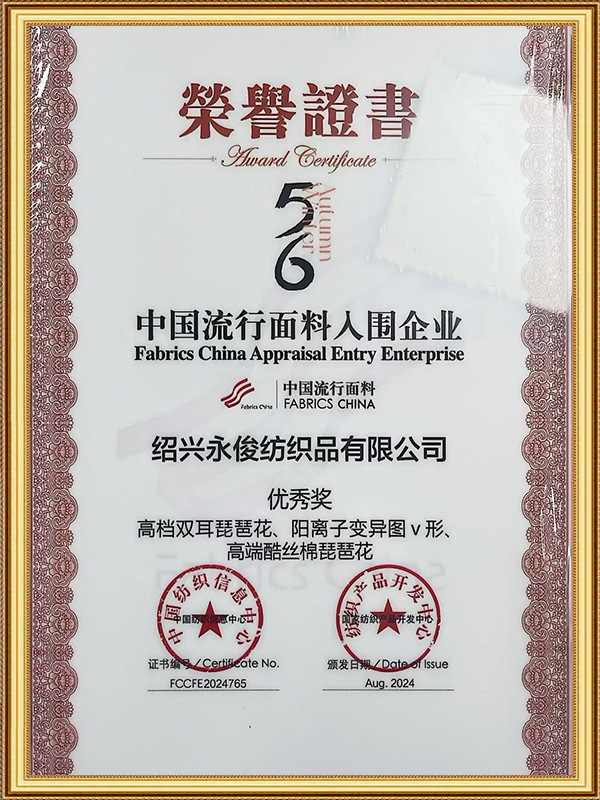
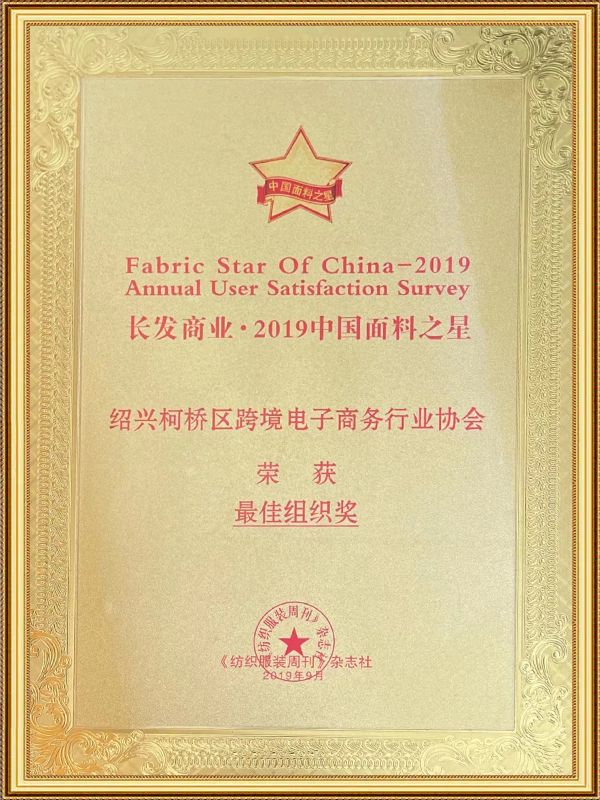
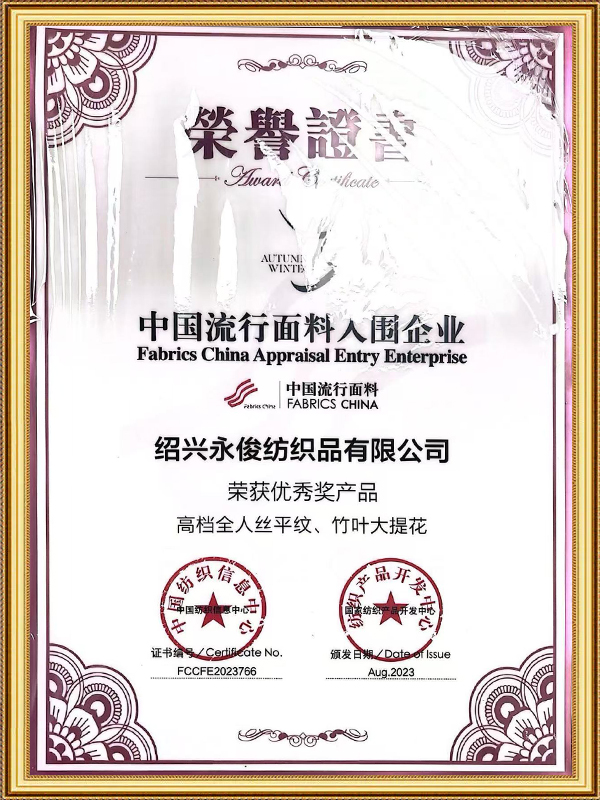
  • honorCertificates
  • honorCertificates
  • honorCertificates
  • honorCertificates
  • honorCertificates
  • honorCertificates
  • honorCertificates
  • honorCertificates
Follow Us Latest News
  • Does crepe chiffon fabric feel smooth to the touch and is prone to static electricity?

    Texture and Feel of Crepe Chiffon Fabric Crepe chiffon fabric is known for its delicate texture and light weight. When touched, it provides a slightly grainy yet soft sensation, characteristic of its crinkled surface. The fabric is generally smooth enough to glide over the skin gently, creating a su...

    READ MORE
  • How breathable and absorbent is cotton stretch fabric?

    Introduction to Cotton Stretch Fabric Cotton stretch fabric is a textile material that combines natural cotton fibers with elastane or spandex to provide elasticity. This combination allows the fabric to stretch and recover while retaining the inherent properties of cotton, such as softness and mois...

    READ MORE
  • What weaving methods or structural designs are used in synthetic fiber linings?

    Weaving Methods Used in Synthetic Fiber Linings Synthetic fiber linings are widely used in apparel, industrial products, luggage, footwear and various technical textiles, and their weaving methods play a central role in determining structural stability, comfort, durability and functionality. The cho...

    READ MORE
Industry Knowledge Expansion
Common Printing Techniques for Printed Lining

In the modern apparel industry, Printed Lining is no longer merely an auxiliary interior material but an essential element that conveys brand quality and design aesthetics. The evolution of printing technology has transformed linings from a purely functional layer into a medium for visual artistry and brand identity. 

I. Tradition Meets Innovation: The Diversification of Printing Technologies

The essence of printed lining lies in the “expressiveness of the pattern” and the “stability of the technique.” Yongjun Textile utilizes various printing processes based on the properties of different fiber substrates—polyester, poly-cotton, cotton, rayon, nylon, acetate, etc.—to achieve vivid colors, clear patterns, and a smooth hand feel.

1. Rotary Screen Printing

Rotary screen printing is one of the most widely used and traditional printing methods, known for its high-speed and continuous production capabilities, making it ideal for large-scale printed lining manufacturing. Yongjun Textile uses imported rotary printing equipment with precise paste formulation and tension control technology, ensuring high pattern resolution and accurate color registration, suitable for premium brand lining collections.

2. Flat Screen Printing

Flat screen printing is characterized by its layered texture and three-dimensional effect, making it suitable for complex designs and partial pattern enhancement. Yongjun Textile focuses on paste fineness and fabric penetration control in this process, ensuring well-defined color layering and natural transitions. This method is particularly suitable for mid-to-high-end women’s fashion and boutique suits.

3. Transfer Printing

Transfer printing is favored for its eco-friendliness, vibrant colors, and delicate patterns, widely applied in polyester printed linings. Yongjun Textile adopts advanced heat transfer paper technology, ensuring complete pattern transfer onto fabric surfaces with long-lasting color fastness. This process is especially popular in fashion apparel and functional garment linings.

4. Digital Printing

With the rise of digital transformation in the textile industry, digital printing has become a major development direction for printed linings. Yongjun Textile introduced high-precision digital printing equipment early on, realizing full-process digital control from design and color management to production. Digital printing not only allows small-batch customized production but also accurately reproduces designers’ creative patterns, meeting brands’ demands for unique designs, especially suitable for high-end custom brands and designer clothing linings.

II. Coordination of Technique and Material: Details Determine Quality

The quality of printed lining depends not only on the printing method but also on the fabric base, paste formulation, and post-finishing process. Yongjun Textile is highly knowledgeable about the coloring properties of different fibers:

  • Polyester printed lining: rich color, soft sheen, suitable for transfer and digital printing.
  • Rayon and cotton printed lining: breathable, soft color, suitable for flat screen printing.
  • Nylon and acetate printed lining: require precise control of temperature and heat-setting tension, suitable for functional processing.

In addition, the company applies multiple post-finishing technologies, including coating, glazing, hot stamping, embossing, etc., giving printed linings richer visual and tactile layers and enhancing the overall quality level. This “printing + functional composite” process not only enhances decorative appeal but also provides anti-static, water-resistant, and wrinkle-resistant properties, meeting international market demands for high-performance linings.

III. Intelligent Manufacturing and Environmental Awareness

During the printing production process, Yongjun Textile adheres to green manufacturing principles. By introducing energy-efficient heat-setting machines and low-consumption printing lines, water and chemical usage are significantly reduced. At the same time, the company strictly follows international environmental standards, such as OEKO-TEX Standard 100 and REACH certification, ensuring that every meter of printed lining is safe, eco-friendly, and odorless.

As the industry moves toward intelligent manufacturing, Yongjun Textile plans to further improve an integrated production system of weaving, printing, and finishing in its new production base in 2024. With digital color management and automated paste-mixing systems, the company can respond quickly to customer customization needs, increase delivery efficiency, and ensure color consistency.

IV. Design Trends and Market Applications for Printed Lining

Under global fashion trends, printed linings are gradually shifting from “hidden interiors” to “visible aesthetic expression.” Yongjun Textile’s design team follows international trends, launching various styles of printed collections, including geometric abstraction, vintage florals, brand logos, and personalized textures, widely applied in suits, trench coats, dresses, jackets, and women’s clothing. At the same time, the company collaborates with multiple brands in international markets to provide ODM/OEM customized printed lining services, allowing fashion brands to express unique taste through interior details.

How Printed Lining Avoids Common Printing Problems

In modern textile manufacturing, Printed Lining is widely used in suits, dresses, coats, women’s clothing, bags, and home textiles due to its rich pattern expressiveness and fashion appeal. However, the printing process is complex, and precise control over materials, equipment, and procedures is critical. Slight errors can result in color deviation, bleeding, pattern distortion, or misregistration. As a professional manufacturer of woven and knitted linings, Shaoxing Yongjun Textile Co.,Ltd. (Yongjun Textile) implements strict quality management systems and advanced process technology to effectively prevent various production issues, ensuring that every batch of printed lining meets international quality standards.

I. Precise Color Control: Preventing Color Deviations and Pattern Distortion

Color deviation is one of the most common and sensitive issues in printed lining production. Yongjun Textile employs a full-process digital color management system, using computerized automatic color matching and standardized color card calibration to ensure consistent color values for every print. The company also introduced high-precision digital and automated rotary screen printing equipment, achieving a color reproduction rate of over 95% while maintaining production efficiency.

Additionally, in the fabric pre-treatment stage (such as desizing, scouring, and heat-setting), the technical team precisely controls fabric absorbency, ensuring uniform penetration of printing paste and stable coloration, thus preventing pattern distortion from the source. This rigorous control underpins Yongjun Textile’s long-standing position in the high-end domestic and international market.

II. Matching Paste and Fiber: Preventing Bleeding and Blurred Edges

Different lining materials exhibit different absorption and diffusion properties for printing paste. Yongjun Textile leverages extensive material R&D experience to develop customized printing paste systems for polyester, cotton, rayon, nylon, acetate, and other fabrics. The company strictly controls paste viscosity, additive ratios, and squeegee pressure, preventing over-penetration or uneven spreading, thereby avoiding blurred or unclear pattern edges. After printing, proper drying temperature and heat-setting tension ensure that pigments adhere firmly to the fiber surface, maintaining clarity and enhancing wash and rub fastness.

III. Accurate Color Registration and Tension Control: Solving Misalignment Issues

Color misregistration is a critical factor affecting print quality. Yongjun Textile utilizes automatic positioning and synchronized tension control systems to maintain stable tension and precise pattern placement during high-speed rotary or flat screen printing. The company’s constant temperature and humidity production environment reduces fabric dimensional changes caused by environmental fluctuations, improving registration accuracy.

In practice, process engineers adjust squeegee angles and pressure according to pattern structure, achieving precise overlay and perfect alignment, resulting in clear layering and a three-dimensional effect. Attention to such detail is key to Yongjun Textile’s long-term competitiveness in high-end printed linings.

IV. Scientific Post-Finishing: Preventing Fading and Preserving Hand Feel

Post-printing heat-setting and finishing are critical for product performance. Yongjun Textile has established strict post-printing process standards, controlling drying, fixation, glazing, and softening with precise temperature and timing. The company uses eco-friendly fixatives and disperse dyes, ensuring printed linings retain vibrant colors after repeated washes. Yongjun Textile’s softening treatment penetrates at the molecular level, fully bonding the print layer to the fabric base, producing smooth hand feel and natural drape, ideal for high-end garment linings.

V. Full-Process Quality Inspection: Ensuring Stability of Every Meter

To eliminate potential production issues, Yongjun Textile implements full-process quality monitoring, from raw material procurement and printing production to post-production inspection. The company’s lab performs multiple tests on each batch, including color fastness, abrasion resistance, shrinkage, and pH value, following international standards. The R&D center is equipped with spectrophotometers and fabric surface inspection systems to detect and correct minor errors in real-time, ensuring consistency across batches. This scientific quality management enables Yongjun Textile’s printed linings to maintain high consistency and low defect rates, earning trust from domestic and international customers.

Main Applications of Printed Lining in the Apparel Industry

In modern fashion design and manufacturing, Printed Lining has evolved from a simple auxiliary material to an important component of garment structure and style expression. Linings influence both garment comfort and wear experience while allowing brands to showcase personality and aesthetics through printing. As a professional manufacturer with over 20 years of experience in the lining industry, Shaoxing Yongjun Textile Co.,Ltd. (Yongjun Textile) provides advanced printed lining solutions, widely applied in high-end ready-to-wear, women’s clothing, suits, trench coats, and functional garments.

I. Applications in Suits and Professional Wear: Enhancing Detail and Quality

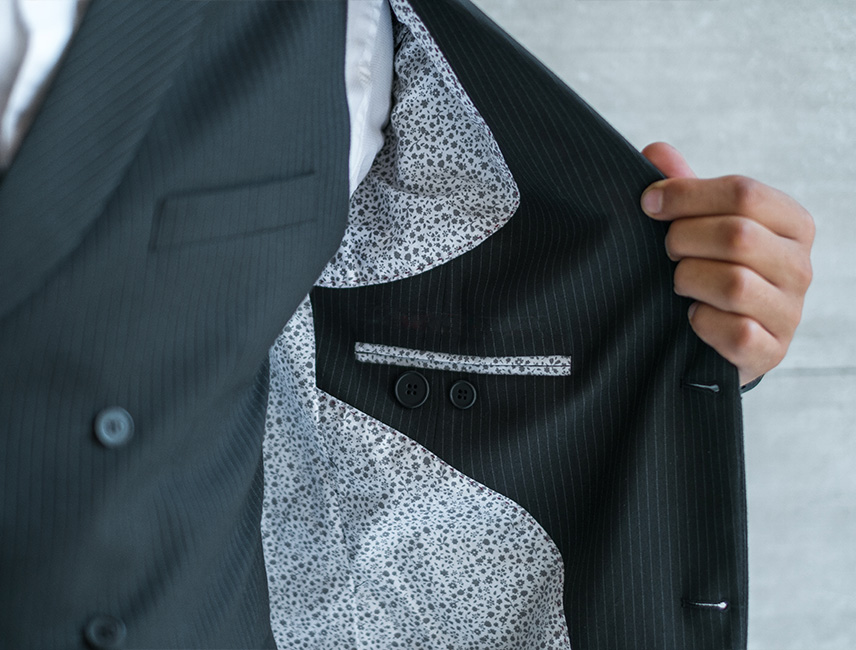
In high-end garments such as suits, professional attire, and formal wear, linings not only provide structural support and protection for outer fabrics but also reflect brand quality and craftsmanship. Yongjun Textile’s polyester and poly-cotton printed linings feature excellent smoothness and wrinkle resistance. With precise printing treatment, colors are uniform, and sheen is soft, enhancing structural stability while providing elegant visual appeal. Many international clients choose Yongjun Textile’s custom printed linings to incorporate brand logos or exclusive patterns inside suits, creating cohesion between interior and exterior and showcasing custom, high-end brand aesthetics. This “hidden brand expression” has become a hallmark of international high-end menswear.

II. Applications in Women’s Apparel: Combining Soft Design and Comfort

In women’s fashion, printed linings are widely used in dresses, trench coats, outerwear, and suits. Yongjun Textile’s women’s printed linings, made from rayon, polyester, acetate, combined with rotary, flat screen, and digital printing, produce fine patterns with layered colors. Whether romantic florals, geometric motifs, or brand-exclusive designs, Yongjun Textile accurately reproduces patterns with stable output. These linings are lightweight, smooth, breathable, and non-clingy, enhancing comfort and a high-end feel. The company’s “Jingjun Lady Fabrics” series focuses on coordinating fashion fabrics and linings, meeting domestic and international women’s brands’ demand for “inside-out elegance.”

III. Applications in Trench Coats and Outerwear: Combining Protection and Aesthetics

Trench coats, jackets, and outerwear often use highly functional fabrics, and printed linings enhance both inner quality and overall practicality. Yongjun Textile employs coating, glazing, and composite printing to produce linings with anti-static, windproof, waterproof, and wear-resistant properties while maintaining a soft hand feel. For example, polyester printed linings using transfer printing are vibrant and fade-resistant, ideal for fashion trench coats, outdoor jackets, and business blazers. Yongjun Textile’s team carefully controls printing and heat-setting steps, ensuring linings remain flat, smooth, and unwarped after repeated wear, satisfying brands’ requirements for durability and appearance.

IV. Applications in Formal Wear and Fashion Garments: Customization and Style Expression

High-end formal and fashion garments pursue unique details and artistry. Printed linings in these garments serve not only structural functions but also as an internal design language. Yongjun Textile’s digital printing solutions enable personalized, small-batch, and high-precision production, supporting clients in customizing exclusive patterns or logos. Whether metallic hot-stamped effects or delicate pastel watermarks, Yongjun Textile realizes high-precision reproduction to meet brand-specific stylistic needs.