How are the anti-pilling, abrasion resistance, and tensile strength of this high-quality lining?
Overview of High-Quality Linings
High-quality linings serve as essential components in garments, accessories, and home textiles, providing a smooth, durable, and functional inner layer that supports the main fabric. Key performance attributes such as anti-pilling, abrasion resistance, and tensile strength significantly influence the overall longevity and usability of the products. These attributes are determined by the material selection, weaving or knitting technique, and post-processing treatments applied to the lining. For instance, a lining with higher tensile strength ensures that garments maintain their shape under stress, while strong anti-pilling and abrasion resistance contribute to a cleaner appearance and reduced maintenance over time.
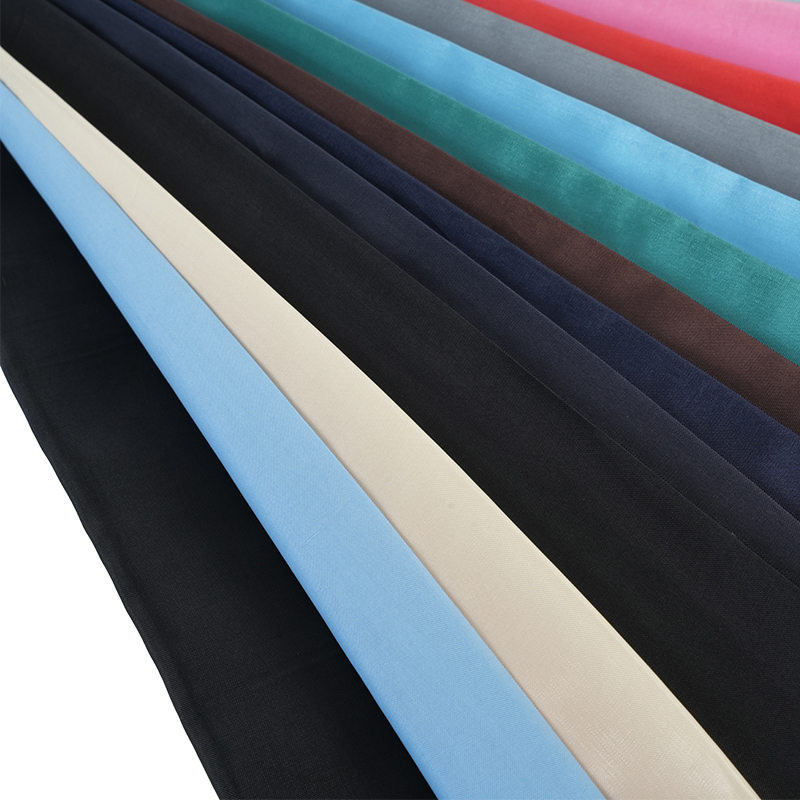
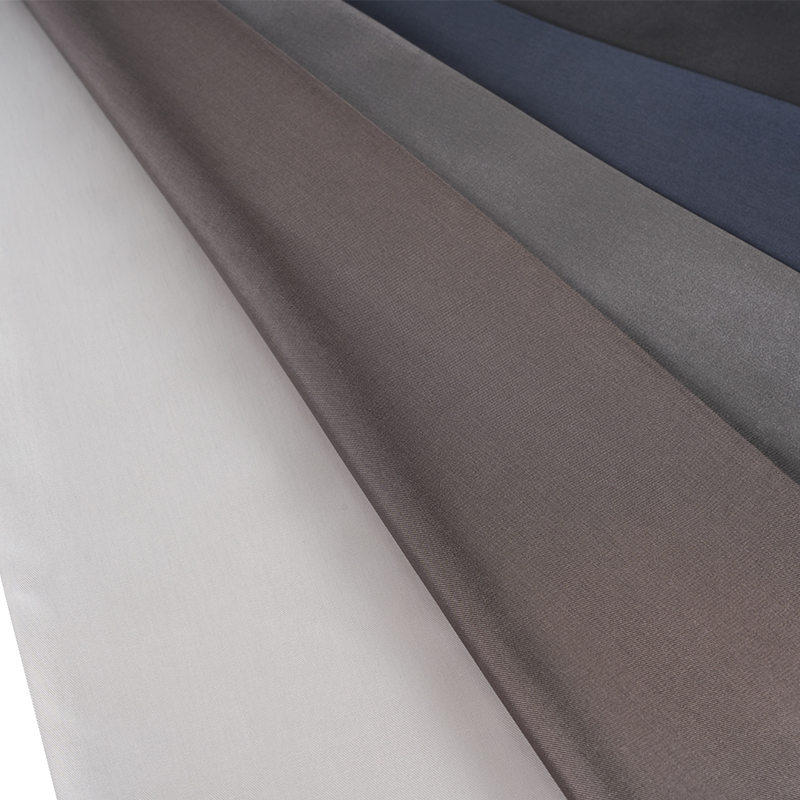
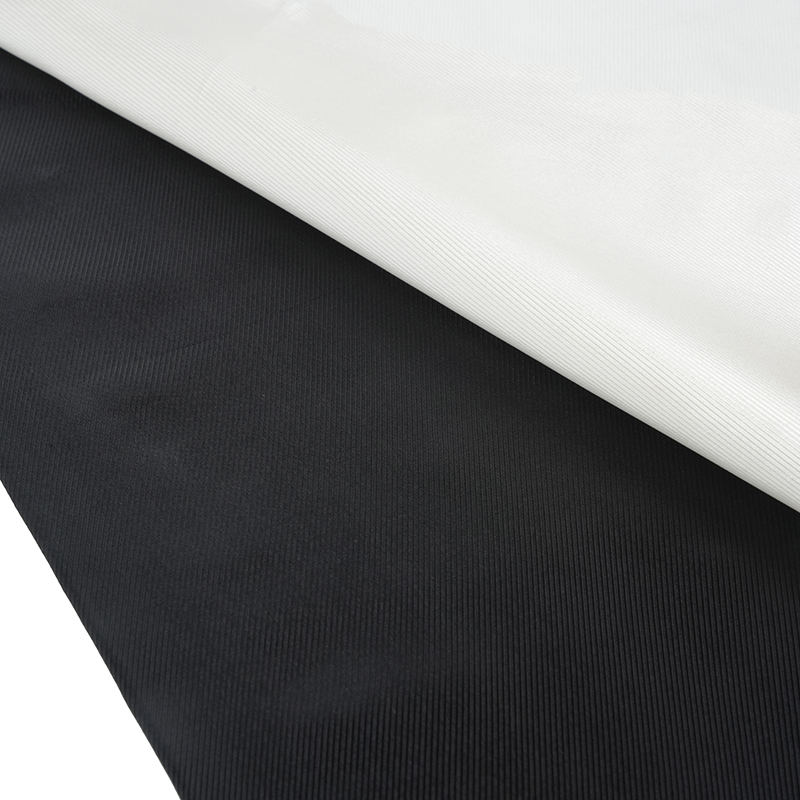
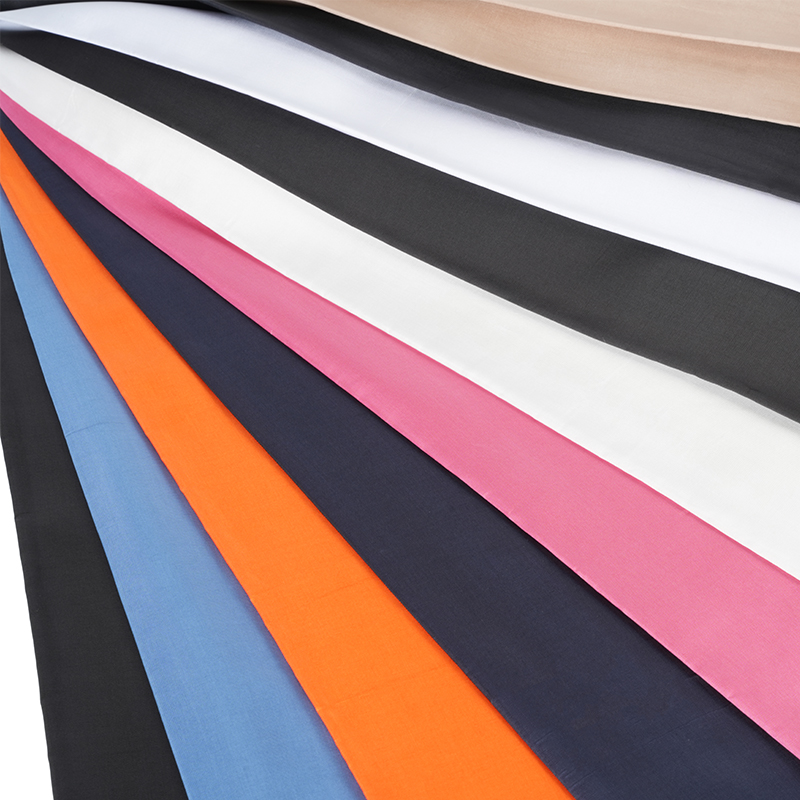
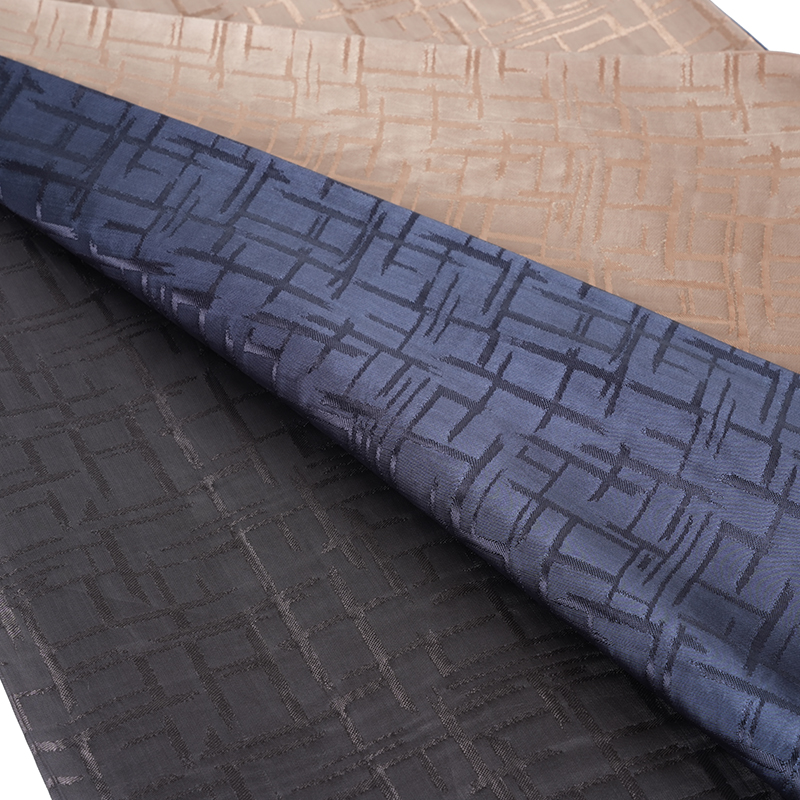
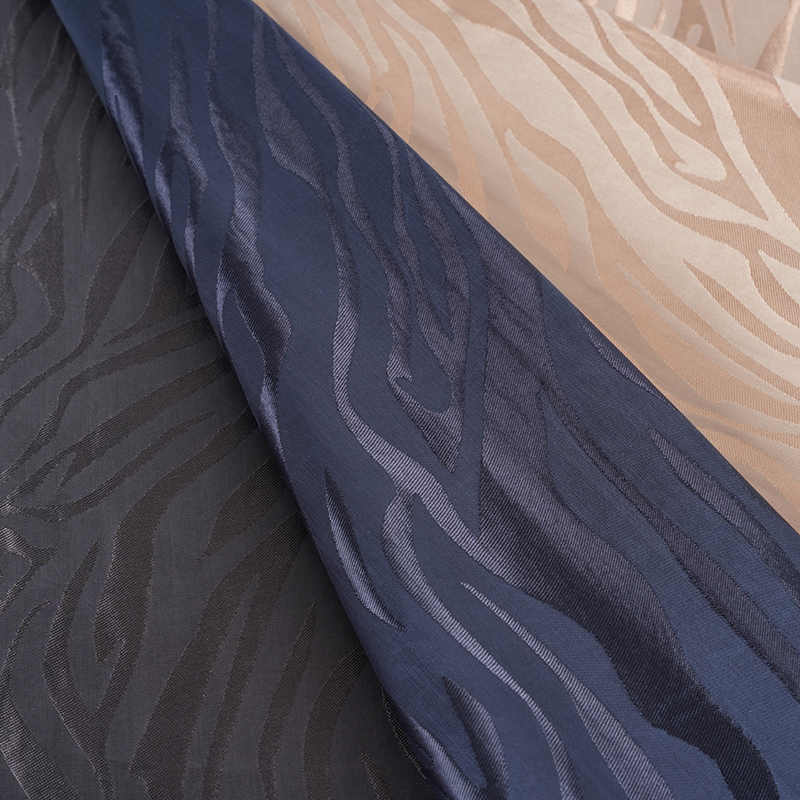
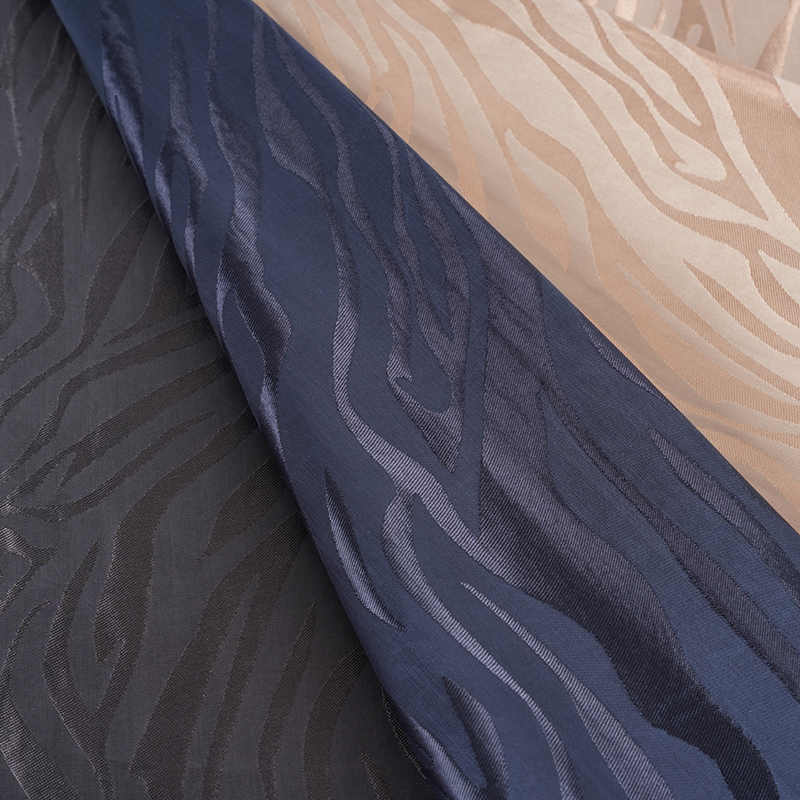
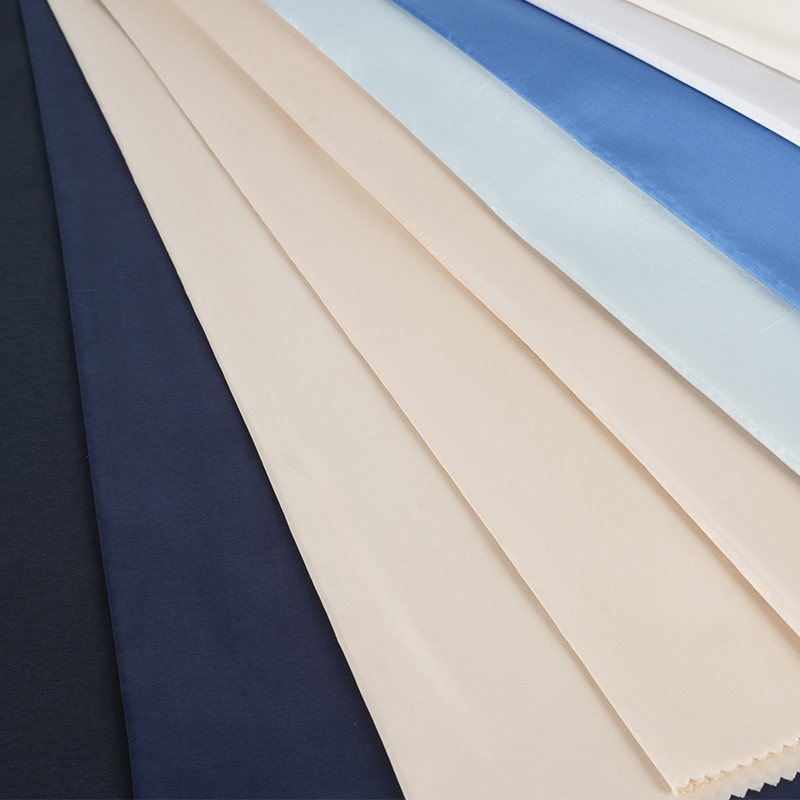
Manufacturers like Yongjun Textile, established in 2003 and located in China Light Textile City, produce a wide variety of woven and knitted linings, including jacquard, plain, twill, and satin weaves. The company utilizes advanced techniques such as yarn-dyeing, embossing, glazing, printing, coating, hot stamping, burnt-out, and composite processes. These technical capabilities allow for precise control of fiber arrangement and surface treatments, which directly affect the lining's mechanical and surface properties.
Anti-Pilling Performance
Anti-pilling refers to a fabric’s ability to resist the formation of small fiber balls on its surface after repeated rubbing or friction. Pilling can significantly reduce the aesthetic appeal and tactile quality of a garment, making this property especially important for linings used in jackets, coats, and high-contact apparel.
The anti-pilling behavior of a lining is influenced by fiber type, yarn construction, and finishing treatments. Synthetic fibers such as polyester and nylon generally have longer filaments and smoother surfaces, which reduce fiber entanglement and enhance anti-pilling performance. In contrast, natural fibers like cotton or rayon may require additional finishing processes to improve resistance to pilling. Yongjun Textile employs yarn-dyeing and embossing techniques to adjust surface texture and fiber tightness, which can improve the resistance to fiber entanglement. Furthermore, composite and coated linings provide a barrier layer that prevents fibers from migrating to the surface, enhancing anti-pilling characteristics.
Typical Anti-Pilling Ratings of Linings by Material and Process
| Material |
Construction |
Surface Treatment |
Martindale Pilling Grade |
| Polyester |
Twill |
Glazed |
4–5 |
| Nylon |
Satin |
Coated |
4–5 |
| Cotton-Polyester |
Plain |
Yarn-Dyed |
3–4 |
| Rayon |
Jacquard |
Embossed |
3–4 |
*Grades: 1–5, with 5 indicating minimal pilling.
This table illustrates that linings made from synthetic fibers or composites generally maintain higher resistance to pilling, whereas blends or natural fiber-based linings may require specific surface treatments to achieve similar performance. The technical expertise and diverse process options available at Yongjun Textile allow precise tailoring of the anti-pilling characteristics for different applications.
Abrasion Resistance
Abrasion resistance measures a lining's ability to withstand surface wear caused by friction or rubbing. High abrasion resistance is crucial in garments and items that experience frequent contact, such as jacket interiors, suit linings, and handbags. A lining with insufficient abrasion resistance may develop fuzz, holes, or thinning over time, reducing both durability and perceived quality.
Several factors influence the abrasion resistance of linings, including yarn density, weave structure, fiber type, and finishing treatments. Linings produced with tightly packed yarns, such as twill or satin weaves, offer better protection against mechanical wear. Polyester and nylon fibers inherently possess higher tensile and shear strength compared with natural fibers, providing improved resistance under repeated abrasion. Yongjun Textile leverages multiple finishing processes, such as coating, hot stamping, and composite layering, to further enhance the resistance of linings to mechanical wear.
Abrasion Resistance of Different Lining Types (Martindale Cycles)
| Lining Type |
Material |
Construction |
Typical Abrasion Cycles to 10% Weight Loss |
| Twill Lining |
Polyester |
Twill |
35,000–50,000 |
| Satin Lining |
Nylon |
Satin |
40,000–55,000 |
| Plain Lining |
Cotton-Polyester |
Plain |
20,000–30,000 |
| Jacquard Lining |
Rayon |
Jacquard |
15,000–25,000 |
The data indicate that synthetic fibers or blended fabrics subjected to specialized surface treatments perform more consistently in abrasion resistance tests. This aligns with Yongjun Textile’s approach of selecting appropriate fiber types and processing methods to achieve desired durability levels while maintaining fabric flexibility and hand feel.
Tensile Strength
Tensile strength is the ability of a fabric to withstand a pulling force without tearing or breaking. High tensile strength ensures that a lining can endure the mechanical stresses of sewing, wearing, and laundering. It is particularly important in outerwear, luggage linings, and industrial textile applications, where the lining may be subjected to tension, stretching, or repeated loading.
Tensile performance depends on fiber properties, yarn twist, fabric density, and finishing techniques. Polyester, nylon, and other synthetic fibers offer higher tensile strength compared with cotton or rayon due to their filament structure and molecular orientation. Yarn twist and tight weave construction further contribute to resistance against tearing. Yongjun Textile integrates yarn-dyeing, coating, and composite techniques to enhance tensile strength without compromising flexibility. For high-stress applications, metalized or multi-layered linings can provide additional reinforcement.
Tensile Strength of Common Lining Materials
| Material |
Construction |
Warp Tensile Strength (N/50mm) |
Weft Tensile Strength (N/50mm) |
| Polyester |
Twill |
450–550 |
400–500 |
| Nylon |
Satin |
500–600 |
450–550 |
| Cotton-Polyester |
Plain |
300–400 |
250–350 |
| Rayon |
Jacquard |
200–300 |
180–280 |
From the table, it is evident that linings made from synthetic fibers maintain higher tensile strength, and finishing techniques like coating or composite layering further stabilize mechanical performance. Yongjun Textile’s flexibility in fabric processing allows customization of tensile strength based on garment type, end-use, and expected mechanical load.
Relationship Between Fiber, Construction, and Mechanical Properties
The mechanical performance of linings is closely related to fiber type and fabric construction. High filament count synthetic fibers provide both strength and smoothness, which reduce surface wear and pilling. Tight weaves like twill or satin increase abrasion resistance, while looser constructions may require additional treatments to achieve similar performance. Composite fabrics, where a base layer is combined with a functional coating or laminated layer, are particularly effective for balancing tensile strength, abrasion resistance, and surface smoothness.
Yongjun Textile’s product range, including jacquard, plain, twill, and satin constructions, allows for precise matching of fabric structure to performance requirements. By selecting the appropriate fiber and weave combination, the company can produce linings with balanced anti-pilling, abrasion resistance, and tensile properties suitable for diverse applications.
Influence of Post-Processing Techniques
Post-processing techniques significantly affect the performance of linings. Processes such as yarn-dyeing, embossing, glazing, coating, hot stamping, burnt-out, and composite layering serve both aesthetic and functional purposes. For example, coating and hot stamping can improve surface smoothness, enhancing anti-pilling and reducing abrasion. Yarn-dyeing can stabilize the yarn structure and improve tensile strength by reducing irregularities. Embossing or burnt-out processes may slightly reduce tensile strength but can be optimized to maintain mechanical properties while achieving the desired appearance.
Effects of Post-Processing on Lining Properties
| Process |
Anti-Pilling |
Abrasion Resistance |
Tensile Strength |
| Yarn-Dyeing |
Moderate Improvement |
Moderate Improvement |
Slight Improvement |
| Embossing |
Slight Reduction |
Slight Improvement |
Minimal Impact |
| Coating |
Significant Improvement |
Significant Improvement |
Moderate Improvement |
| Composite Layer |
High Improvement |
High Improvement |
High Improvement |
Testing Standards and Quality Control
To ensure consistent performance, linings undergo standardized testing for anti-pilling, abrasion resistance, and tensile strength. Anti-pilling is typically assessed using the Martindale or Random Tumble Pilling test. Abrasion resistance is measured by Martindale abrasion cycles or Taber abrasion tests. Tensile strength is evaluated using ASTM D5034 or ISO 13934 standards, measuring maximum force before breaking in both warp and weft directions.
Yongjun Textile, with its independent import and export rights, applies strict quality control measures, ensuring that each batch meets specified performance thresholds. The company maintains precise records of fiber type, yarn count, weave structure, and finishing process to verify that mechanical and surface properties are consistent across production runs.
Application Considerations
When selecting a lining for a specific application, the intended use, expected stress, and maintenance requirements must be considered. For high-contact garments, linings with higher abrasion resistance and anti-pilling grades are preferred. For industrial or heavy-duty garments, tensile strength becomes a primary concern. Linings for jackets, coats, or bags benefit from a balance of anti-pilling and tensile performance, while maintaining a smooth and comfortable surface against the skin.
Yongjun Textile’s diverse material selection, including polyester, polyester-cotton blends, cotton, rayon, nylon, and acetate, combined with specialized finishing processes, enables the company to provide linings tailored to specific application requirements, ensuring performance over the garment’s lifecycle.
Are the dyes and chemical additives used in high-quality linings safe for the skin and free from allergy risks?
Introduction to High-Quality Linings
High-quality linings play an essential role in the comfort, appearance, and durability of garments and other textile products. They are often used in jackets, coats, suits, skirts, dresses, and bags, providing a smooth surface that enhances both the look and feel of the finished product. Companies like Yongjun Textile, founded in 2003 and located in China Light Textile City, specialize in producing a wide variety of woven and knitted linings, including jacquard, plain, twill, satin, and other dyed linings. These linings are manufactured using materials such as polyester, polyester-cotton blends, cotton, rayon, nylon, and acetate, and they undergo various processing techniques like yarn-dyeing, embossing, glazing, printing, coating, hot stamping, burnt-out, and composite treatments. Understanding the safety of dyes and chemical additives in these high-quality linings is important for both manufacturers and consumers, especially for those with sensitive skin or allergy concerns.
Composition of Dyes Used in Linings
High-quality linings are dyed using a range of colorants selected for their compatibility with the specific fabric type. Polyester linings are typically dyed with disperse dyes, which have low water solubility and strong affinity to synthetic fibers. Cotton and cotton-blend linings often use reactive or direct dyes that form covalent bonds with cellulose molecules. Rayon linings, being regenerated cellulose fibers, are compatible with similar reactive dyes as cotton. Nylon and acetate linings are generally dyed using acid or basic dyes. The chemical composition of these dyes is regulated under international textile safety standards, ensuring that residual dye molecules in the finished linings are minimized to reduce the risk of skin irritation or allergic reactions. Furthermore, high-quality linings are subjected to washing and finishing processes that remove unbound or excess dye, which significantly lowers potential skin sensitization risks.
Role of Chemical Additives in Linings
In addition to dyes, high-quality linings often contain chemical additives that enhance the texture, performance, and durability of the fabric. These additives can include softening agents, anti-static treatments, water-repellent coatings, flame retardants, and finishing agents for smoothness or luster. While these chemicals improve functionality, their presence also raises questions about safety for prolonged skin contact. Reputable manufacturers, including Yongjun Textile, carefully select additives that comply with textile safety standards such as OEKO-TEX® Standard 100, REACH regulations, and other regional chemical safety frameworks. These standards assess the concentration of substances like formaldehyde, azo dyes, heavy metals, and phthalates, which are known to cause skin irritation or allergic reactions, ensuring that products remain within safe limits for consumer use.
Skin Sensitization and Allergic Reactions
Skin reactions to textiles typically result from direct contact with reactive chemicals in dyes or additives, combined with individual sensitivities. Common symptoms include itching, redness, or rashes in sensitive individuals. High-quality linings are processed to minimize residual reactive substances, reducing the likelihood of triggering these responses. Moreover, testing for skin safety, such as patch tests and dermatological evaluations, is commonly conducted by manufacturers to assess the likelihood of allergic reactions. For instance, linings made from polyester, polyester-cotton blends, and rayon generally have low skin reactivity due to the stability of their chemical structures and the thorough removal of unreacted dyes and finishing chemicals during production.
Environmental and Regulatory Compliance
The safety of dyes and chemical additives in high-quality linings is closely linked to adherence to environmental and regulatory standards. Compliance with regulations like REACH in Europe or OEKO-TEX® certification indicates that the linings are tested for harmful substances and meet stringent limits for chemicals that could impact human health. Manufacturers like Yongjun Textile, with independent import and export rights, ensure that their products conform to international regulations, which not only reduces allergy risks but also limits long-term exposure to potentially harmful compounds. The traceability of dyes and additives through quality control processes further supports consumer confidence in the safety of these products.
Impact of Fabric Type on Chemical Safety
Different fabric types in linings respond differently to dyes and chemical treatments, influencing their skin safety profile. Synthetic fibers like polyester and nylon tend to have stronger fiber-dye bonds and lower chemical absorption, which reduces the migration of residual chemicals to the skin. Natural fibers such as cotton, though generally breathable and comfortable, can retain more water-soluble dye residues if not properly rinsed and finished. Blended fabrics, such as polyester-cotton, require careful selection of dyes and finishing agents compatible with both fiber types to prevent uneven reactions or sensitization. Understanding the chemical behavior of each material is crucial in designing linings that are suitable for sensitive skin.
Techniques to Reduce Chemical Risks in Linings
Several production techniques contribute to the safety of high-quality linings. Pre-washing and scouring remove surface impurities and unreacted chemicals. Yarn-dyeing allows for more uniform dye penetration, which can reduce the need for additional chemical treatments. Advanced finishing processes, including glazing, embossing, and coating, are optimized to balance aesthetics with safety. Furthermore, hot stamping and burnt-out techniques are carefully controlled to avoid generating residual reactive substances that could irritate the skin. Continuous quality monitoring and adherence to standardized chemical limits are essential to ensure that these linings remain safe for prolonged skin contact.
Consumer Considerations for Skin Safety
For consumers concerned about skin sensitivity or allergy risks, selecting high-quality linings with verified safety certifications is important. Labels indicating OEKO-TEX® Standard 100 or compliance with international chemical safety standards provide assurance that dyes and additives are within safe limits. Additionally, pre-washing garments lined with these textiles can further reduce residual chemicals. Consumers with known sensitivities may prefer natural fiber linings with minimal chemical finishing, although high-quality synthetic and blended linings produced under controlled conditions also offer safe alternatives.
Industry Trends and Innovations in Chemical Safety
The lining industry is increasingly focusing on reducing chemical hazards through the adoption of safer dyeing techniques, eco-friendly additives, and automated monitoring of chemical residues. Manufacturers like Yongjun Textile continuously explore innovative processes to enhance both aesthetic and functional properties of linings while minimizing potential skin sensitization risks. Developments include waterless dyeing techniques, low-impact reactive dyes, and biodegradable finishing agents. These innovations not only contribute to safer products but also align with global sustainability goals and consumer demand for environmentally responsible textiles.

 English
 中文简体
中文简体


 +86-81163100 / +86-13957571090
 Room B12148, Wanguo Center, No. 1388, Jinkeqiao Avenue, Keqiao, Shaoxing, Zhejiang, China