Print Fabric Custom
Home / Product / Lady Fabric / Print Fabric

Print Fabric Suppliers

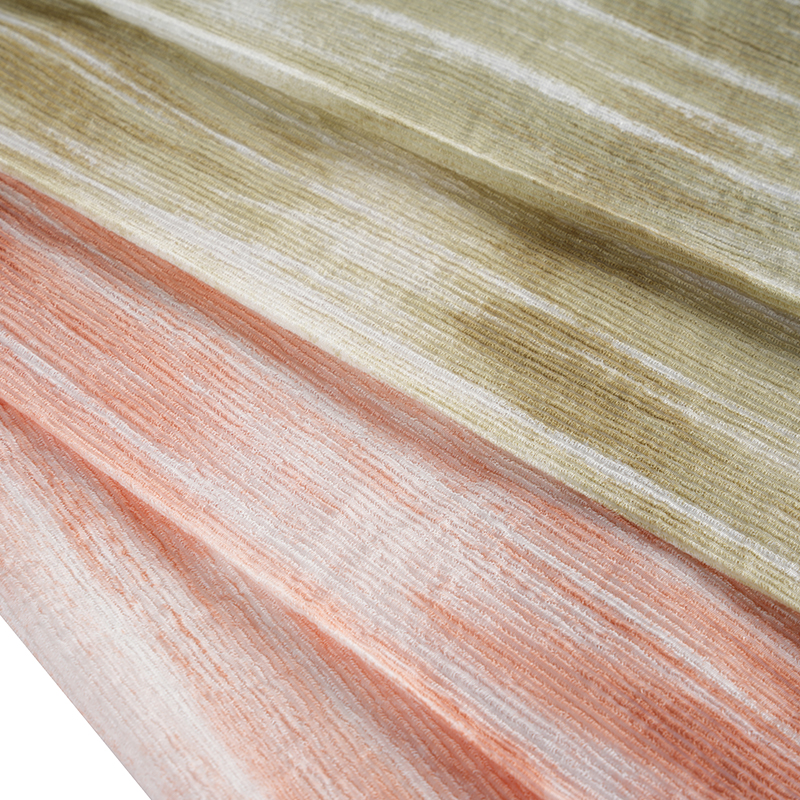
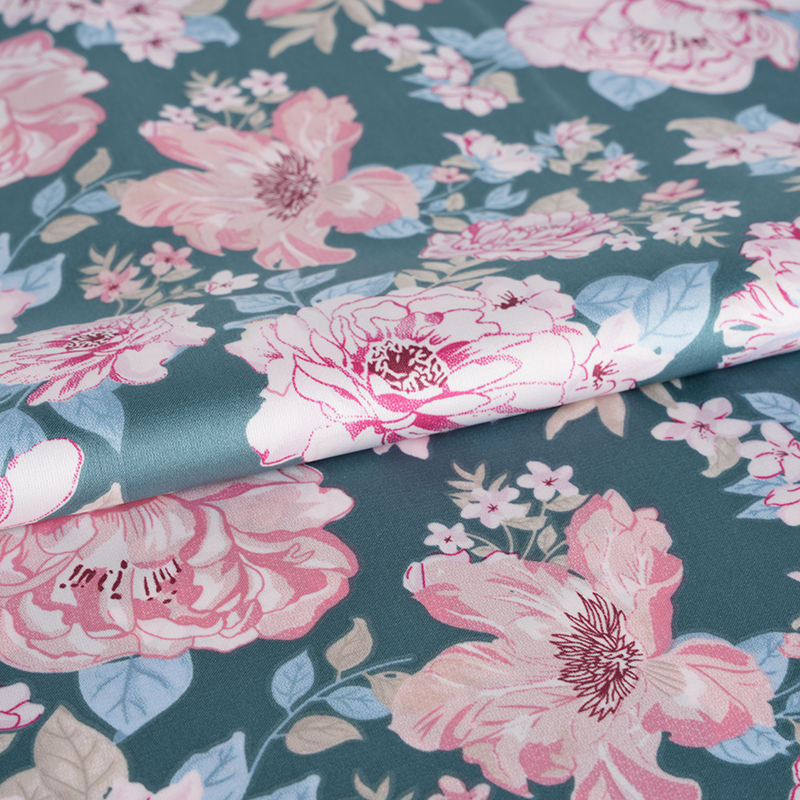
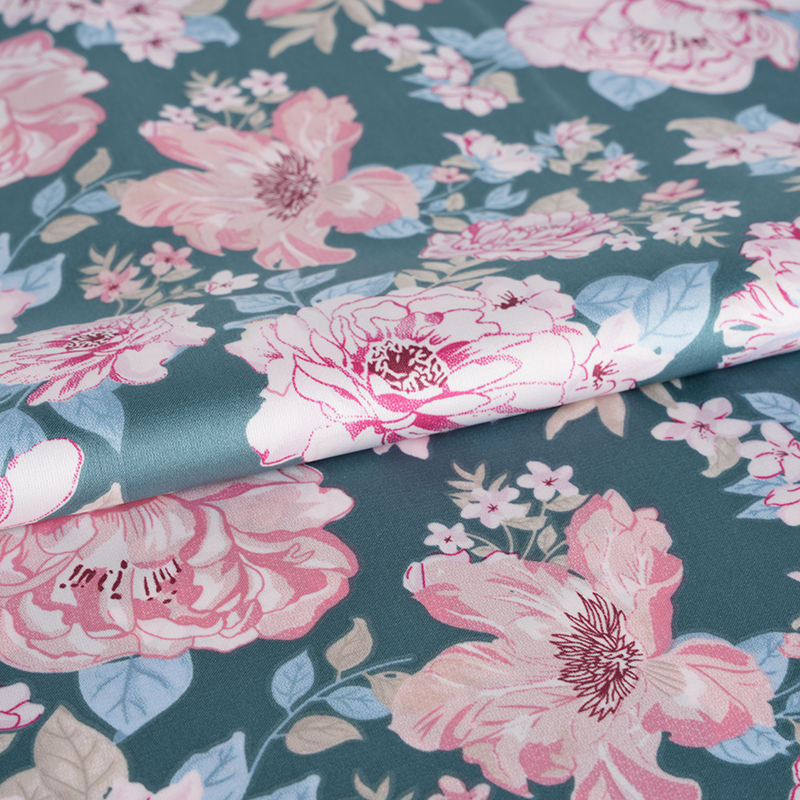
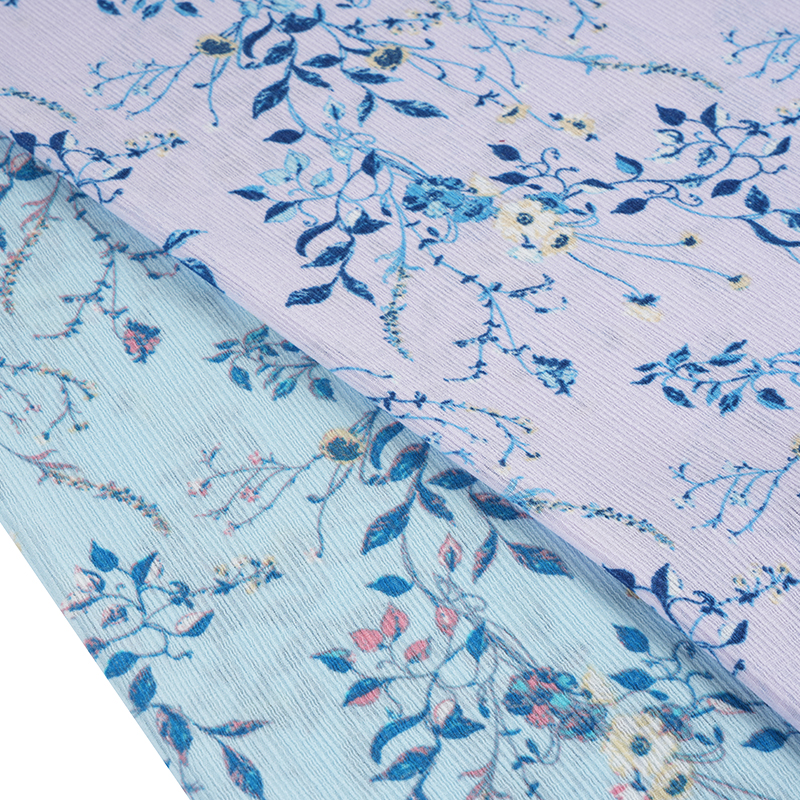
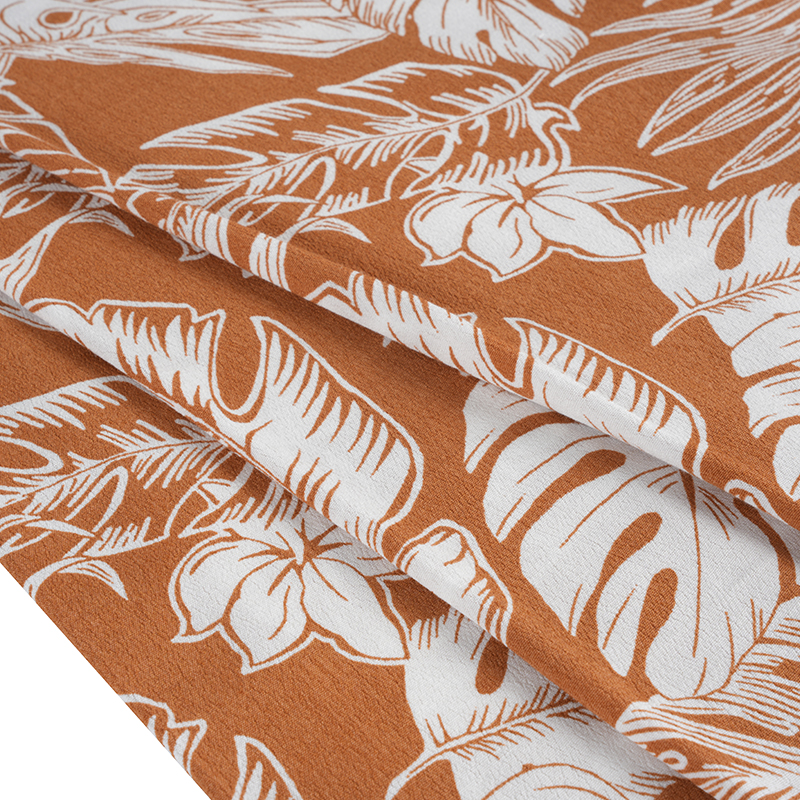
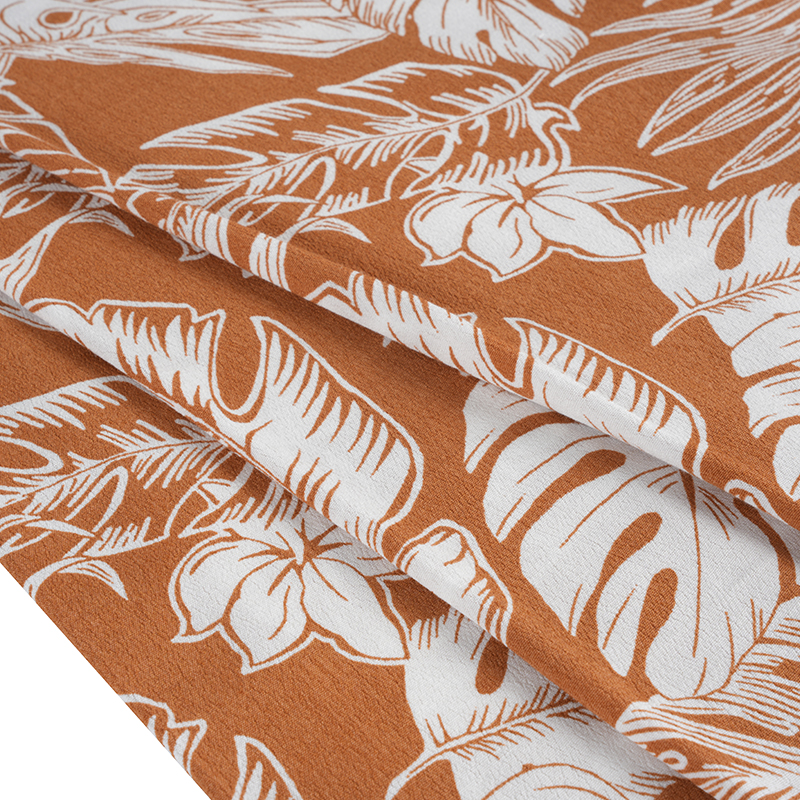
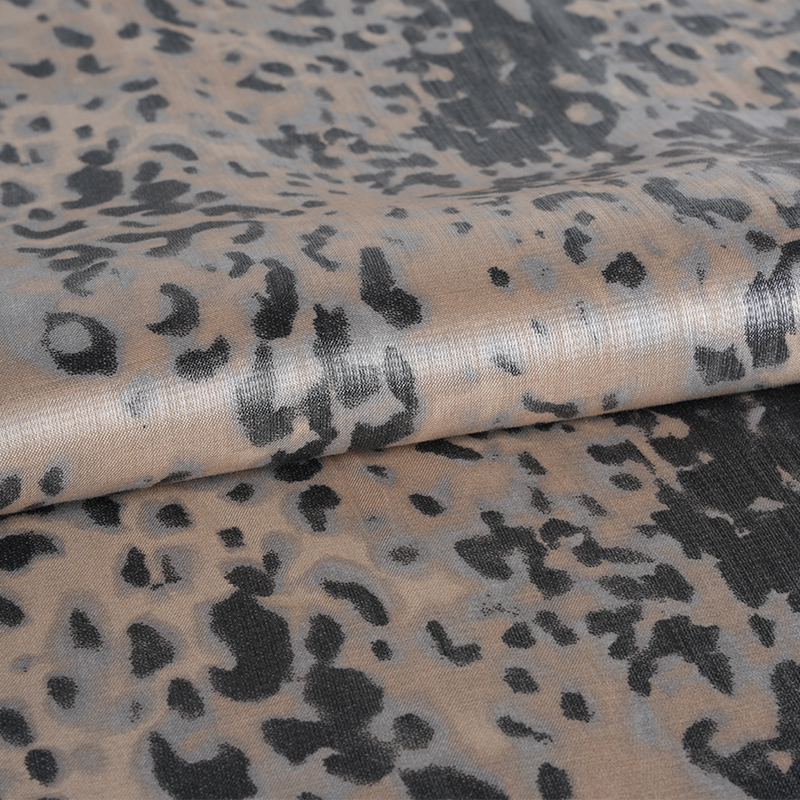
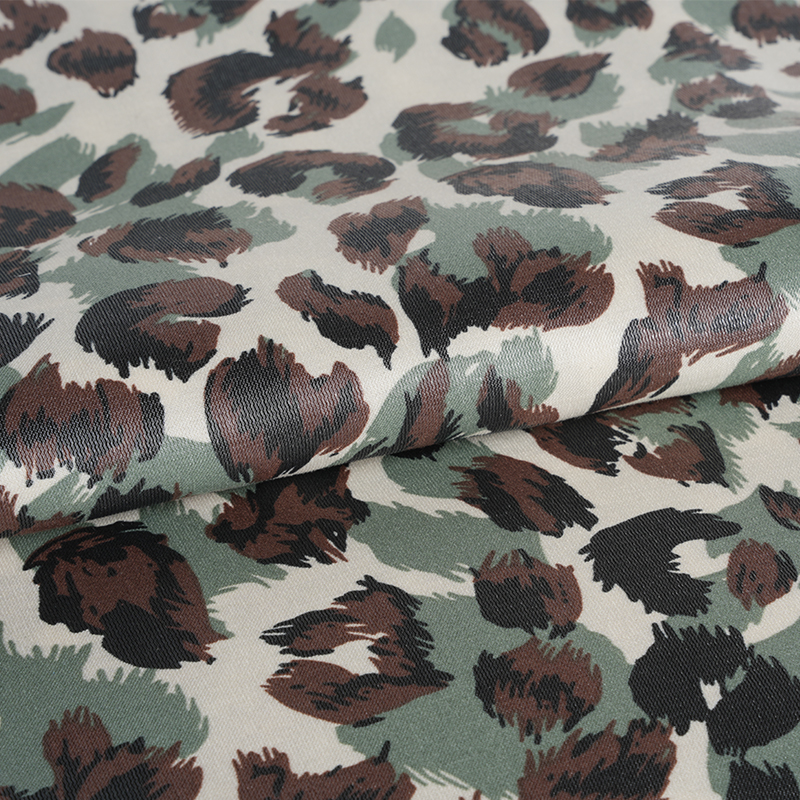
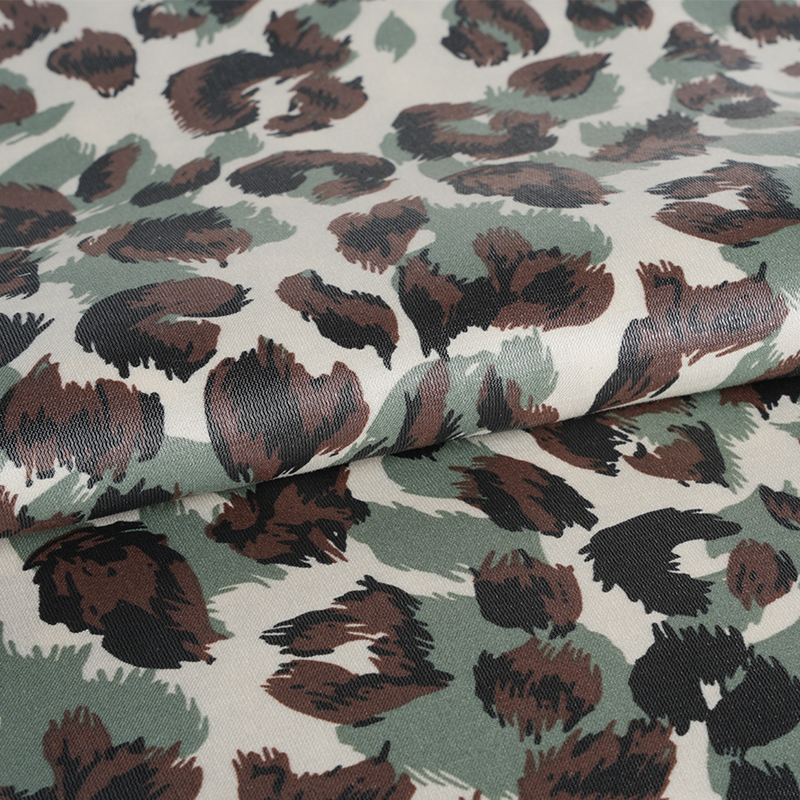
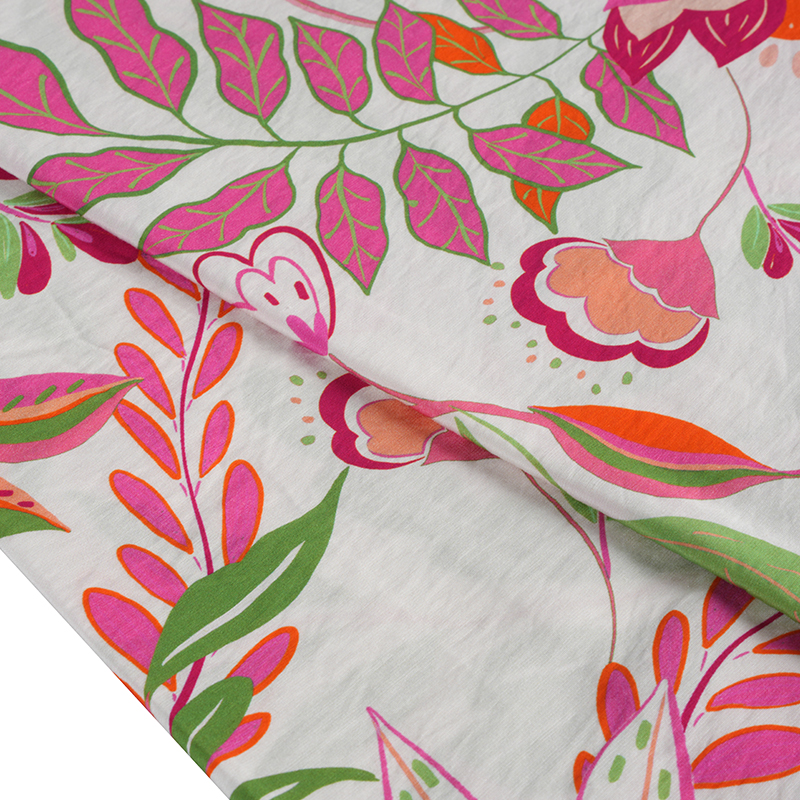
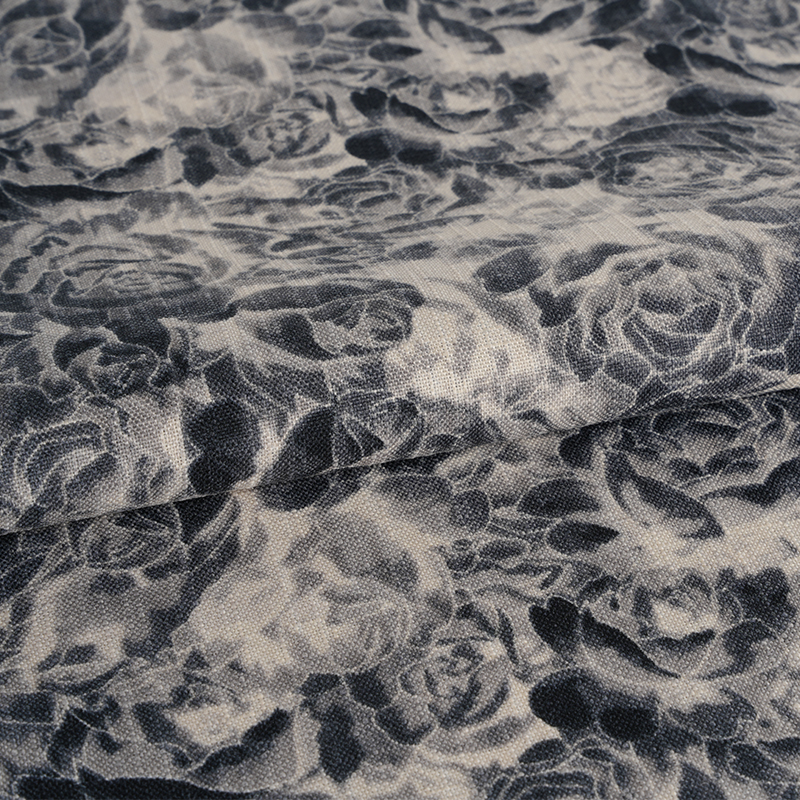
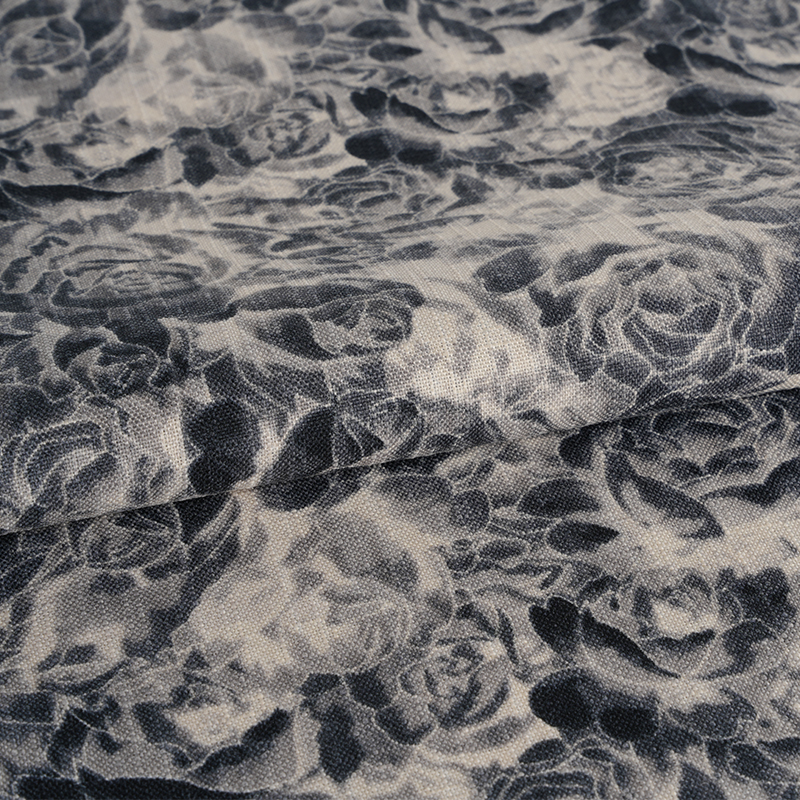
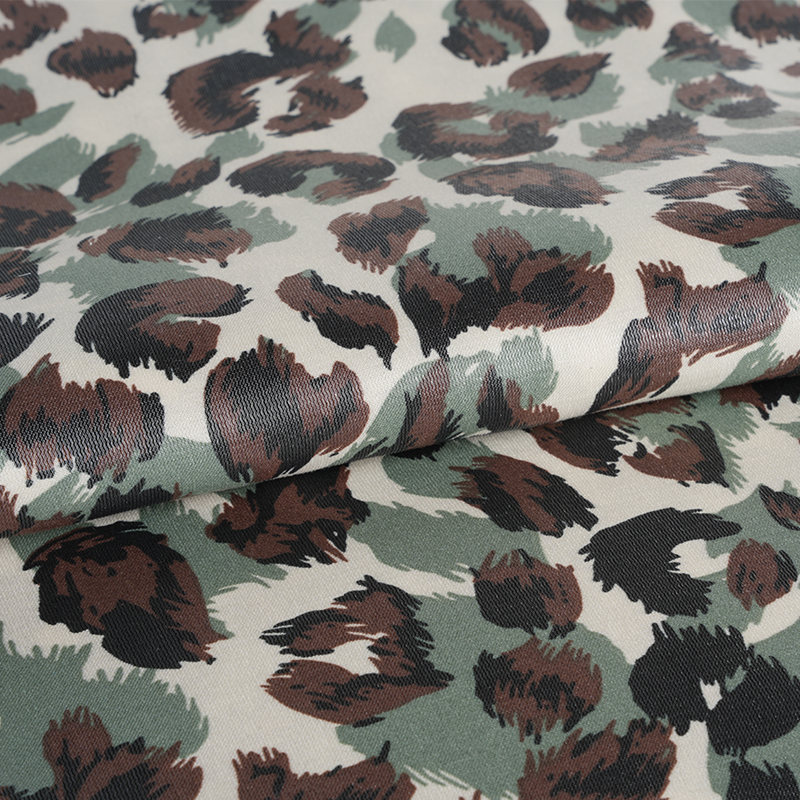
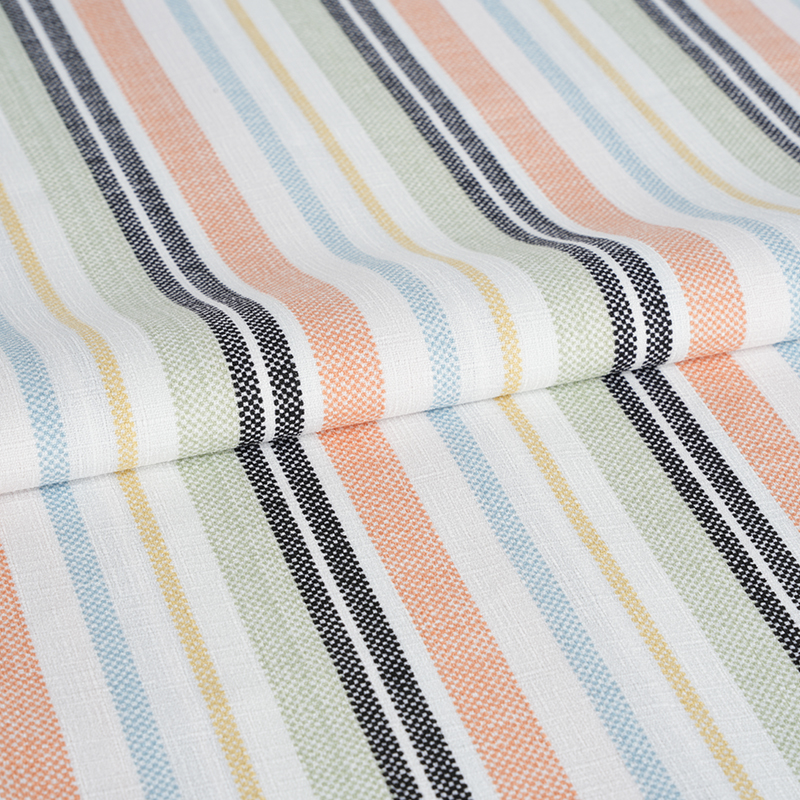
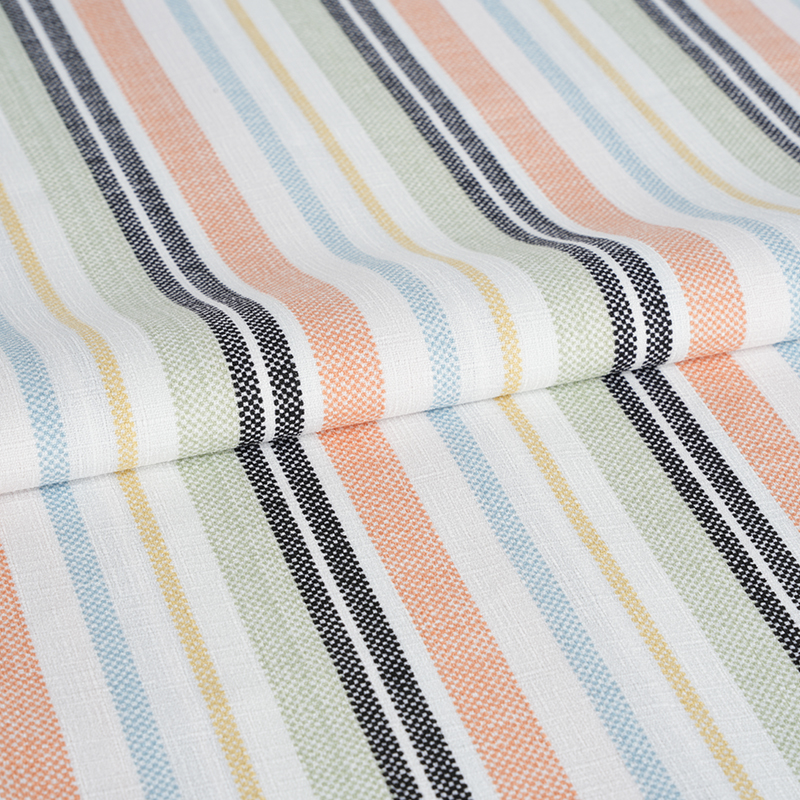
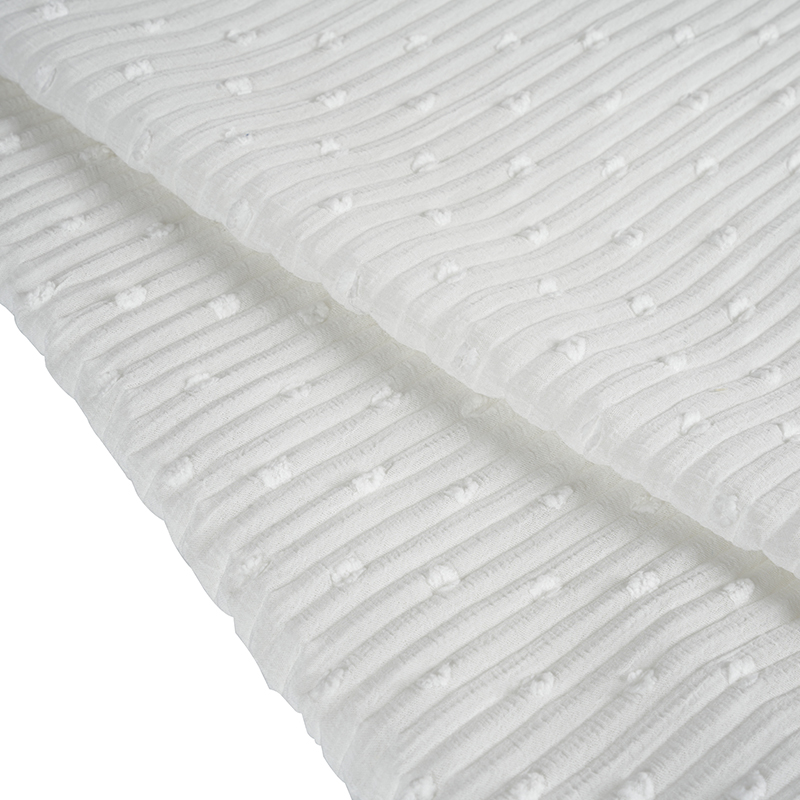
Printed fabrics are a type of fabric that has been processed by printing technology and has rich patterns and patterns on the surface. Printing technology gives fabrics a variety of visual effects and can show different styles according to the designer's creativity.
Rich patterns and colors: One of the characteristics of printed fabrics is the variety of patterns and colors. Through different printing processes, the surface of the fabric can present a variety of patterns from traditional flowers and geometric figures to modern abstract art and landscape paintings. This diversity of patterns makes printed fabrics very attractive in fashion design. The colors of printed fabrics are usually bright and full, which can highlight the layering and visual impact of the pattern.
Diverse printing processes: The production of printed fabrics can be achieved through a variety of printing processes, and different printing processes can bring different effects and fabric characteristics. For example, reactive printing can make the pattern more vivid and durable; digital printing is suitable for making complex and delicate patterns, and has strong personalized customization capabilities. These diverse printing technologies enable printed fabrics to meet a variety of different design needs.

Print Fabric
About Us Shaoxing Yongjun Textile Co.,Ltd.
Yongjun Textile, founded in 2003 and located in China Light Textile City—one of Asia's major light textile markets—is adjacent to Hangzhou Xiaoshan International Airport, with convenient transportation and well-developed communications. As a professional China Print Fabric Manufacturers and Print Fabric Suppliers, the company holds independent import and export rights and specializes in producing and selling a wide range of woven and knitted linings, including jacquard, plain, twill, satin, and other dyed linings, as well as linings processed through various techniques like yarn-dyeing, embossing, glazing, printing, coating, hot stamping, burnt-out, and composite. The main materials used in the products are polyester, polyester-cotton, cotton, rayon, nylon, acetate, etc. Since its establishment, the company has consistently adhered to the business philosophy of "striving for high standards (continuously improving and refining), accuracy (clear and precise), speed (quickly meeting the needs of customers), and innovation (constant innovation)", and is committed to providing customers with high-quality products and services.
The company has a high-quality and innovative team. The team members come from different professional backgrounds and have rich industry experience and skilled technical capabilities. They cooperate and make progress together, injecting a steady stream of power into the company's development.
Regarding technology research and development, Yongjun Textile has invested a lot of resources and is constantly pursuing innovation and breakthroughs. The company has advanced R&D facilities and reliable R&D processes, which can quickly respond to market demand and launch competitive products. At present, the company has obtained several patents and technical certifications, and its technical level is at the forefront of the industry.
The company operates professionally in the production and development of linings and women's fabrics, establishing different quality standards to meet customer needs. The "Yongjun" brand was registered in 2006, and the "Jingjun" and "Yuedu" brands were registered in 2018. The company keeps up with customer needs and market trends for research and development, focusing on order-based production. By integrating trade and production through yarn and grey cloth operations, the company ensures that its supply capacity is not constrained.
In terms of quality management, Yongjun Textile has always adhered to strict standards and established a comprehensive quality management system. From raw material procurement to production and processing, to product testing and after-sales service, every link is strictly controlled to ensure the stability and reliability of product quality.
In addition to achieving remarkable results in the domestic market, the products have spread to over 60 countries and regions worldwide, including the United States, the European Union, the United Kingdom, Eastern Europe (Russia, Belarus, Poland, Ukraine, Kazakhstan, Kyrgyzstan, Tajikistan, etc.), Canada, South America (Brazil, Argentina, Chile, Bolivia, Colombia, Panama, Mexico, etc.), South Africa, North Africa (Egypt, Tunisia, Morocco, etc.), the Middle East (Saudi Arabia, UAE, Iran, Lebanon, Israel, etc.), Southeast Asia (Thailand, Malaysia, Indonesia, Singapore, Vietnam, etc.), and Asia (India, Nepal, Japan, South Korea, etc.). A strong brand image has been established in international markets.
As a socially responsible enterprise, we base our judgment on altruism, always striving for the material and spiritual well-being of all employees and contributing to the development of society.
In the brand development plan for the next 3-5 years, "Yongjun Lining" will improve the quality of high-end products, meet the functional needs of consumers, enhance brand awareness, and develop more international customers. "Jingjun Lady Fabrics" will quickly and accurately develop new products to meet the requirements of domestic and foreign brands, speed up delivery in the e-commerce market, improve product quality and brand recognition, and develop international customers. "Yuedu" scarves will strengthen design and development over the next three years to support clothing coordination. Additionally, the company will increase the learning efforts of the R&D and sales teams in textile professionalism, improve the level of digital management, and apply technological management tools. In 2024, the company plans to establish a production base in another province, with the first phase of weaving, printing, and dyeing production, and support new product development through comprehensive testing. The company is committed to solving clothing problems for consumers, producing high-quality and reasonably priced products, promoting the market towards health, and enhancing the independent innovation capabilities of Chinese companies.
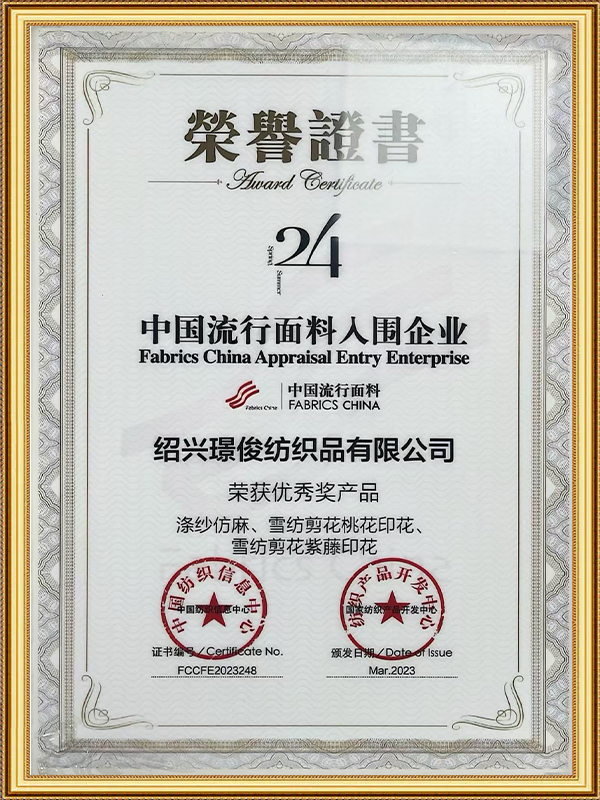
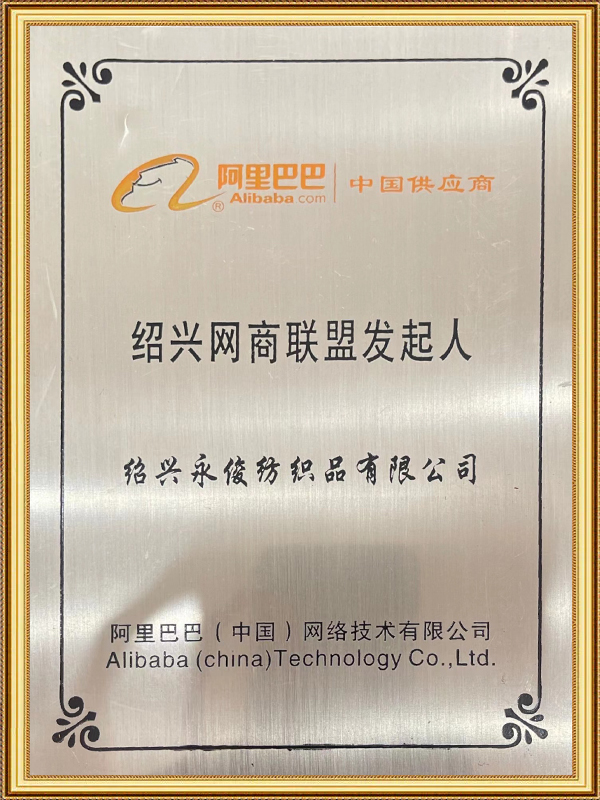
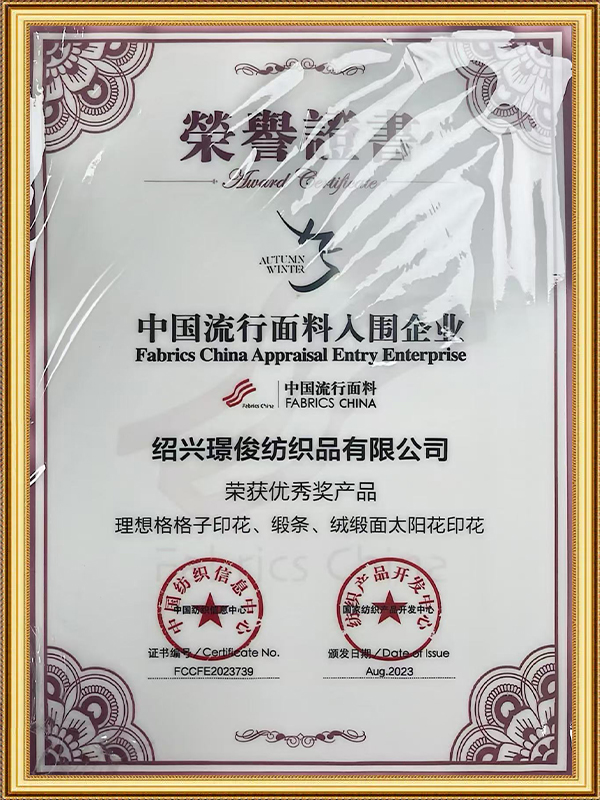
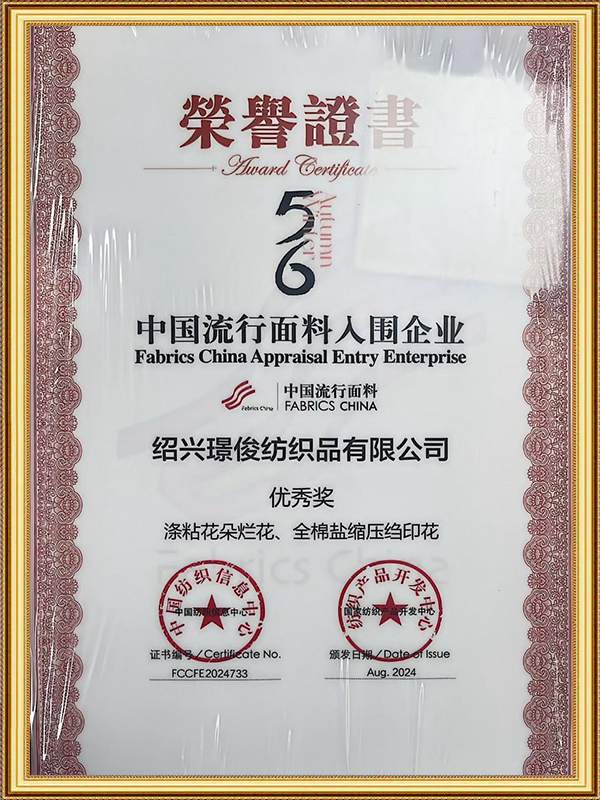
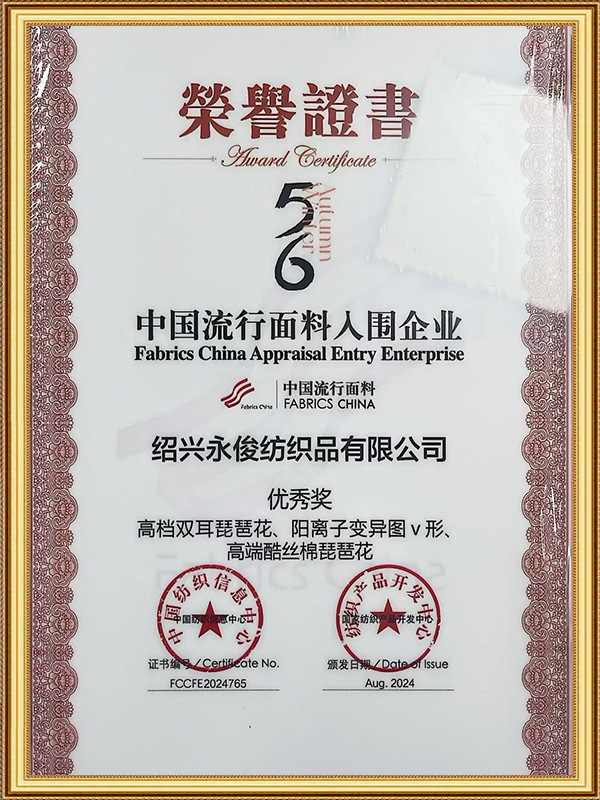
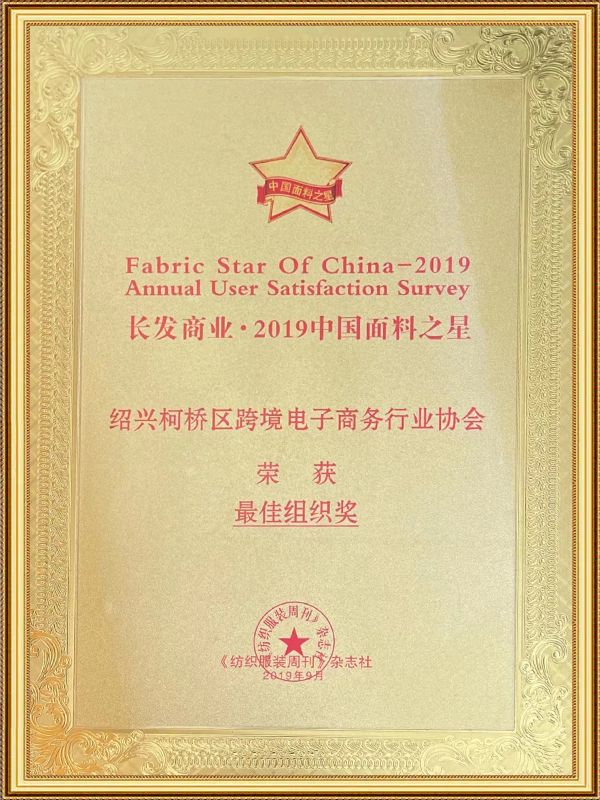
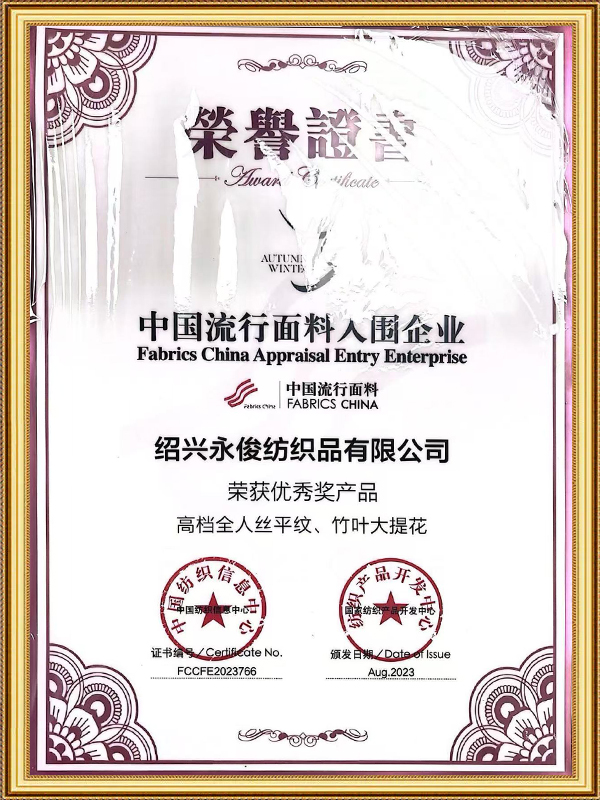
  • honorCertificates
  • honorCertificates
  • honorCertificates
  • honorCertificates
  • honorCertificates
  • honorCertificates
  • honorCertificates
  • honorCertificates
Follow Us Latest News
  • Does crepe chiffon fabric feel smooth to the touch and is prone to static electricity?

    Texture and Feel of Crepe Chiffon Fabric Crepe chiffon fabric is known for its delicate texture and light weight. When touched, it provides a slightly grainy yet soft sensation, characteristic of its crinkled surface. The fabric is generally smooth enough to glide over the skin gently, creating a su...

    READ MORE
  • How breathable and absorbent is cotton stretch fabric?

    Introduction to Cotton Stretch Fabric Cotton stretch fabric is a textile material that combines natural cotton fibers with elastane or spandex to provide elasticity. This combination allows the fabric to stretch and recover while retaining the inherent properties of cotton, such as softness and mois...

    READ MORE
  • What weaving methods or structural designs are used in synthetic fiber linings?

    Weaving Methods Used in Synthetic Fiber Linings Synthetic fiber linings are widely used in apparel, industrial products, luggage, footwear and various technical textiles, and their weaving methods play a central role in determining structural stability, comfort, durability and functionality. The cho...

    READ MORE
Industry Knowledge Expansion
Applications of Print Fabric

Printed fabrics are widely used in various industries, particularly in fashion, home furnishing, and functional areas.

Fashion Design: Printed fabrics play a vital role in the fashion industry, especially in the spring and summer seasons. Printed fabrics with rich patterns and vibrant colors are often used on skirts, T-shirts, shirts, and other styles. Designers use printed fabrics to convey their brand's unique style and creativity, meeting market demand for personalization, customization, and trendy elements.

High-end Fashion and Luxury Brands: Many high-end brands use exquisite printed fabrics in their seasonal collections, especially prints on natural materials such as silk, wool, cotton, and linen. These prints are highly sought after for their premium feel and uniqueness.

Fashion Accessories: Printed fabrics are not limited to clothing; they are also widely used in fashion accessories such as handbags, scarves, and shoes, enhancing the visual appeal of these products.

Curtains and Fabrics: Printed fabrics are commonly used in home decor products such as curtains, bed sheets, and sofa covers. The use of printed patterns and color schemes can create a unique visual effect in a home, satisfying consumers' demand for comfort and aesthetics. Furniture Fabrics: Printed fabrics can also be used to decorate furniture such as chairs and sofas, adding aesthetics and personalization. Print styles can range from modern abstracts to classic retro and natural landscapes, catering to diverse home styles.
Home Furnishings: Some home furnishings, such as tablecloths, cushions, and rugs, also utilize printed fabrics, further broadening their application areas.

Sportswear: Printed fabrics are common in the designs of athletic brands, particularly in yoga pants and athletic T-shirts. Innovative printed fabric designs enhance the fashion sense and personalization of athletic apparel.
Workwear and Uniforms: Certain industries are also beginning to incorporate printed fabrics in their workwear and uniforms, particularly in the catering and hospitality sectors. Printed patterns can enhance brand image and employee recognition.
Medical and Protective Clothing: Some medical and protective clothing also utilize printing technology to enhance visual appeal and psychological comfort. This is particularly true for children's medical apparel, where printing can increase accessibility and acceptance.

Automotive Interiors: Printed fabrics are also used in car seats and interiors, particularly in high-end vehicles and customized interior designs. The diversity and uniqueness of printed fabrics enhance the comfort and visual impact of the interior.
Textile Art and Cultural Creation: Artists and craftspeople often use printed fabrics for their creations, combining printed patterns with embroidery, patchwork, and other techniques to create works of art with cultural value.

Environmental Protection and Sustainability of Print Fabric

With growing environmental awareness, the production of printed fabrics faces both sustainability challenges and opportunities.

Water-Based Ink: Traditional printing processes often rely on harmful solvent-based inks, which release volatile organic compounds (VOCs) and pose a threat to the environment and health. Water-based inks, as an environmentally friendly alternative, use water as a solvent, reducing reliance on harmful chemicals and reducing air and water pollution.
Natural and Plant-Based Dyes: In recent years, more eco-friendly brands have begun exploring natural dyes, such as plant-based dyes and fruit and vegetable extracts. These dyes are more environmentally friendly than synthetic dyes, are non-irritating to the skin, and are more biodegradable. Low-Temperature Dyeing Technology: Low-temperature dyeing technology allows printed fabrics to reduce energy consumption while maintaining excellent dyeing results, thus lowering carbon emissions during the production process.

Water Recycling Systems: The printing process, especially the dyeing stage, consumes significant amounts of water. Many manufacturers are adopting closed-loop water recycling systems that filter, recycle, and reuse water, reducing wastewater discharge.

Water-Reduced Dyeing: Modern printing technologies, such as digital printing, can significantly reduce water usage compared to traditional screen printing. Digital printing uses inkjet technology to directly print patterns on fabrics, requiring virtually no water and offering significant environmental advantages.

Recyclability of Fabrics: Some printed fabric manufacturers are exploring ways to make their fabrics recyclable or reusable after use. By using recycled fibers (such as recycled polyester) and biodegradable dyes, fabrics not only save resources during production but can also be recycled and reused at the end of their lifecycle, reducing landfill waste.

Zero-Waste Design: Some innovative brands are promoting the "zero waste" concept, striving to reduce resource waste during production, use, and disposal. For example, efforts are being made to minimize waste by using whole fabrics, avoiding cutting or discarding raw materials.

Green Certification Standards: Eco-friendly printed fabrics are increasingly receiving more environmental certifications, such as OEKO-TEX Standard 100 and GOTS (Global Organic Textile Standard), ensuring that every step of the fabric process, from production to consumption, meets environmental requirements.

Production Process Transparency: Some brands are enhancing transparency in their production processes to demonstrate to consumers how their processes reduce environmental impact and are committed to using eco-friendly materials and sustainable processes.

Market Trends and Innovations in Print Fabric

Demand for printed fabrics continues to grow in the global textile market, particularly in the fashion and home furnishing sectors. For companies like Shaoxing Yongjun Textile Co., Ltd., understanding market trends and technological innovation is not only crucial to meeting customer needs but also a driving force for sustainable brand development.

Application of Digital Printing: Shaoxing Yongjun Textile Co., Ltd. is responding to the rise of digital printing by continuously investing in research and development. Digital technology enables the company to achieve more sophisticated and efficient printing processes, enabling it to quickly respond to market changes. Digital printing reduces resource waste, improves production efficiency, and allows for the rapid launch of new designs, meeting the fast-paced demands of the fast fashion market.
Mass Customization and Short-Run Production: Thanks to Shaoxing Yongjun Textile Co., Ltd.'s flexibility in R&D and production, customization and small-batch production are becoming increasingly popular. Digital printing technology enables companies to implement mass customization, meeting the personalized needs of diverse customer groups. This technology holds great potential, particularly in the high-end and niche markets.

Green Production Technology: With growing global awareness of environmental protection, environmentally friendly printing technologies are becoming mainstream. Shaoxing Yongjun Textile Co., Ltd. continues to innovate in this area, using low-emission water-based inks and natural dyes to reduce pollution during production. The company is also continuously optimizing its production processes, such as through closed-loop water recycling systems, to reduce water consumption, in line with sustainable development requirements.
Recycling and Reuse: Shaoxing Yongjun Textile Co., Ltd. has begun focusing on fabric recyclability and integrating this concept into its production processes. The use of recyclable raw materials (such as recycled polyester) and biodegradable printing dyes promotes the continuation of the fabric's life cycle. In the future, Shaoxing Yongjun Textile Co., Ltd. may increase its investment in eco-friendly fabrics and printing technologies to further promote environmental protection in the industry.

A flexible supply chain responsive to market changes: With the rise of global fast fashion, fashion update cycles have been significantly shortened, and consumers are increasingly responsive to changing trends. Shaoxing Yongjun Textile Co., Ltd., with its custom-made production and flexible supply chain management, can design and produce printed fabrics that meet market demand in the shortest possible time. This flexibility helps the company gain a competitive advantage in both domestic and international markets.

Globalization and Diversified Market Demand: Shaoxing Yongjun Textile Co., Ltd.'s products are exported to over 60 countries and regions. Faced with the needs of diverse markets and cultures, the company needs to quickly adapt its printing designs to the changing tastes and aesthetics of local consumers. This requires the company to continuously innovate its designs and introduce a variety of printing styles to meet the diverse demands of the global market.

Luxury and High-End Fashion Market: With increasing consumer demand for high-end products, particularly in the luxury and high-end custom apparel sectors, exquisite printed fabrics are becoming an increasingly important trend. Shaoxing Yongjun Textile Co., Ltd., with its diverse fabric selection and advanced printing processes, is able to provide high-end brands with customized, high-quality fabrics. For example, the company may leverage innovative printing technologies to meet the high-end market's demand for specialized patterns and complex designs, further enhancing the brand's international competitiveness.

Integrating Smart Textiles with Printed Fabrics: With technological advancements, demand for smart textiles is increasing. Shaoxing Yongjun Textile Co., Ltd. could explore integrating printed fabrics with smart technologies. For example, by embedding sensors in printed fabrics to create smart fabrics with features like temperature control and UV protection. Such innovations not only meet functional and comfortable demands but also enhance consumer brand recognition.

Integrating Fashion and Technology: The company can collaborate with designers and technology companies to promote the integration of fashion fabrics and technology, exploring new environmentally friendly dyes, printing methods, and integrated innovative technologies to create futuristic and multifunctional printed fabrics.

Growth in e-commerce channels: With the rise of e-commerce platforms, particularly cross-border e-commerce, more and more consumers are purchasing apparel and home furnishings online. Yongjun Textile can quickly respond to international market demand, particularly in the fast fashion sector, by increasing its product exposure online. Through precise market research and personalized customization services, the company is able to quickly launch new printed fabrics based on consumer demand, meeting the diverse needs of the global market.