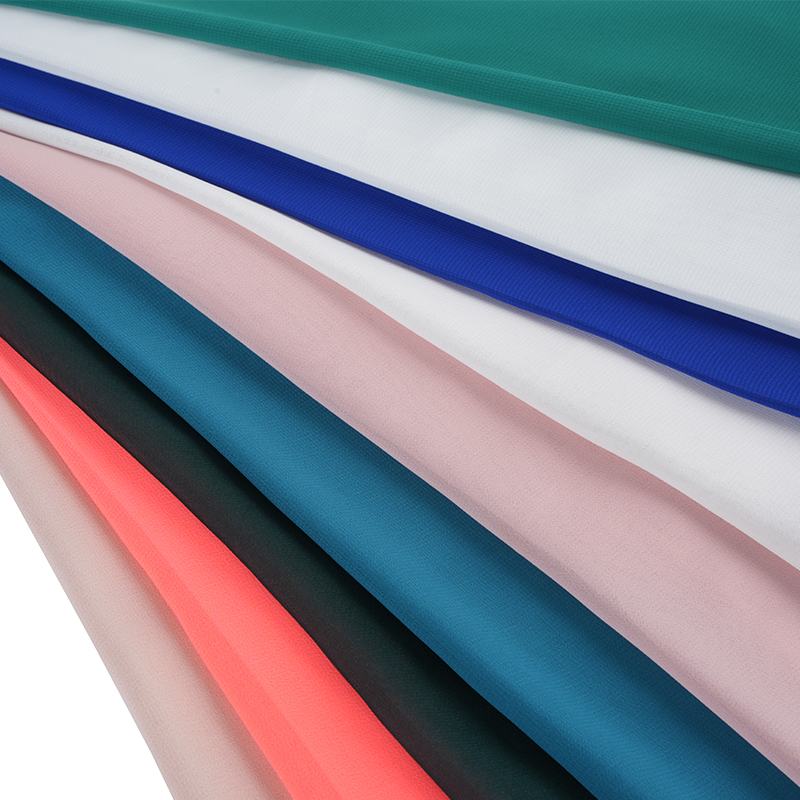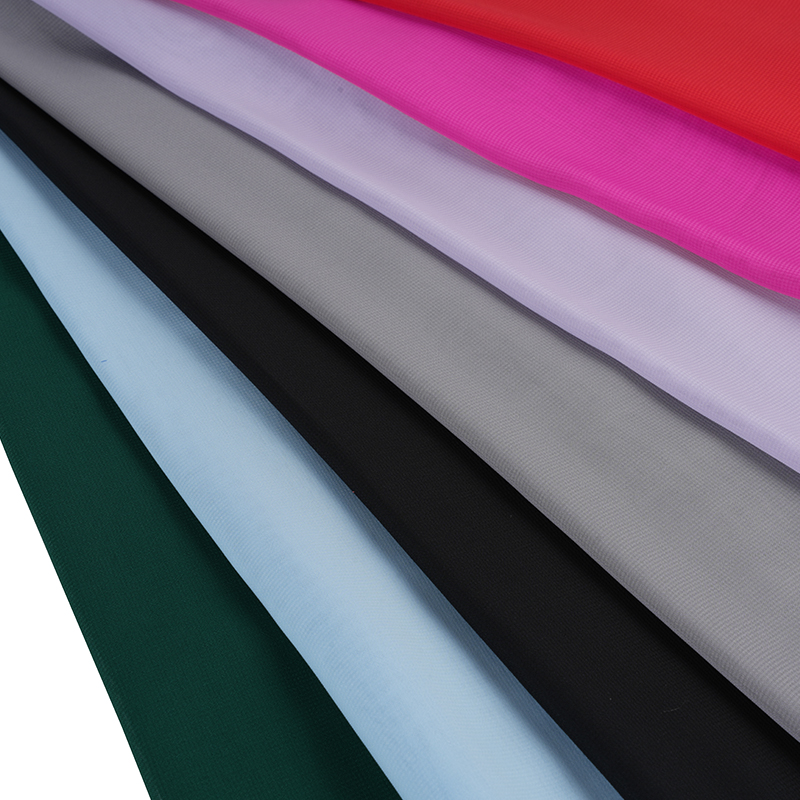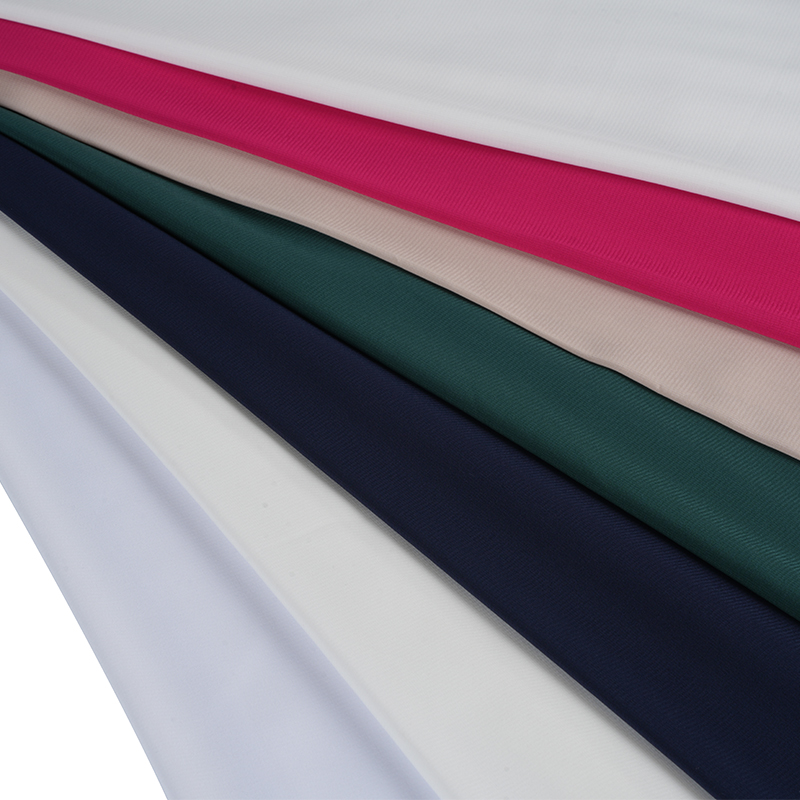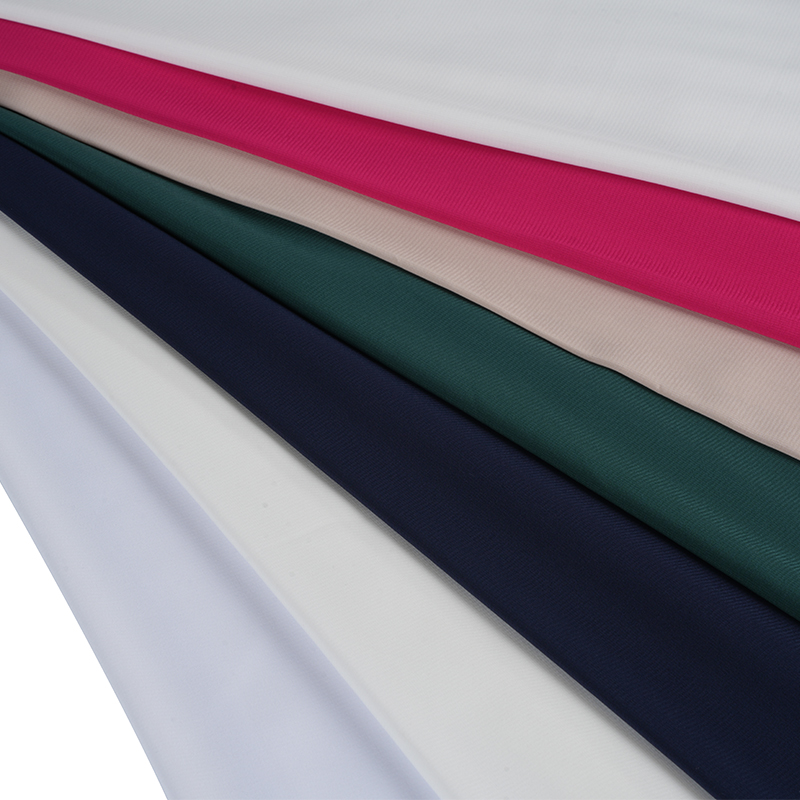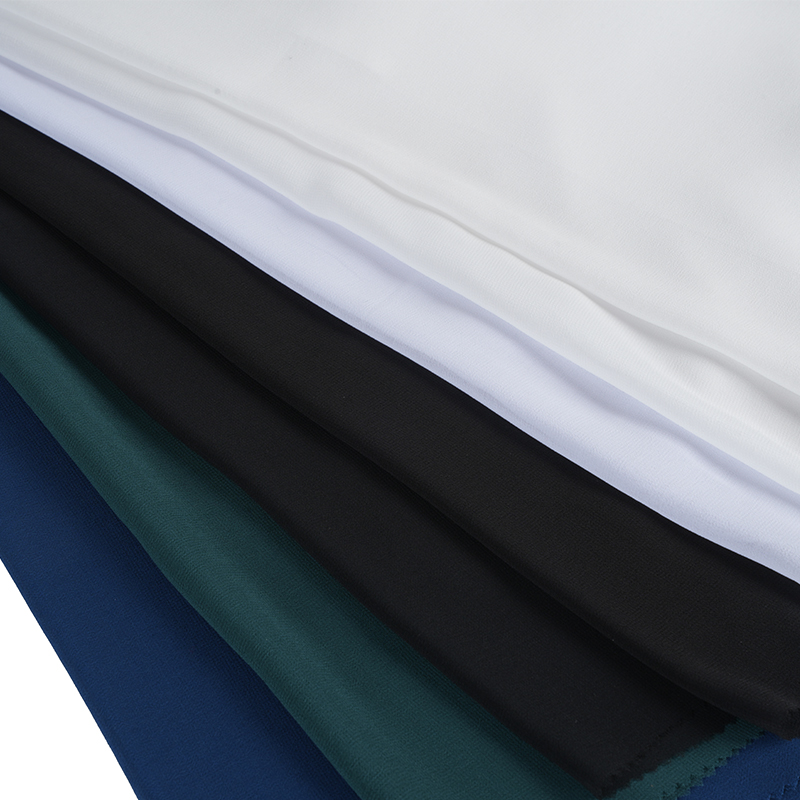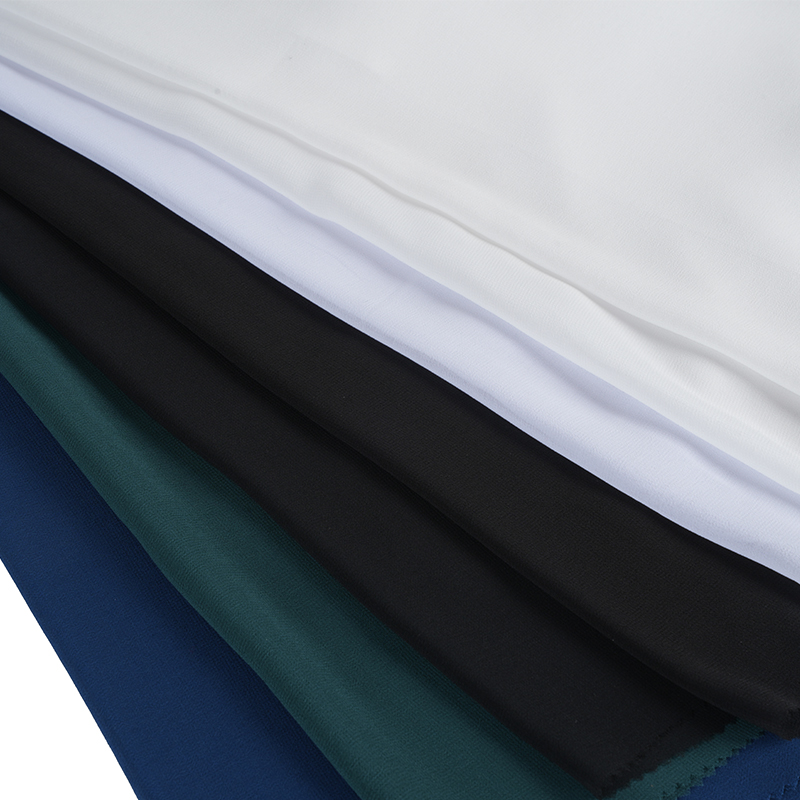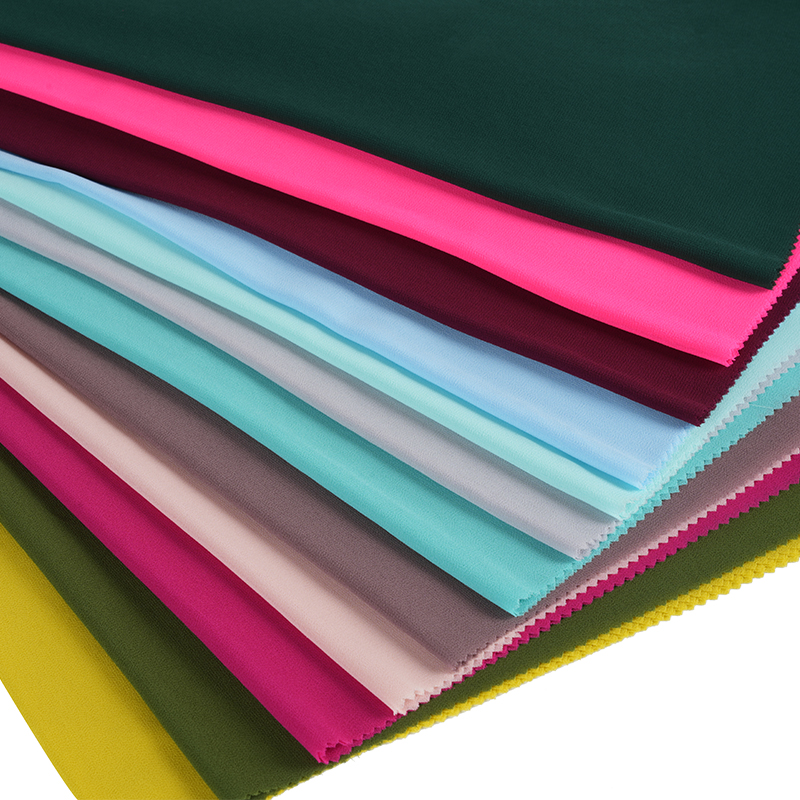
Plain Chiffon Fabric OEM/ODM
Home / Product / Lady Fabric / Chiffon Fabric / Plain Chiffon Fabric

Plain Chiffon Fabric Manufacturers

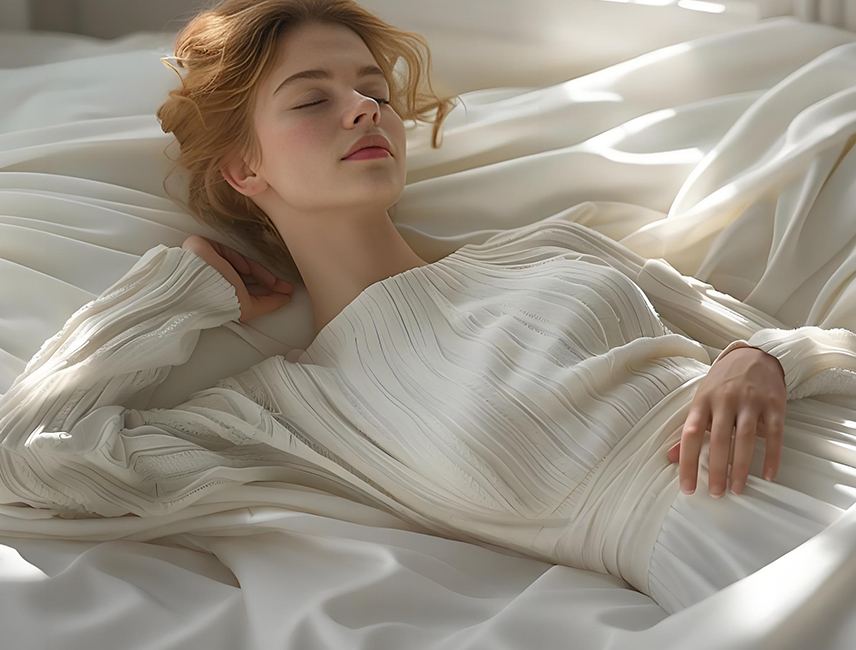
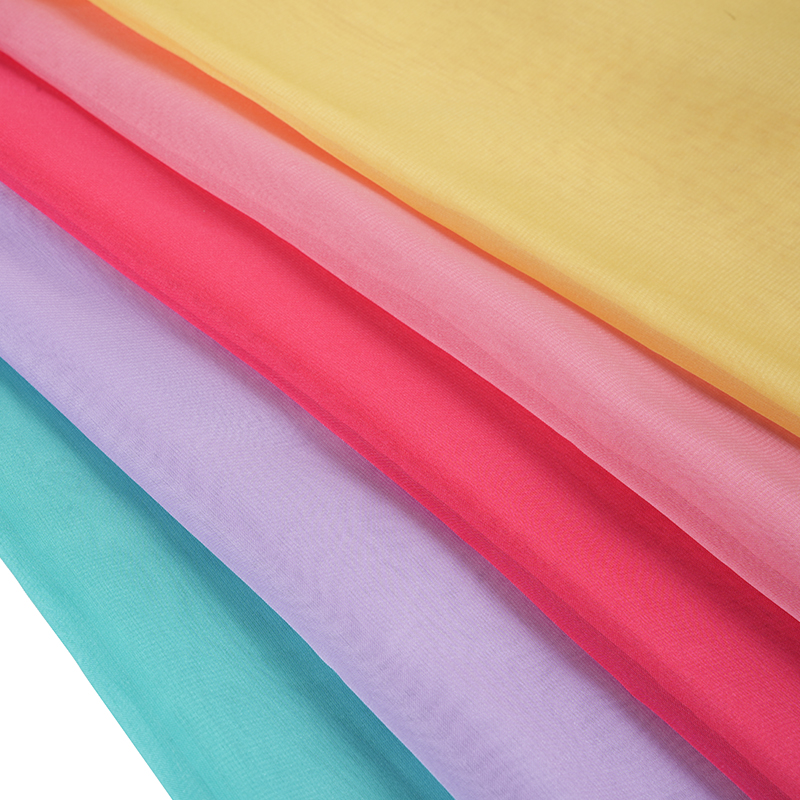
Plain chiffon fabric is a light, soft fabric that is widely popular for its elegant and flowing texture and comfortable wearing experience. It is usually made of polyester or other synthetic fibers, and is specially processed to make it smooth to the touch and breathable.
Light, breathable, and comfortable to wear: Plain chiffon fabric is light in texture, thin and breathable, suitable for making summer clothing, providing a cool and comfortable experience for the wearer. Its good air circulation can effectively wick away sweat, and is suitable for various clothing designs in hot seasons.
Soft and smooth, delicate touch: The fabric feels soft and smooth, is not easy to irritate the skin, and is more skin-friendly and comfortable to wear. Compared with traditional chiffon fabrics, plain chiffon has a more delicate texture, reduces stiffness, and makes clothing fit the skin better.

Plain Chiffon Fabric
About Us Shaoxing Yongjun Textile Co.,Ltd.
Yongjun Textile, founded in 2003 and located in China Light Textile City—one of Asia's major light textile markets—is adjacent to Hangzhou Xiaoshan International Airport, with convenient transportation and well-developed communications. As a professional China Plain Chiffon Fabric Manufacturers and Plain Chiffon Fabric Suppliers, the company holds independent import and export rights and specializes in producing and selling a wide range of woven and knitted linings, including jacquard, plain, twill, satin, and other dyed linings, as well as linings processed through various techniques like yarn-dyeing, embossing, glazing, printing, coating, hot stamping, burnt-out, and composite. The main materials used in the products are polyester, polyester-cotton, cotton, rayon, nylon, acetate, etc. Since its establishment, the company has consistently adhered to the business philosophy of "striving for high standards (continuously improving and refining), accuracy (clear and precise), speed (quickly meeting the needs of customers), and innovation (constant innovation)", and is committed to providing customers with high-quality products and services.
The company has a high-quality and innovative team. The team members come from different professional backgrounds and have rich industry experience and skilled technical capabilities. They cooperate and make progress together, injecting a steady stream of power into the company's development.
Regarding technology research and development, Yongjun Textile has invested a lot of resources and is constantly pursuing innovation and breakthroughs. The company has advanced R&D facilities and reliable R&D processes, which can quickly respond to market demand and launch competitive products. At present, the company has obtained several patents and technical certifications, and its technical level is at the forefront of the industry.
The company operates professionally in the production and development of linings and women's fabrics, establishing different quality standards to meet customer needs. The "Yongjun" brand was registered in 2006, and the "Jingjun" and "Yuedu" brands were registered in 2018. The company keeps up with customer needs and market trends for research and development, focusing on order-based production. By integrating trade and production through yarn and grey cloth operations, the company ensures that its supply capacity is not constrained.
In terms of quality management, Yongjun Textile has always adhered to strict standards and established a comprehensive quality management system. From raw material procurement to production and processing, to product testing and after-sales service, every link is strictly controlled to ensure the stability and reliability of product quality.
In addition to achieving remarkable results in the domestic market, the products have spread to over 60 countries and regions worldwide, including the United States, the European Union, the United Kingdom, Eastern Europe (Russia, Belarus, Poland, Ukraine, Kazakhstan, Kyrgyzstan, Tajikistan, etc.), Canada, South America (Brazil, Argentina, Chile, Bolivia, Colombia, Panama, Mexico, etc.), South Africa, North Africa (Egypt, Tunisia, Morocco, etc.), the Middle East (Saudi Arabia, UAE, Iran, Lebanon, Israel, etc.), Southeast Asia (Thailand, Malaysia, Indonesia, Singapore, Vietnam, etc.), and Asia (India, Nepal, Japan, South Korea, etc.). A strong brand image has been established in international markets.
As a socially responsible enterprise, we base our judgment on altruism, always striving for the material and spiritual well-being of all employees and contributing to the development of society.
In the brand development plan for the next 3-5 years, "Yongjun Lining" will improve the quality of high-end products, meet the functional needs of consumers, enhance brand awareness, and develop more international customers. "Jingjun Lady Fabrics" will quickly and accurately develop new products to meet the requirements of domestic and foreign brands, speed up delivery in the e-commerce market, improve product quality and brand recognition, and develop international customers. "Yuedu" scarves will strengthen design and development over the next three years to support clothing coordination. Additionally, the company will increase the learning efforts of the R&D and sales teams in textile professionalism, improve the level of digital management, and apply technological management tools. In 2024, the company plans to establish a production base in another province, with the first phase of weaving, printing, and dyeing production, and support new product development through comprehensive testing. The company is committed to solving clothing problems for consumers, producing high-quality and reasonably priced products, promoting the market towards health, and enhancing the independent innovation capabilities of Chinese companies.
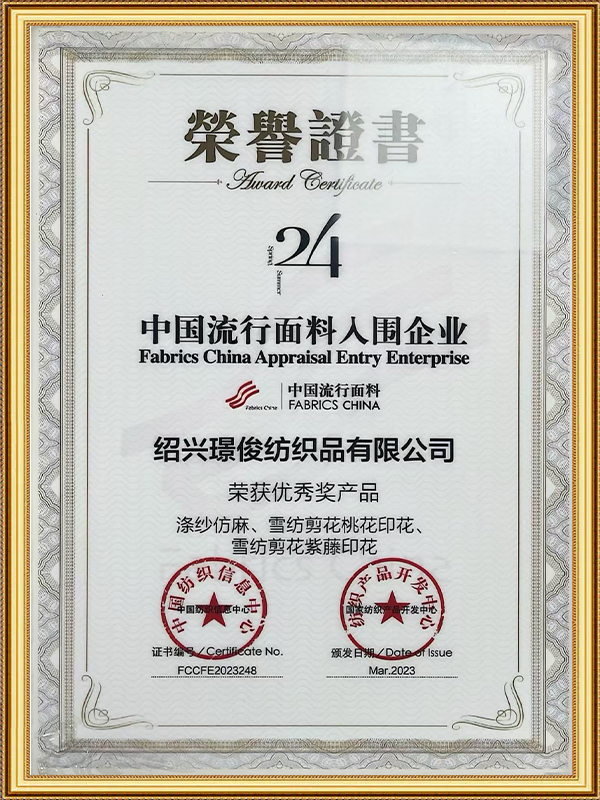
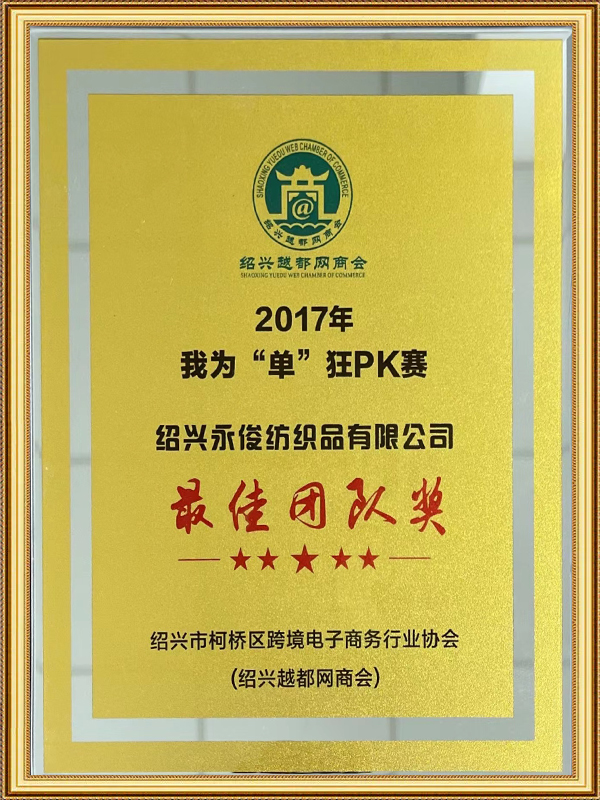
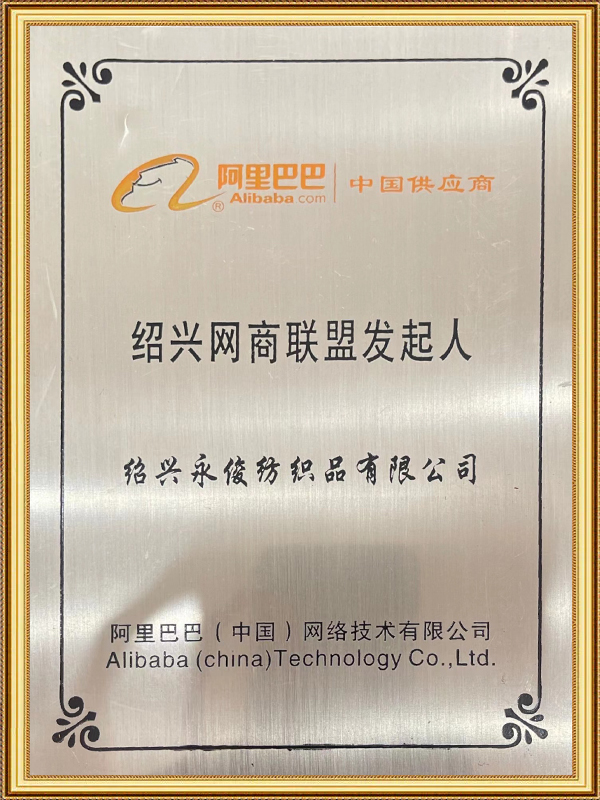
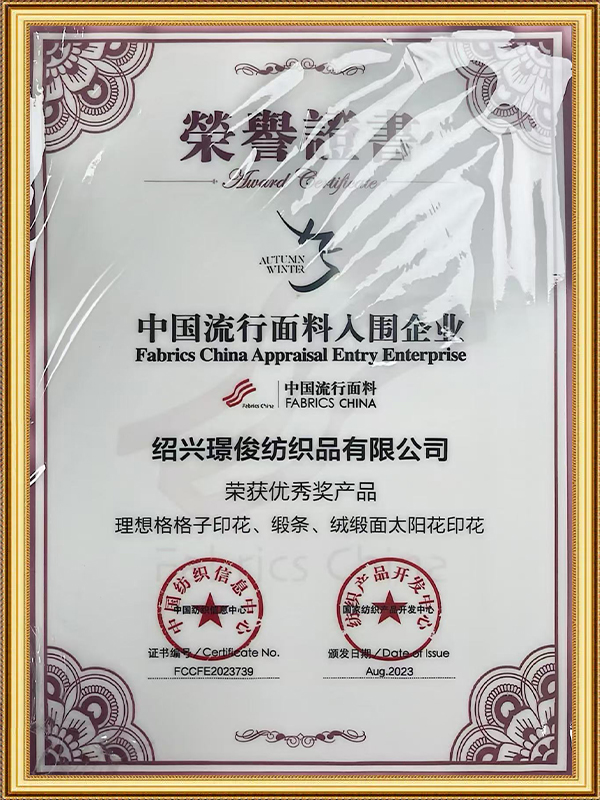
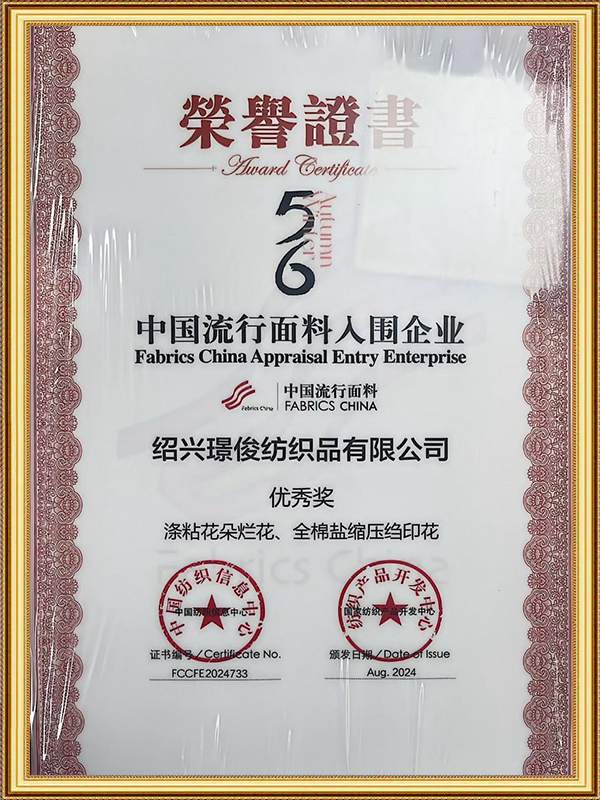
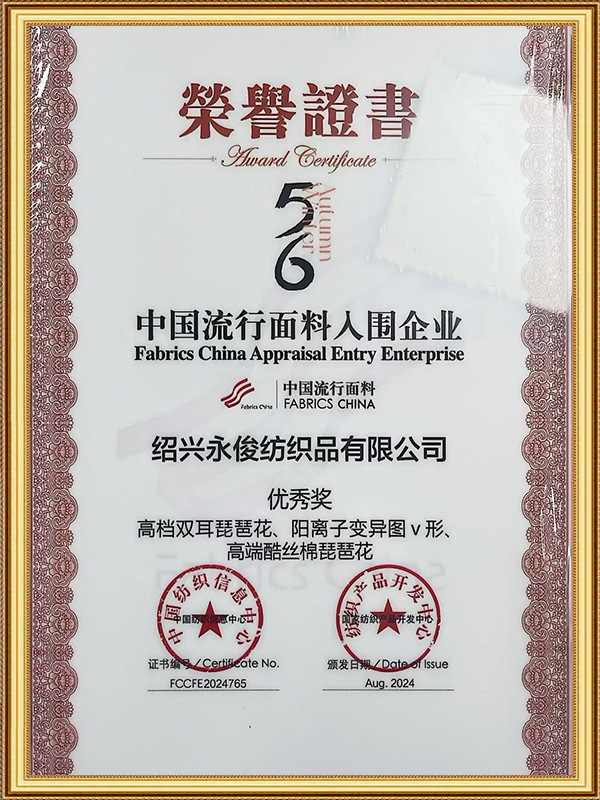
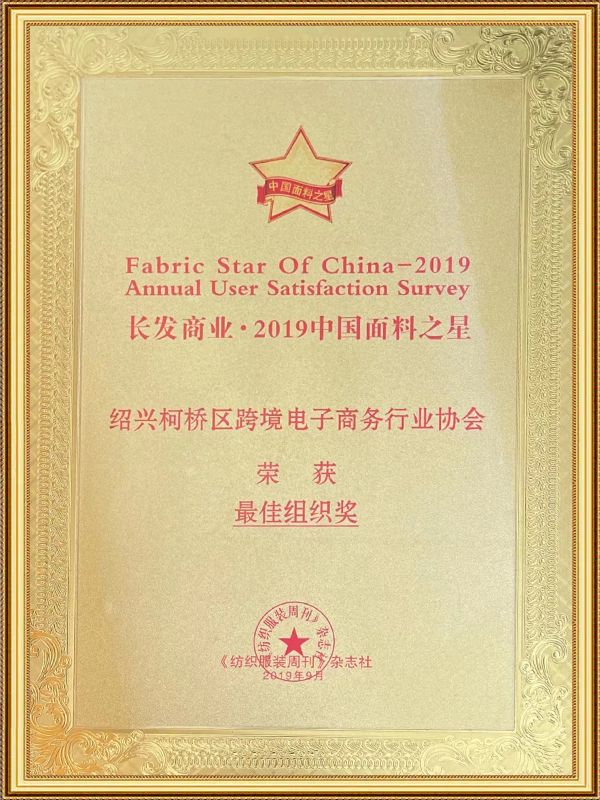
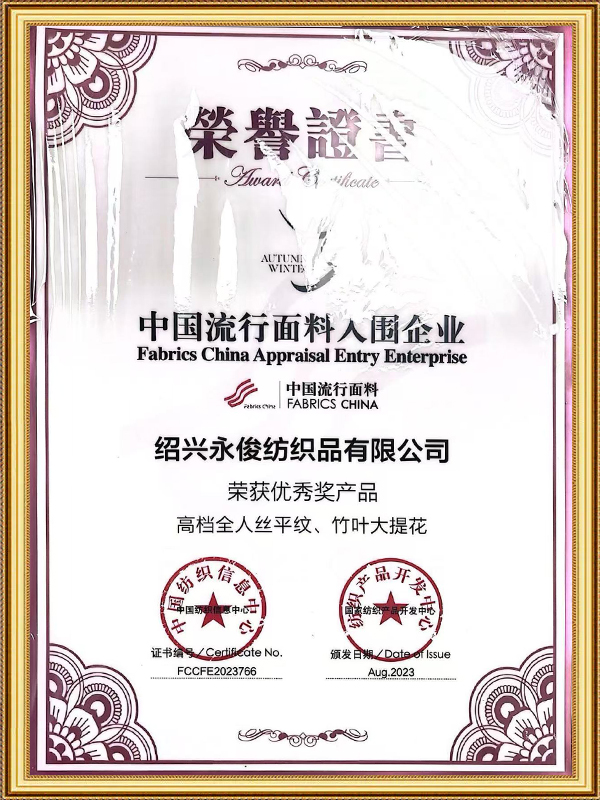
  • honorCertificates
  • honorCertificates
  • honorCertificates
  • honorCertificates
  • honorCertificates
  • honorCertificates
  • honorCertificates
  • honorCertificates
Follow Us Latest News
  • Does crepe chiffon fabric feel smooth to the touch and is prone to static electricity?

    Texture and Feel of Crepe Chiffon Fabric Crepe chiffon fabric is known for its delicate texture and light weight. When touched, it provides a slightly grainy yet soft sensation, characteristic of its crinkled surface. The fabric is generally smooth enough to glide over the skin gently, creating a su...

    READ MORE
  • How breathable and absorbent is cotton stretch fabric?

    Introduction to Cotton Stretch Fabric Cotton stretch fabric is a textile material that combines natural cotton fibers with elastane or spandex to provide elasticity. This combination allows the fabric to stretch and recover while retaining the inherent properties of cotton, such as softness and mois...

    READ MORE
  • What weaving methods or structural designs are used in synthetic fiber linings?

    Weaving Methods Used in Synthetic Fiber Linings Synthetic fiber linings are widely used in apparel, industrial products, luggage, footwear and various technical textiles, and their weaving methods play a central role in determining structural stability, comfort, durability and functionality. The cho...

    READ MORE
Industry Knowledge Expansion
Does the surface treatment affect the feel, drape, or breathability of plain chiffon fabric?

Introduction to Plain Chiffon Fabric
Plain chiffon fabric is a lightweight, sheer textile widely used in women’s apparel, formal wear, scarves, and decorative applications. It is valued for its delicate texture, fluid drape, and semi-transparent appearance. Companies such as Yongjun Textile, founded in 2003 and located in China Light Textile City, specialize in producing a variety of plain chiffon fabrics using fibers including polyester, polyester-cotton blends, cotton, rayon, nylon, and acetate. These fabrics may undergo a range of surface treatments, such as yarn-dyeing, embossing, glazing, coating, hot stamping, burnt-out, or composite finishing. The surface treatment can influence the fabric’s tactile properties, drape behavior, and breathability, which are essential considerations for garment designers and consumers seeking functional and aesthetic performance.

Fiber Composition and Its Role in Surface Interaction
The fiber type of plain chiffon fabric determines its baseline feel, drape, and moisture behavior. Synthetic fibers like polyester and nylon provide smooth surfaces and maintain stable drape over time, but may feel less soft compared to natural fibers. Natural fibers such as cotton and rayon are softer to the touch and absorb moisture more effectively, contributing to comfort. Blended fabrics, such as polyester-cotton chiffon, combine synthetic stability with natural softness. Surface treatments interact differently with various fibers; for instance, glazing on polyester creates a subtle sheen without significantly altering drape, whereas the same treatment on cotton may slightly stiffen the fabric, affecting both feel and flow. Understanding fiber-surface interactions is critical to predicting the impact of finishing processes.

Glazing and Its Effect on Feel and Drape
Glazing is a finishing technique that smooths and compresses the fabric surface to enhance luster. In plain chiffon, glazing affects the hand feel by creating a smoother, slightly firmer texture, which can reduce the soft, airy sensation typical of untreated chiffon. The drape may also be moderately altered, as the compressed surface adds a slight rigidity, causing the fabric to fall in more controlled folds rather than fluid, free-flowing waves. Breathability is minimally affected because the process primarily modifies surface fibers rather than altering the weave structure. Manufacturers like Yongjun Textile carefully control glazing intensity to achieve a balance between visual appeal and functional properties.

Embossing and Surface Texture
Embossing introduces a three-dimensional pattern on the fabric surface using heat and pressure. For plain chiffon, embossing can create subtle tactile variation, altering the feel to be slightly raised or textured. This process can influence drape, as localized stiffening in embossed areas modifies how the fabric folds and moves. Breathability is generally retained if embossing does not significantly compact the weave, but excessive pressure can reduce air passage by flattening inter-yarn spaces. The technique allows decorative effects without fundamentally changing the lightweight nature of chiffon when executed under controlled parameters.

Coating and Composite Treatments
Coating or applying composite layers to plain chiffon modifies surface characteristics to achieve specific functional properties, such as water resistance or enhanced durability. These treatments often increase surface smoothness and weight, which may make the fabric feel denser and less soft compared to untreated chiffon. Drape can be affected because the added layer alters the flexibility of the fabric, causing it to hang with less natural fluidity. Breathability is more directly impacted, as coatings can create partial barriers to airflow and moisture transfer. Optimizing coating thickness and composition allows manufacturers like Yongjun Textile to balance functional performance with retention of chiffon’s characteristic lightness.

Hot Stamping and Decorative Treatments
Hot stamping is a surface decoration process where heat and pressure transfer designs or metallic finishes onto the fabric. In plain chiffon, hot stamping changes the feel in treated areas, introducing localized stiffness or slight roughness depending on the material used. The drape may be subtly affected in stamped regions, causing slight deviations in folding or movement. Breathability can remain largely intact, as the treated area typically represents a small proportion of the overall fabric surface. Proper control ensures that decorative enhancement does not compromise the overall functional performance of chiffon.

Burnt-Out Techniques and Patterned Transparency
Burnt-out, or devoré, techniques selectively remove or thin fibers in specific areas, creating semi-transparent patterns. This process influences feel by introducing variations in texture between treated and untreated regions. The drape is altered in patterned areas because the removed fibers reduce weight and flexibility locally, which may result in uneven movement when layered or folded. Breathability is enhanced in the processed zones, as fiber removal increases air permeability. Fabrics produced by manufacturers like Yongjun Textile leverage burnt-out techniques to create visual interest without significantly compromising functional properties, ensuring that treated chiffon remains suitable for layered or flowing garments.

Yarn-Dyeing and Surface Color Integration
Yarn-dyeing incorporates color directly into the fibers rather than applying it to the fabric surface. This process maintains the natural feel and drape of plain chiffon, as no additional coating or surface modification occurs. Breathability is unaffected because the fabric’s physical structure remains intact. Yarn-dyeing also improves color consistency, particularly important for layered chiffon garments, where uneven dye uptake could otherwise affect translucency and visual uniformity. This technique demonstrates that some surface treatments enhance aesthetic quality while preserving key tactile and functional characteristics.

Impact of Fiber Blends on Treated Chiffon
Blended fibers in plain chiffon interact with surface treatments differently than single fibers. For example, polyester-cotton chiffon responds to glazing or embossing with moderate stiffness, while pure polyester exhibits greater smoothness and sheen. Blended fabrics allow manufacturers to optimize both visual and functional properties, balancing hand feel, drape, and breathability according to the intended application. Yongjun Textile’s expertise in producing woven and knitted linings with precise fiber ratios enables consistent performance even after various surface treatments, ensuring that functional characteristics are preserved alongside visual effects.

Environmental Factors and Fabric Performance
Environmental conditions such as humidity, temperature, and airflow influence the effect of surface treatments on plain chiffon. In low-humidity environments, synthetic fibers may exhibit static, which can be influenced by coatings or glazing. High temperatures during storage or ironing can soften or alter treated fibers, impacting drape and feel. Breathability is also affected by ambient conditions; fabrics with coatings or compressed surfaces may retain slightly more heat and reduce moisture evaporation. Understanding these interactions is essential for both production planning and consumer care of treated chiffon fabrics.

Care and Maintenance of Treated Chiffon
Proper handling of surface-treated chiffon helps maintain its feel, drape, and breathability. Gentle washing, low-temperature drying, and careful ironing prevent excessive fiber distortion or surface damage. Embossed, glazed, or coated chiffon requires attention to avoid pressure or abrasion that could alter texture or compromise functional properties. Storing garments on wide hangers or loosely folded arrangements minimizes creasing and preserves drape. By adhering to recommended care practices, consumers can retain both aesthetic and functional characteristics of treated chiffon fabrics over time.

Is plain chiffon fabric gentle on the skin and suitable for sensitive skin?

Fiber Composition and Skin Comfort
The type of fiber used in plain chiffon fabric is a major determinant of its softness and skin-friendliness. Natural fibers such as cotton and rayon have smooth surfaces and high moisture absorbency, which allow the fabric to interact comfortably with the skin and reduce friction. Polyester and nylon, while providing durability and resilience, have less inherent moisture absorption and a smoother or sometimes slightly slick texture. Blends such as polyester-cotton chiffon combine the benefits of synthetic strength with the softness and moisture management of natural fibers. Selecting the appropriate fiber or blend is essential for garments intended for prolonged contact with sensitive skin.

Fabric Construction and Surface Smoothness
Plain chiffon is generally woven in a lightweight, fine plain weave structure. This structure contributes to its semi-transparent appearance and lightweight feel but also affects how the fabric interacts with the skin. The fine yarns and tight, uniform weave create a smooth surface that reduces irritation and friction when worn. In contrast, fabrics with uneven weave or coarse yarns may cause slight roughness, which can be noticeable against sensitive skin. High-quality manufacturers, such as Yongjun Textile, maintain tight control over weaving parameters to produce consistent, smooth fabrics that enhance comfort and reduce potential skin irritation.

Finishing Techniques and Skin-Friendliness
Surface treatments applied to plain chiffon, including glazing, embossing, coating, or printing, can influence tactile properties. Glazing creates a smoother, slightly firmer surface, which may improve comfort for some wearers but could feel slightly different compared to untreated chiffon. Embossing or hot stamping introduces localized texture, potentially creating areas of increased friction. Coating treatments may increase surface density or reduce breathability, affecting how the skin experiences moisture and airflow. Careful process control ensures that these treatments do not introduce rough or abrasive areas, maintaining the gentle nature of chiffon for sensitive skin.

Moisture Management and Breathability
Moisture management is critical when assessing fabric suitability for sensitive skin. Natural fibers like cotton and rayon absorb sweat and allow it to evaporate, reducing the risk of irritation. Synthetic fibers such as polyester and nylon are less absorbent but can be engineered in chiffon fabrics with open weaves and light weights that promote airflow and evaporation. Breathability is essential in preventing heat buildup and maintaining skin comfort. Manufacturers like Yongjun Textile carefully select fiber combinations and weave densities to balance softness, lightweight drape, and effective moisture control, which contributes to the overall skin-friendliness of plain chiffon.

Allergen and Chemical Considerations
Plain chiffon fabric may be treated with dyes, finishes, or coatings, which can potentially affect sensitive skin. High-quality production involves the use of safe dyes and controlled chemical treatments to minimize allergenic risk. Yarn-dyeing, for example, integrates color into the fibers rather than applying surface chemicals, reducing direct skin exposure. Anti-static or softening finishes should be non-irritating and compliant with textile safety standards. Consistent quality control by manufacturers such as Yongjun Textile ensures that fabrics meet safety and environmental regulations, making plain chiffon suitable for sensitive skin when properly produced.

Weight and Hand Feel
The lightweight nature of chiffon contributes to its gentle feel. Fabrics with low grams per square meter (GSM) exert minimal pressure on the skin, reducing friction and enhancing comfort. The fine yarns and soft hand feel allow chiffon to conform to the body without abrasion, which is particularly important for sensitive or reactive skin. Treatments such as glazing may slightly increase density or stiffness, but proper control ensures the hand remains soft and smooth. Blended fabrics, such as polyester-cotton or rayon-polyester chiffon, are designed to optimize tactile comfort while maintaining structural stability and drape.

Drape and Interaction with the Skin
Chiffon’s fluid drape allows it to flow freely over the body, reducing tight spots or areas of friction that could irritate sensitive skin. The lightweight structure minimizes contact pressure and permits natural air circulation, further enhancing comfort. Treatments or finishes that alter drape, such as coating or embossing, must be carefully managed to prevent stiffness that could compromise fluid movement. Fabrics produced by Yongjun Textile maintain controlled drape characteristics even after finishing, ensuring that plain chiffon retains its soft interaction with the skin.

Layering and Garment Design Considerations
Plain chiffon is often layered in garments for visual or functional purposes. Multiple layers of chiffon can increase opacity without significantly affecting softness or skin comfort. The smooth surface and fine weave prevent friction between layers and maintain gentle contact with underlying skin. Garment construction, including lining selection and seam placement, also influences comfort for sensitive skin. Designers using high-quality chiffon from manufacturers like Yongjun Textile can create layered garments that remain lightweight, breathable, and gentle, even with complex designs.

Care Practices for Skin-Friendly Performance
Maintaining the gentle nature of plain chiffon requires proper care. Gentle washing, low-temperature drying, and minimal mechanical agitation preserve fiber integrity and surface smoothness. Steam ironing at recommended temperatures helps relax fibers and prevent stiffness without damaging the fabric. Storing chiffon garments carefully avoids creasing or fiber distortion that could affect softness. By adhering to manufacturer-recommended care instructions, consumers can preserve the comfort and skin-friendliness of plain chiffon over time.

Long-Term Use and Sensitive Skin Suitability
Over prolonged use, plain chiffon maintains its gentle feel and suitability for sensitive skin if fibers, weave, and finishes are carefully controlled. High-quality fabrics resist roughening, surface abrasion, or chemical residue accumulation, which could otherwise cause irritation. Breathability, moisture management, and lightweight hand ensure that sensitive skin remains comfortable even with extended wear. Fabrics from manufacturers like Yongjun Textile, which emphasize precision in fiber selection, finishing, and quality control, are well-positioned to meet these requirements for long-term skin comfort.